REVIEW · TIBET
4 Days Lhasa Impression Small Group Tour
Book on Viator →Operated by Tibet Vista · Bookable on Viator
Lhasa hits hard in four days. You’ll see Potala Palace, Jokhang Temple, and the Barkhor kora circuit, all guided by an English-speaking Tibetan guide in a small group capped at 12. It’s one of those quick-hit itineraries that still feels focused instead of chaotic.
I love that the trip takes care of the big moving parts up front: Tibet permits, airport or train pickup, and transfers into town. I also like the human pace here, with a welcome dinner when the group first meets and then two monastery-heavy days that make the spiritual sites feel connected rather than random stops.
One thing to watch: ticket details can be confusing. The itinerary notes admissions as not included for Potala and Jokhang, while the package lists entrance fees as included, so you should confirm before you arrive.
In This Review
- Key things that make this Lhasa tour worth your time
- Getting oriented fast: pickup, your downtown base, and the small-group rhythm
- Day 2 in Lhasa: Potala Palace, Jokhang Temple, and Barkhor Street kora
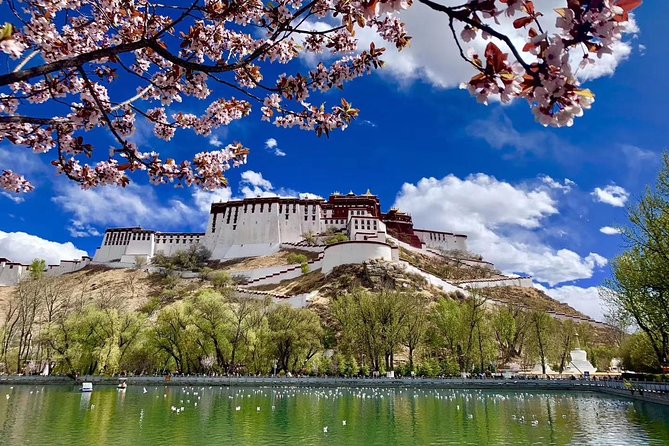
- Potala Palace: the winter palace you can feel in your feet
- Jokhang Temple: the 7th-century heart of the area
- Barkhor Street and kora: where locals turn sightseeing into ritual
- Day 3 monastery day: Drepung’s court scale and Sera’s debate atmosphere
- Drepung Monastery: big grounds, long sightlines, and a sense of scale
- Sera Monastery and the monks debate: a classic afternoon rhythm
- The Dadong Village detour: a slower rural interlude near Lhasa
- Day 4: your permit-limited departure and how to plan your flight
- Price and value: what $509 buys (and what you should budget extra for)
- Pace, expectations, and the trade-off of seeing a lot in limited time
- Who this tour fits best (and who might want a different style)
- Should you book the 4 Days Lhasa Impression Small Group Tour?
- FAQ
- How long is the Lhasa impression tour?
- What does the tour include for accommodation?
- Is pickup and drop-off included?
- What sightseeing is covered?
- Are meals besides breakfast included?
- Are entrance tickets included?
- What group size should I expect?
- Do I need a Tibet permit?
- What documents do I need before the trip?
- What is the cancellation window for a refund?
Key things that make this Lhasa tour worth your time
- Small group limit of 12 means you’re not squeezed into a crowd on every corner.
- Permit + transfers included so you can spend your energy on sightseeing, not paperwork and logistics.
- Potala Palace, Jokhang, Barkhor kora covers the core Lhasa spiritual circuit in one day.
- Drepung and Sera monasteries give you the “great Gelug” monastery experience with classic courtyard and debate atmosphere.
- Sera Monastery timing includes the monks debate window around 3 to 5 pm (weather and operations permitting).
- 3-star hotel with breakfast gives you a real base in downtown Lhasa instead of constant day-to-day moving.
Getting oriented fast: pickup, your downtown base, and the small-group rhythm
This is built as a true first-impression Lhasa plan. On arrival, your Tibetan guide meets you at the airport or train station and then you’re transferred to a downtown hotel. That matters more than it sounds: Lhasa altitude and travel fatigue can take the edge off, so starting with a smooth transfer helps you settle in before you start walking.
Your hotel stay is in the 3-star range, twin-sharing with breakfast included for three mornings. You’re not just buying beds here—you’re buying a stable base so your guide can run a tight sightseeing flow without everyone scrambling for check-in or meal plans.
One reason the small-group setup works is that you can actually hear explanations. This matters at places like Jokhang, where the visual details are dense and the religious context helps you avoid wandering through “pretty buildings” without understanding what you’re seeing.
Also, I like that guides get singled out by name in prior group feedback. Names like Pasang and Tsedon come up for clear English and strong explanations of Buddhist culture and history. You might not get the same guide, but the pattern suggests you’re likely to be in good hands.
You can also read our reviews of more tours and experiences in Tibet.
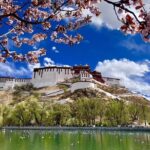
Day 2 in Lhasa: Potala Palace, Jokhang Temple, and Barkhor Street kora
Day 2 is where most first-timers start feeling the real pull of Lhasa. You go to the Potala Palace first, then shift to Jokhang Temple, and end with Barkhor Street and the kora-style walking route around the temple area.
Potala Palace: the winter palace you can feel in your feet
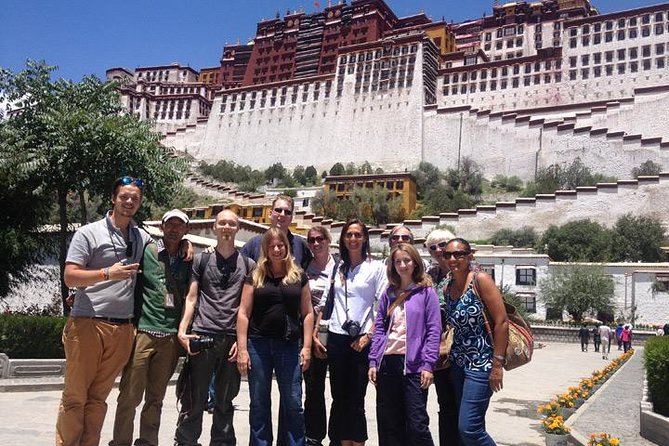
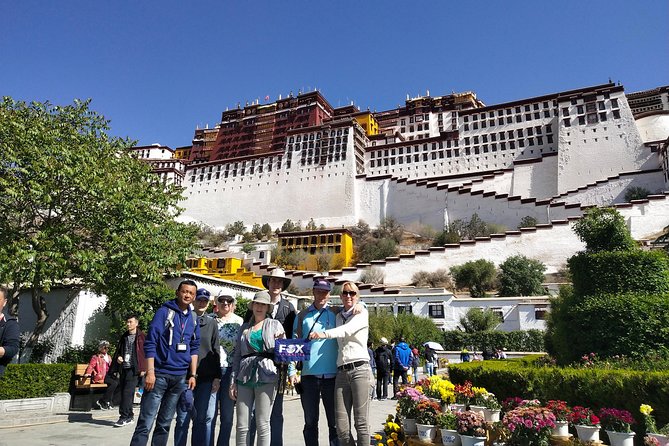
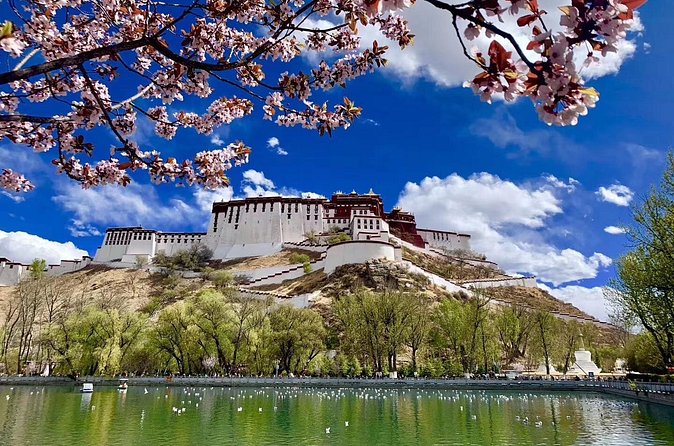
Potala Palace is described here as the winter palace of the Dalai Lama, with use stretching back to early centuries. Even if you don’t memorize dates, you’ll feel the scale and power of the place: it’s an architectural statement, and it sets the tone for why Lhasa became a spiritual and political center.
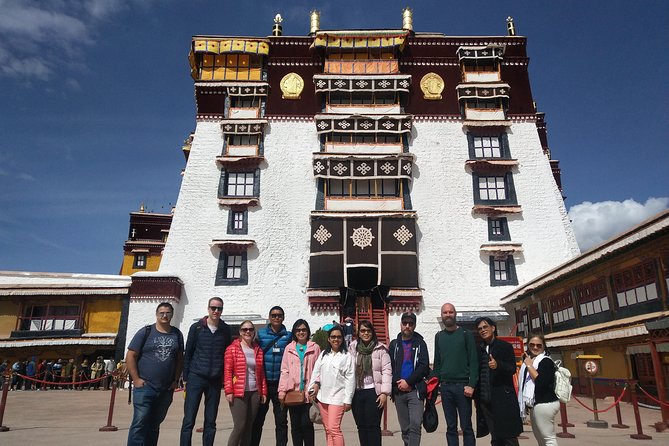
Practical note: the itinerary notes Potala admissions as not included, but the inclusions list says entrance fees are covered. Don’t stress—just confirm what you personally need to pay on-site versus what’s already handled in your booking.
Time on site is listed as about 1.5 hours. That’s typically enough to see the big viewpoints and main spaces, but not enough to linger through every corner like a slow museum day. If you’re the type who likes to read every plaque, plan to take photos and save deeper study for later.
Jokhang Temple: the 7th-century heart of the area
Next is Jokhang Temple, founded in the 7th century, with emphasis on a famous Buddha statue described as Sakyamuni at age twelve. Jokhang is often the spiritual anchor for Lhasa, and this stop gives you the sense that you’re entering a living religious space, not just a site behind ropes.
Again, admission details show a small mismatch between the stop notes and the package inclusions list. Double-check so you don’t end up paying twice or missing a refundable ticket plan.
Lunch is slotted in between temple stops. Since lunches and dinners aren’t included, you’ll want to budget for food near the sites. (This tour provides drinking water during the trip, but meals beyond breakfast are on you.)
Barkhor Street and kora: where locals turn sightseeing into ritual
After Jokhang, you get Barkhor Street, with time for the kora—a religious circuit around the temple complex—plus exploring the old market lanes. This is one of those moments where the experience shifts from “I’m touring” to “I’m watching how people live and worship.”
There’s also a small cultural bonus: you can taste Tibetan tea with locals in the area. That’s the kind of simple stop I appreciate because it’s not a performance. You’re in the flow of the neighborhood rather than searching for a staged souvenir stop.
The route time is listed as about 30 minutes, so it’s more of a guided taste than a long wander. If you want extra time for people-watching and slower tea sipping, you can ask your guide how long you can linger before the afternoon schedule moves on.
Day 3 monastery day: Drepung’s court scale and Sera’s debate atmosphere
Day 3 leans hard into monastery culture. It starts with Drepung Monastery and then moves to Sera Monastery later in the day, including the famous debate period around 3 to 5 pm.
This is a great structure for your brain. Drepung and Sera aren’t just two random names on a map; they’re both part of the “great three” Gelug monasteries described in the tour notes. Seeing them back-to-back helps you compare architectural style, courtyard feel, and the way monastic life is organized.
Drepung Monastery: big grounds, long sightlines, and a sense of scale
Drepung is scheduled for about 4 hours. That longer block matters. Monasteries are not quick-photo stops if you want to understand what you’re looking at. With four hours, you should have time for courtyards, key buildings, and some guided explanation rather than a rushed circuit.
Admission is listed as not included in the stop note, so again: confirm the actual ticket situation. If the package really covers entrance fees, this day becomes easier on your wallet.
This is also where altitude and walking pace come into play. Four hours inside monastery grounds can still mean lots of stairs and uneven stone paths. If you’re prone to getting tired quickly, tell your guide at the start—your timing can often be adjusted without ruining the main highlights.
Sera Monastery and the monks debate: a classic afternoon rhythm
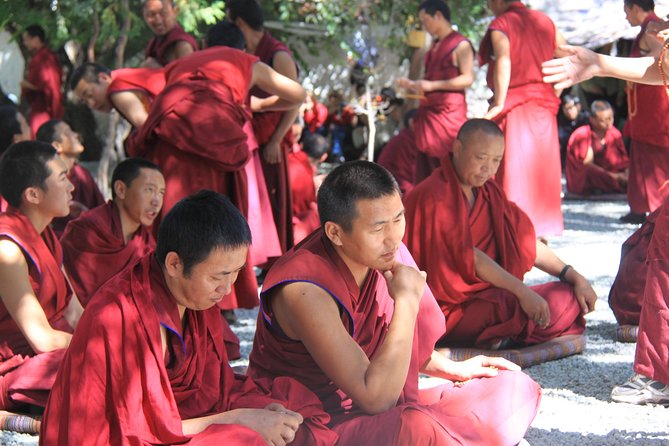
Sera is scheduled for about 2 hours in the afternoon. The highlight here is the monks debate, timed around 3 to 5 pm. If you’ve ever wanted that more energetic, human side of Tibetan Buddhist learning, this is one of your best shots on an intro tour.
Even if the debate runs slightly differently day to day, the tour is designed so you’re in the right window. The best part is that you’re not just watching a ceremony—you’re seeing how study works and how monastic life expresses itself through practice and public discussion.
The Dadong Village detour: a slower rural interlude near Lhasa
One extra element that gives this tour variety is the stop at Dadong Village in the morning on Day 3. It’s described as 25 kilometers southwest of Lhasa downtown and as a well-protected ancient Tibetan village.
Why this matters: it breaks the monastery-only pattern. Lhasa can feel like a vertical world—palaces and temples on hills, steep streets, dramatic views. Dadong Village gives you a gentler, more human scale experience, which can be a nice change if you’re starting to feel monastery fatigue halfway through the trip.
The schedule lists about 4 hours for this village time. Admission is again marked as not included in the itinerary notes, so verify whether you’ll pay on-site.
Because this is a village area, expect less infrastructure than the central tourist zone. Bring patience and water discipline—especially if temperatures are cold or windy. Your guide can also help you decide how much time to spend in smaller lanes versus viewpoints.
Day 4: your permit-limited departure and how to plan your flight
Day 4 is essentially departure day. The tour notes that you have to leave Tibet by air, and it ties that to permit limits for this specific tour duration. Translation: you’re not meant to linger in Lhasa after the sightseeing blocks end.
Your tour ends back at the meeting point. If you’re booking flights or train connections, this is the day where you want clean timing. Build in buffer time so you’re not stressed about getting to the airport or your next city.
The tour provider offers assistance with arranging airport or railway drop-off service if you want to extend in another tour, but it’s not described as automatically included beyond the basic pickup/drop-off.
Price and value: what $509 buys (and what you should budget extra for)
At $509 per person, this is positioned as a practical Lhasa intro package rather than a bare-bones sightseeing day. The key value isn’t just the guide or the hotel—it’s the combination of permit handling, transfers, and entrance fees bundled into one plan.
Here’s what’s included in the package:
- Tibet travel permit and other necessary permits
- Comfortable van or minibus with an experienced local driver (gas included)
- English-speaking Tibetan guide
- Tourist accident/casualty insurance
- Welcome dinner in a local restaurant when the group meets
- Drinking water during the trip
- Pick-up/drop-off from airport or train station to Lhasa
- 3-star hotels with breakfasts (twin-sharing)
- Entrance ticket fees for tourist sites listed
- Platform service fee
- Breakfast (3 days)
And what’s not included:
- Lunches and dinners
- Tips to driver and guide
- Flight/train ticket to Lhasa (though help is offered)
Two value takeaways for you:
1) Paying for the permit inside the package usually means fewer headaches than chasing paperwork separately. If you’ve ever dealt with travel permits in sensitive regions, you’ll appreciate that.
2) Breakfast and bottled water reduce daily decision-making. In a place where travel days can feel more demanding, that’s real comfort.
One caution on value: because the itinerary notes say Potala and Jokhang admissions aren’t included (while the inclusions list says entrance fees are included), you should verify what’s prepaid. That one check protects you from surprise cash expenses at the gates.
Pace, expectations, and the trade-off of seeing a lot in limited time
This tour is built for highlights, not slow travel. You’ll be out most of the day on sightseeing blocks, and each temple/monastery stop is scheduled with a clear time window. That’s good if you want a first Lhasa impression fast. It’s less good if you want to linger for spiritual reflection longer than the group schedule allows.
Also, remember that “small group” here means maximum 12 travelers. That’s still a group. You’ll move together, wait for everyone, and follow the guide’s timing.
The upside is that the tour includes a welcome dinner and guided context. So it’s not just stamp collection. You should come away with a clearer mental map of how Lhasa’s spiritual sites relate to each other.
Altitude isn’t discussed in the details you provided, but common sense applies: plan simple clothing, take breaks, and pace yourself on walking-heavy days like the monastery circuit.
Who this tour fits best (and who might want a different style)
This “Lhasa impression” tour is a strong fit if you:
- Want a first-timer itinerary that hits the major spiritual landmarks
- Prefer group structure with an English-speaking guide rather than DIY planning
- Like monastery culture and the idea of seeing both Drepung and Sera in the same trip
- Appreciate bundled logistics like permits, transfers, and hotel breakfasts
You might consider a different approach if you:
- Want a long, slow visit to each site where you can take your time reading and reflecting
- Are sensitive to rigid timing, since this schedule is clearly built for packed highlights in limited days
- Don’t want to spend even a little effort confirming the prepaid ticket situation (Potala/Jokhang especially)
Service animals are allowed, and the hotel is described as near public transportation, which can help if you need extra flexibility on downtime.
Should you book the 4 Days Lhasa Impression Small Group Tour?
If your goal is a smart, highlight-first Lhasa introduction with permit coverage, airport/train pickup, a small group, and guided visits to Potala, Jokhang, Drepung, and Sera, this tour makes sense. The price feels tied to value because the package includes the stuff that normally turns into stress: permits, transfers, hotel breakfasts, and tour-site fees.
Before you book, do two quick checks: confirm the Potala/Jokhang entrance fee situation and double-check how your Day 4 departure lines up with your flight or next connection. If those boxes are clean, you’ll likely enjoy this as an efficient starting point for Tibet.
FAQ
How long is the Lhasa impression tour?
It runs for about 4 days.
What does the tour include for accommodation?
You stay for three nights in 3-star accommodations with breakfasts, based on twin-sharing.
Is pickup and drop-off included?
Yes. The tour includes pick-up and drop-off from the airport or train station to Lhasa.
What sightseeing is covered?
You’ll visit Potala Palace, Jokhang Temple, Barkhor Street, Drepung Monastery, and Sera Monastery, plus Dadong Village.
Are meals besides breakfast included?
No. Lunches and dinners are not included.
Are entrance tickets included?
The tour inclusions list says entrance fees for the sites in the itinerary are included, but the stop details for Potala and Jokhang show admission tickets as not included. Confirm what you personally need to pay.
What group size should I expect?
The tour has a maximum of 12 travelers.
Do I need a Tibet permit?
Yes. The tour includes the Tibet travel permit and other necessary permits.
What documents do I need before the trip?
You’re required to provide photocopies of your passport and China L Visa at least 20 days prior to travel. A valid passport and China L Visa used for the permit application are required during travel.
What is the cancellation window for a refund?
You can cancel up to 6 days in advance for a full refund. A 50% refund is available if you cancel 2–6 days before the start time, and there’s no refund if you cancel less than 2 days before.