REVIEW · TIBET
10 Days Tibet Everest Base Camp and Namtso Small Group Tour
Book on Viator →Operated by Tibet Vista · Bookable on Viator
A trip to Everest Base Camp in Tibet comes with drama and dust. This one adds something better: a steady, small-group rhythm plus classic Lhasa sights, then out to the high, holy silence of Namtso Lake. It’s built to handle permits, tickets, and most logistics for you, so you can focus on seeing Tibet without playing spreadsheet roulette.
What I like most is the balance of big-name icons and real spiritual places—Potala Palace and Jokhang Temple in Lhasa, then monasteries like Sera and Tashilunpo, and finally the quiet lake-country of Namtso. I also like that you’re not doing this alone: you ride in a comfortable van or minibus with an English-speaking Tibetan guide, and past departures include guides such as Mr Lobsang, Ga Rong, Tenzin, and Bai praised for being friendly and responsible. One drawback to plan for: you’ll spend long days on the road at high altitude, and some stops can shift due to weather or monastery closures.
In This Review
- Key things to notice before you go
- Why this Everest Base Camp and Namtso route works
- Day 1 in Lhasa: warm welcome and Yarlung Tsangpo River views
- Potala Palace, Jokhang Temple, and Barkhor kora (Day 2)
- Drepung and Sera: village atmosphere plus debate time (Day 3)
- Road days to Shigatse and Gyantse: passes, a glacier roadside moment (Day 4)
- Toward Everest: high passes and time you can’t rush (Day 5)
- Rongbuk sunrise and Everest Base Camp by Echo bus (Day 6)
- Back toward Lhasa: Tashilunpo and the Panchen Lama seat (Day 7)
- Namtso Lake: Zhaxi Peninsula and Stone Elephant Gate viewpoints (Days 8–9)
- Permits, oxygen, and the altitude reality check
- Price and value: $1,329 plus the meals and tips you’ll add
- What the small-group style feels like day to day
- Who should book this Tibet Everest Base Camp and Namtso tour
- Should you book it
- FAQ
- What is included in the tour price?
- Do I need to arrange a visa for Tibet?
- Are entrance tickets included for major sights in Lhasa?
- Is oxygen provided during the tour?
- How large is the group?
- What meals are not included?
- Do I need to have a lot of hiking fitness?
Key things to notice before you go
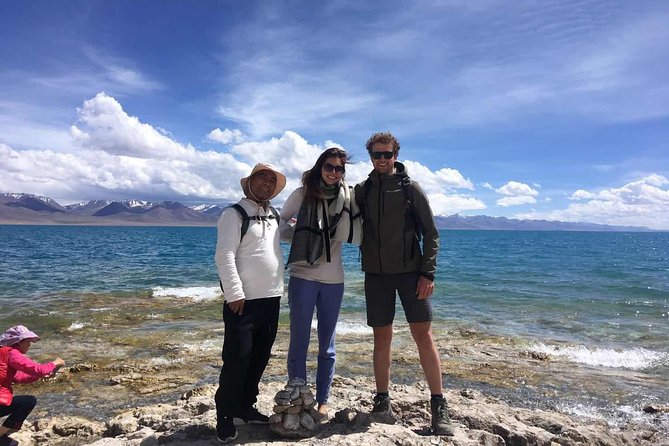
- Max 12 travelers means less waiting and more flexibility with small-group timing
- Permits and tickets handled reduces the hardest part of traveling in Tibet
- Oxygen cylinders in the car (4L or 7L) is a practical extra for the drive and viewpoints
- Everest Base Camp by Echo bus saves time and keeps the day moving
- Namtso Lake logistics are staged with off-road and shuttle to key viewpoints
- Twin-sharing hotels plus a dorm option near Rongbuk helps you keep costs down
Why this Everest Base Camp and Namtso route works
This tour is built around one clear idea: in Tibet, your time gets eaten by logistics fast. Here, your Tibet travel permit and other required permits (with the Chinese L visa handled separately) are taken care of, along with entrance tickets for the planned sites. That’s not just convenience—it helps you avoid the usual stress of last-minute paperwork while you’re also dealing with altitude and long drives.
The itinerary also respects how you actually experience Tibet. You get a proper start in Lhasa with the major pilgrimage core, then you work your way outward—monasteries, passes, then the Everest region—before switching gears to the spiritual landscape of Namtso. You’re not bouncing randomly; you’re traveling by a route that makes sense for views.
And because it’s a small-group setup (up to 12 people), you’re more likely to have a guide who can answer questions on the spot instead of giving the world’s fastest slideshow.
You can also read our reviews of more tours and experiences in Tibet.
Day 1 in Lhasa: warm welcome and Yarlung Tsangpo River views
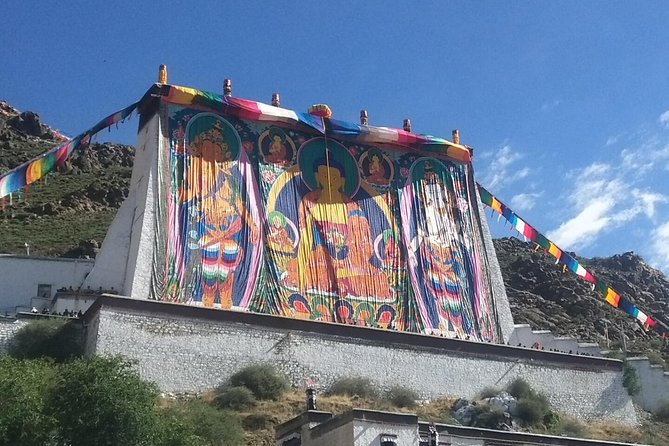
After you arrive, your Tibetan guide meets you at the airport or train station and transfers you to a hotel in downtown Lhasa. The route includes scenery along the Yarlung Tsangpo River, which is a nice way to shift from travel mode into Tibet mode without a rushed schedule.
This first day is mostly about getting your bearings. Lhasa’s altitude can feel serious even when you’re only doing easy walking, so treat Day 1 like a buffer day. If you’re sensitive to altitude, take it slow, drink water, and don’t plan a dramatic evening unless you’re feeling great.
Potala Palace, Jokhang Temple, and Barkhor kora (Day 2)
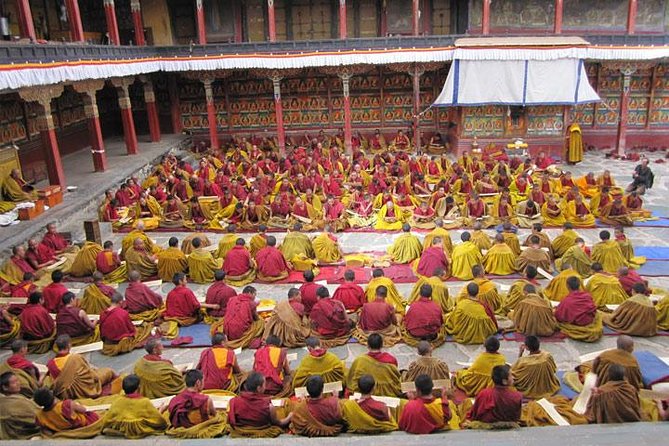
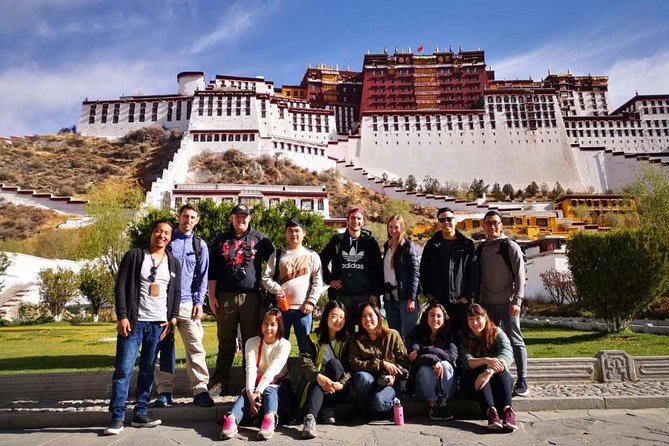
Day 2 is where Lhasa makes its case fast. You start with Potala Palace, the winter palace associated with the Dalai Lama. Even if you don’t consider yourself a royal-palace person, this site gives you the scale of Tibetan Buddhist power—both religious and cultural—right away.
After that, you head to Jokhang Temple, one of the most important centers of Tibetan Buddhism. The tour route includes time to see the area where a Buddha figure is described as Sakyamuni at age twelve, and you’ll also get a sense of how meaning lives in the details here.
Then comes Barkhor Street around the temple area, where you can do a kora (a religious walking circuit) with locals and pilgrims. You’ll also have a chance for Tibetan tea with locals. That’s one of those small moments that’s easy to overlook until you realize it’s how people actually slow down and connect in Lhasa.
Practical note: entrance tickets aren’t included for Potala Palace and Jokhang Temple on this day, while they are for other planned sites later. If you’re budgeting, keep that in mind so there’s no surprise in your payment plan.
Drepung and Sera: village atmosphere plus debate time (Day 3)
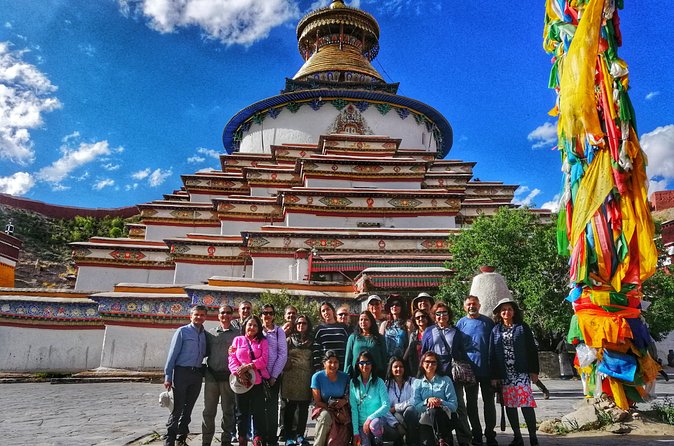
Day 3 gives you a calmer, more human side of Lhasa. You visit Drepung Monastery (Zhebang Si), and the day includes a longer block with Dadong Village, described as a well-protected ancient village about 25 kilometers southwest of Lhasa. That combination matters: monasteries alone can feel like big buildings, but village context helps you understand how daily life connects to religion and geography.
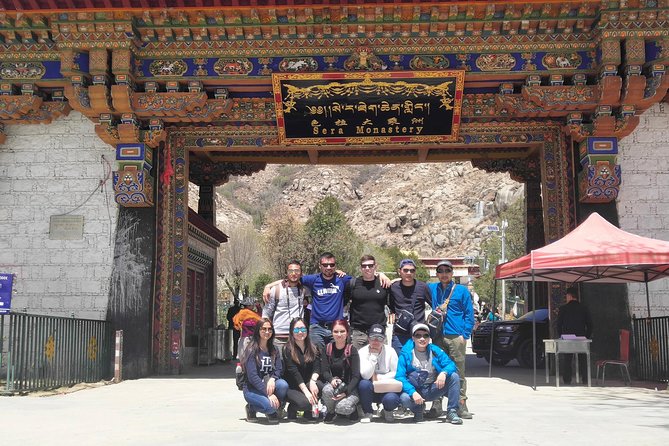
In the afternoon, you head to Sera Monastery, one of the “great three” Gelug monasteries. The highlight is the monks’ debate in the late afternoon window (around 3 to 5). This is one of those experiences that feels different depending on the day and the crowd, but the structure—monks debating while visitors watch—tends to be memorable because it’s active, not just static viewing.
Again, admission for Drepung is not listed as included, while Sera’s monastery admission is included. The tour is aiming for a mix of included and ticketed time, so I suggest you carry a bit of cash or plan payments ahead.
Road days to Shigatse and Gyantse: passes, a glacier roadside moment (Day 4)
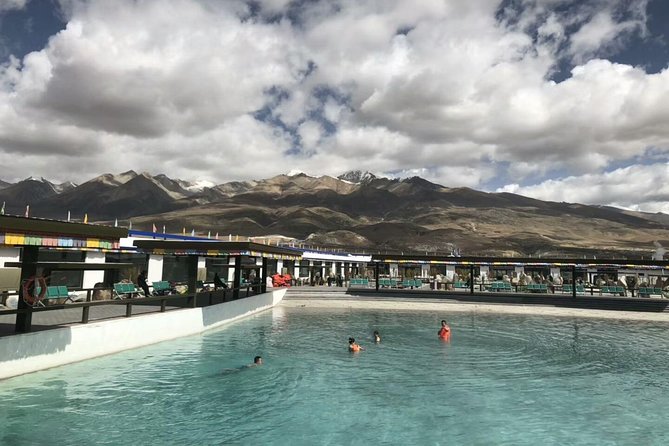
Day 4 is an all-rolling kind of day: drive, viewpoints, quick stops, then the next town. You leave Lhasa for Shigatse while crossing the Gampala Pass at about 4,790 meters and getting glimpses of Yamdrok-tso around 4,400 meters. The value here is that you see Tibet’s “in-between” spaces—the high plateaus that don’t show up on postcards unless someone makes an effort.
You then pass Karo La Glacier on the roadside and stop near Manak Dam Lake, where you can hang prayer flags at Simila Mountain Pass. These are short stops, but they matter. Prayer flags aren’t a souvenir idea here; they’re part of living belief, and even a small act like tying one gives you a real connection to the landscape.
Finally, you arrive in Gyantse, historically described as Tibet’s third largest city. That sets you up for the next big shift: heading toward the Everest region.
Toward Everest: high passes and time you can’t rush (Day 5)
Day 5 is the long bridge from central Tibet toward the Everest gateway. After getting your travel permit process underway, you drive toward Lhatse, then push over multiple high passes, including Tsola Pass around 4,600 meters and Gyatsola Pass around 5,248 meters. That altitude jump is the kind of thing that changes how you feel even if you’re not exercising.
At some point after entering the Everest region corridor, the day stretches to about 12 hours. This is why I like this tour’s “easy seven-night” style claim in spirit: the route keeps you moving without adding lots of extra physical activities. You’ll still want to follow your body—slow breathing, careful hydration, and minimal heroics.
Because admission is marked as not included for this long drive day, I treat it like a viewing day, not a spend-more-day-at-museums day. The main “payoff” is getting you into position for sunrise and the Everest viewpoints ahead.
Rongbuk sunrise and Everest Base Camp by Echo bus (Day 6)
Day 6 is your Everest day, and it’s staged the way you want it: early, focused, and aimed at the best possible moment. You visit Rongbuk Monastery, then start with a sunrise attempt—watching the sun appear on Mount Everest’s top from the Rongpuk vantage point described as facing the mountain like a snow-capped pyramid.
Sunrise at altitude can be cold and quiet. Even with the oxygen cylinders in the car, the trick is not to get too worked up about comfort. Layers, gloves, and a hat aren’t optional if you want to enjoy the view instead of shivering through it.
You’ll also head to Everest Base Camp using the Echo bus, which is specifically listed as included. That’s a big deal for value. In a place where roads and schedules can be unpredictable, having transport arranged reduces time spent waiting and helps keep the day structured.
If you’re lucky and skies cooperate, this is the “wow” moment you came for. If weather shifts, the tour’s contingency tone is clear in the way some activities can be altered due to conditions.
Overnight is part of what keeps this realistic. Your accommodation includes Rongpuk Guest House with a dorm-bed option, which is a cost-conscious way to get you close to the action.
Back toward Lhasa: Tashilunpo and the Panchen Lama seat (Day 7)
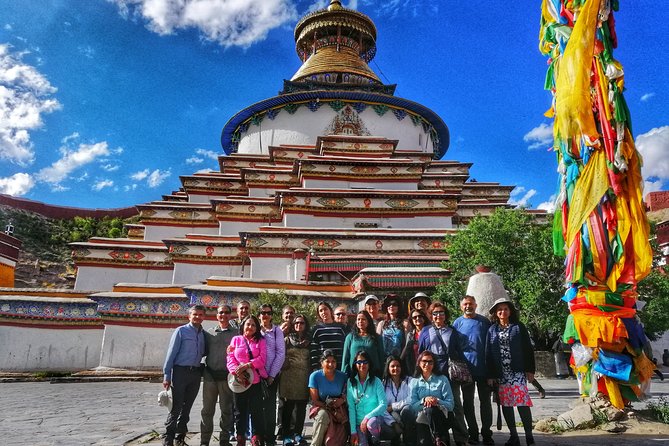
Day 7 turns the dial from peak views to spiritual lineage. You visit Tashilunpo Monastery, described as the seat of Tibet’s second highest incarnation: the Panchen Lama. Even if you’ve already visited monasteries, Tashilunpo feels different because of what it represents in the broader Tibetan Buddhist structure.
After the visit, you drive roughly 280 km / 175 miles back toward Lhasa by way of Gyantse. Long drives after a major Everest day are normal. Your goal here is to arrive with enough energy to enjoy Lhasa again, not to sprint through every possible stop.
If you’re altitude-sensitive, treat this day as recovery time. Eat light if you feel heavy-headed, keep your pace easy, and remember: you’re still at altitude, just closer to civilization.
Namtso Lake: Zhaxi Peninsula and Stone Elephant Gate viewpoints (Days 8–9)
Then you get the scene change Tibet lovers dream about. Day 8 drives from Lhasa to Lake Namtso, described as one of the four holy lakes of Tibet and also the highest saline lake in the world. On the way, you’ll see Nyenchen Thanglha Mountain Ranges in the background.
You continue with a stop at Zhaxi Peninsula, where five holy islets are described as incarnations of the Five Buddhas. The tour specifically mentions Tashi Island as the largest islet and offers a panoramic view of the lake. Two hours here is a good chunk of time; it lets you move slowly, find angles with less crowd pressure, and actually breathe.
Day 9 is about access to the most stunning shore views. After breakfast, you take an off-road vehicle and a tourist shuttle bus to the Stone Elephant Gate on the northern shore. The itinerary notes it as the most breathtaking site of the lake area, and the time at the site is short on the schedule, so you’ll want to be ready to look, photograph, and absorb quickly.
This is a great reminder that Tibet isn’t just about Everest. Namtso feels like the opposite energy: less drama, more space. If you enjoy landscapes with spiritual weight—wind, salt air, and far-off lines on the horizon—you’ll likely love this part.
Permits, oxygen, and the altitude reality check
This tour is designed for travelers who want structure, not surprises. The included Tibet travel permit (plus other necessary permits, excluding the Chinese L visa) is one of the most valuable parts, especially because Tibet permits are not something you want to scramble for once you’ve arrived.
You also get oxygen cylinders in the car (4L or 7L). That won’t turn altitude into lowland air, but it’s a practical safety layer for transfers and viewpoints.
You should also take the “moderate physical fitness level” note seriously. This isn’t a mountain-climbing plan, but there’s still walking at temples and you’ll be at high elevations for long periods. Your goal is stamina for sightseeing, not endurance sports.
Finally, keep expectations flexible. The itinerary acknowledges that activities can be altered or canceled due to force majeure like bad weather or monastery closures. In Tibet, that’s not a failure—it’s normal. The best approach is to stay calm when the day shifts.
Price and value: $1,329 plus the meals and tips you’ll add
At $1,329 per person, this tour can feel like a lot at first glance. Then you look at what’s included and it starts to make more sense.
In the included column, you get the big-ticket “Tibet friction” items: permits, transportation by comfortable van/minibus, an English-speaking Tibetan guide, oxygen cylinders, drinking water, and lodging with breakfasts (plus the Rongpuk guesthouse dorm option near Everest). Entrance ticket fees are also listed for the planned sites, including the Everest Base Camp Echo bus, and you get a Tibet handy map.
What’s not included is also clear: lunches and dinners and tips to driver and tour guide. So in real budgeting terms, you’re paying for the tour package plus everyday meal costs and gratuities.
One more value detail that matters: the price is based on double occupancy. If you need a single room, the single supplement is subject to availability and an added charge.
If you’re trying to keep costs controlled while still doing Everest and Namtso, the package approach here is a smart way to avoid multiplying expenses across separate guides, separate permits, and separate transport contracts.
What the small-group style feels like day to day
A group of up to 12 people changes the whole vibe of Tibet sightseeing. You can hear your guide better, ask questions without shouting, and move at a pace that fits the day instead of getting swept into a rushed parade.
You’ll also see the places that don’t run purely on “ticket lines.” Barkhor kora, prayer flags, tea time, monastery debate timing—these are experiences that are easier when you’re not being herded like a checklist. That’s the kind of detail that makes the difference between a photo trip and a meaningful trip.
Also, don’t underestimate the logistics side. Pickup and drop-off in Lhasa is included, so you’re not trying to figure out local connections on arrival day. Your tour ends back at the meeting point, which removes one more planning headache.
Who should book this Tibet Everest Base Camp and Namtso tour
This is a strong fit if you want:
- Iconic Tibet in one trip: Lhasa landmarks, major monasteries, Everest views, and Namtso
- A small-group experience with an English-speaking Tibetan guide
- A route where permits and transport are handled, not improvised
It’s also a good choice if you’d rather spend time at viewpoints and sacred sites than negotiating tickets, vehicles, and schedules while you’re already dealing with altitude.
If you hate long road days, you might find the driving-heavy structure challenging. This tour is not built for quick city hops; it’s built for travel across wide distances.
Should you book it
If your dream includes Everest Base Camp sunrise views and you also want the calm spiritual contrast of Namtso Lake, this tour is a practical, value-focused way to do both without turning your trip into a logistics project. The included permits, guide, transport, oxygen, and ticket handling remove the main headaches that derail first-timers.
I’d book if you’re okay with long drives, you’re willing to walk at temples, and you’ll keep your schedule flexible for weather or monastery timing. I’d hesitate only if your priority is a fast, low-altitude sightseeing sampler. This one is about Tibet as a whole journey, not a quick hit.
FAQ
What is included in the tour price?
The tour includes Tibet travel permit and other necessary permits (excluding the Chinese L visa), transportation by van or minibus with an experienced local driver, an English-speaking Tibetan guide, welcome dinner in Lhasa when group members meet, oxygen cylinders in the car, liability travel insurance, drinking water, a Tibet handy map, airport/train station transfers to and from Lhasa city, accommodations with twin-sharing and breakfasts (including a Rongpuk Guest House dorm bed option), and entrance ticket fees for the sites listed in the itinerary (including the Everest Base Camp Echo bus).
Do I need to arrange a visa for Tibet?
The tour includes the Tibet permit, and it can include an invitation letter of China L Visa if needed. The Chinese L visa itself is not included, and the tour notes different guidance depending on whether you arrive from Kathmandu or another city in China.
Are entrance tickets included for major sights in Lhasa?
Some are included later in the trip, but the itinerary notes Potala Palace and Jokhang Temple admissions are not included, while Sera Monastery admission is included.
Is oxygen provided during the tour?
Yes. Oxygen cylinders are provided in the car (4L or 7L).
How large is the group?
The tour has a maximum of 12 travelers.
What meals are not included?
Lunches and dinners are not included.
Do I need to have a lot of hiking fitness?
The tour asks for a moderate physical fitness level. It is not described as a trekking or climbing challenge, but you should be comfortable with sightseeing walking and high-altitude conditions.