REVIEW · TIBET
7 Days Lhasa to Kathmandu Overland Small Group Tibet Tour via EBC
Book on Viator →Operated by Tibet Vista · Bookable on Viator
A week in Tibet feels like a whole different planet. This overland Lhasa to Kathmandu trip stitches together Lhasa culture with the high passes toward Everest Base Camp—and it handles the hard paperwork for you.
What I like: you get a real sightseeing flow with the big Lhasa icons (Potala Palace, Jokhang Temple, Barkhor Street) plus a monastery day that’s famous for the Sera debate. The other win is practical comfort: van or minibus transport, an English-speaking local guide, and oxygen in the vehicle for altitude days. One thing to weigh: lunches and dinners are not included, so you’ll need to budget for food on the long driving stretches.
The small-group size matters more than I expected. With a max of 12, the guide can keep the day moving without losing people, and you get a calmer feel at busy religious sites. Still, you should treat weather and altitude seriously—especially around Everest Base Camp and the sunrise window near Rongbuk.
In This Review
- Key highlights worth booking around
- How the Lhasa to Kathmandu overland route actually feels
- Money matters: what $989 covers (and what you pay extra)
- Lhasa start: airport pickup, first acclimation, and a welcome dinner
- Potala Palace, Jokhang Temple, and Barkhor kora at human speed
- Drepung and Sera: the best kind of monastery day
- The road to Shigatse and Gyantse: passes, prayer flags, and glacier stops
- Shigatse, Tashilunpo, and the permit moment before Everest
- Everest Base Camp day: what’s included, and what to watch for
- Rongbuk sunrise option and the drive down toward Kyirong
- Border day: leaving China and the Kathmandu jeep choice
- Guides and drivers: why the small-group vibe matters
- Who this tour is best for (and who should look elsewhere)
- Should you book this Lhasa to Kathmandu overland tour?
- FAQ
- What’s included in the tour price?
- What’s not included?
- Do I get picked up from the airport or train station in Lhasa?
- Is oxygen provided for altitude?
- What are the main sights covered in Lhasa?
- Can I continue from the border to Kathmandu by jeep?
- What’s the cancellation window for a full refund?
Key highlights worth booking around
- Small group (max 12): less rushing, easier pacing, and more personal guiding.
- Oxygen + altitude planning: provided in the vehicle, with high passes included in the route.
- Lhasa’s essential sights: Potala Palace, Jokhang Temple, and a guided walk through Barkhor kora.
- Monastery day with Sera debate timing: afternoon debate is built into the schedule.
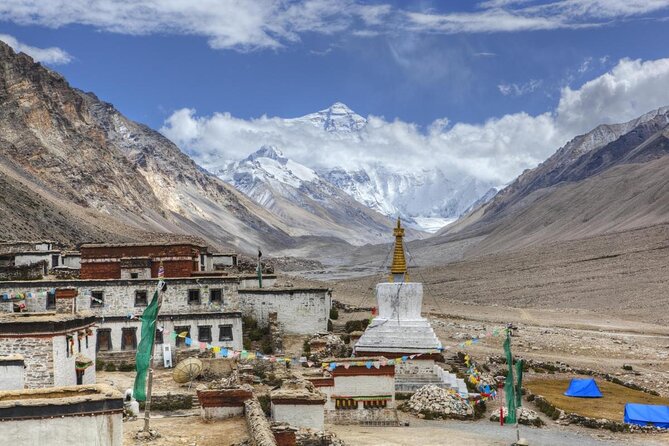
- Everest Base Camp access includes the Echo bus: you’re not left figuring out shuttles.
- Border-to-border support (Gyirong/Kyirong): guide helps with exit from China and drop-off at the border.
How the Lhasa to Kathmandu overland route actually feels
This is a true overland itinerary. You start in Lhasa, move through Shigatse and Gyantse, and then push toward Everest Base Camp before finishing at the Gyirong/Kyirong border area for the exit from China. The big value here is that you’re not stitching together five vendors—your transport, guide, permits, and core entry tickets are bundled.
You’ll also notice the itinerary is built around altitude steps, not just sightseeing. Lhasa comes first (your first acclimation buffer), then the route climbs with passes like Gampala (4790m), Gyatsola (5248m), and Gawula (5198m) on the way to Everest Base Camp. That means you’ll want a relaxed pace, good hydration habits, and patience when the air feels thin.
Finally, the ending is “border real-life,” not a dramatic finish. You’re assisted to exit China at the border, and then you can choose an extra jeep transfer to Kathmandu for an additional cost.
You can also read our reviews of more tours and experiences in Tibet.
Money matters: what $989 covers (and what you pay extra)
At $989 per person, the price isn’t cheap in absolute terms—but it’s more reasonable when you see what’s included. You get hotels (twin-sharing, typically 3-star) or guest-house dorm beds depending on where you sleep that night, airport/train station pickup in Lhasa, an English-speaking local guide, oxygen in the vehicle, and entrance tickets for the sites on the route, including Everest Base Camp Echo bus.
Permits are where this tour quietly earns its keep. It includes Tibet travel permit and other necessary permits, plus a visa invitation letter if needed. For many people, that alone is worth paying for, because it’s paperwork-heavy and timing-sensitive.
What you should plan for up front:
- Lunches and dinners are not included
- Single supplement is not included (you’ll pay extra if you want your own room)
- Your jeep to Kathmandu from the border is optional and costs extra
- Flights/train tickets to reach Lhasa are not included (though support is offered if you need help)
Lhasa start: airport pickup, first acclimation, and a welcome dinner
Day one is straightforward. You’re met at the Lhasa airport or train station, then transferred to your hotel in downtown Lhasa. Along the way, you’ll get those big river-and-valley views tied to the Yarlung Tsangpo region, which is a nice gentle way to ease into the scale of Tibet.
This is also your first real acclimation day. Don’t schedule intense heroics right away. If you can, keep walking light, hydrate, and let your body adjust before you start climbing into temples and palaces.
The tour includes one welcome dinner, which is a practical touch. It means you’re not scrambling to find a good first meal after travel and paperwork.
Potala Palace, Jokhang Temple, and Barkhor kora at human speed
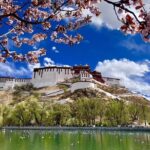
Day two is classic Lhasa, done in a focused order. You start at Potala Palace, described here as the winter palace of the Dalai Lama and tied to long historical use. Even when you’ve seen photos, the scale and the density of religious architecture feel different in person.
Next comes Jokhang Temple, one of Tibet’s core pilgrimage sites. You’ll also hear about its roots in the 7th century and the presence of a famous Buddha figure inside. After lunch, you’re in a great spot to understand why Lhasa is more than a sightseeing stop—it’s a living spiritual center.
Then you finish with Barkhor Street, where kora means moving with pilgrims and locals in a loop around the temple area. This is where you’ll feel the everyday side of Tibet: not just monks and monuments, but tea stops, small stalls, and the rhythm of people practicing their routine.
One practical note: entry tickets for Potala and Jokhang are not included in the day’s stop list, but the tour does state it includes entrance ticket fees for the sites listed in the itinerary. If a particular site charges more than expected on your date, ask your guide what’s already covered the moment you arrive.
Drepung and Sera: the best kind of monastery day
Day three is where many people slow down and pay attention. You start at Drepung Monastery, a major Gelug center with strong protective features and a setting outside central Lhasa. The time budget gives you space to look around without feeling like you’re sprinting.
Then the afternoon is built for a specific experience at Sera Monastery: monks’ debate. The schedule mentions the debate happens around 3 to 5 in the afternoon, and that timing is the whole point. If you’ve never seen Buddhist scholastic debate, it can feel surprisingly energetic—less like silent ceremony and more like structured argument done with discipline and rhythm.
If you’re photographing, consider taking a few minutes just to watch without a camera. The debate atmosphere is easier to appreciate when you’re not trying to capture every second.
The road to Shigatse and Gyantse: passes, prayer flags, and glacier stops
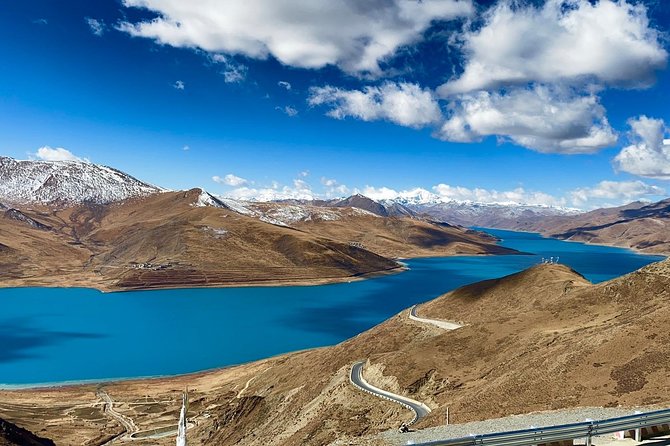
Day four is one of those travel days that can either feel long or feel fascinating, depending on your mindset. The big theme is altitude and scenery variety. You’ll drive from Lhasa toward Shigatse and enjoy Yamdrok Yumtso Lake at around 4400m along the way. It’s a visible reminder that Tibet’s big water isn’t flat or tame—it sits under snow-capped backdrops and mountain air.
You then pass through high passes like Gampala (4790m) and make stops that break the drive into smaller chapters. The route includes time near the Karo La Glacier, plus a chance at Simila Mountain Pass to hang prayer flags around Manak Dam Lake.
And then you reach Gyantse, historically described as Tibet’s third largest city. Gyantse is often less crowded than Lhasa and sometimes feels more local. Even if you only spend part of the day there, it gives your itinerary a second personality.
Shigatse, Tashilunpo, and the permit moment before Everest
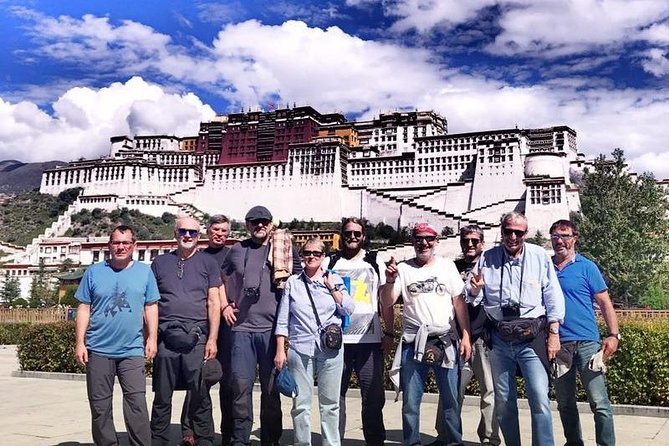
Day five starts with Tashilunpo Monastery in Shigatse, described as the home of the Panchen Lama. This stop rounds out the Gelug connection across your week. It’s a different feel from Lhasa’s temples: more compact, more lived-in, and less like a single concentrated highlight zone.
Then comes a moment that matters for your mental map: you’re told the group gets an Alien’s travel permit before leaving Shigatse. You don’t need to understand the paperwork details; you just need to know that it’s part of keeping the next high-altitude leg legal and smooth.
From there, you drive toward Lhatse for lunch, then the big shift: Everest Base Camp. The route threads through high passes like Tsola Pass (4600m) and Gyatsola Pass (5248m), with viewpoints near Gawula Pass (5198m) once you enter the Everest National Nature Reserve area.
Altitude tip that’s worth repeating: on these roads, you may feel fine in the morning and tired later. Don’t interpret fatigue as failure. Just take slow breaks, keep sipping water, and let the guide’s timing work for you.
Everest Base Camp day: what’s included, and what to watch for
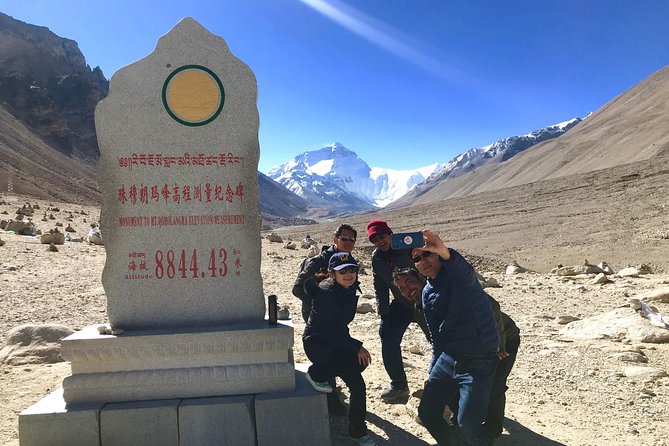
The tour includes entrance ticket fees for the Everest Base Camp segment and the Echo bus. That’s an important inclusion because the “last-mile” access can be confusing for DIY travelers. With this tour, you can focus on your own breathing and footing.
You’ll likely have a mix of:
- time for photos and views
- time to walk around the base camp area
- time to adjust to the oxygen-thin air
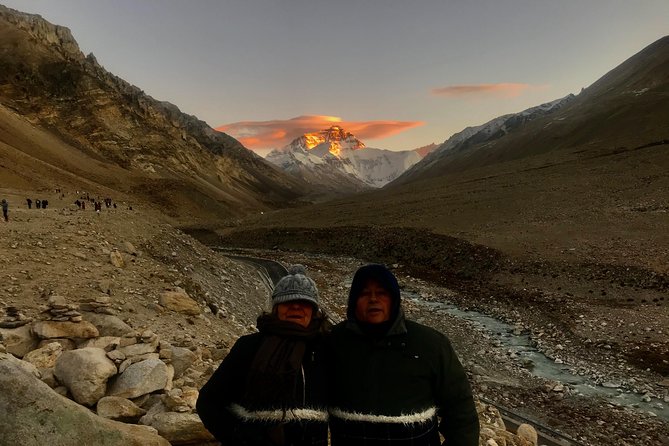
What you should plan for: this day is often weather-dependent. If clouds sit low, you’ll still see the zone, but views can be muted. If the day is clear, you’ll feel how the Himalaya dominates distance and scale.
Also, remember that you’re not just visiting Everest Base Camp as a viewpoint. The drive to get there is part of the experience: high passes, long views, and a sense of remoteness that builds as you go.
Rongbuk sunrise option and the drive down toward Kyirong
Day six is a split mood day. In the morning, you have an optional sunrise chance near Rongbuk if weather permits, from the lodging area. After that, you visit Rongbuk Monastery, highlighted as the highest monastery with monks and nuns living together.
Even if you skip sunrise, Rongbuk is still worth it. It has that quiet “edge-of-the-world” feel that fits the Everest region. And because it’s a monastery, the experience is more than just a photo stop—it’s a place where people live their routines in extreme altitude.
Then you shift into the long drive toward Kyirong border (the route mentions reaching Kyirong late afternoon). Along the way, you can see Mt. Shishapangma and Pekutso Lake, plus a scenic change as you descend—forest and waterfall scenery are mentioned as different from the snowland vibe.
This “downhill day” can still be tiring. Descending doesn’t automatically mean easy. Roads can be rough, and you’ll be moving all day.
Border day: leaving China and the Kathmandu jeep choice
Day seven is about getting you through the exit process smoothly. Your guide assists you to exit China and sees you off at the Gyirong border. The service ends there.
Then comes the fork in the road: you can choose to take a jeep transfer to Kathmandu for an additional cost (listed as US$60). If you’re trying to keep this trip feeling seamless, you’ll likely want that option—because border time and onward travel can be messy without support.
If you do choose the jeep, plan for a long day after altitude weeks. Keep your phone charged, bring layers, and don’t expect a relaxed transfer. You’re moving from high-altitude trekking energy into Nepal’s different rhythm.
Guides and drivers: why the small-group vibe matters
This tour is built for the long haul, and that’s where guide quality shows up. In the feedback you’ll find repeated praise for guides such as Lobsang, Lhakpa, and Lhatse Tenzin—often for being informative and making the days feel safe and comfortable. Some guides also add human touches beyond strict talking points, like helping people find local spots or bringing light humor into the ride.
The driver partnership also gets credit in feedback, with names like Ihakpa and Sangye/Sangyue showing up for caring, careful driving. On these routes, that matters. You don’t want speed; you want smooth turns, steady stops, and someone who anticipates altitude and road conditions.
So yes, you’re paying for logistics. But you’re also paying for how the week feels—whether it’s stressful or calm.
Who this tour is best for (and who should look elsewhere)
You’ll probably love this if you want:
- a guided Lhasa introduction with the big spiritual sites
- a realistic overland path that includes Shigatse, Gyantse, and Everest Base Camp
- help with Tibet permits and the usual paperwork headaches
- a small-group setting where the guide can manage the day without chaos
This might not be for you if:
- you want full freedom to change stops day-by-day (the route is set)
- you hate long drives and prefer a train/flight-heavy itinerary
- you’re on a tight schedule for meals (lunches and dinners aren’t included)
Should you book this Lhasa to Kathmandu overland tour?
If you want a structured, high-comfort way to link Lhasa to Everest Base Camp to the Nepal border, I think this is a strong choice. The value isn’t just hotels and transport—it’s that permits are handled, oxygen is provided, and the itinerary hits the key cultural anchors without stretching into 10+ days.
Before you book, do two simple things:
1) Budget for meals you’ll buy yourself on the road.
2) Be honest about altitude. If you’re cautious, plan to move slowly on the early days and lean on the oxygen support.
If those boxes work for you, this tour is a practical route with enough culture in Lhasa and enough high-mountain payoff near Everest to feel like a real journey, not just a checklist.
FAQ
What’s included in the tour price?
The tour price includes Tibet travel permits and other necessary permits, transportation by comfortable van or minibus with an experienced local driver, an English-speaking local Tibetan guide, oxygen provided in the vehicle, drinking water during the trip, hotel pickup and drop-off in Lhasa, accommodations (twin-sharing unless you pay a single supplement), entrance ticket fees for the listed sites including Everest Base Camp Echo bus, and breakfasts.
What’s not included?
Lunches and dinners are not included. Also not included are the Nepal jeep transfer from the Gyirong border to Kathmandu, the single supplement, and your flight/train ticket to reach Lhasa (the operator can help if you need it).
Do I get picked up from the airport or train station in Lhasa?
Yes. The tour includes pick up and drop off in Lhasa on the designated time.
Is oxygen provided for altitude?
Yes. Oxygen is provided in the tourist vehicle, along with an oxygen tank mentioned for the trip.
What are the main sights covered in Lhasa?
The Lhasa portion includes Potala Palace, Jokhang Temple, Barkhor Street, Drepung Monastery, and Sera Monastery (including the monks’ debate in the afternoon).
Can I continue from the border to Kathmandu by jeep?
Yes. After you reach the Gyirong border, you can arrange a jeep transfer to Kathmandu for an additional cost listed as US$60. It’s not included in the base package.
What’s the cancellation window for a full refund?
You can cancel up to 6 days in advance of the experience for a full refund (and the cutoff is based on the experience’s local time). Different refund percentages apply if you cancel closer in.