REVIEW · SHIMLA
Shimla: Wildlife Sanctuary & Water Catchment Guided Tour
Book on GetYourGuide →Operated by Wonders of Himalaya · Bookable on GetYourGuide
A quiet forest system powers Shimla. This guided tour takes you into the Water Catchment & Wildlife Sanctuary, where off-road paths and mountain air feel a world away from the city’s noise.
What I like is that the experience mixes practical nature watching with how Shimla gets its water. You also get options for how you move through the forest, including bike time for the most fun kind of rough-and-ready scenery.
My favorite part is how the guide turns a simple hike into a story you can actually use: Raghav’s explanations of Shimla’s history and the sanctuary’s fauna and flora, and Pawan’s careful, calming approach that keeps the day running smoothly. I also really enjoy the chance to get away from crowds and still see the preserved forest up close.
One thing to plan for: wildlife sightings are never guaranteed. The sanctuary’s goal is protection first, so the best experience may be what you notice in trees, streams, and bird calls rather than a dramatic animal encounter.
In This Review
- Key highlights worth choosing this tour
- Why Shimla’s Water Catchment Forest Feels Like a Reset
- Bike, E-Rickshaw, or Guided Walk: Pick Your Comfort Level
- Entering the Sanctuary: Trails, Streams, and the Big Picture
- The Seog Water Tank Break: Where History Becomes Tangible
- Wildlife Watching Without Forcing It
- Guides Make the Difference: Raghav and Pawan’s Styles
- Pace and Practical Timing: 4–5 Hours That Don’t Drag
- Price and Value: Why $26 Can Make Sense Here
- Who This Tour Fits (and Who Should Skip It)
- When to Go: The Best Seasons and Daily Hours
- Should You Book the Shimla Water Catchment & Wildlife Sanctuary Tour?
- FAQ
- How long is the Shimla Water Catchment & Wildlife Sanctuary tour?
- What’s included in the price?
- What should I bring?
- Are there rules I need to follow during the tour?
- When is the sanctuary open for visitors?
- Is this tour suitable for everyone?
Key highlights worth choosing this tour
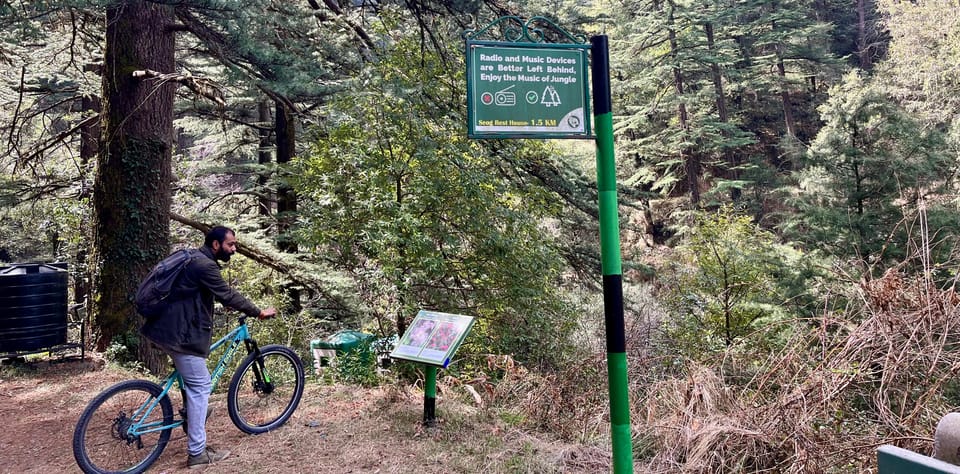
- Off-road cycling through forest paths that feel different from city rides
- Water catchment history that explains how the system served Shimla during the British era
- Guided walking trails that are described as scenic and not overly strenuous
- Seog Water Tank break with a chance to rest while learning how water gets filtered and delivered
- Wildlife sanctuary rules that keep the focus on nature and animal well-being
- Private group format, so the pace and route can fit your chosen option
Why Shimla’s Water Catchment Forest Feels Like a Reset
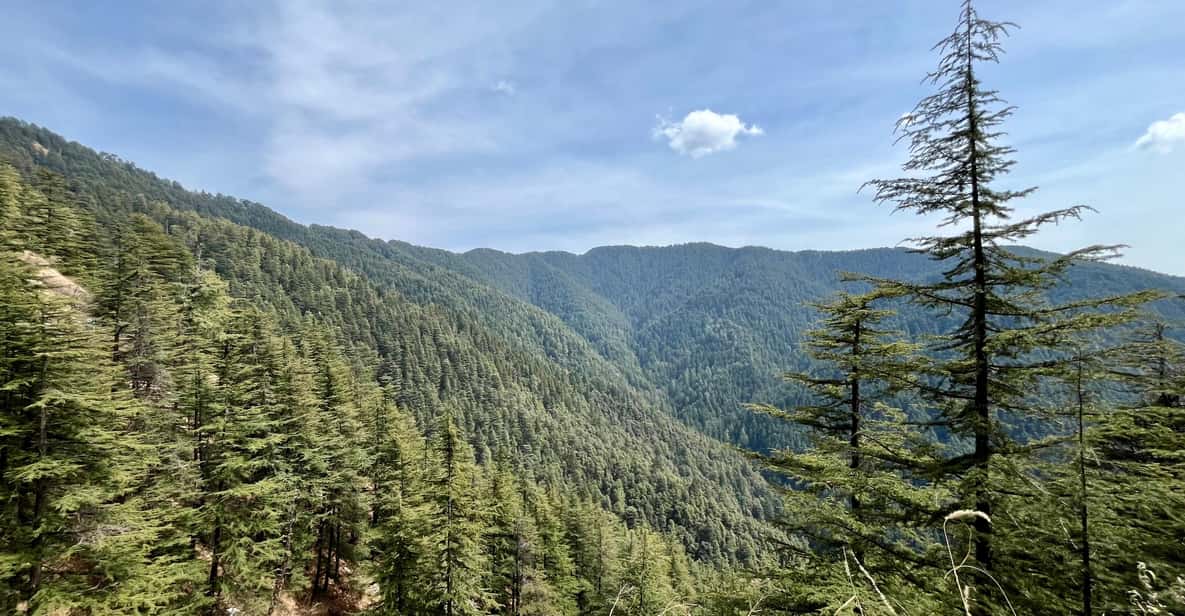
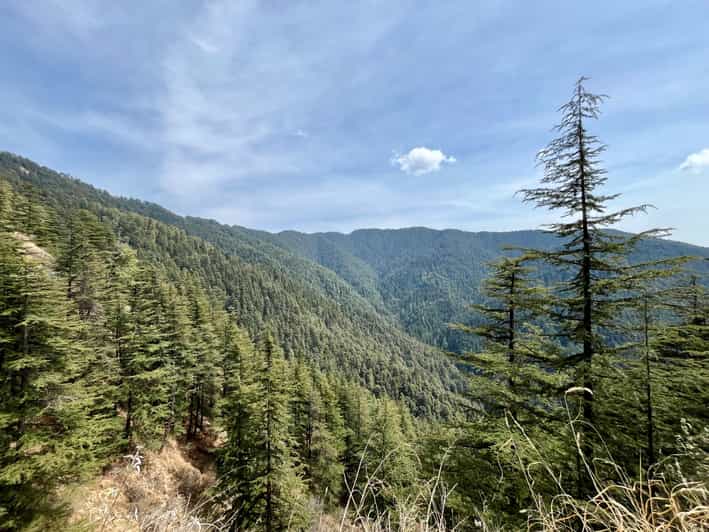
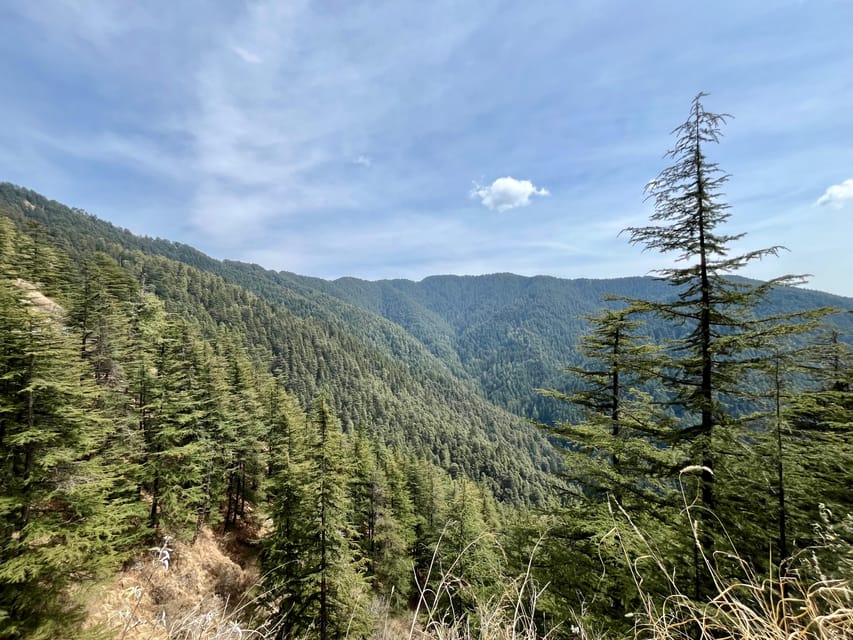
Shimla can be crowded in a hurry. This tour offers a fast escape into preserved nature, at elevations roughly 1,900–2,620 meters, where the air feels cooler and the route feels calmer. You’re not chasing a checklist of city sights. Instead, you’re walking and riding through a living system that has been managed for water and wildlife protection.
What makes it interesting is that the sanctuary isn’t just “pretty forest.” It’s tied to how the city survives. During the British era, Shimla’s water supply used steam pumps, and there’s a large tank built more than 100 years ago to store stream water during rains for later use. That means you’ll likely notice the sanctuary as infrastructure and habitat at the same time.
There’s also a sense of space. The sanctuary covers 10.25 square kilometers, has no zoning, and receives about 1,600 mm of rainfall each year. In other words, this is a real working patch of mountain environment, not a fenced-off photo stop.
You can also read our reviews of more guided tours in Shimla



Bike, E-Rickshaw, or Guided Walk: Pick Your Comfort Level
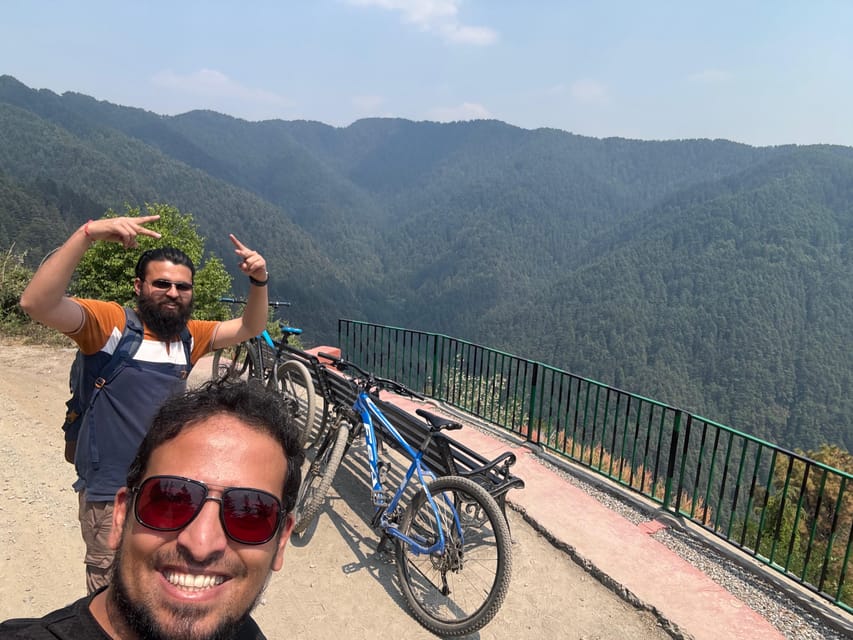
You can do this tour in a few ways, and that choice matters because it changes the mood of the day.
- Bicycle option: This is the one people seem most excited about. The paths include off-road sections through greenery, and the ride is framed as one of the best bicycle experiences in Shimla. If you like moving under tree cover, the bike option is the most fun way to cover ground in 4–5 hours.
- E-rickshaw option: If you want less physical effort while still seeing the sanctuary route, the e-rickshaw adds a smooth, low-stress pace. It’s also a smart pick for anyone who wants the guided nature context without working up a sweat.
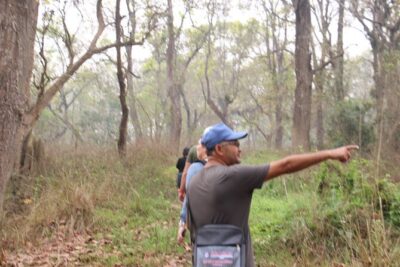
- Guided walk option: A walk tour works well if you’d rather take your time looking closely at leaves, herbs, and stream edges. Some guides keep the route gentle, and the walking described here is more about steady, scenic forest time than steep climbing.
Since this is a private group, you’re not stuck with the loudest pace or the slowest pace. You choose the option, then you spend the day with a local guide and permission to enter the sanctuary.
Entering the Sanctuary: Trails, Streams, and the Big Picture
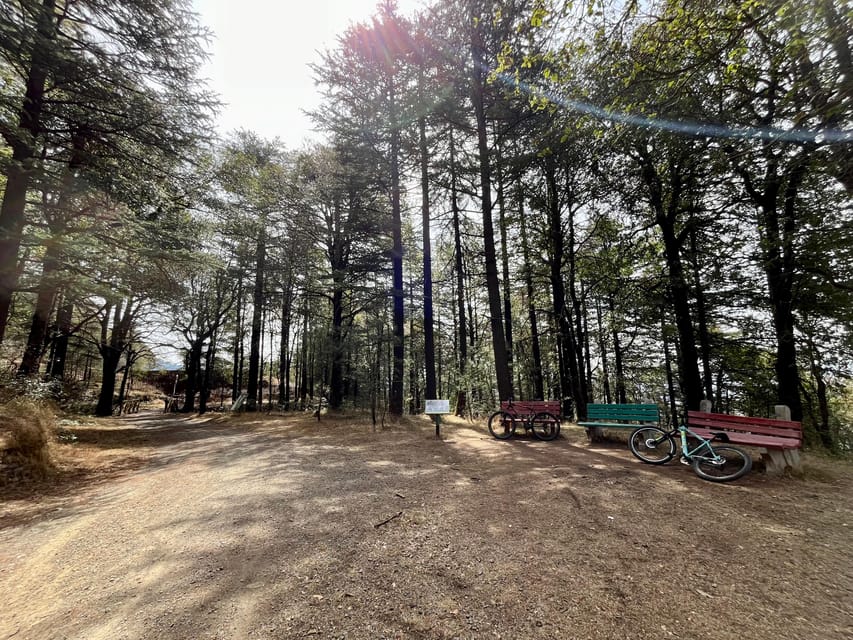
The sanctuary sits within a network of streams and forest corridors. It has 25 perennial streams, with major ones named God Ki Nala and Churat Nala. You don’t have to memorize the names to enjoy the effect. When a place is rich in year-round water, the vegetation tends to feel dense and active, and you’ll keep seeing fresh green along the way.
Another detail worth knowing: the sanctuary connects to the Chail Sanctuary through a forest corridor to the south. That corridor idea helps you understand why the sanctuary matters beyond one afternoon. Animals, birds, and plants rely on these connected patches of habitat.
Also, the sanctuary surrounds Charabara Village on three sides. So you’re not walking through a “wilderness bubble.” You’re moving through a living landscape where community edges meet protected land.
At around 10:00–16:00 visiting hours from Tuesday to Sunday, this tour is best when the daylight is working for you. Plan for a cool mountain day: you’ll want warm clothing even when Shimla feels mild earlier in the morning.
The Seog Water Tank Break: Where History Becomes Tangible
The tour includes a stop at the Seog Water Tank, timed as a break during your route. This is more than a pause. It’s where the day shifts from pure nature-watching into water-system understanding.
You’re looking at a setup designed to store stream water during rainy periods and then use it later to supply the city. A large tank built over a century ago supported that approach, and during the British era, steam pumps were part of the unique water delivery system.
The takeaway for you is simple: this sanctuary is tied to human survival, but it’s also protected enough to preserve animals and plant life. When your guide explains the catchment method, it clicks. You start seeing the forest as part of a water filter—streams, soils, and vegetation all working together—rather than as scenery you pass through.
And because the stop is scheduled as a break, you can use the time for snacks and photos, then head back out without feeling rushed.
Wildlife Watching Without Forcing It

This sanctuary is a protection-first place. The rules are strict, and that shapes the wildlife experience. You’re not meant to chase animals, make noise, or treat sightings like a performance. Instead, the goal is to let wildlife live naturally.
So here’s the honest expectation to carry with you: you might not see wildlife clearly, and that’s not a failure of the tour. The best “wildlife watching” here can be indirect—learning what kinds of trees, herbs, and natural spaces support animals, and noticing signs of life through the quiet patterns of the forest.
The tour’s structure also supports that approach. By having you walk and bike along access points with a local guide and permit, you’re staying in the safer rhythm of a protected area. That’s why the day feels peaceful, even when wildlife sightings don’t turn into a dramatic moment.
If your goal is guaranteed animal encounters, this isn’t that style of sanctuary tour. If your goal is respectful nature time with real context, you’ll likely feel satisfied.


Guides Make the Difference: Raghav and Pawan’s Styles
A private guided tour lives or dies on the person leading it. Here, the quality seems to come through in two ways.
First, guides share local explanations that connect ecology to daily life. One guide, Raghav, is noted for making Shimla history and the sanctuary’s fauna and flora feel understandable. You don’t just hear names. You learn why the place matters and how water catchment links to the forest.
Second, the best guides manage the day with care. Pawan is described as checking in ahead of time, confirming pickup location, and handling mobility considerations when needed. That kind of planning matters because mountain timing can get tricky. When you know you’ll be picked up and not left guessing, you relax sooner.
For you, that means less scrambling, more time observing. It also helps if you’re choosing between bike, e-rickshaw, or a walk. The guide can steer you toward what fits your comfort.
Pace and Practical Timing: 4–5 Hours That Don’t Drag
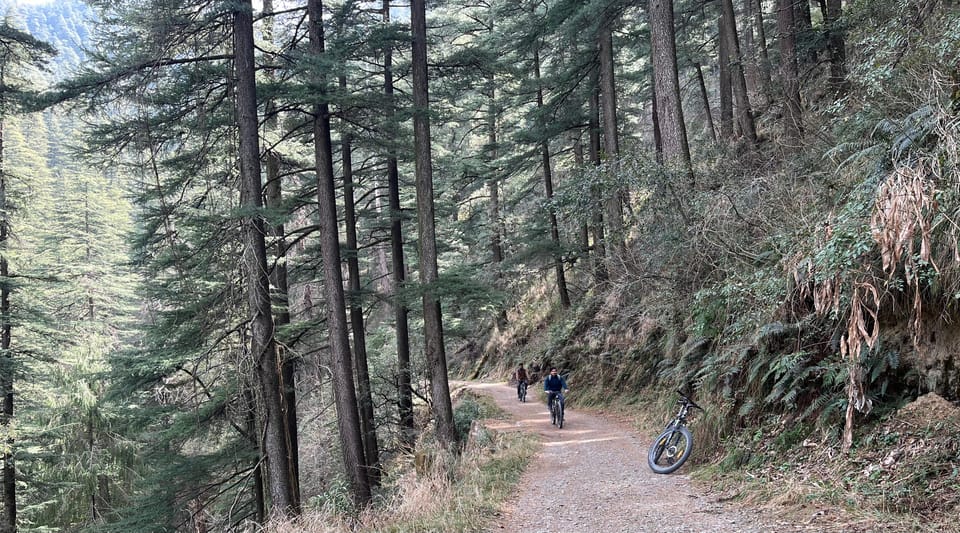
This tour is designed around a short, complete loop. You’ll typically start in Shimla, then head into the sanctuary for around one hour of hiking or biking, take a one-hour break at the water tank area, and then return for about one more hour of forest time before coming back to Shimla.
That structure is helpful for a few reasons:
- It keeps the day focused, so you don’t feel trapped in a long excursion.
- It balances movement and rest, especially if you choose the bike option.
- It gives you time to absorb the guide’s explanations without rushing through them.
You’ll also want to match your clothing and shoe choice to the terrain. Even with e-rickshaw options available, comfortable shoes are still a must. Bring warm layers, because mountain weather shifts fast.
Price and Value: Why $26 Can Make Sense Here
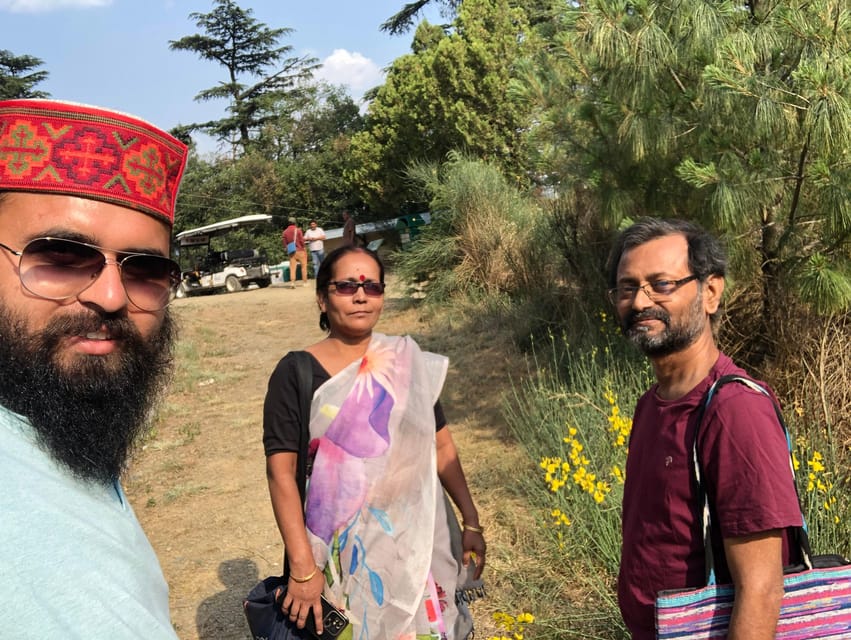
At about $26 per person, the value looks strong when you add up what’s included.
You’re getting:
- a private local guide
- pickup and drop from a centrally located hotel in Shimla
- a permit to enter the sanctuary
- access to hiking trails
- and the transport choice (bicycle hire or e-rickshaw ticket or guided walk)
For many tours, the transport + guide time alone costs more than this. Here, the permit and trail access are folded in, which matters because a sanctuary isn’t the same as a casual park stroll. Also, the private format keeps you from getting stuck with a mismatched pace.
Is it cheap? Not “budget bargain” cheap. But it’s reasonable for what you get: a guided nature day with specific local context, respectful wildlife rules, and multiple ways to experience the forest.
Who This Tour Fits (and Who Should Skip It)
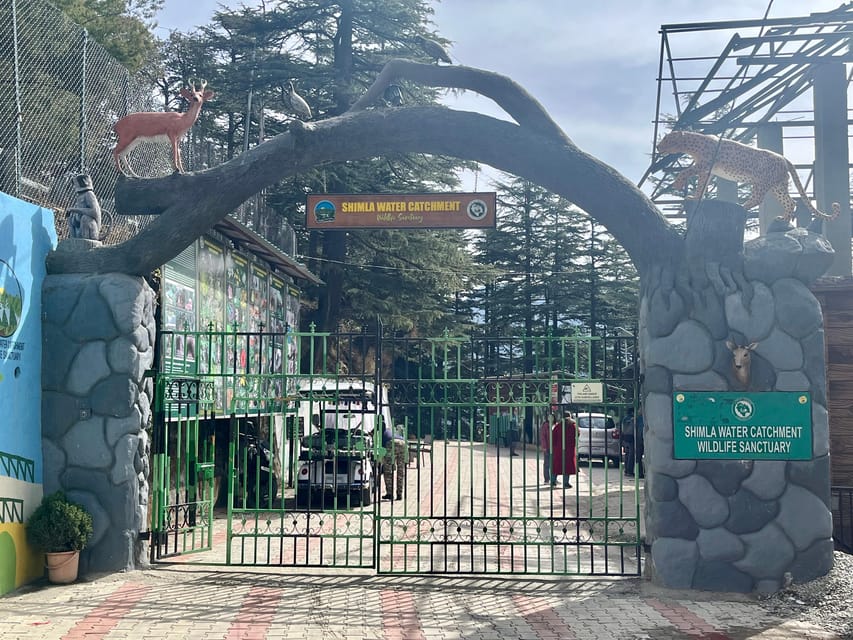
This is a great choice if you want:
- a quieter escape from Shimla crowds
- a nature-focused half-day with real local knowledge
- an option-friendly day (bike, e-rickshaw, or walk)
- peaceful forest time where wildlife protection comes first
It’s likely not a fit if you’re:
- pregnant
- dealing with back problems
- expecting a hard, strenuous trek. The hiking described here is presented as scenic rather than punishing, but physical comfort still matters.
If you’re traveling with mixed energy levels in your group, private tour design helps. You can choose the format that fits you best, and you’re not forced into one experience for everyone.
When to Go: The Best Seasons and Daily Hours
Timing affects comfort more than you might think in the hills.
- Best visiting times: winter months (October–November) or April to mid-June (summer)
- The sanctuary is closed on Mondays
- Visiting hours are Tuesday to Sunday, 10:00 to 16:00
Try not to plan this on a Monday if you want it on your schedule. And if you’re visiting in cooler months, warm clothing matters even if the morning starts sunny.
Should You Book the Shimla Water Catchment & Wildlife Sanctuary Tour?
Book it if you want a meaningful nature break in Shimla—one that explains how the forest supports the city’s water and invites you to enjoy wildlife protection rather than force sightings. The private guide, sanctuary permit, and the option to bike or ride make it flexible for different comfort levels, and the day’s 4–5 hour structure keeps it easy to fit.
Skip it if you need guaranteed wildlife encounters, or if your body isn’t comfortable with the walking involved. Also, if you’re traveling on a Monday, you’ll need a backup plan since the sanctuary is closed.
If you want quiet, learning, and a good chance to feel the forest up close, this is a solid pick for your Shimla stay.
FAQ
How long is the Shimla Water Catchment & Wildlife Sanctuary tour?
The tour runs about 4–5 hours, depending on the start time and your chosen option.
What’s included in the price?
The tour includes a private local guide, hotel pickup and drop from central Shimla, a permit to enter the sanctuary, access to hiking trails, and bicycle hire or an e-rickshaw ticket or a guided walk (based on the option you choose).
What should I bring?
Bring comfortable shoes, warm clothing, a camera, and also food, snacks, and water.
Are there rules I need to follow during the tour?
Yes. Pets are not allowed, and smoking, alcohol and drugs, littering, fireworks, making noise, and party groups are not allowed.
When is the sanctuary open for visitors?
It is closed on Mondays. Tuesday to Sunday it is open from 10:00 to 16:00.
Is this tour suitable for everyone?
It is not suitable for pregnant women and people with back problems. If you have mobility concerns, ask about the best option for your comfort (bike, e-rickshaw, or guided walk).