REVIEW · SHIMLA
Shimla: Guided Walk Tour-Heritage, Culture & Colonial Trail
Book on GetYourGuide →Operated by Wonders of Himalaya · Bookable on GetYourGuide
A Shimla walk that reads like a map. This Heritage, Culture & Colonial Trail takes you from Christ Church toward Indian Institute of Advanced Study (IIAS) with a local guide who ties each stop to how Shimla actually grew. It’s an easy way to connect architecture to the people and politics that shaped this hill station.
What I like most is the storytelling built around real locations, not just photo ops. You’ll get British-era context alongside local details, and guides like Preeti, Pawan, Raghav, and Sunni have a knack for making the changes across time feel understandable. The pacing also works for a two-hour plan, with short walks between highlights like the Ridge and Scandal Point.
One consideration: the route has slopes. You may notice some uphill segments, and after recent snow it can be slippery, so wear grippy shoes. Also, the final stop area has a Monday closure catch (Viceregal Lodge remains closed on Mondays), and entry/monument fees aren’t included.
In This Review
- Key highlights that matter
- Why this Shimla heritage walk is a smart use of 2 hours
- Entering the tour at Christ Church: neo-Gothic and still active
- The Ridge and Scandal Point: your quick orientation plus story beats
- Bantony Castle and Kali Bari Temple: one walk, two worlds
- Railway Board Building and Gorton Castle: the machinery of power
- HP Vidhan Sabha and The Oberoi Cecil: governance and hospitality in one line
- All India Radio and the shift into modern public life
- Finishing at IIAS (Viceregal Lodge): a calm ending with a Monday rule
- Price and logistics: what $16 covers (and what it doesn’t)
- Who this tour suits best in Shimla
- Should you book the Shimla Heritage, Culture & Colonial Trail?
- FAQ
- Where does the tour start and where does it end?
- How long is the walking tour?
- Is this tour private or shared?
- What languages does the guide speak?
- What is included in the price?
- Are monument fees or entry tickets included?
- Is there hotel pickup or transportation provided?
- What happens on Mondays at the end of the tour?
Key highlights that matter
- Christ Church start: neo-Gothic details like stained glass and organs you can still see in use
- Ridge + Scandal Point: quick walk segments tied to how Shimla functioned day to day
- A true mix of stops: castles, temples, and government buildings in one continuous walk
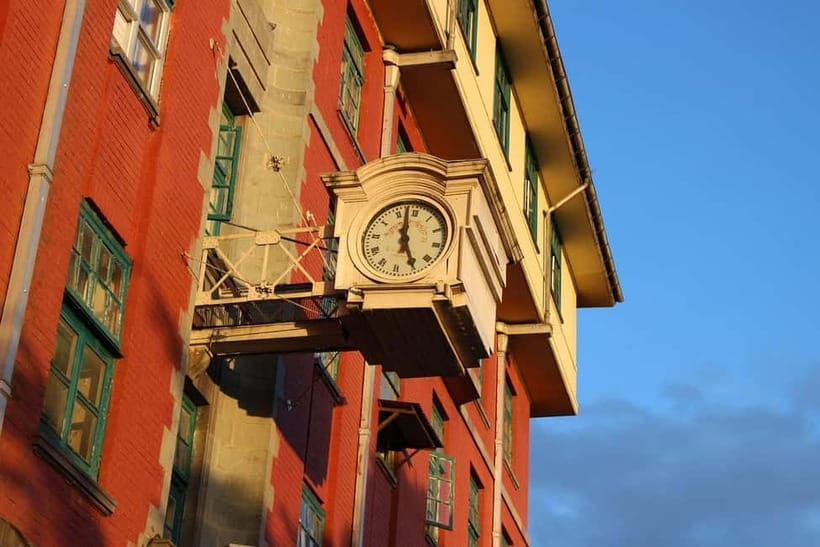
- Stops tied to governance: Railway Board Building, HP Vidhan Sabha, and more
- IIAS finish: a calm ending point with major British-era legacy, with a Monday limitation
- Guides speak your language and culture: English, Hindi, plus local Pahari support
Why this Shimla heritage walk is a smart use of 2 hours
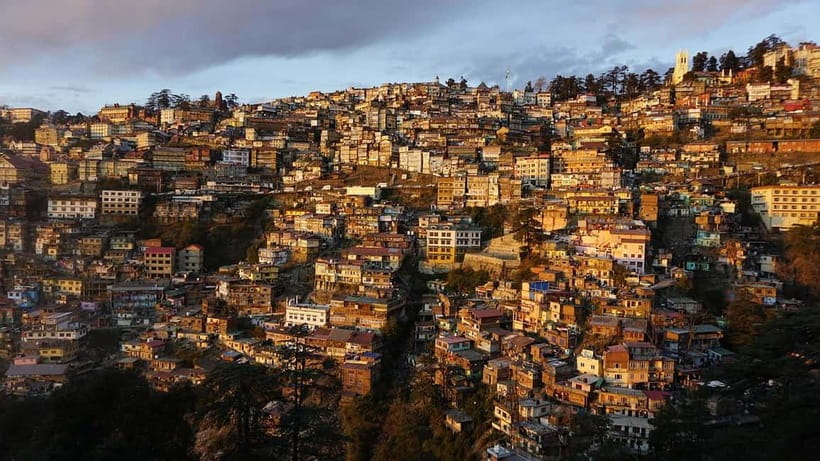
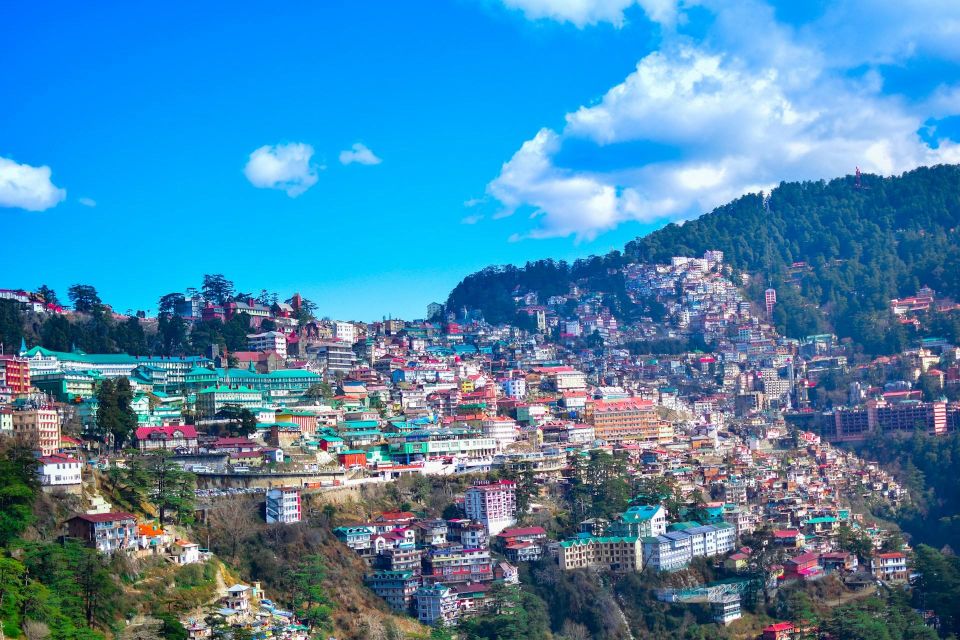
Shimla can feel spread out, especially if you only have a day or two. This tour is designed around a walk-first route from Christ Church to IIAS, so you don’t spend your limited time figuring out what’s where. At about 2 hours, it’s short enough to pair with other activities the same day, but long enough to feel like you learned something.
For $16 per person, the big value is the human layer. You’re not just looking at buildings; you’re getting guided interpretation from someone rooted in Himachal Pradesh. That matters in Shimla, where colonial architecture sits next to temples, radio stations, hotels, and government spaces. Without a guide, it’s easy to see the exterior and miss the “why” behind the design.
This is also a practical private-group setup. You can ask questions as you go, and the guide can pace the walk to your comfort level. Recent guests have praised guides for being friendly, on-time, and patient when the slope gets tiring, which is exactly what you want on a hill station walk.
Price isn’t the only part of value, though. The tour doesn’t include transportation, meals, or monument/entry fees, so think of the ticket as paying for the guided walk and local explanations, not for admission costs. That keeps it flexible, but you may still want a little cash for any on-site fees.
You can also read our reviews of more walking tours in Shimla



Entering the tour at Christ Church: neo-Gothic and still active
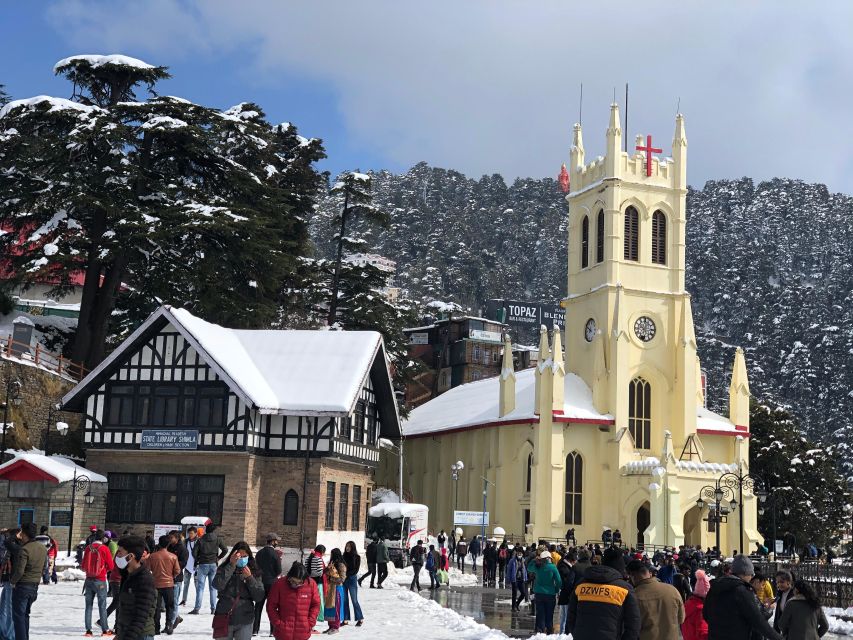
You start at Christ Church, Shimla, a neo-Gothic church that’s a strong anchor for this whole colonial trail. The most useful thing here is context: the guide can explain why this kind of institution landed here, and how Shimla’s identity formed around British administration and settlement.
If you’re the type who notices details, Christ Church is worth your attention. One of the best-described features is the stained-glass look and the fact that organs are still in use. Even if you don’t go inside, the building gives you something concrete to connect to later stops.
Practical tip: arrive with a bit of time to settle in. Starting at a landmark like Christ Church is straightforward, but Shimla’s streets can be confusing for first-time navigation. A guide-led start means you begin the story on the right page.
The Ridge and Scandal Point: your quick orientation plus story beats
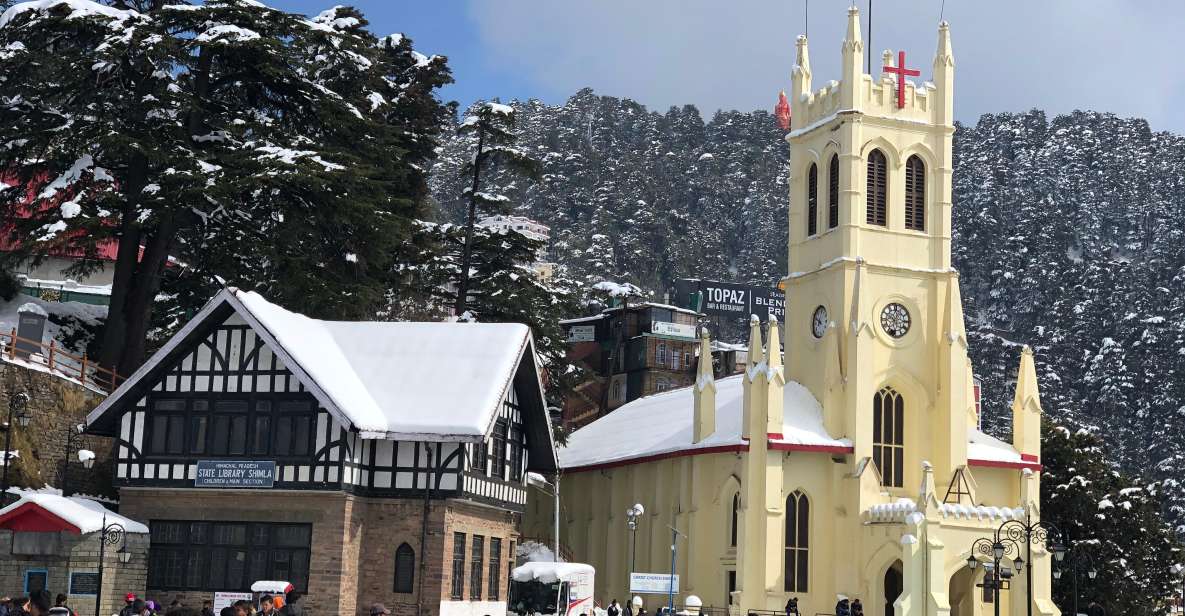
From Christ Church, the next stretch takes you onto the Ridge. This is where Shimla’s energy and identity become visible. The Ridge is also a useful orientation point for you. As the walk continues, you’ll start recognizing how the town’s layout supports viewpoints and public gatherings.
The tour then moves to Scandal Point. The name sounds dramatic, and that’s part of what a good guide helps with: making the location feel less like a quirky label and more like a functional part of colonial-era Shimla life. You’ll learn what happened here, what it meant, and why it appears in stories about the town’s social world.
A small but real advantage: the Ridge-to-Scandal segments are only short walks. That means you spend more time listening and less time on travel legs, which is the ideal mix for a two-hour heritage tour.
Bantony Castle and Kali Bari Temple: one walk, two worlds
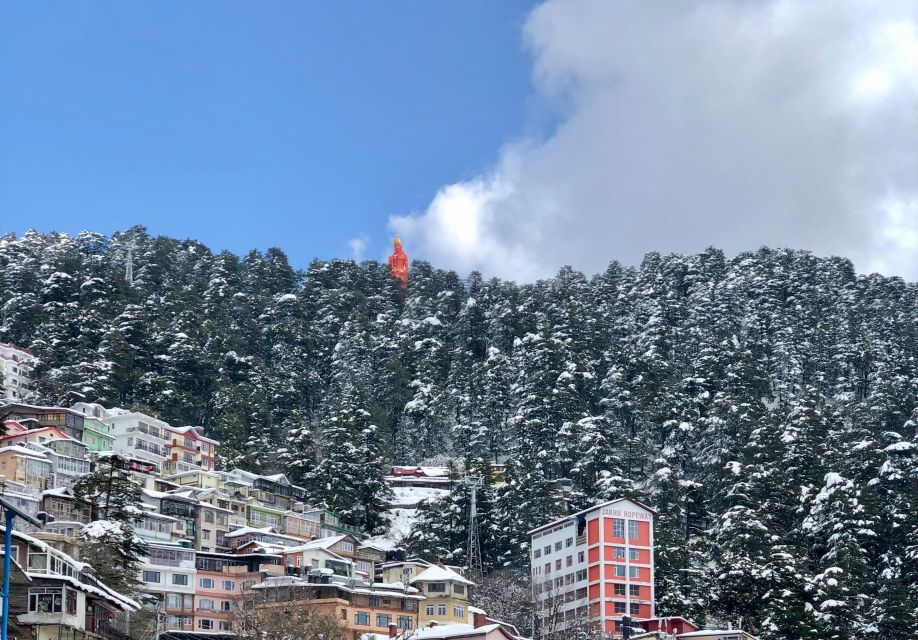
Next up are the stops that make this tour feel uniquely Shimla.
Bantony Castle gives you the “castle” look people imagine for colonial hill stations—architecture that signals status and administration. The guide’s job here is to connect form to function: why buildings like this appear, and how they fit into the British plan for the town.
Then you pivot to Kali Bari Temple, Shimla. This shift is the point. You’re moving from colonial-style structures into a living religious site, and the contrast helps you understand how Shimla is not just a British postcard. It’s a place where different eras and communities overlap.
If you like photo-taking, this is where you’ll likely slow down. Just be respectful around temple areas. Keep your pace steady, and let the guide handle where it’s best to stand and look.
Railway Board Building and Gorton Castle: the machinery of power
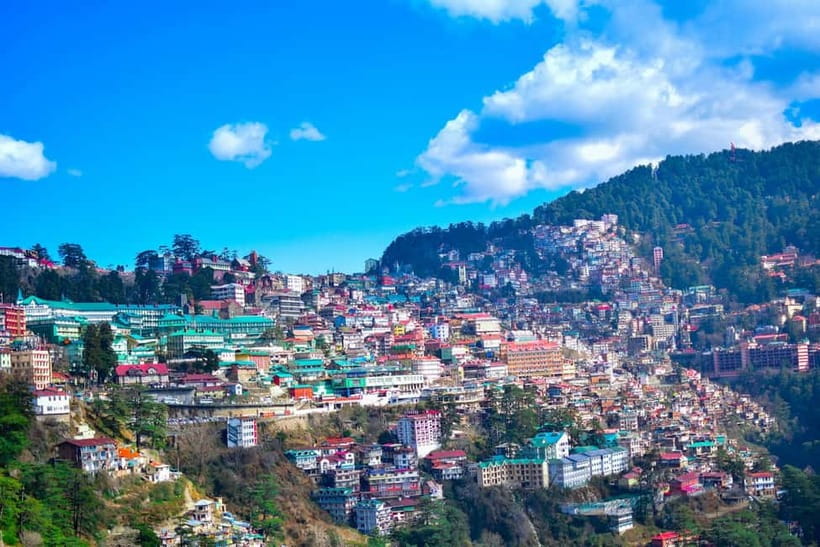
Now the walk gets more administrative—and more interesting if you’re even slightly into how governments work through buildings.
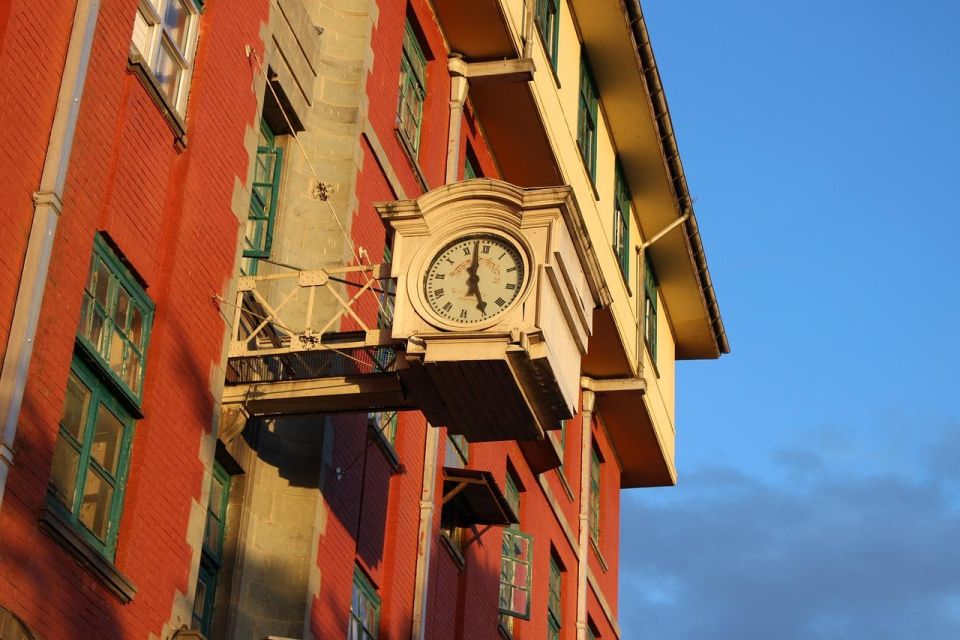
The Railway Board Building is one of the key stops because it ties Shimla’s prominence to the wider systems of British-era governance. Even without an internal tour, the building’s exterior presence signals importance. A guide helps you read that signal correctly, instead of treating it as just another facade.
Then comes Gorton Castle. Castles aren’t just romantic. In this context, they represent planning, oversight, and the way officials organized life in a hill station. Again, what makes this stop work is the explanation: you’ll learn what the building represented, and how it fits into the trail’s theme.
If you’re worried the tour will be too architectural and not human, don’t be. Guides often add local gossip-type details—small bits of how people talk about these places—so the walk feels alive rather than like a worksheet.
You can also read our reviews of more guided tours in Shimla


HP Vidhan Sabha and The Oberoi Cecil: governance and hospitality in one line
The tour includes HP Vidhan Sabha. You don’t just see a government building—you learn how the political story evolved, and how this kind of institution continues to shape Shimla’s modern identity. It’s a useful reality check after the colonial-era stops: things changed, but the town’s role as an administrative center didn’t vanish.
After that, there’s The Oberoi Cecil, Shimla. Hotels in heritage towns often act like living museums—places where history becomes part of everyday visibility. This stop is brief, but it helps you connect the earlier British presence to what Shimla became over time: a place that hosted elites, travelers, and official visitors.
All India Radio and the shift into modern public life
A surprisingly fun stop is All India Radio (Radio Station) – Shimla District. Radio matters because it’s public communication—another way power and culture travel. With a guide, this isn’t just a stop on a map. It becomes part of the story of how Shimla stayed connected to the rest of India.
This is also where you’ll likely appreciate the guide’s language skills. The tour provides local English, Hindi, and Pahari speaking support, and the live guide works in English and Hindi. That’s a big deal when you want clear explanations rather than simplified summaries.
Finishing at IIAS (Viceregal Lodge): a calm ending with a Monday rule
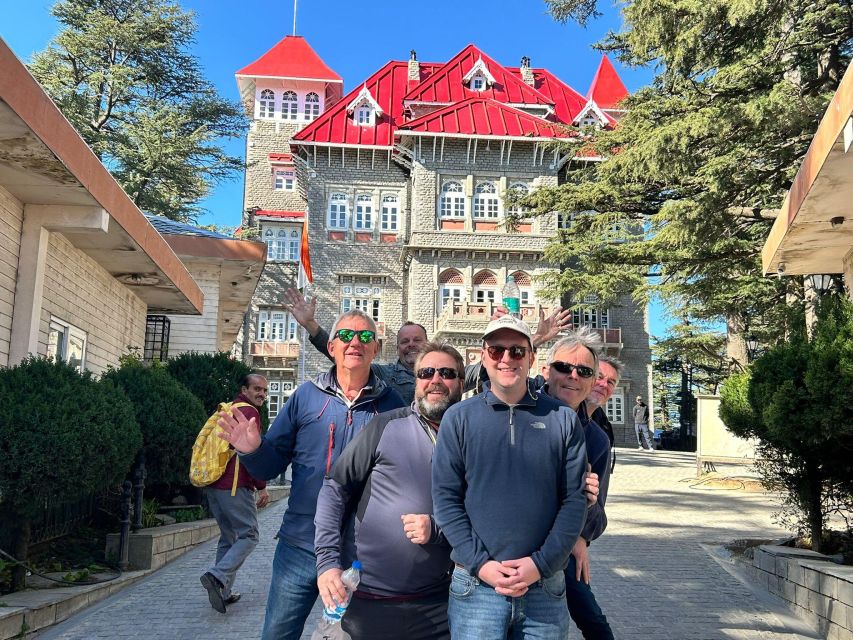
The walk finishes at Indian Institute of Advanced Study (IIAS), Shimla. Practically, it’s a satisfying end because it’s the kind of place that feels like it belongs at the end of a colonial trail. Historically, this is connected to the British-era legacy around Shimla’s top officials.
The tone also matters. Reviews describe the ending as peaceful, and guides have helped guests make the most of the final viewpoint and architecture without turning it into a rushed sprint.
Two planning notes for your day:
- Monday closure: Viceregal Lodge remains closed on all Mondays. If your trip lands on a Monday, you’ll still arrive at IIAS, but plan for a different experience around the Lodge area.
- Walking effort near the end: the finish can involve extra effort. Some guests noted uphill segments, and one person mentioned they would have wanted a heads-up about the extra uphill after a snowy spell. So take it slow, bring grippy shoes, and don’t assume the last stretch is flat.
There can also be small on-site extras. One review mentioned paying around 50 rupees to enjoy the gardens and sit. The tour ticket doesn’t promise included access or fees, so treat any garden time or additional entry costs as separate.
Price and logistics: what $16 covers (and what it doesn’t)
At $16 per person for a 2-hour private guided walk, you’re paying for:
- A local expert guide with English and Hindi
- A walking tour from Christ Church to IIAS (one-way)
- Guidance through the heritage/culture/colonial story
- Local conversation, including fun bits of “local gossip”
What’s not included:
- Hotel pickup/drop-off (you’ll need to reach the start point)
- Any form of transportation during the tour
- Monument fees
- Meal
- Any entry ticket
This affects how you plan your day. If you’re budgeting tightly, keep some small money aside for any monument or garden fees you might encounter. If you’re planning food, you’ll need to fit meals outside the tour window, since meals aren’t provided.
Also, keep the time limit in mind. It’s a 2-hour walk, so you’ll want to be ready to start on schedule at Christ Church. If you arrive late, you risk losing part of the story chain.
Who this tour suits best in Shimla
This tour is best if you:
- Like architecture with context (castles, churches, government buildings)
- Want a guided narrative instead of wandering and guessing
- Enjoy hill-station walking that’s broken into short segments
- Prefer a private-group feel where questions actually fit into the flow
It’s also a solid choice if you’re only doing Shimla for a short window. You’ll hit a dense set of meaningful stops without needing multiple tickets and transport hops.
It’s not a fit if:
- You need step-free, fully accessible routes (not stated as accessible)
- You’re traveling with very young children: it’s not suitable for children under 10, and babies under 1 year
- You’re very elderly: it’s not suitable for people over 95 years
And one more “real life” note: weather matters. Shimla’s hills can be slippery after snow, so build a little safety margin into your pacing.
Should you book the Shimla Heritage, Culture & Colonial Trail?
If you want an efficient way to learn how Shimla grew—from Christ Church into colonial-era institutions, then onward to IIAS—I’d say this is a good booking. The price is reasonable for a private guided walk, and the best value is the guide’s ability to explain what you’re seeing, not just point at it.
Skip it or reconsider if you’re visiting on a Monday and the Viceregal Lodge closure would disappoint you, or if your body won’t enjoy short uphill stretches. Otherwise, this is the kind of walk that turns a simple afternoon into a real sense of place—without turning your day into a ticket-and-transit grind.
FAQ
Where does the tour start and where does it end?
It starts at Christ Church, Shimla and finishes at the Indian Institute of Advanced Study (IIAS), Shimla.
How long is the walking tour?
The duration is 2 hours.
Is this tour private or shared?
It’s a private group tour.
What languages does the guide speak?
The live guide works in English and Hindi. The tour also notes local support in Pahari along with English and Hindi.
What is included in the price?
You get a walking tour, a local guide, and the guided one-way walk from Christ Church to IIAS, with local conversation during the experience.
Are monument fees or entry tickets included?
No. Monument fees and any entry ticket are not included.
Is there hotel pickup or transportation provided?
No. Hotel pickup and drop-off is not included, and there is no transportation provided.
What happens on Mondays at the end of the tour?
The tour notes that the Viceregal Lodge remains closed on all Mondays, and many attractions that normally allow tourist entry can also be closed on Mondays.