REVIEW · KATHMANDU
Everest Base Camp Helicopter Tour Stop at Hotel Everest View.
Book on Viator →Operated by Welcome Nepal Treks P.ltd · Bookable on Viator
There’s nothing subtle about getting Everest from the sky. This Everest Base Camp helicopter tour is built for people who have limited time, want big views, and still want a real “wow” moment without days of trekking.
I love how early and well-orchestrated the day feels, starting with a 5:15 am pickup and ending with you back in Kathmandu. I also like the way the flight plan tries to protect the “best seats” moment, including a window-seat strategy around the Pheriche segment. One thing to consider: this tour is weather-dependent, and they only fly on good days—so the whole plan lives or dies by visibility.
In This Review
- Key Things to Know Before You Go
- A 5:15 AM Helicopter Morning From Kathmandu
- Why This Flight Route Matters: Kathmandu Valley to Base Camp Air
- Your Stops Explained: Tenzing-Hillary, Pheriche Window Seats, and Khumjung
- Stop 1: Kathmandu Valley
- Stop 2: Tenzing-Hillary Airport (fuel stop)
- Stop 3: Pheriche (the “window-seat help” moment)
- Final Base Camp viewing segment: the flyover moment
- Stop 4: Khumjung and Hotel Everest View (weather-dependent landing)
- Hotel Everest View Landing: The One-Hour Reset You’ll Appreciate
- Price and Value: What $1,980 Buys You (and What It Doesn’t)
- Practical Tips for a Smooth Flight (Clear Skies and Cold Fingers)
- Who This Tour Fits Best (and Who Should Think Twice)
- Should You Book This Everest Base Camp Helicopter Stop at Hotel Everest View?
- FAQ
- What time does the tour start?
- How long is the Everest Base Camp helicopter tour?
- Is hotel pickup included?
- How many people are in the group?
- What’s included in the helicopter flight?
- What about food and breakfast at Hotel Everest View?
- Are national park and municipality fees included?
- Do I need to bring my original passport?
- What happens if the flight can’t operate because of weather?
Key Things to Know Before You Go
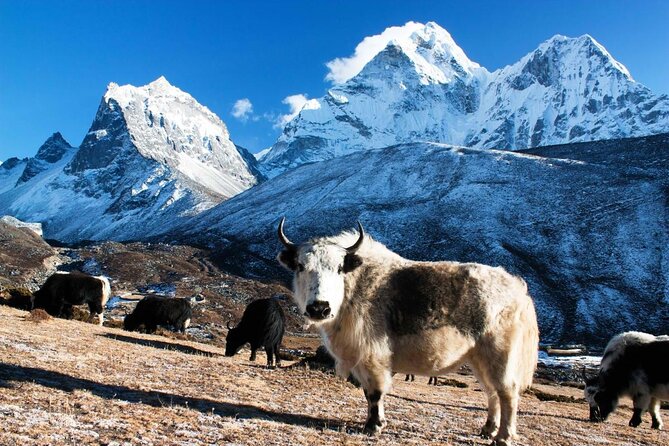
- 5:15 am start in Kathmandu: you’ll want to be ready before the sun does its thing.
- Shared helicopter experience: typically 5–6 passengers per pilot, with a group cap of 15.
- Clear-sky focus: the operation runs only on nice weather, and visibility is everything.
- Window-seat strategy at Pheriche: if the group is bigger, they split to help you get the best vantage.
- Hotel Everest View landing: you get about an hour to reset, with an optional breakfast if conditions allow.
- Cold-weather reality: even in calmer months, you’re dressing for -5°C to -10°C.
A 5:15 AM Helicopter Morning From Kathmandu
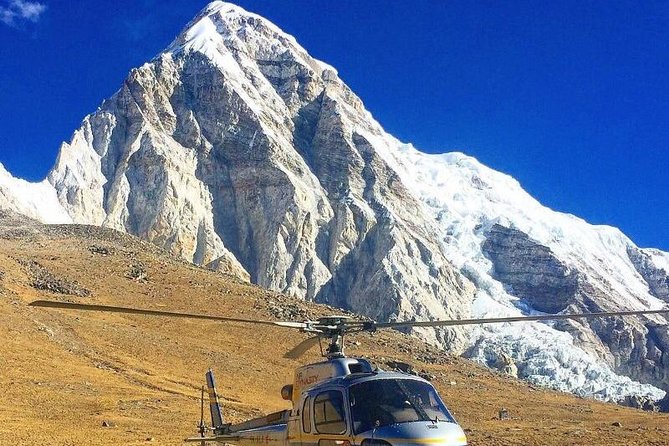
This tour is for people who hate the idea of “someday” when it comes to Everest. You start early—5:15 am—and that matters. The earlier you go, the better your odds of clearer skies over the mountains, which is basically the whole game here.
You’ll be picked up from your hotel by car and taken to the airport area, then flown as a group. Expect a smooth, scheduled pace: you’re not spending hours figuring out logistics on your own. One review-style theme that kept popping up in the feedback I saw is that the pickup feels on time, and the team handles last-minute changes calmly. Names like Hari and Depandra show up in the praise, and Nawa appears as well for helping make the helicopter happen—useful signals that the local coordination matters.
The flip side of a morning launch is that it can feel intense if you’re not a light sleeper. Plan a low-drama night before and keep your jacket and layers ready to grab.
You can also read our reviews of more tours and experiences in Kathmandu
Why This Flight Route Matters: Kathmandu Valley to Base Camp Air
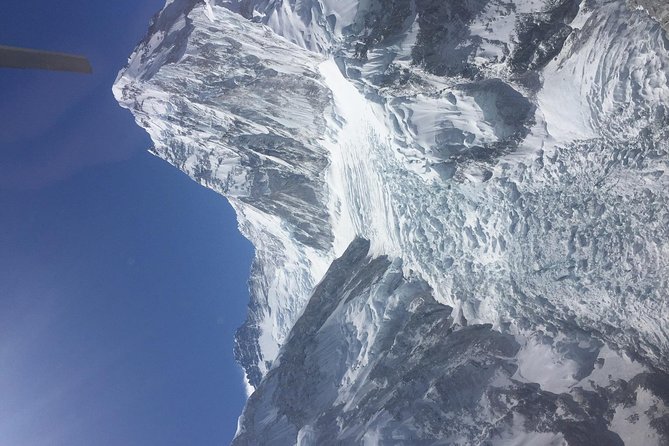
You’re not just flying to a single “point.” The route is designed to give you a sequence of big views, so the trip feels like a story, not a detour.
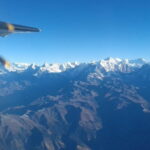
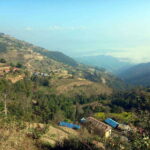
First, the helicopter goes from Kathmandu into a Kathmandu Valley flyover. That sets the stage: you’re leaving the city behind fast, and you can start spotting the scale of the region before you even get near the Everest Base Camp area.
Then you continue toward the Everest side of the Khumbu region, with a key transition at Lukla. This is one of those details worth taking seriously. Lukla is tied to the trekking world, and even if you’re not walking, the flight route uses that same geography. It helps explain why this tour can feel so “Everest-adjacent” rather than generic mountain sightseeing.
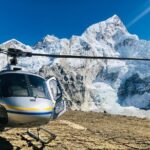
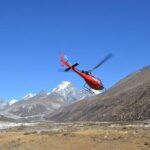
In the air, they fly using helicopters listed as AIRBUS H125 and a Eurocopter 350 model. You’ll want to think of these as small aircraft—great for access to mountain airspace, but they also mean you’ll feel every bit of altitude and wind. That’s part of the thrill, as long as you’re comfortable with the format.
Your Stops Explained: Tenzing-Hillary, Pheriche Window Seats, and Khumjung
The stops are short, but each one changes the feel of the day.
Stop 1: Kathmandu Valley
This is your warm-up view. The flyover gives you that first real sense of the Himalayas, before you’re in “only Everest matters” mode. It’s also when you’ll likely start filming and photographing, because once you’re deeper into the mountain zone, you’ll want to keep your focus tight.
Stop 2: Tenzing-Hillary Airport (fuel stop)
This stop is listed as a fuel purposes stop and is also the airport where trekkers land to begin the Everest Base Camp journey. The time here is short—about 10 minutes—so it’s not a break in the relaxing sense. Think of it as a necessary step that helps make the flight possible.
The practical takeaway: don’t plan on this being your chance to stretch for long. Use it to reset, grab your phone, and keep your layers on.

Stop 3: Pheriche (the “window-seat help” moment)
This is the part I’d call out as smart planning. If the group is over 3 passengers, they may split the lineup so two people go first, then three. The goal is window seats guaranteed for the Everest Base Camp part only.
That’s a detail you’ll care about. On a small helicopter, the difference between a window seat and an aisle seat is massive for photos and the views of ridgelines, glaciers, and the exact angles to Everest and neighboring peaks.
The downside? Because the plan involves splitting and timing, it’s not a “everyone stays together the entire time” kind of experience. You’re still all on the same overall tour, but the rhythm changes.
Final Base Camp viewing segment: the flyover moment
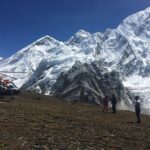
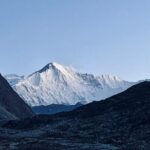
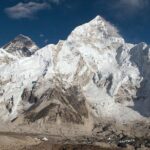
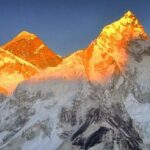
After the route positioning, you get the best “Base Camp area” visuals—mountain framing and the big names: Mount Everest, plus Pumori, Lhotse, and Nuptse (and additional peaks mentioned in the tour notes). This is where your earlier layers and camera readiness pay off.
You’ll want to keep in mind that visibility controls how the peaks look. On a clear day, it’s dramatic. On a slightly hazy day, you’ll still see plenty—but the sharpness won’t be the same.
Stop 4: Khumjung and Hotel Everest View (weather-dependent landing)
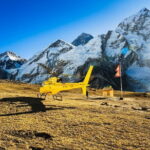
Khumjung is described as a landing breakfast point during the flight, and they also tie this segment to a landing at Hotel Everest View.
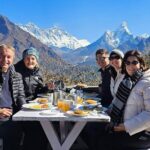
Here’s the useful part: they usually plan about one hour at the hotel, but it’s subject to the weather. If they can land, you’ll have a chance to step into a calmer moment, enjoy the views, and take a break from the helicopter seating.
Breakfast is optional, listed at USD 31 per person, and it depends on the weather as well. If the sky isn’t cooperative, you may not get the longer “on the ground” time you’re hoping for.
Hotel Everest View Landing: The One-Hour Reset You’ll Appreciate
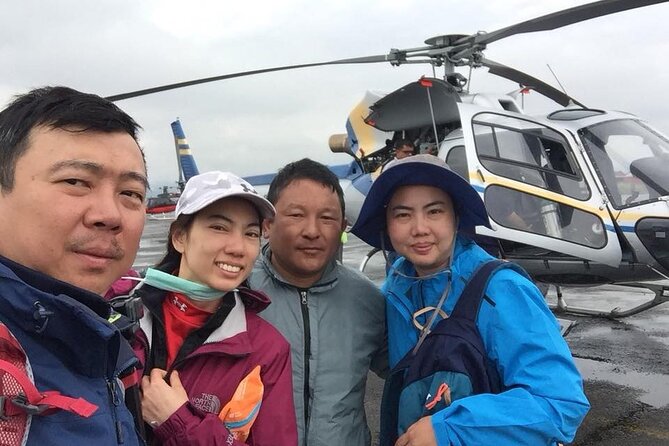
Landing at Hotel Everest View is the part that makes this feel less like a pure flight and more like a “small experience” you can actually remember in detail.
That about one hour is your reset: you’re not rushing straight back. You can re-check your photos, warm up (as much as you can), and soak in the mountain view from a more stable viewpoint.
A smart move here is to keep your warm layers easy to reach. You’ll be cold on the helicopter, and the landing break is only helpful if you can comfortably enjoy it.
Also, the captain may adjust the return routing based on fuel situation. That means you might fly back with a connection through Lukla or go more directly depending on conditions. It’s not something you control, but it does explain why timing can vary slightly within that 4 to 6 hour window.
Price and Value: What $1,980 Buys You (and What It Doesn’t)
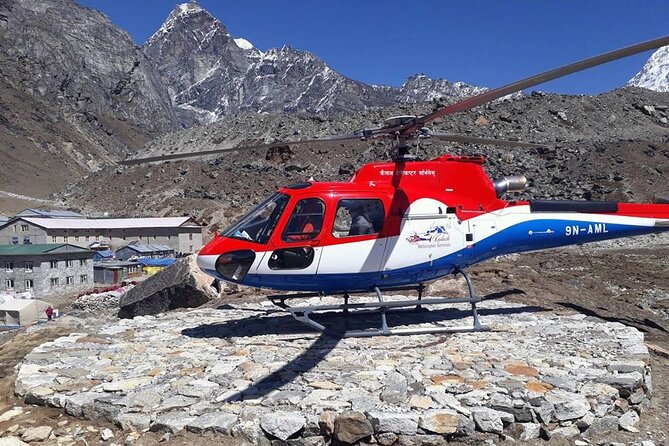
At $1,980 per person, this isn’t a budget activity. But if you’re comparing it to trekking for weeks, it starts to make a lot more sense. You’re paying for speed, access, and a high-probability “Everest hit” without the long risk window of a multi-day hike.
A few value signals are built into the structure:
- Round-trip transfers by car from hotel to airport and back
- Group sharing in a helicopter with a pilot (listed as 5–6 passengers)
- Multiple landing points and planned view segments
- VAT and helicopter fuel surcharges included
- Landing at Everest View Hotel for about an hour (weather-dependent)
- Oxygen cylinder in the helicopter in case of emergency
- Life insurance during helicopter flight (provided by aviation)
What’s not included matters too:
- The optional set breakfast at Hotel Everest View (USD 31)
- National park entrance and municipality fees locally (listed as USD 50 or NPR 6000 per person)
- You’ll still need warm clothing, because cold comes standard at altitude
Is it worth it? For most people who choose this, it’s because time is the constraint. If you’re within a short Nepal schedule and want a high-impact Everest experience, you’re buying a rare efficiency: big views with a single morning and a managed flight plan.
Practical Tips for a Smooth Flight (Clear Skies and Cold Fingers)
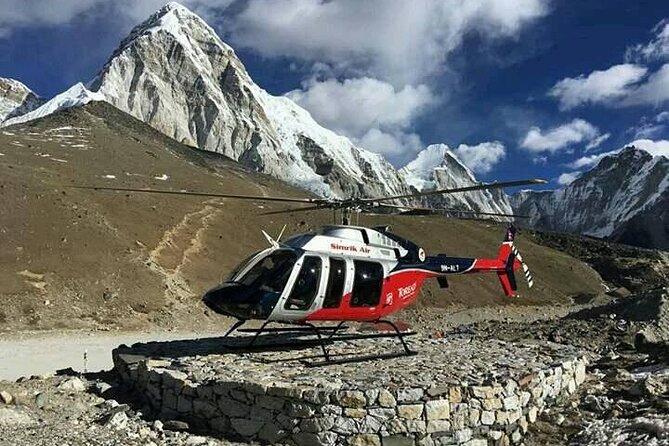
This tour has a weather rule: they fly only on nice day. They also state that if there’s no flight, you receive a full refund. That’s important, because it means your planning should prioritize flexible timing in Kathmandu.
A few practical things to do before you go:
- Bring a warm jacket/dress for cold temps. The notes list around -8°C in winter and guidance down to about -5°C summer and -10°C in winter for higher points.
- Don’t over-pack your day’s schedule. You’ll start at 5:15 am, and then the flight timing may shift slightly with weather.
- Pack your identity docs in a sensible way. A passport picture on your phone works, and you do not need the original passport.
- Know the weight limit: total weight per passenger 221 lbs. This is not a guess; it’s a stated constraint.
Inside the helicopter, remember that oxygen and safety procedures are part of the system. The tour includes an oxygen cylinder in case of emergency and life insurance during the helicopter flight via aviation. You can take that as a sign they’re operating as a formal aviation activity, not a casual local sightseeing hop.
One more practical note: it’s not stroller accessible, and it’s not suitable for pets. If you’re traveling with kids or plan to bring animals, this format isn’t designed around that.
Who This Tour Fits Best (and Who Should Think Twice)
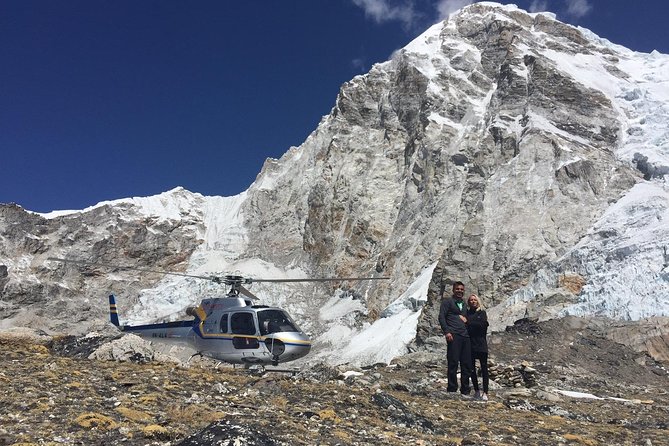
This helicopter experience fits best if you:
- have limited time and can’t do a long trek,
- want a high-visibility Everest moment without the logistics of multi-day hiking,
- like the idea of a managed group flight with a pilot and planned stops,
- are okay with early mornings and cold air.
It might be less ideal if you:
- need guaranteed, weather-proof landing time at Hotel Everest View (it’s explicitly subject to weather),
- dislike the idea of being in a small aircraft with a set weight limit,
- want a slow, leisurely pace with lots of time on the ground.
The reviews I saw heavily praised the feeling of safety and comfort, plus the view quality on clear days. Names like Hari and Depandra kept showing up as reliable helpers, and that matters because helicopter tours run on coordination.
Should You Book This Everest Base Camp Helicopter Stop at Hotel Everest View?
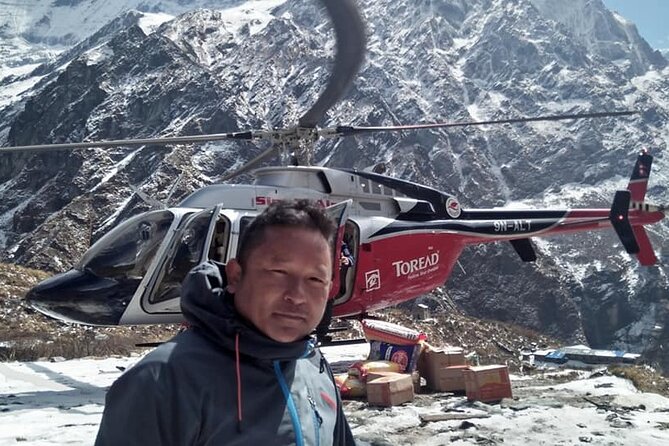
I’d book it if your main goal is a time-efficient Everest experience with the best chance at seeing Everest and the surrounding giants from the air, plus that valuable Hotel Everest View landing break when the sky allows it.
Don’t book it if you’re hoping for a guaranteed landing no matter what. Weather is the boss here. They fly on nice days, and the timing can shift. Still, the process is reassuring in one way: if there’s no flight, they offer a full refund, and if conditions cancel things, they offer an alternative date or a full refund.
My final “friend advice” is simple: build this into the first part of your Nepal trip if you can. That gives you breathing room if the helicopter day needs to shift. If you time it well, you’ll end up with exactly what people dream about—Everest up close, in a morning, without the months-long planning of a trek.
FAQ
What time does the tour start?
Start time is 5:15 am.
How long is the Everest Base Camp helicopter tour?
The duration is approximately 4 to 6 hours.
Is hotel pickup included?
Yes. The tour includes round-trip transfer pick from your hotel and drop back by car.
How many people are in the group?
It’s a group share experience, typically 5–6 passengers and a pilot, with a maximum of 15 travelers.
What’s included in the helicopter flight?
You get the Everest helicopter flyover trip with multiple view segments and planned landing points, plus VAT and helicopter fuel surcharges. It also includes oxygen cylinder in the helicopter (if needed for emergency) and life insurance during flight.
What about food and breakfast at Hotel Everest View?
Food and drinks aren’t included. Breakfast is optional at USD 31 per person at Hotel Everest View, and it’s subject to weather conditions.
Are national park and municipality fees included?
No. You pay locally for national park entrance fees and municipality entry fees listed as USD 50 (or NPR 6000) per person.
Do I need to bring my original passport?
No original passport is required. A passport copy is fine (a picture on your phone also works).
What happens if the flight can’t operate because of weather?
If it’s canceled due to poor weather, you’ll be offered a different date or a full refund. If there is no flight, the tour states you’ll receive a full refund.