REVIEW · POKHARA
Kathmandu: 9-Day Annapurna Circuit Trek via Thorong La Pass
Book on GetYourGuide →Operated by MTA Trekking Pvt. Ltd. · Bookable on GetYourGuide
Thorong La at dawn is a reality check. This 9-day Annapurna Circuit trek takes you from Kathmandu into Himalayan villages, then over the dramatic Thorong La Pass (5,416m) toward sacred Muktinath. I like the way the route balances big views with built-in altitude recovery, and how guides like Sishir and Parkash are described as patient, safety-focused, and attentive to pace and hydration.
My other favorite part is the sense of variety day to day: forests and pine trails early on, village life around Upper Pisang, then the pilgrimage energy at Muktinath. The one drawback to plan for is the main pass day and the cold: crossing Thorong La is hard work, and you should expect very chilly nights and need a proper sleeping bag to stay comfortable in tea houses.
In This Review
- Key things I’d anchor on before you go
- Why Thorong La Pass (5,416m) Is the Whole Point
- Getting From Kathmandu to Dharapani: The Nepali Countryside Warm-Up
- Day 2: Dharapani to Chame and the First Real Annapurna Circuit Taste
- Day 3: Upper Pisang’s Village Life and Mountain Views
- Day 4: Upper Pisang to Manang, With Tilicho Peak on Your Radar
- Day 5: Acclimatization in Manang at 4,050m (Optional Hike Included)
- Day 6: Manang to Yak Kharka and the “Shorter Day, Higher Air” Lesson
- Day 7: Yak Kharka to Thorong Phedi and Getting Ready for 5,416m
- Day 8: Crossing Thorong La (5,416m) to Muktinath, Then Optional Hot Springs
- Day 9: Bus Back to Pokhara and Recovery in Hotel Orchid
- Teahouse Trek Reality: Basic Lodging, Similar Meals, Real Cold
- Guides, permits, and why the logistics matter at altitude
- Best season for clear skies: Spring and Autumn, avoid monsoon
- Who should book this Annapurna Circuit trek, and who should skip it
- Should you book this 9-Day Annapurna Circuit via Thorong La Pass?
- FAQ
- What is the maximum altitude on this trek?
- How long is the trek, and when does it run?
- Do you do an acclimatization day?
- What kind of lodging should I expect?
- Are meals included?
- What transportation is included?
- Are trekking permits included?
- What’s the most physically demanding day?
- What should I pack?
Key things I’d anchor on before you go
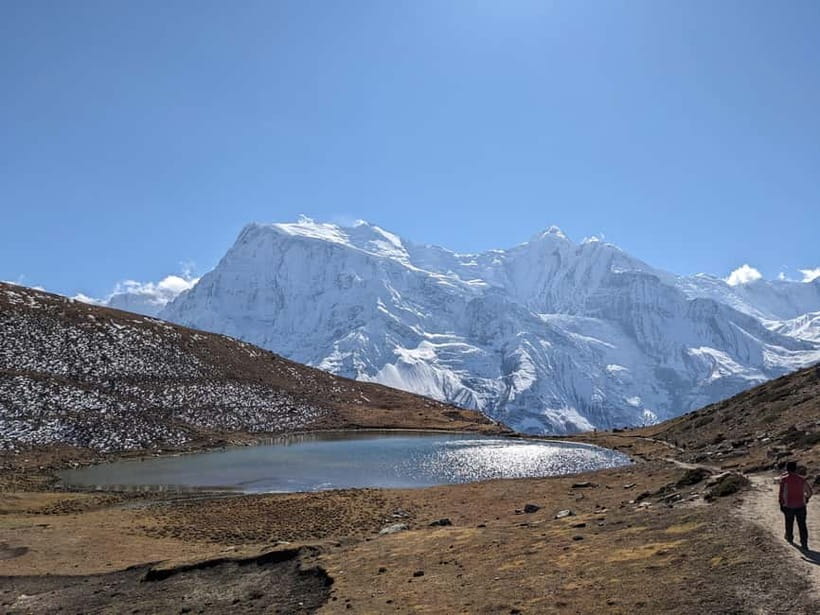
- Thorong La Pass at 5,416m is the make-or-break moment, timed early to reduce wind risk.
- Manang acclimatization day (4,050m) gives your body a fighting chance before the highest climb.
- Upper Pisang is a standout village stop with major mountain views.
- Muktinath Temple adds spiritual payoff after a physical day.
- Teahouse logistics stay simple, but cold weather means gear matters more than comfort fantasies.
- English-speaking guides like Sishir, Parkash, and Chakra are repeatedly praised for pacing and support.
Why Thorong La Pass (5,416m) Is the Whole Point
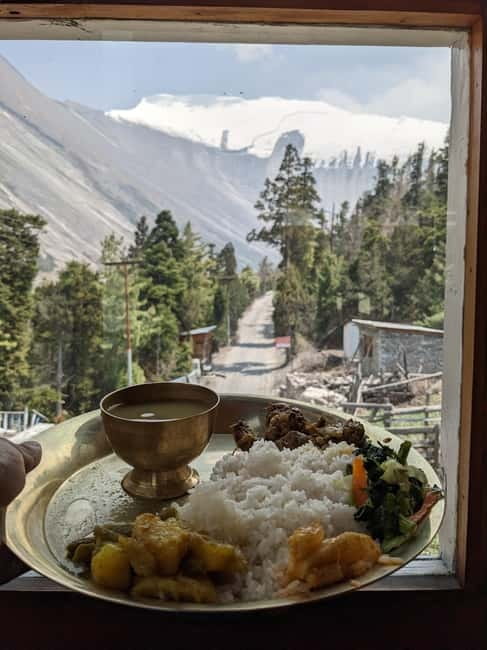
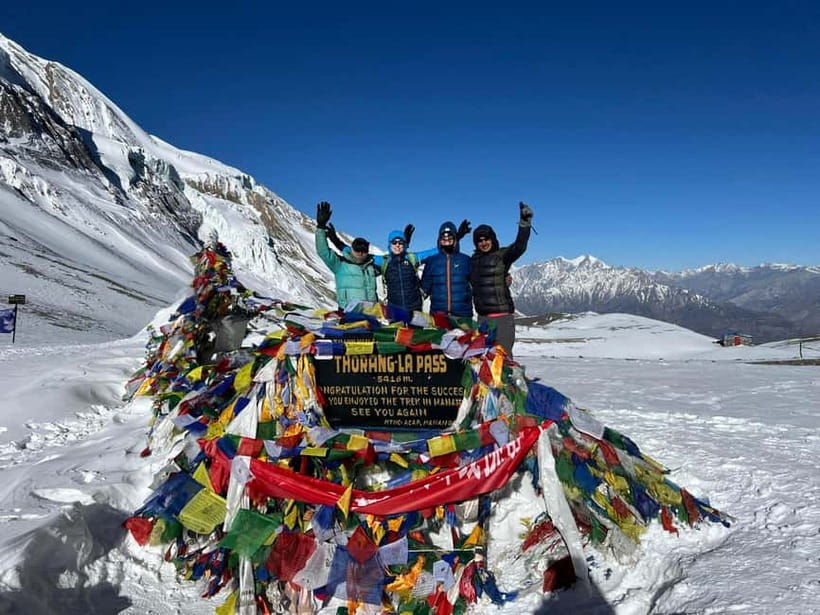
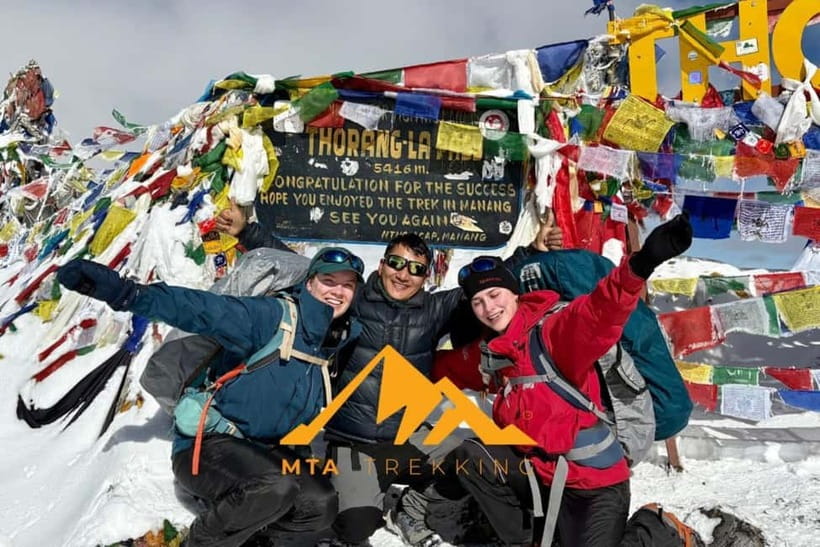
If you’re signing up for the Annapurna Circuit, you’re probably chasing one thing: a high-pass crossing that feels earned. Here, the highlight is Thorong La Pass at 5,416m, and the day is designed around timing. You start around 4:00 AM so you can get over the pass before winds pick up. That means you’ll feel the climb as a long, steady grind rather than a random last-minute sprint.
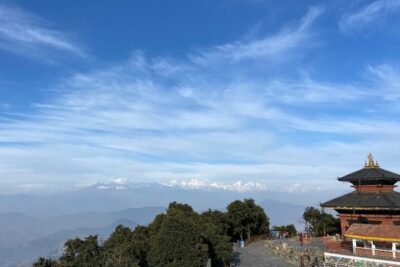
What you gain at the top isn’t just the altitude bragging rights. It’s the visual sweep: wide Himalayan panoramas and prayer flags marking the ridge-line moment. In the reviews, people describe Thorong La as exhausting going up and longer-feeling coming down. That’s normal. Your body is dealing with thin air, and downhill can still burn because you keep stepping carefully.
So, take this pass seriously. The itinerary helps, but you still need to listen to your pace and your breath. If you’re prone to rushing, this trek will quietly train you out of it.
You can also read our reviews of more hiking tours in Pokhara
Getting From Kathmandu to Dharapani: The Nepali Countryside Warm-Up
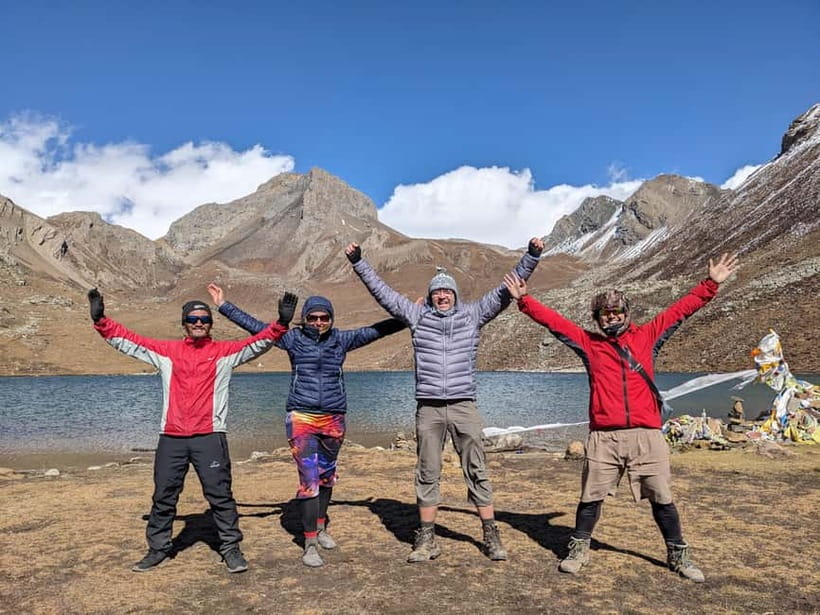
The adventure starts with a real travel day, not a gentle “stretch your legs” day. You’re picked up early from your hotel area in Thamel, then you travel by bus to Besisahar (about 175 km / 7–8 hours), followed by a shared jeep to Dharapani.
Why I like this approach: it gives you an immediate sense of Nepal beyond the airport-tour loop. Expect rolling valleys, terraced fields, and villages with Himalayan peaks showing up in the distance when the weather behaves. It’s the kind of setup that makes Day 2 feel like the first true step into trekking life, not the start of a suffering marathon.
Overnight is in a teahouse, so you wake up already in the rhythm you’ll repeat often: simple rooms, shared dining, and an early plan for the next day.
Day 2: Dharapani to Chame and the First Real Annapurna Circuit Taste
You start trekking from Dharapani to Chame, around 6 hours and about 13 km, climbing to roughly 2,670 m. The trail threads through Bhote villages, plus pine and oak forests and stretches of open ground.
This day matters because it’s where you learn what your body likes. If you overpack layers, you’ll notice. If you go out too fast, you’ll feel it early. The itinerary keeps the day reasonable so you can settle into steady breathing and consistent steps.
By the time you reach Chame, you get the first “this is real” alpine feel. Then you recover with tea-house rest and a meal that’s filling enough to keep you moving the next morning.
Day 3: Upper Pisang’s Village Life and Mountain Views
On Day 3 you trek from Chame to Upper Pisang: about 5–6 hours and roughly 15 km up to around 3,200 m. The route goes via the Bhratang Valley, which helps you ease uphill without feeling like you’re climbing a straight wall.
This stop is special for a reason. Upper Pisang is where the circuit turns from “trail” into “places.” You explore the village, you meet people, and you absorb that mix of Tibetan-influenced culture with everyday Himalayan life. One of the practical joys of the Annapurna Circuit is that you’re not just walking through empty scenery. You’re walking through communities.
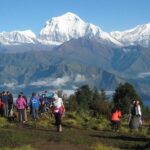
And the views are a reward, not a promise. In this itinerary, Upper Pisang is called out because the mountain panorama here can be stunning, so you’ll want to have a little extra time after lunch to step outside and just look.
Day 4: Upper Pisang to Manang, With Tilicho Peak on Your Radar
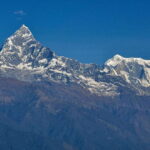
Day 4 runs about 5–6 hours over roughly 16 km to reach Manang at around 3,540 m. You move through forests and valleys toward Manang, and the day is framed by big-name peaks in the distance—Tilicho Peak, Annapurna III, and Annapurna IV.
This day is also where your mindset changes. Manang is higher, more alpine, and less “warm valley” feeling. Even if the walking hours don’t feel extreme, you’ll likely notice the air.
At the end of the trek you arrive at a teahouse in Manang. The big value here: you don’t jump right into more altitude the same day. You get time to rest and start acclimatizing in a planned way.

Day 5: Acclimatization in Manang at 4,050m (Optional Hike Included)
This is one of those days that separates smart trekking from wishful thinking. Today is a rest/acclimatization day at about 4,050 m.
If you feel good, there’s an optional hike to Gangapurna Glacier Lake or nearby icefalls. Even if you don’t go far, you still benefit from the extra time at altitude, which helps your body adjust before Thorong La day.
In the notes from a guide’s advice: one trekkers’ plan was to shorten the trek, but the guide suggested proper acclimatization in Manang to avoid potential altitude sickness. That’s the real point of this day. You’re building margin for safety, not just collecting photos.
Day 6: Manang to Yak Kharka and the “Shorter Day, Higher Air” Lesson
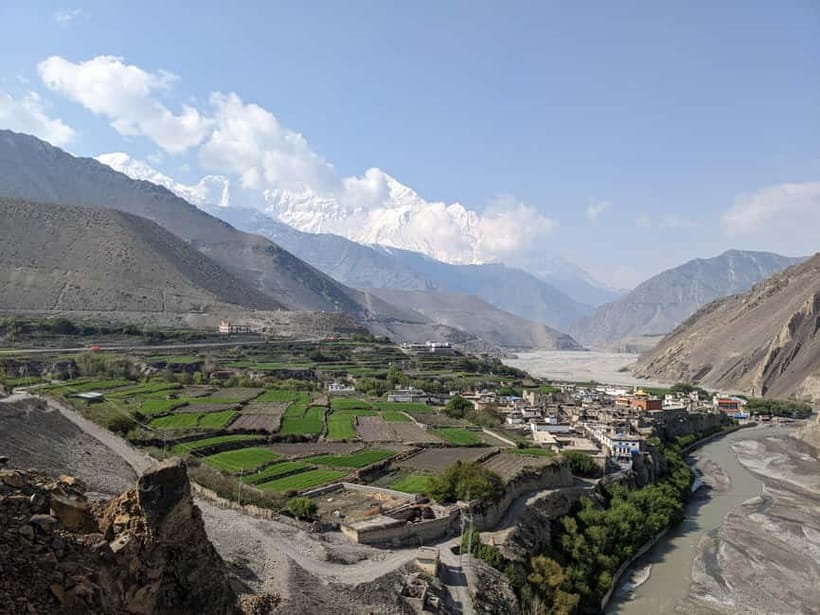
Today is intentionally shorter: about 4 hours and roughly 7 km, reaching Yak Kharka at around 4,050 m. You walk through alpine pastures with wide mountain views and crisp air.
This is where you start learning the second half of altitude trekking. Even with fewer hours, the air is thinner, so every step takes effort. Yak Kharka is a useful staging point because it sets you up for the next climb without frying you.
That means you can do what works well up here: eat early, drink steadily, and settle in. The itinerary keeps you at a teahouse so you’re not juggling complicated logistics.
Day 7: Yak Kharka to Thorong Phedi and Getting Ready for 5,416m
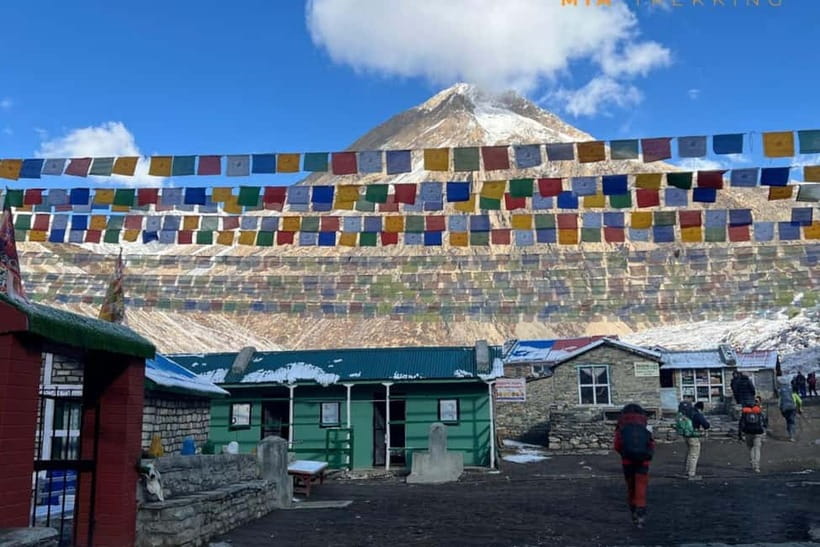
Day 7 climbs to Thorong Phedi at about 4,450 m. The trek is roughly 4–5 hours over about 6 km.
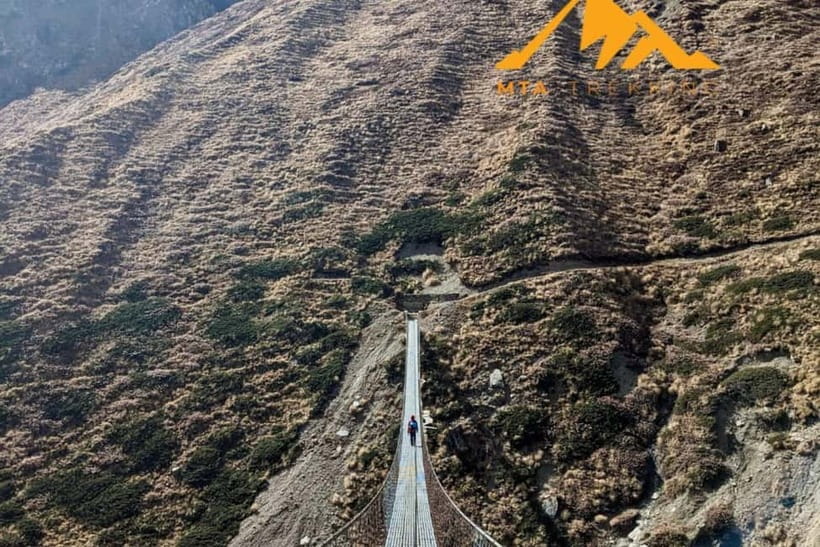
The route includes rocky paths and suspension bridges—enough variety to keep your brain engaged, but not so long that you arrive wrecked. Thorong Phedi is the base camp for the big pass crossing the next day, so your job today is recovery and focus.
This is also when cold can creep in. You’ll want to wear layers that keep you warm without restricting movement, and you’ll want your sleep setup ready for an early start.
One review highlight that sticks: guides who pay close attention to pacing can make the difference between finishing the day feeling steady versus feeling like your legs are already done.
Day 8: Crossing Thorong La (5,416m) to Muktinath, Then Optional Hot Springs
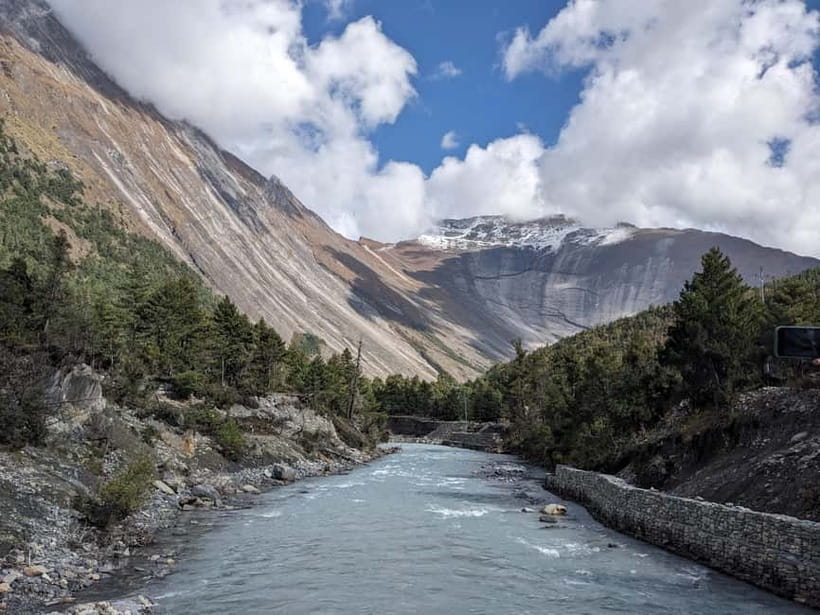
This is your long day: about 7–8 hours trekking from Thorong Phedi to Muktinath, crossing Thorong La Pass (5,416 m). You start very early (around 4:00 AM) for wind management.
On paper, the route sounds straightforward: climb, top out, descend. In real life, it’s a mental game as much as a physical one. People describe the ascent as exhausting. The descent can also feel like it takes forever, because you’re still adjusting to altitude and moving carefully.
When you reach Muktinath, you arrive around 12–1 PM and you get lunch plus an overnight stay. Muktinath isn’t just a pretty stop. It’s a sacred pilgrimage site for Hindus and Buddhists, so the whole place has different energy from the tea houses you’ve been in.
There’s also an optional add-on: Tatopani hot springs to relax after the pass day. One practical note: transportation for this side trip is not included, with taxi costs around USD 50 payable by participants.
Day 9: Bus Back to Pokhara and Recovery in Hotel Orchid
You finish with a bus ride back to Pokhara, about 5–6 hours and roughly 110 km. Then the package includes a luxury tourist AC bus from Pokhara to Kathmandu, with an included tourist-standard luxury night in Pokhara at Hotel Orchid.
Why I like the Pokhara night in this setup: it gives you real downtime without needing to rush straight back to city chaos. You also get a farewell dinner with traditional Nepali cuisine in Lakeside, which is a nice way to close the loop on the trek—food, culture, and less wind in your face for a change.
Teahouse Trek Reality: Basic Lodging, Similar Meals, Real Cold
This trek uses tea houses/lodges for 8 nights during the trekking portion. That means simple rooms, shared dining, and meals that are generally reliable. In reviews, food is described as tasty but fairly similar day to day.
The honest gear lesson: cold matters more than you think. Multiple notes point to it being very cold and the need for a proper sleeping bag. If you rely on a thin liner or “I’ll be fine,” you’ll probably pay for that decision with a miserable night.
Also, remember that “teahouse” doesn’t mean you’ll have luxury temperature control. Bring the layers and expect chilly evenings, especially as you near higher altitude.
Guides, permits, and why the logistics matter at altitude
This is an organized trek with an authorized English-speaking trekking guide. A porter is available if you want extra help, but it’s listed as an additional cost. That gives you a key choice: either carry more yourself or pay to offload weight.
Permits are handled as part of the package, including TIMS and trekking paperwork. Also included are guide services with full insurance coverage, which matters when you’re going above 5,000 meters and weather can change fast.
From review comments, the guides who shine are the ones who manage the human side: check hydration, keep an eye on how you’re acclimatizing, and adjust pace when someone’s struggling. Names that come up strongly include Parkash, Sishir, Ramit, Ghanshyam, Chakra, plus coordination from Bijay and guidance from Binod in some experiences. The consistent theme is support that feels practical, not just ceremonial.
If you’re worried about your first Himalaya trek, this kind of guidance is a big part of the value.
Best season for clear skies: Spring and Autumn, avoid monsoon
The itinerary is best in spring (March–May) and autumn (Sept–Nov). These seasons are described as producing clearer skies and better visibility, with more comfortable temperatures.
Spring can feel warmer with blooming flowers. Autumn is often the best visibility window with mild weather. Winter (Dec–Feb) can be cold and snowy, and trail closures are possible. Monsoon (June–Aug) means heavy rain and slippery trails, so the setup isn’t ideal then.
If you want the pass day to feel like a triumph rather than a struggle against storms, plan for one of the shoulder seasons listed above.
Who should book this Annapurna Circuit trek, and who should skip it
This trek is meant for people with good fitness and some trekking experience. The itinerary includes long walking days and altitude up to 5,416 m, so you’ll need to handle sustained hiking hours and thin air.
It’s also specifically listed as not suitable for:
- children under 7
- pregnant women
- people with altitude sickness
- people with high blood pressure
If any of those apply, you should look for a lower-altitude trek instead. Also, the program doesn’t allow alcohol and drugs, which is sensible at high elevations.
Who will love this most: first-time Himalaya trekkers who want real structure, solid acclimatization time in Manang, and guides who keep you steady on the hardest day.
Should you book this 9-Day Annapurna Circuit via Thorong La Pass?
I think you should book it if you want a well-paced circuit with clear milestones: village trekking days, an acclimatization buffer in Manang, then the Thorong La crossing followed by a meaningful finish at Muktinath. The fact that 8 nights are tea houses (with a clear cold-weather gear lesson) and you still get a true rest night at Hotel Orchid makes the package feel balanced rather than punishing from start to finish.
Skip it if you want a gentle walk, or if you’re not ready for altitude up to 5,416 m and the early start that comes with it. And if you don’t have the sleep setup for cold nights, treat that as your first upgrade.
If you’re choosing between doing this on your own vs. with a real operator, this is the kind of trek where having permits handled, guides on the ground, and insurance coverage is worth paying for.
FAQ
What is the maximum altitude on this trek?
The highest point is Thorong La Pass at 5,416 meters.
How long is the trek, and when does it run?
It’s a 9-day trek. Starting times depend on availability.
Do you do an acclimatization day?
Yes. You have an acclimatization/rest day in Manang at about 4,050 meters.
What kind of lodging should I expect?
During the trek you’ll stay in tea houses/lodges for 8 nights. In Pokhara you’ll get 1 night in a tourist-standard luxury hotel (Hotel Orchid).
Are meals included?
For full package bookings, all meals during the trek are included (breakfast, lunch, and dinner).
What transportation is included?
The package includes transfers such as bus Kathmandu to Besisahar, a shared jeep from Besisahar to Dharapani, and bus transport back toward Pokhara. It also includes a luxury tourist AC bus from Pokhara to Kathmandu.
Are trekking permits included?
Yes. The package includes all required trekking permits, TIMS fees, and paperwork.
What’s the most physically demanding day?
Day 8 includes the early cross of Thorong La Pass (about 7–8 hours trekking) and is the main challenge due to altitude.
What should I pack?
Bring comfortable trekking shoes, sunglasses, a sun hat, sunscreen, comfortable clothing, and passport or ID (copy accepted). Quick-dry clothing is suggested, and you’ll want appropriate cold-weather trekking gear (including a sleeping bag).