REVIEW · POKHARA
Pokhara: 3-Day Ghorepani, Poon Hill & Ghandruk Guided Trek
Book on GetYourGuide →Operated by Snow Peak Tours and Travels pvt. ltd. · Bookable on GetYourGuide
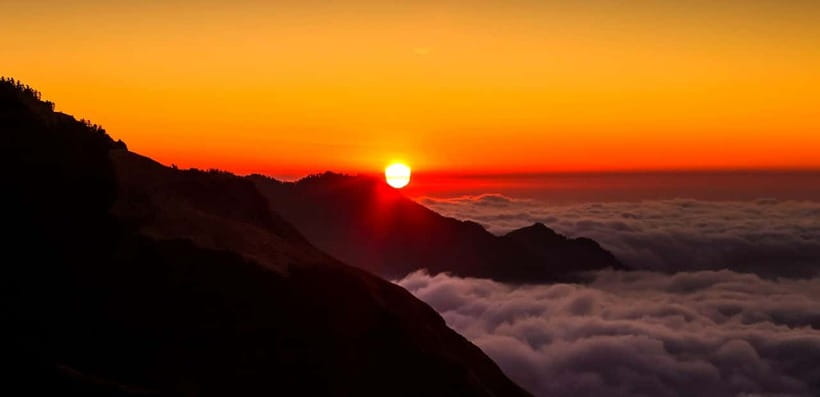
Poon Hill sunrise is a morning you remember. This short 3-day Ghorepani, Poon Hill & Ghandruk guided trek from Pokhara delivers big Himalayan views, while you walk through village trails and rhododendron forest. I like the early hike to watch peaks light up, and I also like the cozy teahouse nights with warm hospitality; one possible drawback is that it still packs in 5–6 hour hiking days and cold air at higher altitude.
A good guide can make the whole walk feel personal. I especially liked the way guides such as Anil explain what you’re seeing—mountain names when the views open, plus small wildlife and details along the route like monkeys in trees and even beehives on rock walls. And if you’re after a village experience as much as a viewpoint, Ghandruk is a big part of the payoff.
If you’re fit enough to handle steady uphill steps and early mornings, you’ll probably love this trek. If you don’t like cold mornings, or you’re expecting easy flat walking, it may feel like more work than you imagined.
In This Review
- Quick Hits: What Really Matters on This 3-Day Trek
- Why Poon Hill and Ghandruk Work So Well in Just 3 Days
- Day 1: Pokhara to Ghorepani, Where the Trail Starts to Earn Its Views
- Day 2: Poon Hill Sunrise, Then the Ridge Walk Toward Tadapani or Ghandruk
- Day 3: Ghandruk Village Time, Gurung Culture, and a Mountain View Finale
- Teahouses and Warm Hospitality: What Your Nights Really Feel Like
- Price and Logistics: Is $179 a Fair Deal for a Guided Trek?
- What to Pack (So Cold Mornings Don’t Knock You Off Your Game)
- Altitude, Fitness, and Safety: Keep It Real and Keep It Fun
- Should You Book This Pokhara to Poon Hill and Ghandruk Trek?
- FAQ
- How long is the Pokhara Ghorepani, Poon Hill & Ghandruk guided trek?
- Where do you sleep during the trek?
- What’s the main highlight of the trek?
- How high does the trek go?
- Is the trekking guide included, and what languages do they speak?
- Are permits and fees included in the price?
- What should I know about what’s included vs. not included?
Quick Hits: What Really Matters on This 3-Day Trek
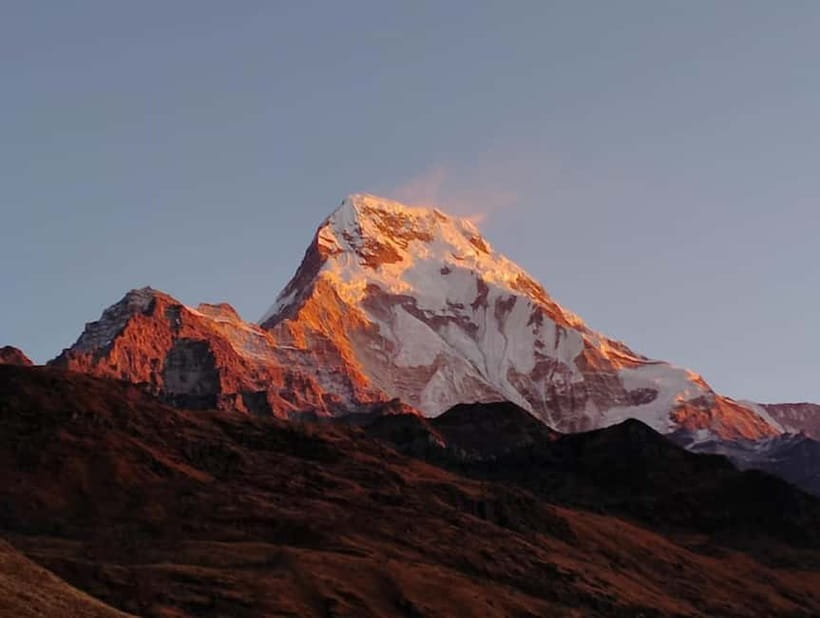
- Poon Hill sunrise over Annapurna and Dhaulagiri, plus Machhapuchhre in the same panorama
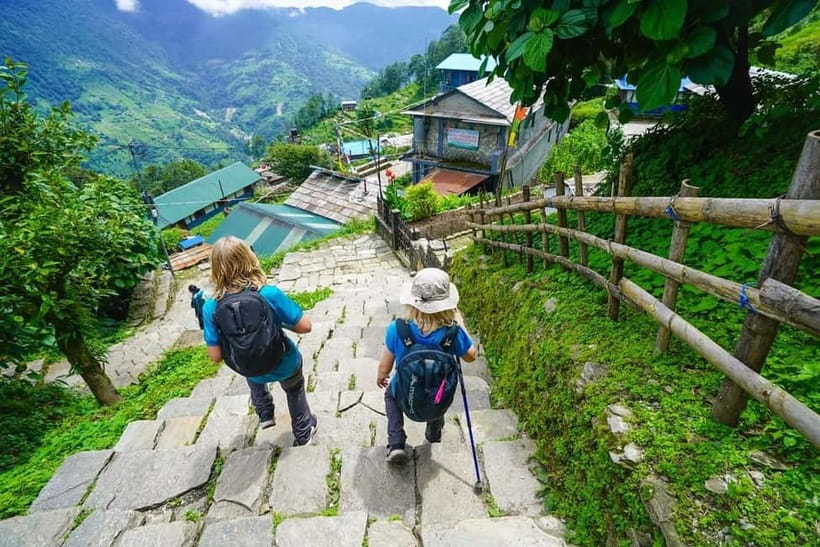
- Rhododendron forest walks and terraced stone stair trails that keep you moving
- Gurung culture in Ghandruk with mountain views from the village itself
- Teahouse stays that are simple but genuinely warm, with meals and comfort at the end of each day
- Guides who teach as they lead, including mountain names and route-life details you’d otherwise miss
Why Poon Hill and Ghandruk Work So Well in Just 3 Days
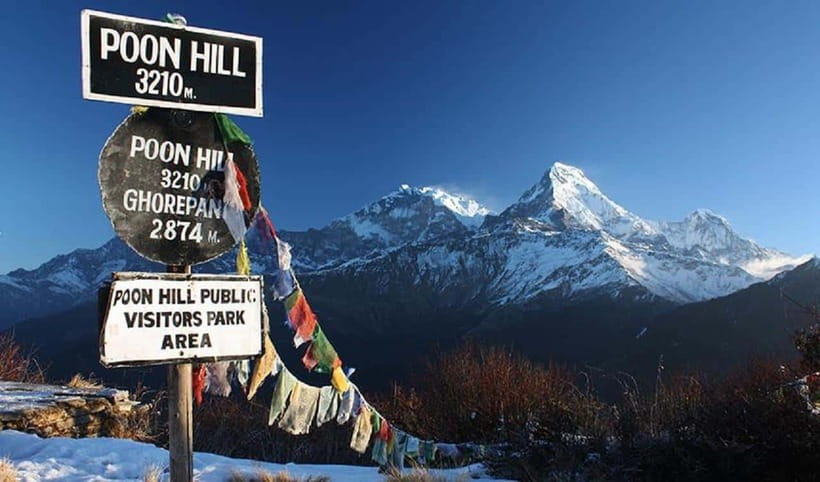
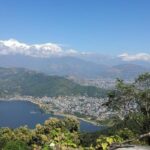
This trek is built for people who want the Annapurna region highlights without spending a week or more on the trail. You get a classic Himalayan sunrise moment at Poon Hill, and then you spend the next day walking through forest and ridges toward Ghandruk, where the village setting brings the mountains down to human scale.
What makes it click is the rhythm. Day 1 is mostly a climb into the Ghorepani area, Day 2 is the early summit-style hike for sunrise, and Day 3 slows down with village time and viewpoints before the drive back to Pokhara. It’s not a “short walk” exactly, but it’s a realistic one—especially if you’re planning around a limited schedule.
The bigger bonus is variety. You’re not just chasing a viewpoint. Along the way you pass through village routes and terraced trails, then you end in a Gurung community where daily life and mountain scenery sit side by side. That mix of nature, culture, and a very famous sunrise is why this trek stays popular.
You can also read our reviews of more guided tours in Pokhara

Day 1: Pokhara to Ghorepani, Where the Trail Starts to Earn Its Views
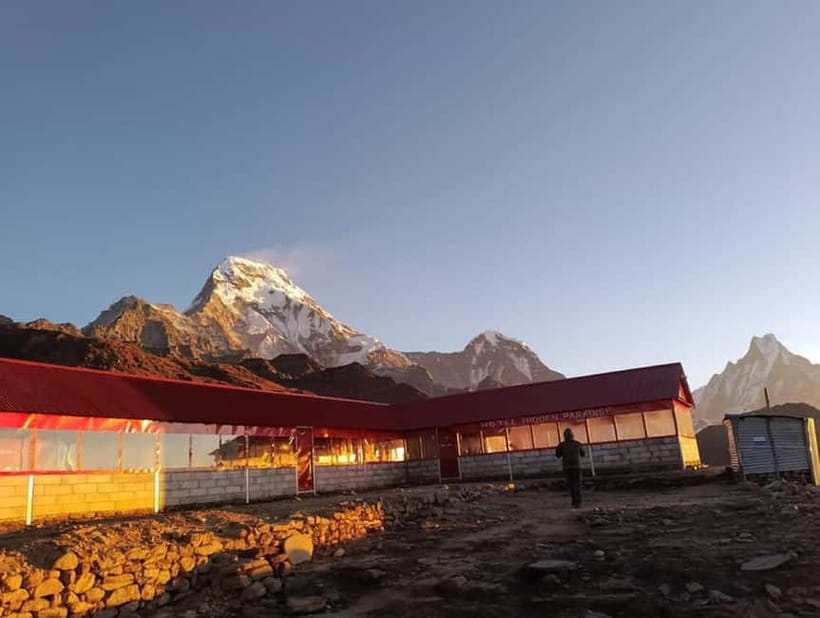
Your day begins with a drive out of Pokhara toward Tikhedhunga or Ulleri (about 3 hours by road, depending on the vehicle). From there, the trek turns uphill fast enough to get your legs awake. Expect stone stair trails through settlements and forest paths as you work your way up to Ghorepani (around 2,874 m).
Plan on about 5–6 hours of hiking on Day 1. The altitude climb is gradual but steady, and it’s a good day to practice your pace: short steps, steady breathing, and stopping just often enough to keep your rhythm. If you tend to sprint uphill early, this is the day to resist that urge. Save your energy—Day 2 starts even earlier.
When you reach Ghorepani, you sleep in a teahouse. That’s part of the magic here: after hours of walking, you get a warm place to sit, eat, and recharge. You’ll likely find it easier to be relaxed about the morning start once you’ve settled in the Ghorepani area the night before.
Day 2: Poon Hill Sunrise, Then the Ridge Walk Toward Tadapani or Ghandruk
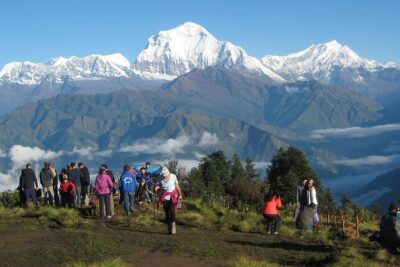
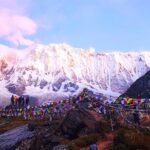
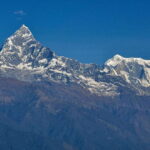
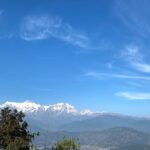
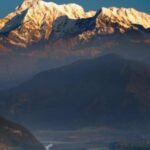
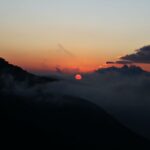
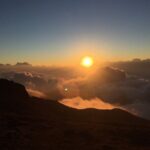
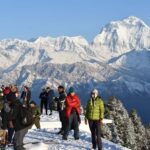
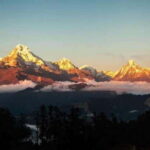
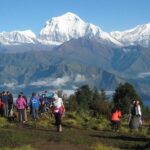
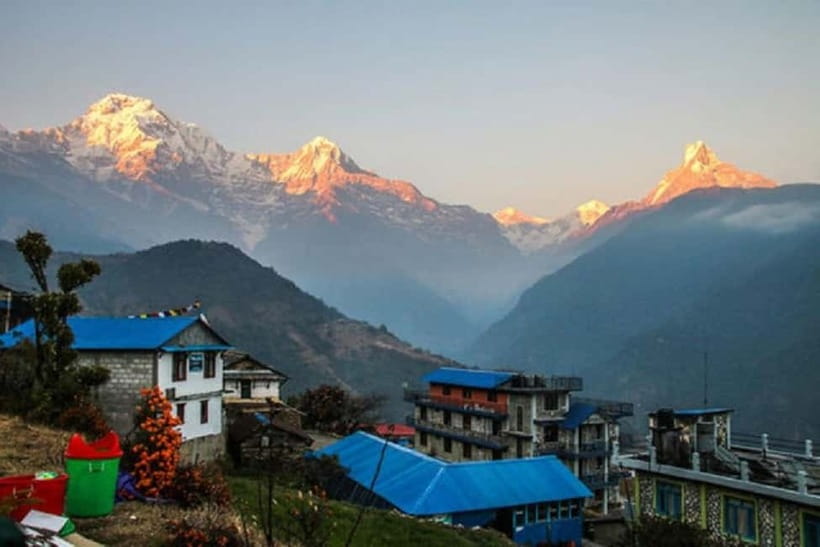
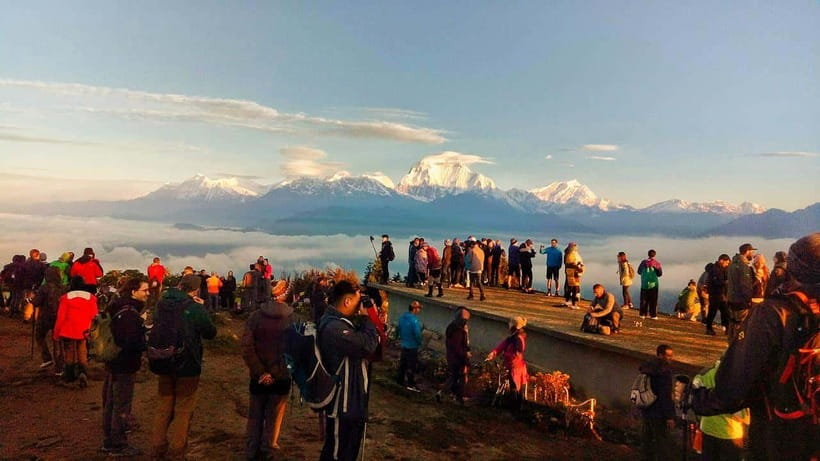
This is the headline day. You’ll hike to Poon Hill (about 3,210 m) early in the morning—typically a 45–60 minute climb up, followed by time to take in the sunrise panorama. From up there, you’re aiming for views that stretch across Annapurna and Dhaulagiri, with Machhapuchhre also often visible depending on conditions.
The sunrise hike is short, but it’s not just a casual stroll. The higher you go, the colder it feels, and your body works faster in the thin air. If you wear only one layer and call it done, you’ll regret it. Bring your warm jacket and wear hat and gloves if you have them—your future self will thank you.
After sunrise, you go back down for breakfast, then continue trekking. This second half of the day heads through forest and ridge trails, and you finish at Tadapani or Ghandruk (around 2,630 m for Tadapani or 1,940 m for Ghandruk). Hiking time is again about 5–6 hours, so you’re looking at a full day even if the Poon Hill climb itself is relatively brief.
This is where a guide can make a big difference. When you’re moving through changing forest light, it helps to have someone who can name what you’re seeing and point out the small stuff along the route. Guides like Anil have a knack for explaining mountain names when the visibility opens and for spotting everyday trail-life details—monkeys hidden in trees, vegetation at your feet, and even beehives built on rock walls. That kind of attention turns a trek from scenery into an experience.
Day 3: Ghandruk Village Time, Gurung Culture, and a Mountain View Finale
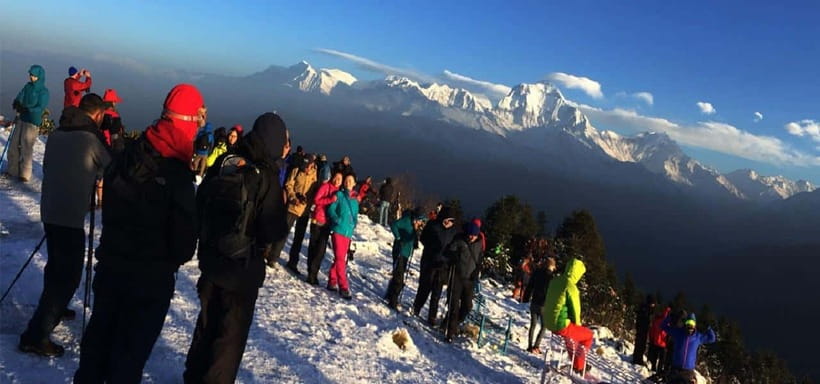
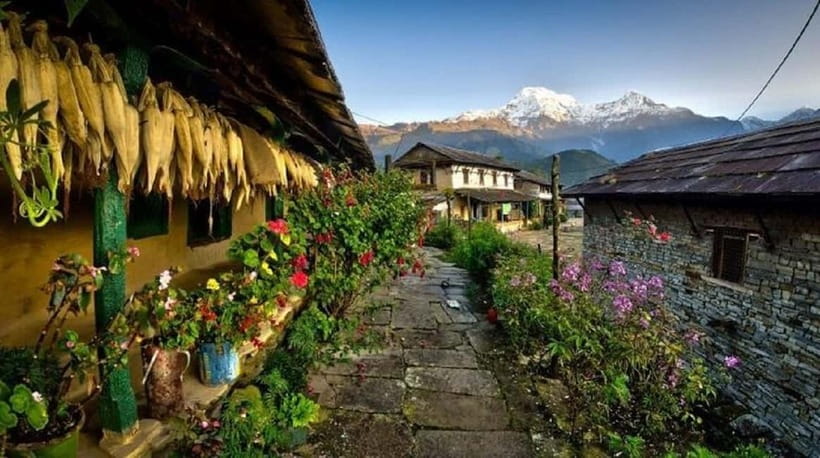
Day 3 is your payoff day in the village. You’ll spend time exploring Ghandruk, where you can experience traditional Gurung village culture and enjoy mountain viewpoints from the settlement. This isn’t just a “pass through” moment. The village setting lets you slow down after the big push of Day 2.
From there, you drive back to Pokhara (about 3 hours). In other words, you get a clean ending: walking for three days, then an easy return to lakeside life.
If you’re the type who likes to shop a little, chat with locals, or simply watch how village life works, this is where it fits. The village atmosphere also makes the mountains feel closer and more personal than the sunrise viewpoint alone.
Teahouses and Warm Hospitality: What Your Nights Really Feel Like
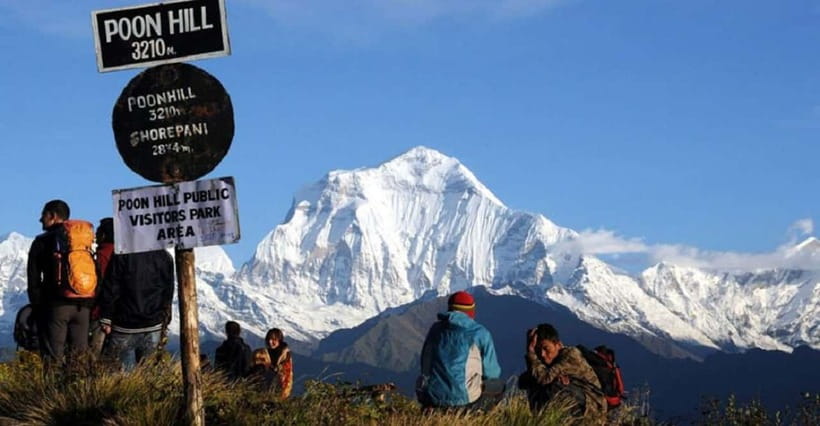
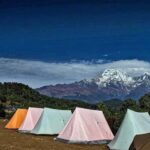
On this trek, you stay in simple teahouses along the route. That means you shouldn’t expect hotel-grade comfort, but you also shouldn’t expect to rough it in a miserable way. The big value is the warmth of the setup: you walk all day, then a teahouse gives you a place to eat, rest, and warm up.
Meal planning is one spot where you should be sharp. Your tour includes meals throughout the trek depending on the option selected, but pricing can vary a lot. One helpful caution: a past booking found the meal plan expensive (about NR 40k for 3 days) compared with eating directly at tea houses, which could cost closer to half. The practical move is simple: confirm exactly what your meal plan includes before you lock it in, and compare that to the tea house menu pricing once you’re on the trail.
Also remember that you’ll be spending more on small personal items than you expect—snacks, hot drinks, and extra convenience stuff. Those costs aren’t included, so budget a little cushion.
You can also read our reviews of more hiking tours in Pokhara
Price and Logistics: Is $179 a Fair Deal for a Guided Trek?
At $179 per person for 3 days, the value comes from what’s included—not just the guide. Your package covers round-trip transportation between your Pokhara hotel (and selected pickup locations) and the trek start area, plus guide-led trekking with accommodation in tea houses, and all required permits and fees.
You also get practical extras that matter in Nepal treks:
- A certified trekking guide
- Guide expenses
- Trekking gear as needed (trekking sticks and sleeping bags)
- Luggage storage in Pokhara
- A first aid kit
Not included items are worth knowing in advance:
- Travel insurance (marked mandatory)
- Personal expenses like snacks and drinks
- Emergency rescue services (available if needed, but not included)
- Porter if you want one (about $20 per day, if you choose it)
So is it good value? For most people, yes—especially because transport and permits are handled, and the guide is included. Where you can improve the cost picture is by avoiding surprise add-ons. If your plan option includes a meal package, confirm the pricing logic. If you think you’ll benefit from a porter, decide before the first steep section so you’re not bargaining with your aching legs later.
One more practical bonus: pickup is handled from multiple points around Pokhara, including Lakeside area hotels and Sarangkot, and your guide/driver arrives with a sign and your details.
What to Pack (So Cold Mornings Don’t Knock You Off Your Game)
This trek can swing cold, especially at higher altitudes and during sunrise hours. Pack like you’re going to be warm and dry. Based on what you’re told to bring, I’d treat these as non-negotiables:
- Passport or ID card
- Comfortable shoes plus ideally hiking shoes
- Jacket, plus a warm layer if you have one
- Hat
- Change of clothes
- Cash
- Camera
- Hiking pants
- Hiking essentials like a hair tie if you need it
- A good mindset: you’ll be moving a lot, so clothes that dry fast help
Also plan for paperwork. You’re asked to submit a copy of your passport at least one day before the trek so the necessary permits can be arranged.
Altitude, Fitness, and Safety: Keep It Real and Keep It Fun
This is a physically demanding trek for some people. The days include serious uphill walking, and you’ll be at 2,874 m on Day 1, then as high as 3,210 m for Poon Hill, before dropping again. The good news is the trek is designed as a short, structured effort rather than a long endurance slog.
Your best move is to come in with reasonable fitness and a flexible attitude. If you need to slow down on steep stairs, do it early rather than later. If you get cold easily, you’ll want to move carefully from teahouse to teahouse and dress in layers for the morning hike.
Safety-wise, travel insurance is mandatory. You’re also told that emergency rescue services are available if needed, but those services aren’t included in the price—so insurance is your real safety net here.
Should You Book This Pokhara to Poon Hill and Ghandruk Trek?
Book it if you want a short trek with maximum highlights: the Poon Hill sunrise view, rhododendron and village trail walking, and then a real cultural stop in Ghandruk. It’s a good fit for people who like structure (a guided plan, teahouse stays, and clear timing) and who can handle 5–6 hour hiking days without drama.
Skip it or rethink if you’re looking for an easy vacation with minimal walking, or if cold mornings are a deal-breaker. This trek asks you to work a bit—then rewards you with a famous sunrise and a mountain village finale.
FAQ
How long is the Pokhara Ghorepani, Poon Hill & Ghandruk guided trek?
The trek runs for 3 days.
Where do you sleep during the trek?
You stay overnight in simple tea houses or lodges in the trek areas, including Ghorepani and either Tadapani or Ghandruk.
What’s the main highlight of the trek?
The early morning hike to Poon Hill for sunrise views over peaks such as Annapurna, Dhaulagiri, and often Machhapuchhre, followed by time in Ghandruk village.
How high does the trek go?
Key altitude points include Ghorepani (about 2,874 m) and Poon Hill (about 3,210 m), with Day 2 ending around Tadapani (about 2,630 m) or Ghandruk (about 1,940 m).
Is the trekking guide included, and what languages do they speak?
Yes, a certified trekking guide is included. Guides speak English, Hindi, and Nepali.
Are permits and fees included in the price?
Yes. Permits and required fees are included, and you’re asked to submit a copy of your passport at least one day before the trek to arrange permits.
What should I know about what’s included vs. not included?
Included: round-trip transportation between your Pokhara hotel/selected pickup points and the trek start, meals depending on the selected option, tea house accommodation, the guide, permits/fees, trekking gear as needed, luggage storage, and a first aid kit. Not included: travel insurance (mandatory), personal expenses, emergency rescue services, and optional porter services (about $20 per day).