REVIEW · POKHARA
Private Tour in Pokhara Nepal with a Local Guide
Book on Viator →Operated by Nabina Khatri · Bookable on Viator
Pokhara can feel built for postcard views, but this day adds the side of the valley you don’t get from town-center strolls. I like the private, local-guided format, and I especially like that the route includes a quieter village feel—plus a chance to eat farm-to-table style local food. One thing to consider: you’re trading long lake views for hilltop walks and village time, so bring shoes for uneven paths.
In the hour-by-hour flow, I also like the mix of culture and nature: a temple hike at Hari Har Gupha in Bhalam, then a drive through rainforest to Armala, and finally a stop by Seti Gandaki on the way back. The vibe is peaceful, not rushed. The main drawback is that the exact pace depends on weather and road conditions, and that travel time is added to the total day.
This is run by a local provider (Nabina Khatri), and one of the standout details from the experience is how guides handle the day—people have specifically praised Prakash (sometimes written as Prokas) for bringing the village story to life and making the walk feel personal.
In This Review
- Key highlights worth your attention
- Why this private Pokhara village day feels different
- How pickup and a private group change the whole experience
- Stop 1 in Bhalam: Hari Har Gupha Temple and the hilltop walk
- Stop 2 in Armala: rainforest drive, village time, and local food
- The jungle cattle farm stop: seeing work close up
- Stop 3: Seti Gandaki (Seti River) and the Seti Gorge view
- Riding option: doing the day by motorcycle (if you prefer speed and freedom)
- Timing, pacing, and what to wear
- Price and value: why $20 per person can make sense
- The guide factor: why Prakash/Prokas gets mentioned
- Who should book this Pokhara private tour
- Should you book this private Pokhara village tour?
- FAQ
- FAQ
- How long is the private tour in Pokhara?
- Does the tour include pickup?
- Is this tour private, or will I join other groups?
- What’s included besides a local guide?
- Are there entrance fees for the stops?
- Can most people participate?
- What is the cancellation policy?
Key highlights worth your attention
- A private day with a local guide so you can ask questions and go at your pace
- Hari Har Gupha Temple in Bhalam, reached after a short drive and followed by a hilltop walk
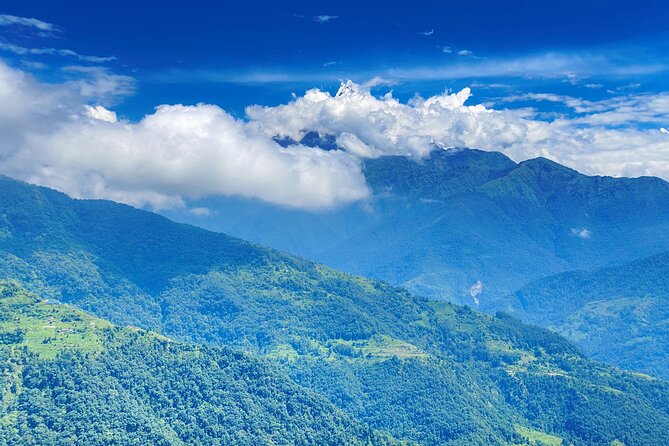
- Rainforest driving to Armala, where you spend several hours in a real village setting
- Local food prepared by a local woman, shared in a home-style setting tied to farm ingredients
- Jungle cattle farm time, adding an everyday-work look at how people live beyond town
- Seti Gandaki (Seti River) / Seti Gorge stop with that famous river cutting through the terrain
Why this private Pokhara village day feels different
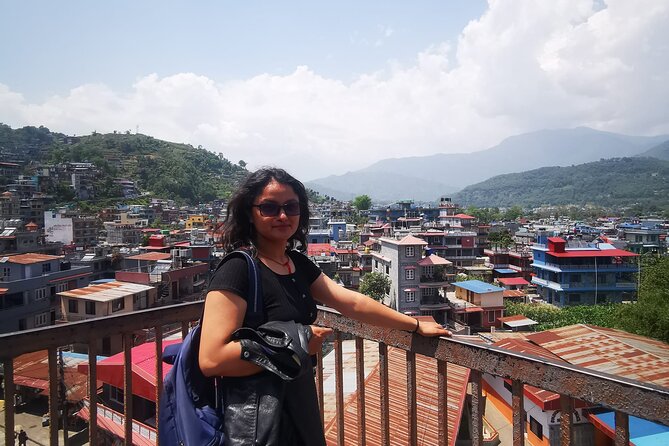
Pokhara has a loop most people follow. This tour takes you off it, without turning it into a big production. The value starts with the structure: you’re not stuck with a bus schedule, and you’re not just “passing through” rural areas. You spend actual time in villages and at nature stops—enough to notice how the day works for locals.
I also like that the experience is framed as a different side of Pokhara, not a list of checkboxes. You get temple views, rainforest road time, village walking, and a food moment that feels tied to daily life. The best days in Nepal often come from watching people do ordinary things well.
The day is also flexible in one practical way: if you ride a motorcycle, you can choose to do the whole experience that way. That can make the day feel more “yours,” especially if you’re comfortable on smaller roads.
You can also read our reviews of more guided tours in Pokhara

How pickup and a private group change the whole experience
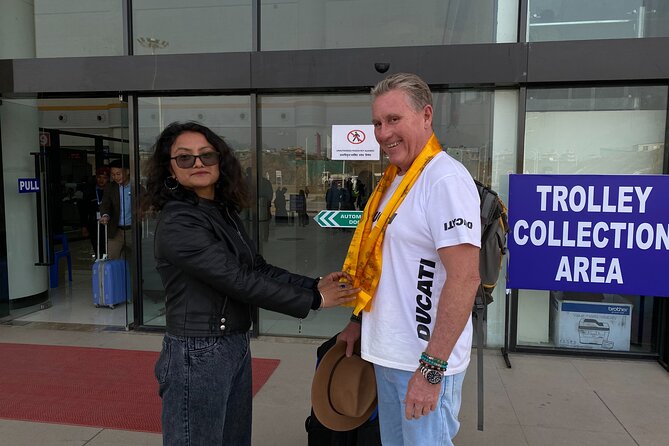
This is set up as a private tour/activity, meaning it’s only your group. That matters more than you might think. In a rural day like this, group size affects pacing: one slow walker can turn a route into a stress test, and one eager talker can turn it into a photo sprint. With privacy, your guide can balance the two.
Pickup is offered, and the tour uses a mobile ticket, which tends to simplify arrival. The big practical detail: travel time is added to the total duration (listed as about 6 to 8 hours). So if you’re pairing this with other plans in Pokhara, keep your schedule roomy. Nepal road time can be the boss of your timeline.
Stop 1 in Bhalam: Hari Har Gupha Temple and the hilltop walk
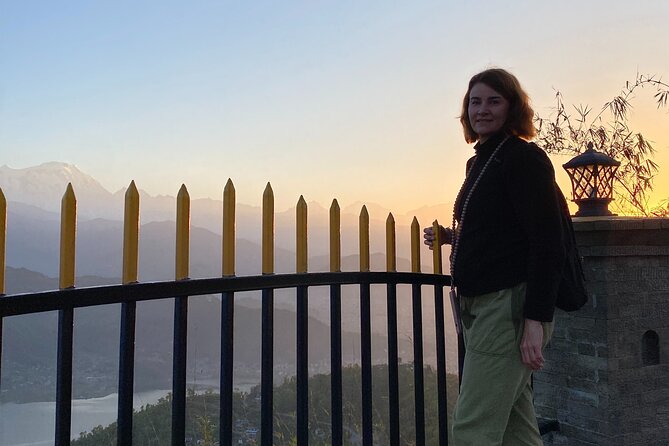
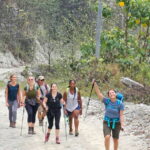
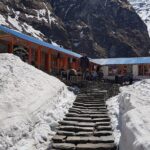
The day begins with a short drive of about 30 minutes to Bhalam. The destination is Hari Har Gupha Temple, up on a hill. What you’re signing up for here is not just a temple photo. It’s the short approach and the climb, with a walk that’s described as beautiful—so you’ll feel like you’re moving through a natural setting rather than arriving at a roadside stop.
Temple visits in Nepal often work best when you treat them like living places. Dress modestly, keep your tone calm, and don’t rush the first minutes. A hilltop stop like this also gives you a useful reset: it’s a viewpoint moment that helps you read the region before you head toward village life.
Practical note: expect uneven ground. Even if the walk is short, wear shoes with grip and plan for a slower pace on the way up and down.
Stop 2 in Armala: rainforest drive, village time, and local food
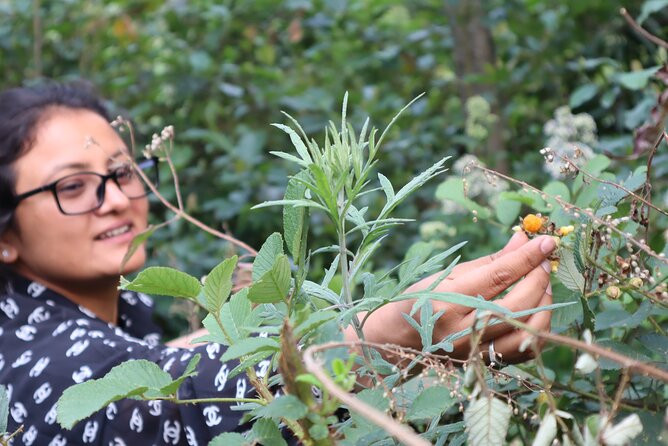
After Bhalam, the route shifts into scenery. You’ll drive through rainforest toward Armala village. That change—urban-to-green, road-to-footpath—is part of why the day feels like a different Pokhara. The rainforest stretch isn’t just pretty; it’s the transition that slows the mind down for the village portion.
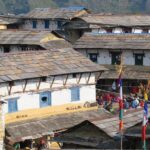
Armala is the longest stop on the schedule. You’ll spend several hours exploring the village, and the emphasis is on experiencing everyday Nepali life rather than doing a single attraction and leaving. Admission is listed as free for this stop, so you’re not juggling ticket lines in the middle of the day.
One of the most praised parts of this type of rural experience is the food moment. Here, the plan includes local cuisine prepared by a local woman, described as farm-to-table style. That’s a big deal for value because it turns the meal into part of the cultural story instead of a generic restaurant stop.
If you want to get the most out of this section:
- Ask simple questions through your guide: what’s grown locally, what’s cooked often, and how the meal connects to farm work
- Be ready for a home-style pace, where waiting is normal and conversation is the point
- Bring a little patience for village routines (time can be fluid)
The jungle cattle farm stop: seeing work close up
The experience description includes time at a jungle cattle farm. Even without a lot of formal “tour” signage, farm visits tend to work because they show a side of Nepal that rarely fits into short sightseeing days. It’s not staged for visitors—it’s about how life runs.
This part of the day can be surprisingly meaningful if you enjoy nature and everyday livelihoods. It’s also a good complement to the temple and village walking: temple time is spiritual and scenic, while the cattle farm time is practical and real.
A quick reality check: this isn’t likely to be a glossy, paved attraction. Wear clothes you’re comfortable with and keep your camera ready, but don’t treat it like a photo shoot. Let the moment stay human.
You can also read our reviews of more private tours in Pokhara
Stop 3: Seti Gandaki (Seti River) and the Seti Gorge view
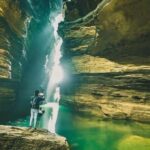
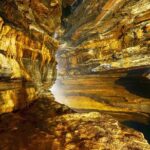
After lunch, the route heads back toward the lakeside area, with a key stop on the way: Seti Gandaki (Seti River). The schedule puts this at about 30 minutes, and the focus is the Seti Gorge—where the river has carved a natural runner under the earth’s surface.
What you’re looking for is the sense of scale and formation: a river that doesn’t just sit in a channel, but shapes the terrain. The gorge is famous for this kind of underground disappearing-water look, and the short stop is timed so you get the view without turning the day into a long detour.
Admission is listed as free for this stop too. That’s a small detail, but it matters for value—your money goes toward the guided day, not tickets.
Riding option: doing the day by motorcycle (if you prefer speed and freedom)
If you’re a rider, you can choose to do the whole experience on a motorcycle. That can be a great fit for a route like this because rural roads often feel more flexible on two wheels. You can also enjoy a more “in-the-moment” way of seeing rainforest stretches and village approaches.
The obvious consideration: only do this if you’re comfortable on Nepal roads and dressed for the ride. This is still a walking-plus-viewing day at temple and village stops, so footwear matters even if you’re arriving by bike.
Timing, pacing, and what to wear
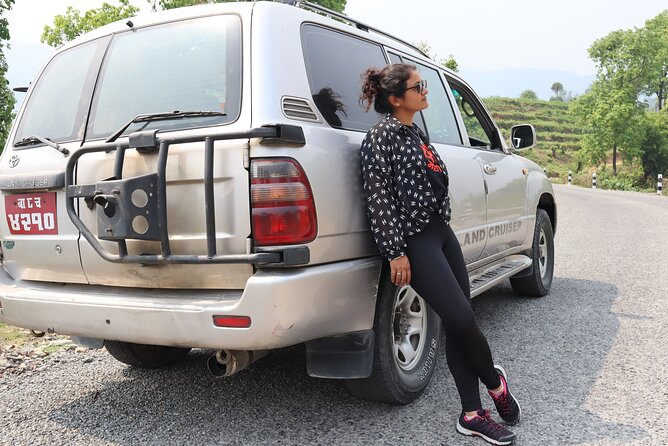
This is scheduled as 6 to 8 hours total. In practice, that spread comes from the combined time for:
- driving between stops
- exploring the hilltop temple area
- spending hours in Armala village
- shifting back toward the lakeside area
- the short gorge/view stop
For pacing, plan to move at village pace, not city pace. If you’re the type who hates waiting or wants everything on your stopwatch, this tour may feel slower than the usual “grab-and-go” sightseeing. The upside is that it’s also less exhausting, because the day is broken into meaningful chunks.
What to wear:
- Comfortable shoes with grip for temple and village paths
- Light layers for rainforest air and changing temperatures
- A modest outfit for temple areas
Bring sun protection. Hilltop and outdoor stops can rack up exposure fast.
Price and value: why $20 per person can make sense
At $20 per person, the best way to judge value is to look at what’s actually bundled into the day, not just the word “cheap” or “expensive.”
Here’s what you’re paying for:
- a private local guide (not a generic group tour)
- pickup offered and driving between rural stops
- extended village time in Armala (the heart of the day)
- food connected to local farm ingredients (prepared by a local woman)
- nature and cultural stops: temple walk, Seti Gorge view, and cattle farm time
Also, multiple stops list admission as free (Armala and Seti River). Even if you don’t think about ticket costs day to day, free admissions reduce friction and give you more time to enjoy the experience.
One fair consideration: if you prefer purely scenic lake time and don’t enjoy walking on uneven ground, you might feel like you’re paying for something you don’t value. But if you like real village life, this price is the kind that helps you do a meaningful day without turning it into a luxury-only activity.
The guide factor: why Prakash/Prokas gets mentioned
One theme from the positive feedback is how guides handle the human side of the day. Prakash (also shown as Prokas in one write-up) is praised for showing a hanging bridge and temples, then taking someone into a more remote village and sharing a home-style meal with family members (including meeting his mother and grand mother).
Even if your exact route details differ, the takeaway is strong: your guide isn’t just driving and pointing. A good guide can explain village routines, translate what you’re seeing, and help you avoid awkward moments. That’s a major part of why this experience feels special.
If you book, consider sending a quick note asking your guide what to expect for the village walking portion. It helps you dress and pace correctly.
Who should book this Pokhara private tour
This suits you if you want:
- a rural Pokhara day that feels local, not staged
- temple + village + nature in one workday
- time for conversation through a guide, including food experiences
- flexibility in your plan (private group makes this easier)
It may not be the best fit if you only want:
- long lakeside lounging
- fully flat walking
- a tour built around big-ticket attractions
It also works well for solo travelers who want privacy, couples who like guided time together, and small groups who want a shared cultural day without joining a crowd.
Should you book this private Pokhara village tour?
If you’re in Pokhara and you keep wondering what rural life looks like beyond the main tourist track, I’d say this is worth booking. The strongest reason is the combination: village time in Armala, a hilltop temple walk at Hari Har Gupha, and a nature stop at Seti Gandaki/Seti Gorge, all tied together by a local guide and a local food moment.
The one decision point is your comfort with walking and a slower, road-and-village paced day. If that’s fine with you, the value is easy to like—especially at $20 per person for a private guided half-to-full day.
FAQ
FAQ
How long is the private tour in Pokhara?
It runs about 6 to 8 hours, and travel time is included in the total duration.
Does the tour include pickup?
Pickup is offered.
Is this tour private, or will I join other groups?
It’s private. Only your group participates.
What’s included besides a local guide?
You get local guided experiences around Pokhara, including visits tied to Bhalam (Hari Har Gupha Temple), Armala village, local food prepared by a local woman, and a stop for Seti Gandaki/Seti Gorge. A mobile ticket is provided.
Are there entrance fees for the stops?
Admission is listed as free for Armala and for Seti Gandaki (Seti River). Admission for the first stop isn’t specified in the details provided.
Can most people participate?
Most people can participate, but the day does include walking and outdoor time.
What is the cancellation policy?
Free cancellation is available. You can cancel up to 24 hours in advance for a full refund. If you cancel less than 24 hours before the start time, the payment isn’t refunded.