REVIEW · POKHARA
Pokhara: 4-Day Poon Hill and Ghandruk Guided Trek
Book on GetYourGuide →Operated by MTA Trekking Pvt. Ltd. · Bookable on GetYourGuide
Sunrise here is worth the early alarm. On this 4-day Poon Hill and Ghandruk guided trek (up to about 3,210m), you trade long city days for Himalayan views, step-climbing paths, and village life. I particularly love the Poon Hill sunrise and the chance to linger in Ghandruk with Gurung culture and hospitality. One possible drawback: expect plenty of uphill steps, so you’ll want to pace yourself instead of charging like you’re late to a train.
What makes this trek especially appealing is how much you can pack into a short timeframe without feeling rushed. The itinerary is built around tea house overnights, a very early morning for the big sunrise moment, and a final day that brings you back down to Pokhara feeling like you actually saw the place—not just passed through. If you’re looking for a gentle intro to Annapurna region trekking, this is a smart fit, but bring realistic expectations about daily hiking time.
In This Review
- The Real Appeal: Poon Hill Sunrise Plus a Gurung Village Stop
- Quick Take on Value: What $226 Covers (and What It Doesn’t)
- Your Day-by-Day Plan: From Pokhara Steps to Ghandruk Traditions
- Day 1: Pokhara → Nayapul → Ulleri (Steps, River Views, Tea House Calm)
- Day 2: Ulleri → Ghorepani (Rhododendron Walks and Local Rhythm)
- Day 3: Ghorepani → Poon Hill Sunrise → Ghandruk (Big Views, Long Day)
- Day 4: Ghandruk → Nayapul → Pokhara (Cultural Time, Then the Ride Back)
- Poon Hill Sunrise: How to Make It Feel Magical (Not Just Cold and Tired)
- Ghandruk Village and Gurung Culture: Why This Stop Adds Weight
- Rhododendron Forests: A Seasonal Detail That Changes the Whole Feel
- Accommodation and Meals: Tea House Reality (What You’ll Like and What to Watch)
- Logistics That Matter: Private Group, English Guide, and Transfers
- Who This Trek Fits Best (and Who Might Want More Time)
- Should You Book This Poon Hill and Ghandruk Trek?
- FAQ
- FAQ
- How long is the Poon Hill and Ghandruk trek?
- What price should I expect per person?
- Is there an English-speaking guide?
- Do I need permits, and are they included?
- Where does the trek start and end?
- What is the main highlight during the trek?
- Are meals and accommodation included?
- When is the best time to go for rhododendrons and clear skies?
The Real Appeal: Poon Hill Sunrise Plus a Gurung Village Stop
This trek is basically two best hits in one package: the high-reward sunrise viewpoint at Poon Hill and the slower, more human-scale charm of Ghandruk. Poon Hill is the kind of place where everyone wakes up tired, then turns magically quiet when the mountains start showing up in layers. Ghandruk, on the other hand, feels like the reward for getting there—stone paths, friendly faces, and a chance to experience Gurung culture at ground level.
A nice detail is that the guiding here isn’t just about walking. A good guide helps you move steadily, time the sunrise properly, and get oriented when the day is long (especially on the Ghorepani to Ghandruk day). Based on what I’ve learned about the experience, guides you might get—like Prabit, Ramit, or Sishir—are known for being attentive and supportive, and they may even help with photos if you want to capture the moment.
Quick Take on Value: What $226 Covers (and What It Doesn’t)
At about $226 per person for 4 days, the value comes from removing the biggest headaches: transport coordination in Pokhara, a local licensed guide, the required trekking paperwork, and the logistics of sleeping and eating along the trail. In the full package, accommodation and meals during the trek are included, plus emergency rescue assistance. Permits and TIMS are also included, which matters because these are not optional add-ons you want to scramble for last minute.
What you’ll still need to handle yourself is personal trekking equipment, and you’ll also want to accept that expenses from accidents or natural disasters aren’t covered as part of the price (so it’s smart to have travel insurance). In other words: this is priced like a guided, organized trekking trip, not like a budget DIY adventure.
You can also read our reviews of more guided tours in Pokhara
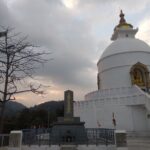

Your Day-by-Day Plan: From Pokhara Steps to Ghandruk Traditions
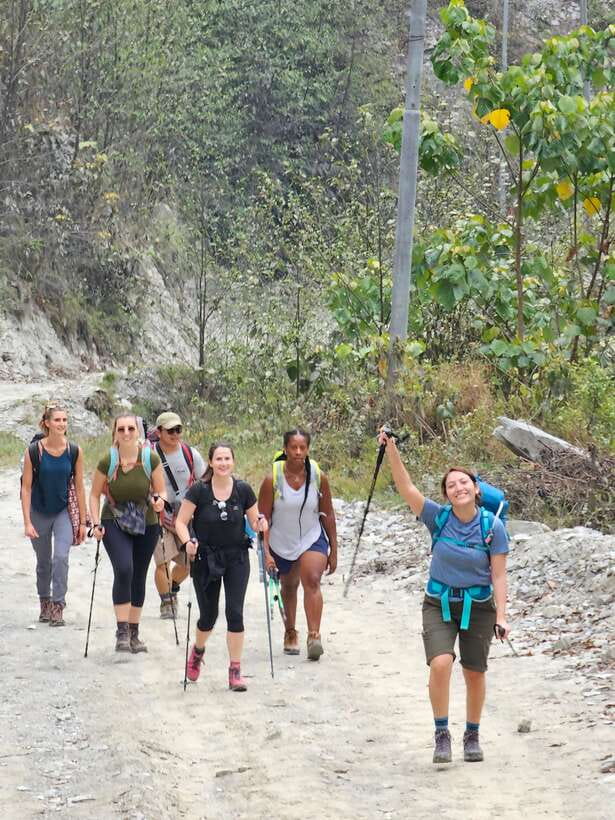
This is a short trek by Nepal standards, but it’s not a casual stroll. It’s built around daily hiking with tea house overnights, and the climbing tends to come in stair-heavy bursts. You’ll want to bring snacks, hydrate, and keep your effort steady.
Day 1: Pokhara → Nayapul → Ulleri (Steps, River Views, Tea House Calm)
You start in Pokhara and drive toward Nayapul for a fresh start. Once you begin hiking, you walk along the Modi River area with views of Annapurna South. Then comes the main workout: a lot of steps up toward Ulleri. The payoff is that your first day sets your rhythm early—breathe, step, repeat—without being so long that you feel wiped out before the real climbing starts.
You finish the day relaxing at a tea house in Ulleri. This is a nice way to start mentally: you get off your feet, eat well, and adjust to the altitude and trail pace before the next long morning.
Day 2: Ulleri → Ghorepani (Rhododendron Walks and Local Rhythm)
Day two keeps the “steps plus changing scenery” formula, but it brings more color. You’ll pass through rhododendron forests, and spring is the season when those blooms can really lift the trail experience. Even if you’re not there during peak color, the forest sections help break up the uphill monotony.
The vibe on this day is more about everyday Nepal. You’re moving through small stretches of village life and quiet forest paths, and the tea house in Ghorepani gives you a comfortable base for the sunrise mission coming soon.
Day 3: Ghorepani → Poon Hill Sunrise → Ghandruk (Big Views, Long Day)
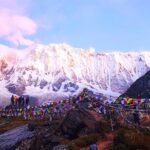
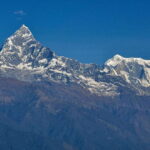
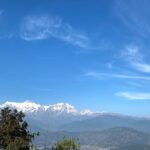
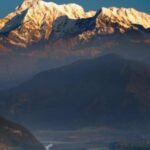
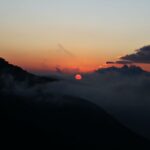
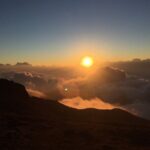
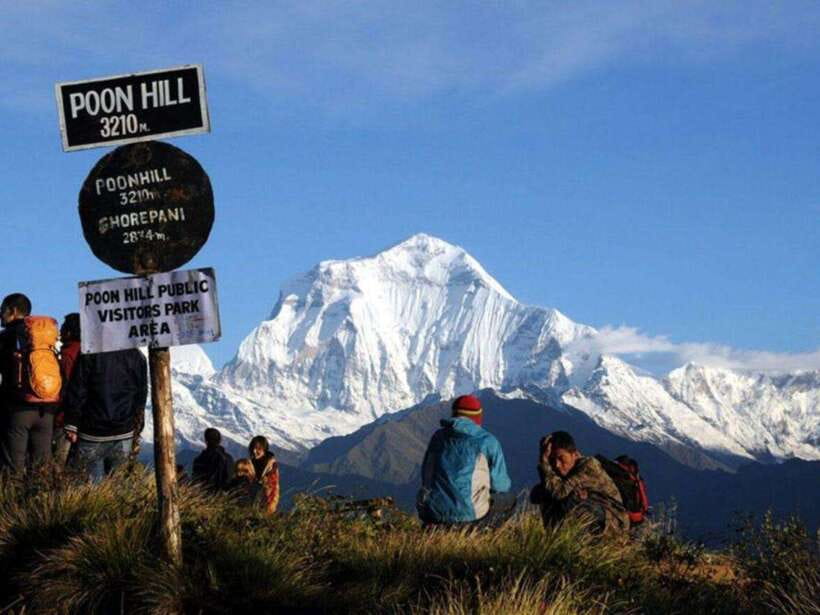
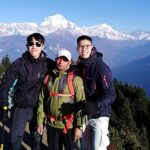
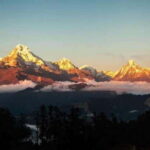
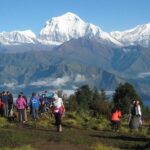
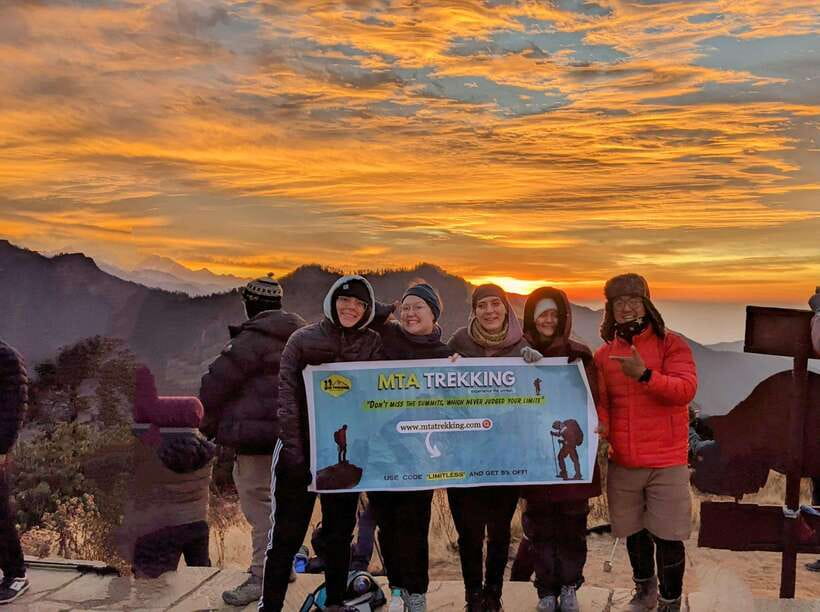
This is the day you wake up early. You’ll head to Poon Hill for sunrise and see mountains such as Annapurna and Dhaulagiri in the early light. It’s the kind of moment where the morning feels bigger than the hours you’ve actually been awake.
After sunrise, you continue trekking toward Ghandruk. This is the long day, so breakfast matters. You’ll be balancing the excitement of the sunrise with the practical reality of more hiking right after. If you tend to feel slow after waking up, plan to eat promptly and keep moving in a steady rhythm.
Once you reach Ghandruk, you’re in a place where the mountains stop being the only star. The village setting becomes the focus—stone paths, community energy, and a sense of being part of something local rather than just passing through.
You can also read our reviews of more hiking tours in Pokhara
Day 4: Ghandruk → Nayapul → Pokhara (Cultural Time, Then the Ride Back)
On the final day, you get extra time in Ghandruk and a guided tour experience (about 2 hours) focused on village traditions. This matters because it turns the trek from purely scenery-based into a cultural stop too.
Then you walk back to Nayapul and take a jeep/SUV ride back to Pokhara. It’s a clean finish: no endless extra miles on tired legs, just a return to the city so you can eat, wash up, and recap the trip while it’s still fresh.
Poon Hill Sunrise: How to Make It Feel Magical (Not Just Cold and Tired)
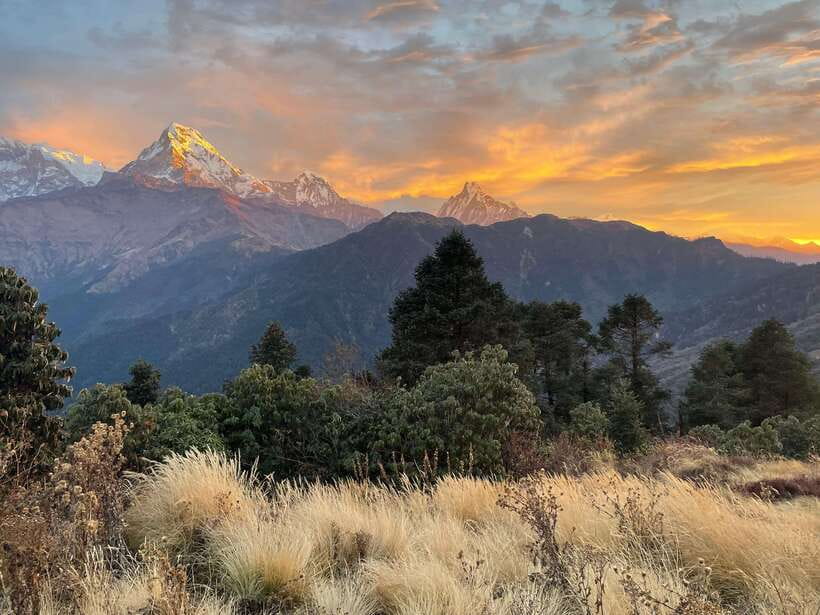
Poon Hill is the centerpiece of the itinerary, and it deserves its own playbook. Sunrise treks can go wrong if you treat them like a casual morning outing. Here, the goal is to show up ready to enjoy what you came for.
A few practical tips you’ll be glad you followed:
- Wear layers you can adjust quickly. Early mornings are often cold, and later you can warm up fast once you’re walking.
- Bring something warm to drink or eat. The sunrise can take time, and you don’t want to feel shaky or distracted.
- Don’t rush your photos. This is one of those views that changes by the minute, especially as clouds or haze shift.
Guides such as Ramit are noted for pacing that keeps you from burning out before the sunrise. Others, like Prabit, are described as helpful with support and even photography. The main point: a good guide helps you time the day, not just lead the way.
Ghandruk Village and Gurung Culture: Why This Stop Adds Weight
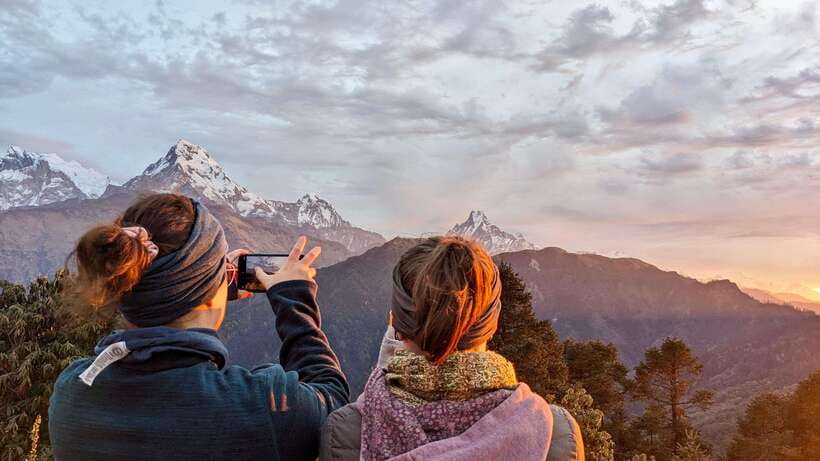
If you’ve only done the “wake up, hike, see view, repeat” style of trekking, Ghandruk changes the tempo. This is where you slow down and connect to people and place.
The experience here is tied to Gurung culture. In Ghandruk, you get a guided look at traditions, and you may have opportunities to notice and learn about things like cultural dress and Gurung food. It’s the kind of cultural interaction that makes the trek feel more complete because it’s not just about mountain views—it’s also about how locals live with those mountains as a daily backdrop.
There’s also a comfort factor. The tea house days and village day are spaced so you’re not constantly exhausted. You arrive, rest, eat, and then learn while you’re still in a good mood.
Rhododendron Forests: A Seasonal Detail That Changes the Whole Feel
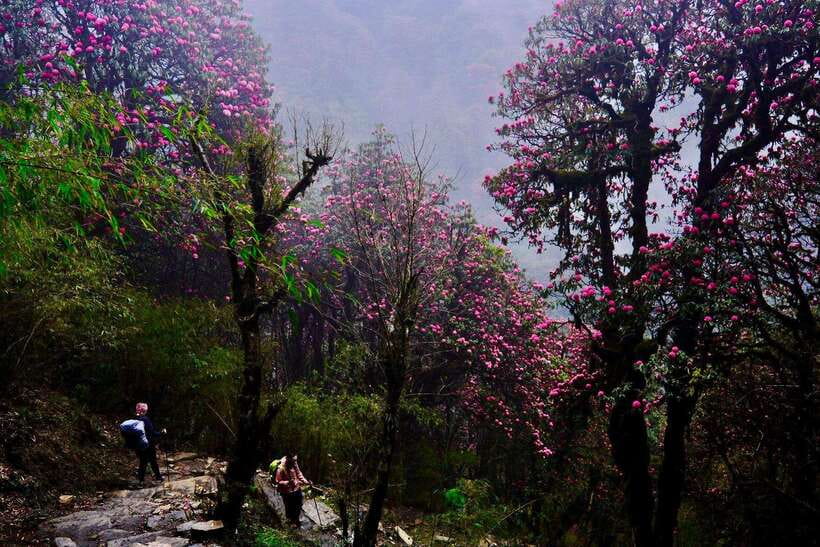
If you trek in spring (March–May), rhododendron blooms can add a lot of character to the mid-trek experience. Forest sections like these matter because they break the trail into sections with different textures and colors, not just altitude and steps.
Even if blooms aren’t at peak, the idea remains useful: the trek isn’t one long staircase with no variety. The forest and village stretches help you keep mental energy. That’s not just nice; it helps you walk better too.
Accommodation and Meals: Tea House Reality (What You’ll Like and What to Watch)
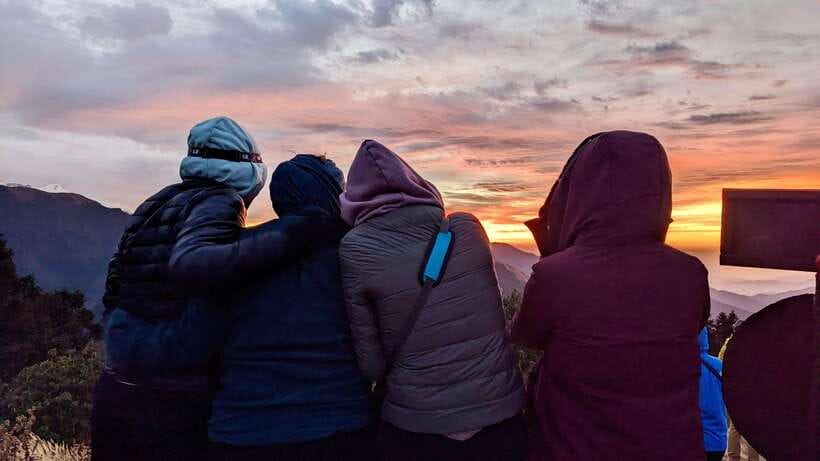
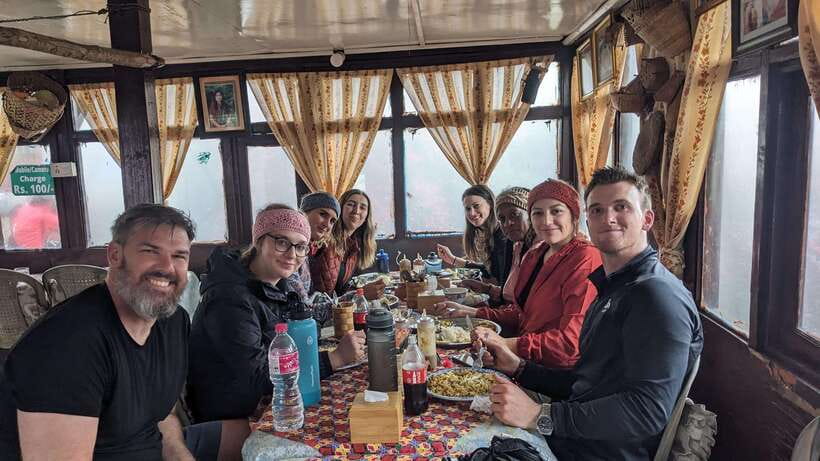
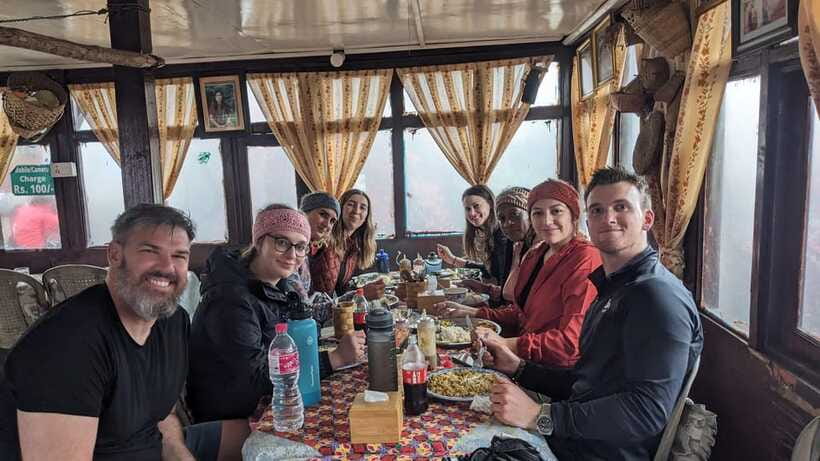
You’ll be sleeping in tea houses on the trail route, including Ulleri and Ghorepani, then again in Ghandruk. This setup is one of the key reasons short guided treks feel doable—you’re not carrying everything, and your day ends with a warm meal waiting.
That said, tea house trekking has a basic rhythm:
- Meals are part of the pacing. You’ll eat, rest, then continue.
- Comfort is good enough, but don’t expect hotel-style everything.
- The weather and temperature will affect how you feel at night and early morning.
What’s good here is that you’re guided and organized. If you’re the type who gets stressed by logistics, that matters. Guides are there to keep your day from turning into a “figure it out” exercise.
Logistics That Matter: Private Group, English Guide, and Transfers
This is a private group experience with an English-speaking live guide. That combination is underrated. You can ask questions, get clarification on timing, and adjust pacing without feeling like you’re part of a generic crowd.
Transport is also handled round-trip: you’re picked up in the Pokhara area (multiple pickup options around lakeside and hotels), driven to the trail start, then later returned from Nayapul by jeep/SUV. For many people, this is half the battle. Trekking in Nepal becomes much more enjoyable when transport isn’t a puzzle.
Who This Trek Fits Best (and Who Might Want More Time)
This 4-day route is a strong choice if you want:
- A short, guided intro to Annapurna region trekking
- The Poon Hill sunrise moment without a long expedition
- A meaningful cultural stop in Ghandruk
- Tea house nights and meals handled as part of the package
It’s also a good fit if you like structure and support. The guides you might meet (Prabit, Ramit, Sishir, among others) are described as caring, attentive, and good at keeping pacing comfortable.
If you want a very easy walk with minimal steps, this may not feel like it. The itinerary includes lots of uphill stair climbing on key days, and the third day is long. You’ll be fine if you pace yourself, but you should go in knowing it’s not a flat stroll.
Should You Book This Poon Hill and Ghandruk Trek?
I’d book it if you want maximum Nepal feeling in a compact time window: sunrise views, a rhododendron-flavored forest day (especially in spring), and a real village stop with Gurung culture.
Skip or reconsider if:
- You’re not comfortable with repeated stair climbing and long walking days.
- You want lots of downtime each day (this trek is built around hiking).
- You’re hoping for fully stress-free trekking without packing the essentials—personal gear is still on you.
If you’re aiming for that classic “I did the short trek and it was worth it” experience, this one makes sense. The structure is tight, the highlights are concentrated, and the cultural addition in Ghandruk gives the whole trip more meaning than a single viewpoint.
FAQ
FAQ
How long is the Poon Hill and Ghandruk trek?
It’s a 4-day trek.
What price should I expect per person?
The listed price is $226 per person.
Is there an English-speaking guide?
Yes. The live tour guide is English-speaking.
Do I need permits, and are they included?
Permits and TIMS are included in the trek package.
Where does the trek start and end?
You begin in Pokhara, drive to the trail start area, and return to Pokhara on the last day after walking back to Nayapul and taking a jeep/SUV.
What is the main highlight during the trek?
The magical sunrise at Poon Hill is a key highlight, along with trekking through areas like rhododendron forests and visiting Ghandruk village.
Are meals and accommodation included?
Accommodation and meals during the trek are included for the full package.
When is the best time to go for rhododendrons and clear skies?
Spring (March–May) is best for rhododendron blooms, and autumn (September–November) is best for clear skies.