REVIEW · KATHMANDU
Fixed Departure Tibet Overland Group Joining Tours.
Book on Viator →Operated by Outshine Adventure Pvt Ltd · Bookable on Viator
Getting into Tibet starts before sunrise. This fixed-departure overland trip from Kathmandu pairs a English-speaking Tibetan guide with a full route from Kerung border to Lhasa, plus multiple monastery visits and big mountain viewpoints.
I like that the pacing is structured for a group (max 30 people), with van or bus transport and monastery entrance fees handled for you. You also get pickup offered, so you’re not scrambling to meet the group.
What I love most is the mix of classic Lhasa landmarks and the “see-it-on-the-road” moments—turquoise lake views, major passes, and the dramatic monasteries that define Tibetan city life. The panoramic mountain route is a core part of the experience, not just a side note.
One thing to think about: this is a long, high-altitude overland drive. With an early start (5:15am meeting time) and road days that can be tiring, you’ll want to be ready for altitude and time on the bus, not just sightseeing.
In This Review
- Key highlights at a glance
- Kerung Border Morning: the trip starts with a “process day”
- The high-altitude driving days (and why you shouldn’t underestimate them)
- Shigatse and Gyantse: monastery power with a village-road feeling
- Lhasa Sightseeing: Potala, Old City, and the places you keep hearing about
- The monastery circuit: Tashlhumpu to Drepung and Sera
- Mt. Everest panorama time: what to expect from “big views”
- Lodging, transport, and group size: what “included” really means
- Price and value: why $1,300 can be fair for this route
- Visa and permits: the timing that decides whether your trip happens
- How the operator support shows up on the ground
- Day 8 wrap-up: leaving Tibet after a full sightseeing run
- Who this tour fits best
- Should you book this fixed-departure Tibet overland tour?
- FAQ
- What’s included in the tour price?
- Are lunch and dinner included?
- How early does the tour start?
- What’s the maximum group size?
- Do I need my passport for the Tibet visa process?
- How much lead time is needed for the Tibet tour permit?
- What’s the highest pass on the route?
- Is the visa fee included?
- What are my cancellation options?
Key highlights at a glance
- Kerung border to Tibet’s plateau route with border formalities and uphill driving to start the trip
- High passes on the road including Gyatchu La (5,220m) plus Karo La (5,010m) and Kamba La (4,794m)
- Lhasa in-depth sights such as Potala Palace, Norbulingka Palace, Barkhor Bazaar, and Jokhang Temple
- Monastery circuit covering Tashlhumpu, Drepung, Sera, Sakya, and Shalu (plus Gyantse sites)
- Meals and budget clarity: breakfast is included, but lunch and dinner are on you
- Permit timing matters: you’ll need your original passport and enough lead time for the permit
Kerung Border Morning: the trip starts with a “process day”
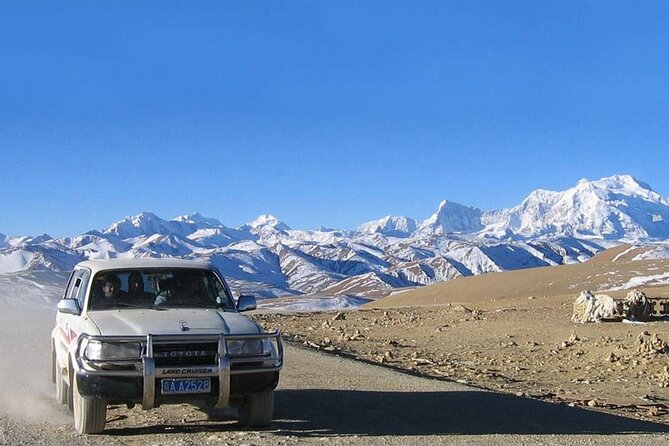
Most Tibet trips feel like a sequence of hurdles, and this one begins the same way—early, formal, and very much real travel. Day 1 has you waking up early, then driving to Kerung Border through countryside, followed by border formalities before continuing the uphill drive toward Kerung.
Why this matters: those early road hours set the tone for your altitude and stamina. If you’re the type who hates being rushed, plan to be practical here: eat before you feel “hungry,” keep essentials within reach, and expect the pace to be driven by border procedures rather than your preferences.
Also, since the tour includes pickup and a group start time of 5:15am, you’ll want a smooth morning routine the day before. The best way to enjoy this kind of day is simple: treat it like transportation with a mission.
You can also read our reviews of more tours and experiences in Kathmandu.
The high-altitude driving days (and why you shouldn’t underestimate them)
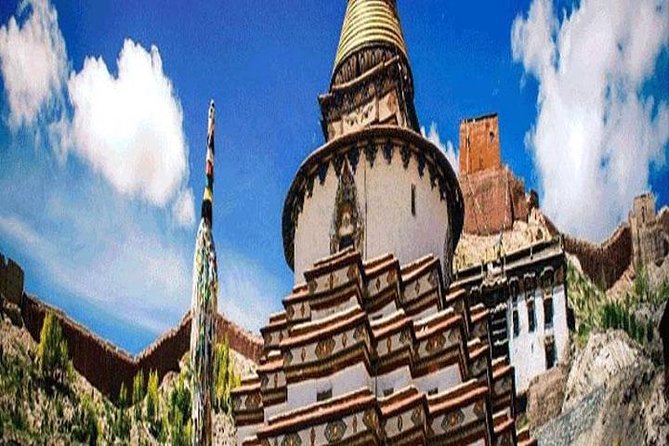
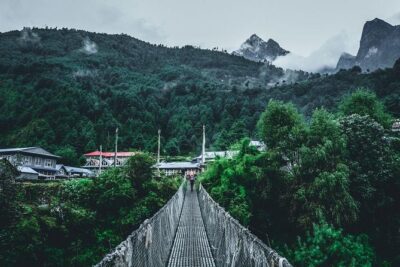
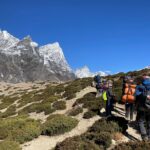
If you remember just one thing about this itinerary, make it the passes. The route crosses several major high points, so you’ll feel Tibet not only in scenery, but in the way the drive works—slower stretches, changing weather, and lots of photo stops that happen because the road takes you there.
- Day 2 moves you toward the highest plateau of the world, with scenic Tibetan landscapes and Himalayan views. You’re also told you’ll reach Tengri for a viewpoint moment.
- Day 3 focuses on the drive to Shigatse and includes Gyatchu La (5,220m), described as the highest pass of the trip.
- Day 5 drives from Gyantse valley area to Lhasa, crossing Karo La Pass (5,010m) and Kamba La Pass (4,794m).
Here’s the practical part: high passes mean your day can be both visually rewarding and physically demanding. Pack for cold mornings even if afternoons feel mild, and keep your water and snacks simple. Even when the tour is well organized, roads at altitude can make you feel “off” longer than you expect.
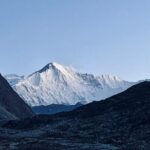
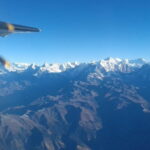
And yes, the route is also where you’re promised panoramic views of major peaks including Mt. Everest (8,848m). I’d treat that as a chance tied to weather and viewing conditions—still worth it, because the bigger value is being on the same mountain road Tibet itself runs on.
Shigatse and Gyantse: monastery power with a village-road feeling
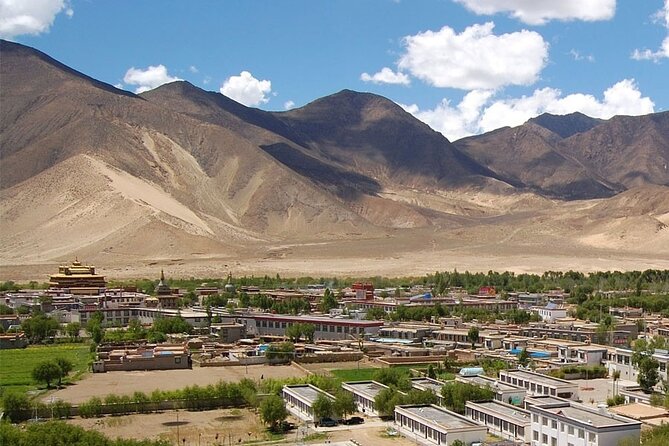
After the first big altitude day, the trip shifts into more cultural stops. Day 3 heads to Shigatse with the pass crossing, then you build toward a more sightseeing-focused pace.
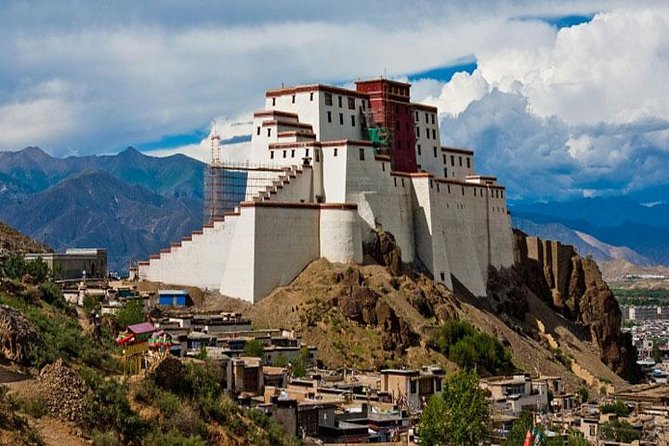
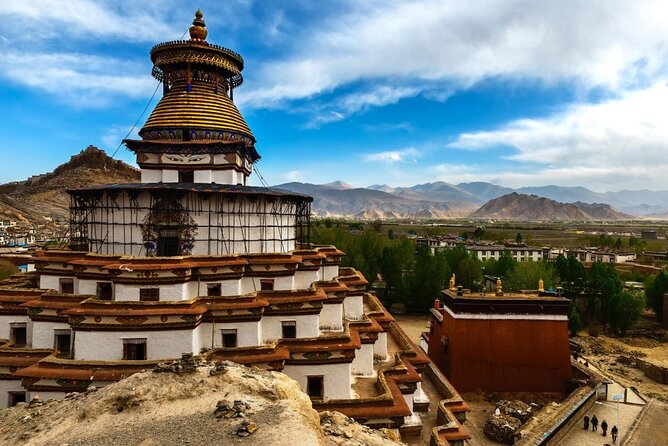
Day 4 is where Gyantse starts to feel like “Tibet beyond Lhasa.” You visit Panchen Lama’s Tashlhumpu Monastery, then you drive to Gyantse valley via Tibetan villages. The program includes Gyantse’s main monastery site, plus Gyantse Kumbum and Gyantse Dzong in the overall tour coverage.
What you gain from this part of the route: monasteries here feel connected to daily life, not separated into a museum-like grid. You’ll get a sense of how communities organize around religious institutions, markets, and daily routines.
Potential drawback: travel time is still part of the day. If you prefer long, leisurely sightseeing breaks, you may find yourself wanting more time in fewer places. Still, the value is that you’re covering multiple “must-see” spiritual sites without flying in and out.
Lhasa Sightseeing: Potala, Old City, and the places you keep hearing about
By Day 5 you’re driving to Lhasa with stops and viewpoints along the way. The route includes sightings of Yamdrok Tso (Turquoise Lake) and the Brahmaputra River—two named features that usually mean the scenery stops are built into the schedule, not improvised.
Then Day 6 and Day 7 become your Lhasa backbone. The sightseeing list is packed with the kinds of places first-time visitors often plan months for:
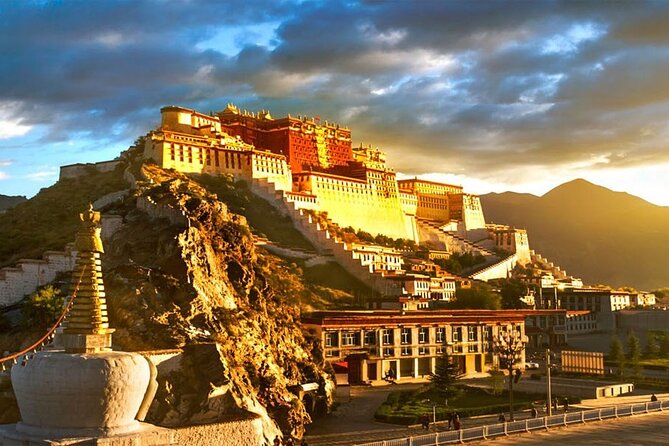
- Potala Palace, including the “winter palace” framing tied to the Dalai Lama tradition, with a town-view viewpoint area
- Norbulingka Palace
- Barkhor Bazaar
- Tibet Museum
- Jokhang Temple
- Drepung Monastery and Sera Monastery
On top of that, the tour overview also includes Sakya Monastery and Shalu Monastery. The timing isn’t described day-by-day in detail, but it’s clear they’re part of the core Lhasa/near-Lhasa religious program.
What makes these stops work in a group format: a good guide helps you read what you’re seeing. Monasteries aren’t just buildings; they’re living institutions with specific layouts, rhythms, and meaning. With an English-speaking Tibetan guide included, you’re not left guessing.
A realistic note: you’ll be doing a lot of walking and standing, and monasteries can be crowded during busy hours. The best strategy is to go in with flexible expectations: enjoy the big rooms and courtyards, then step back when you need a breather.
The monastery circuit: Tashlhumpu to Drepung and Sera
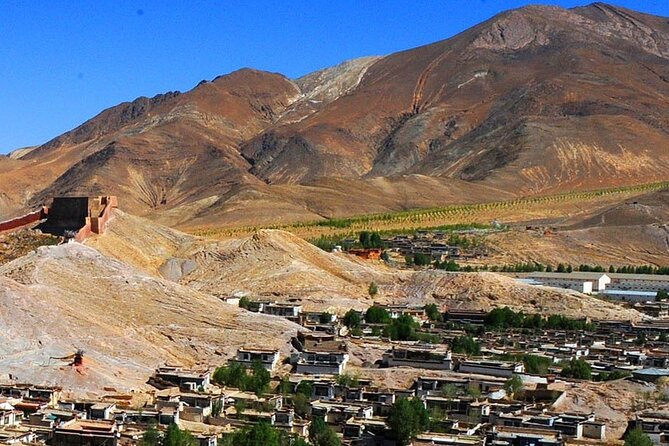
This tour is built around monasteries in a way that feels intentional. You start with Tashlhumpu Monastery in the Panchen Lama tradition, then you move through Gyantse’s major religious sites, and later you reach the Lhasa monasteries.
By Day 7, you’ll be at Drepung Monastery, described as the world’s largest monastery sheltered by 10,000 monks in the past. After that, you go to Sera Monastery.
Why this matters: these sites teach you how Tibetan Buddhism is organized at scale. In smaller stops, you see architecture and devotion. In larger complexes, you see history expressed through size, study halls, and the flow of daily activity.
If you’re sensitive to crowds, pick moments wisely. Early in the day is usually calmer in many places, and the guide’s timing can help. If the day feels rushed, remember this tour is fixed-departure—so you’ll want to listen closely when the guide offers context. It turns “a building you visited” into “a place you understood.”
Mt. Everest panorama time: what to expect from “big views”
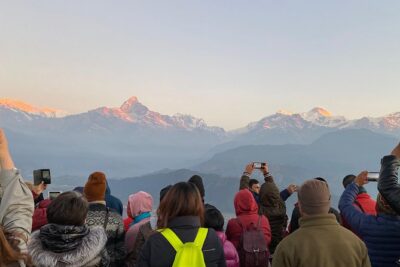
One of the promise points is panoramic mountain views, including Mt. Everest (8,848m). Overland routes are one of the best ways to chase big mountain presence because your viewpoint changes constantly: you crest passes, follow valleys, and stop when the air and angles allow.
But a useful expectation-setting thought: on any overland drive, conditions control outcomes. If it’s cloudy or hazy, you might see fewer peaks than you hoped. Still, the road’s value is bigger than one summit photo. The mountains shape how Tibet feels at every hour—open air, long distances, and sky that seems close.
If you care about photos, bring a lens strategy you can handle on a moving vehicle and during cold pauses. The “mountain road” experience is all about being ready when the window opens.
Lodging, transport, and group size: what “included” really means
This tour keeps things fairly straightforward. You get twin sharing rooms on a bed-and-breakfast basis. You’re also provided English-speaking Tibetan guidance, plus transportation by van or bus according to the itinerary.
There’s a maximum group size of 30 travelers, which tends to make logistics simpler than giant buses. In practice, that usually means you get fewer “where’s our group?” moments and more time for the guide to manage questions.
Two more practical points from the way the program is built:
- Monastery entrance fees are included, so you don’t have to budget for site-by-site ticketing.
- Breakfast is included for 7 days, but lunch and dinner aren’t. That means your daily cost planning should assume meals will be paid separately.
On the comfort side, the tour promises comfortable and clean hotels in the general program experience communicated by the operator. Still, you should expect basic travel standards typical of an overland route—hot showers can be wonderful, but not every stop is a luxury hotel.
Price and value: why $1,300 can be fair for this route
At $1,300 per person for an 8-day overland route, the real question is value: what’s included and what risks are being managed.
Here’s what you’re paying for, in concrete terms:
- Tibet travel permit handled as part of the tour
- English-speaking Tibetan guide
- Transport by van or bus across multiple long road days
- Monastery entrance fees
- Breakfast (7), plus twin sharing bed-and-breakfast lodging
- Pickup offered (helpful because your day starts early)
What you are not paying for:
- Lunch and dinner
- Visa fee and flight/train costs for any sector
- Personal expenses and tips
- A single supplement if you need a solo room
- Any disruption outside the operator’s control
For many people, the permit and guide structure is the biggest time-saver. Planning Tibet yourself can turn into paperwork plus stress. When the operator is doing the permit support and coordinating route logistics, the price starts to make more sense.
The one caveat is that you should confirm what single travelers and meal budgets will look like for you. A cheap tour that forces you into expensive meals each day can end up costing more overall.
Visa and permits: the timing that decides whether your trip happens
This tour is very clear about what you need to do with your documents. You must provide your original passport for Tibet visa processes at least 3 working days in advance, and booking confirmation for your Tibet tour permit needs to happen at least 15 working days in advance.
This is not the kind of paperwork you want to rush. If you’re booking late, you can get caught between permit lead times and embassy/processing timelines. My practical advice: get your passport ready early, and don’t wait until the last minute to start the paperwork discussion with the operator.
Also, because the program includes a fixed departure format, you’ll have less room to “adjust” if your documents arrive late. If you’re the organized type, you’ll be fine. If you procrastinate, this part is where trips fall apart.
How the operator support shows up on the ground
From the communication described by the operator’s team, the support isn’t only paperwork. Names that come up in the company communications include Asmita as a key contact and Gokul as an excellent organizer and guide contact, with strong English language ability reported.
Why that matters: Tibet logistics require confidence. Even when a tour is “fixed,” you still need staff who can respond quickly if border timing shifts, a room assignment changes, or a visitor needs help translating or understanding permit details.
For you, that translates into a simpler experience: fewer questions at the wrong time, and more clarity about what’s happening next.
Day 8 wrap-up: leaving Tibet after a full sightseeing run
On Day 8, you check out after breakfast and drive toward your next destination either back to Kathmandu or onward to Mainland China. It’s another scenic road day, but the key point is that the trip doesn’t drag—you move out soon after the last sightseeing blocks.
This is important if you’re connecting flights. Overland drives can add unpredictability, so I’d plan buffer time for your next leg.
Who this tour fits best
I think this is a strong choice if you want:
- A guided, structured overland route with major religious sights in Tibet
- A group size that stays manageable (max 30)
- English explanation and built-in permit coordination
- The emotional payoff of being on the mountain road, not just in a city bus loop
It may not be your best match if you:
- Want ultra-flexible timing or lots of free time
- Have low tolerance for early mornings and long driving days
- Need all meals included (lunch and dinner are not part of the package)
Should you book this fixed-departure Tibet overland tour?
If your main goal is Tibet by road—Kerung to Shigatse to Gyantse to Lhasa—with permits, guidance, and key monasteries handled for you, I’d say it’s worth serious consideration. The $1,300 price looks reasonable when you factor in transportation, guide support, entrance fees, and the permit side you don’t want to manage alone.
Book it if you can handle high-altitude driving days and you’ll stay organized with passport and permit timing. Skip it if you want a relaxed pace or you’re hoping lunch and dinner are covered. In Tibet, comfort and timing matter, and this tour gives you structure—so you get the best value when you meet it halfway.
FAQ
What’s included in the tour price?
Twin sharing rooms on a bed and breakfast basis, an English speaking Tibetan guide, transportation by van or bus as per the itinerary, monastery entrance fees, Tibet travel permit, and breakfast for 7 days.
Are lunch and dinner included?
No. Lunch and dinner are not included, so you’ll need to budget for meals during the trip.
How early does the tour start?
The start time is listed as 5:15am.
What’s the maximum group size?
The tour has a maximum of 30 travelers.
Do I need my passport for the Tibet visa process?
Yes. The tour notes that you need to provide your original passport at least 3 working days in advance for the Tibet visa and booking confirmation.
How much lead time is needed for the Tibet tour permit?
The tour notes that booking confirmation for the Tibet tour permit must be at least 15 working days in advance.
What’s the highest pass on the route?
Gyatchu La is listed at 5,220m as the highest pass of the trip.
Is the visa fee included?
No. Visa fee is listed as not included.
What are my cancellation options?
You can cancel up to 6 days in advance for a full refund. If you cancel 2–6 full days before, you get a 50% refund. Less than 2 days before the start means no refund, and changes less than 6 or 2 days before aren’t accepted depending on the timing.