REVIEW · DHARAMSALA
Guided, India’s Own Mini Tibet Mcleodganj- Culture Tour
Book on Viator →Operated by Himachal Bylocals · Bookable on Viator
McLeod Ganj feels like two worlds in one valley. This guided Mini Tibet culture tour threads you through key Tibetan sites, with context from an English-speaking local guide and just enough time in each place to keep the day moving. I really like the small group size (up to 15) because it makes questions easy, and I also like that you get bottled water for a practical, no-fuss start. One thing to consider: most admissions are not included, so you’ll want to budget extra cash on the spot.
You’ll walk around Dharamsala’s McLeod Ganj area at a relaxed pace for about 3 to 4 hours, taking in religious and cultural landmarks tied to Tibetan life in exile. There’s no hotel pickup—so plan to meet at the Main Square in McLeod Ganj and handle your own getting there.
In This Review
- Key things to know before you go
- McLeod Ganj’s Tibetan Government in Exile: Why This Short Tour Matters
- Getting Oriented at the Main Square (No Hotel Pickup)
- Your Local English-Speaking Guide Is the Real Value
- Stop 1: Kalachakra Temple Inside Thekchen Choumlling Complex
- Stop 2: Tsuglag Khang (Dalai Lama Temple Complex)
- Stop 3: Library of Tibetan Works and Archives (LTWA)
- Stop 4: The Tibet Museum Near the Main Temple
- Stop 5: Men-Tsee-Khang (Tibetan Medical and Astro Institute)
- Price and Value: What You Pay for at $31
- Who This Tour Suits Best (and Who Might Want More Time)
- Should You Book This Mini Tibet Culture Tour?
- FAQ
- What’s the duration of the Guided India’s Own Mini Tibet McLeodganj culture tour?
- Where do I meet, and where does the tour end?
- Is the tour price ($31) the same as the entrance fees for all stops?
- What’s included in the tour?
- How large are the groups?
- What happens if I cancel?
Key things to know before you go
- Up to 15 people means you get real attention, not just a rushed stamp-through.
- English-speaking local guide adds meaning to what you see at each stop.
- Tsuglag Khang (Dalai Lama’s temple complex) is one of the most important spiritual centers in town.
- LTWA Library gives you a clear picture of how Tibetan culture and language are preserved.
- Tibet Museum + Men-Tsee-Khang connect faith, history, and real-world institutions like medicine.
- Entrance fees not included: you’ll pay for multiple stops, typically around ₹150 per person for the ticketed sites.
McLeod Ganj’s Tibetan Government in Exile: Why This Short Tour Matters
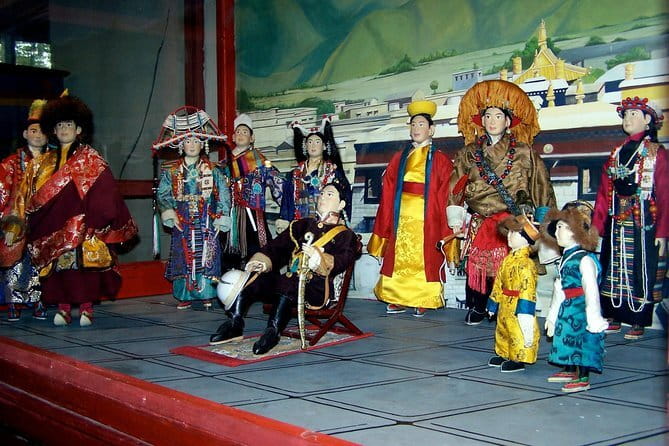
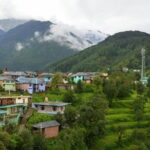
McLeod Ganj sits in Himachal Pradesh, and it’s famous for something deeper than scenery. It’s the seat of the Tibetan government in exile, led by the Dalai Lama, who has lived in the city to this day. That context changes how you read the streets and temples: you’re not just sightseeing, you’re witnessing a community that’s kept its identity through decades of change.
This tour is built for first-time visitors who don’t want to spend a full day figuring things out on their own. You get the core stops that help you understand why McLeod Ganj matters—religion, cultural preservation, and institutions that serve both Tibetans and visitors.
You can also read our reviews of more guided tours in Dharamsala

Getting Oriented at the Main Square (No Hotel Pickup)
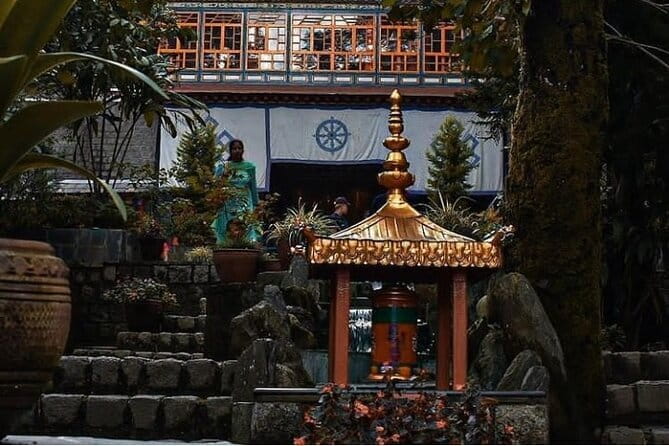
This is a walking culture tour, so you’ll want to show up ready for short strolls and a bit of hill-area movement. Your meeting point is the Main Square in McLeod Ganj, and the tour ends back there. There’s no mention of pick up or drop off from your hotel, so I’d treat this as a “show up at the center of town” kind of outing.
Timing is flexible in real life. The duration is about 3 to 4 hours, but transfers and the exact flow between stops can stretch based on time of day and traffic. The upside? You won’t feel locked into an ultra-rigid schedule, and you can pace yourself with your guide’s guidance.
Also keep in mind the tour includes a mobile ticket. That’s handy in a place where things move fast and official checkpoints can be part of the day.
Your Local English-Speaking Guide Is the Real Value
For a “mini” tour, the guide is what turns a handful of landmarks into a coherent story. This one includes an English-speaking local guide, and that matters because many sites are layered—religious meaning, Tibetan culture, and the history of exile all show up in small details.
A standout point from the experience is the guide’s help and flexibility. One name you may hear is Arjun Malik, noted for strong context around Buddhism and Tibetan culture and for being helpful and adaptable if the group needs a slight adjustment. That’s the kind of guide who can answer the questions you actually have while you’re there, like what a specific temple role means or why certain institutions exist.
Stop 1: Kalachakra Temple Inside Thekchen Choumlling Complex
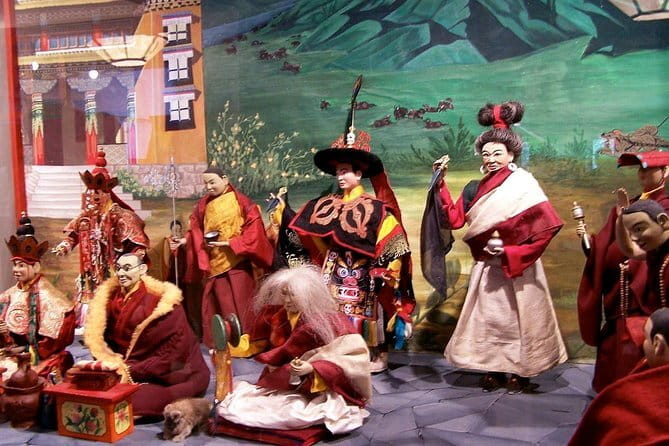
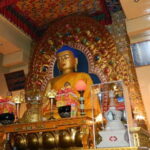
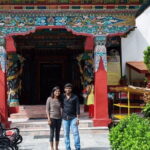
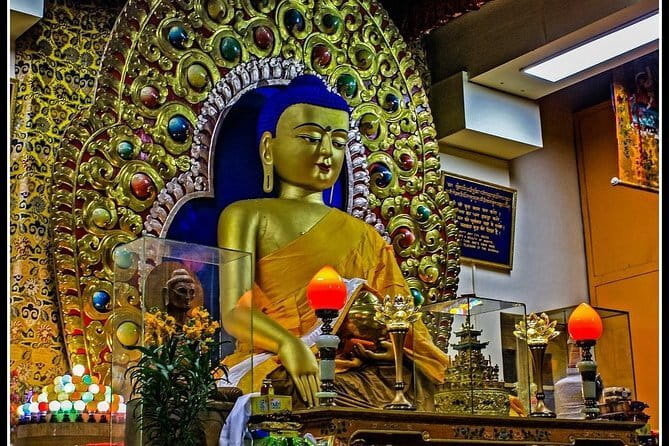
Your first stop is the Kalachakra Temple, located inside the Thekchen Choumlling temple complex in McLeod Ganj. The complex itself also houses the Namgyal monastery, which is useful to know because it hints at how these spaces function as more than one-off photo stops—they’re part of a larger living religious ecosystem.
Plan for about 15 minutes here. Admission for this stop is not included, so you’ll either pay on site or follow your guide’s instructions on what to do when you arrive. Because the time is short, focus on what you can actually take in: the temple setting, the way the complex is organized, and any interpretive pointers your guide shares.
Stop 2: Tsuglag Khang (Dalai Lama Temple Complex)
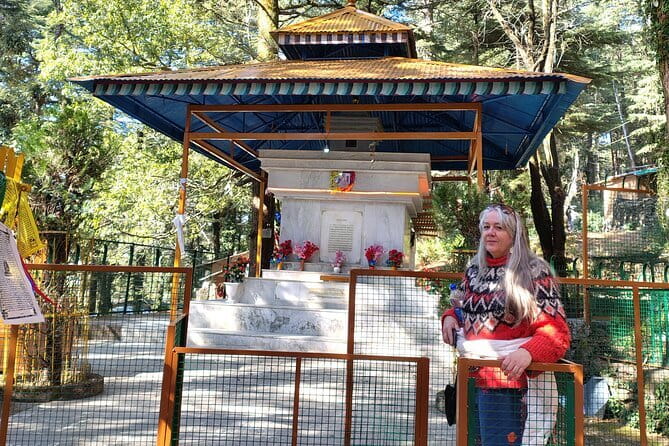
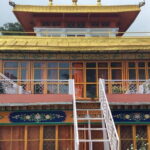
Next is Tsuglag Khang, also known as the Dalai Lama’s temple complex. This is described as the home for His Holiness the Dalai Lama, and it’s also one of the world’s well-known Buddhist religious centers. It’s thronged by Buddhist pilgrims throughout the year, so expect a place that feels active and meaningful rather than quiet and staged.
This stop runs about 20 minutes, and again, admission is not included. The best way to get value in a short time is to treat it like orientation: use your guide’s commentary to understand what you’re seeing, then take in the atmosphere without trying to rush every corner.
If you’re sensitive to crowd flow, keep your pace calm. Pilgrims are part of the whole point of the place, and the respectful rhythm matters.
Stop 3: Library of Tibetan Works and Archives (LTWA)
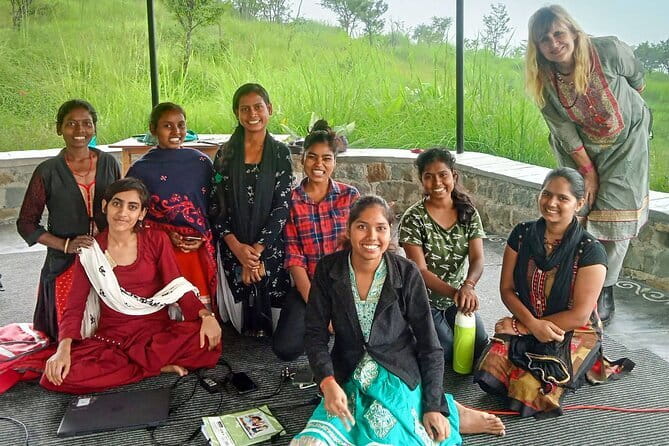
The tour includes the Library of Tibetan Works and Archives (LTWA), about 15 minutes. This is one of the most compelling stops on a cultural tour because it shifts you from buildings and rituals into the “how” of cultural survival.
LTWA was founded by Tenzin Gyatso (the 14th Dalai Lama) on 11 June 1970. Knowing that date gives you a real anchor: you’re looking at an institution that has been working for decades to safeguard Tibetan knowledge. Your guide can help you connect that mission to why McLeod Ganj became such a focal point for Tibetans in exile.
Admission is not included for this stop, so keep some extra money ready. Even if you only get a short visit, this is the kind of place that makes the rest of the tour click—religion and community live in texts as much as in temples.
Stop 4: The Tibet Museum Near the Main Temple
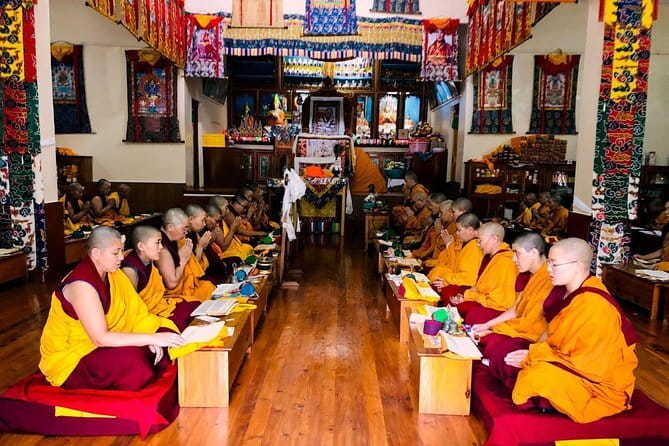
After the library, you’ll visit the Tibet Museum for about 20 minutes. It’s the official museum of the Central Tibetan Administration’s Department of Information and International Relations, located near the main temple of Tsuglag Khang.
This is a smart pairing with the library stop. The museum approach helps you see how information is translated into exhibits—how a community tells its story in a way that visitors can understand. Without getting too technical or turning it into a school field trip, the museum helps you move from spiritual identity to cultural documentation.
Admission is not included here either, and it’s part of the ticketed group of sites you’ll likely pay for during the tour. If you want a quick but meaningful “why it exists” answer to the political and cultural backdrop of the city, this is one of the best places to get it in under an hour.
Stop 5: Men-Tsee-Khang (Tibetan Medical and Astro Institute)
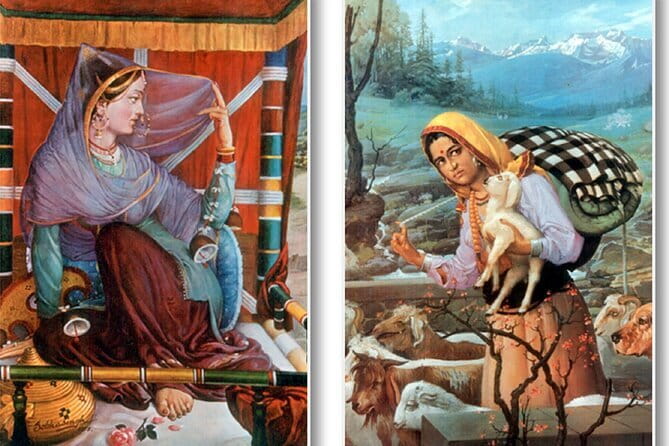
The last major stop is Men-Tsee-Khang, also known as the Tibetan Medical and Astro Institute. You’ll spend about 30 minutes here, which is a little longer than the other cultural stops, so it’s a good place to slow down and actually let the explanation land.
This institute is described as a charitable institution based in Dharamsala. It was founded by the 13th Dalai Lama in 1916 in Lhasa, and it carries both medical and astrological traditions. That combination might sound unusual at first, but that’s exactly why it’s worth including. It shows that Tibetan culture isn’t just philosophy in temples—it’s also practical care, teaching, and systems for understanding life.
Admission is not included. Because it’s the final stop and you have the most time here, I’d use it as your “wrap the day” moment: ask your guide what role these institutes play in the broader Tibetan community in exile, and what visitors typically miss if they only focus on the big temples.
Price and Value: What You Pay for at $31
At $31 per person, this tour is priced like a practical orientation walk rather than a full-day private experience. What’s included is the English-speaking local guide, a walking tour, and a water bottle. That’s a fair package for the amount of context you’re getting across multiple meaningful sites.
The trade-off is clear: entrance fees are not included for the ticketed sites. You’ll pay ₹150 per person for the Tibet Museum, the Library of Tibetan Works and Archives, and Men-Tsee-Khang. (Other stops on the route also note admissions not included, so don’t assume every site is free.)
When does the math work out? If you’re the type who would otherwise pay for a guide or struggle to connect the dots between temples, museums, and cultural institutions, this becomes good value fast. You’re also not dealing with the effort of coordinating multiple stops on your own.
Group discounts are mentioned, and the maximum booking size is up to 15 people. That tends to keep the vibe friendly and question-friendly. If you’re traveling with friends, you might want to check how the discount is applied when you book.
Who This Tour Suits Best (and Who Might Want More Time)
This tour fits best if you want a culture-first overview of McLeod Ganj without turning it into a marathon. It’s especially good for:
- first-time visitors who want clear context for the major Tibetan landmarks
- travelers who prefer a guided explanation over wandering blindly
- anyone who likes mixing religion with institutions like libraries, museums, and medical/astro traditions
It may be less ideal if you want lots of free time inside sites. With stops ranging from about 15 to 30 minutes, you’re going to follow the pace rather than set your own. If you’re deeply into architecture, art, or long museum reading, you might want to add extra independent time after the tour.
Good news: the tour notes that most travelers can participate, so it’s designed to be broadly workable for a typical group. Just remember you’re walking and you’ll be on your feet for a multi-stop morning or afternoon.
Should You Book This Mini Tibet Culture Tour?
If you want a tight, meaningful route through McLeod Ganj’s Tibetan cultural core, I think this is an easy yes. The structure is sensible: temples for spiritual context, LTWA and the Tibet Museum for preservation and documentation, and Men-Tsee-Khang for the living side of culture through medicine and astro traditions. The small group size plus an English-speaking guide keeps it from feeling like a hurried checklist.
I’d book it if:
- you have only 3 to 4 hours and want maximum understanding per hour
- you’d rather ask a local guide questions than guess
- you’re okay paying the ₹150 entrance fee for the ticketed sites
I’d skip or consider adding extra time if:
- you want long, slow visits and lots of independent exploring
- you hate paying site admissions at multiple stops
FAQ
What’s the duration of the Guided India’s Own Mini Tibet McLeodganj culture tour?
The tour runs about 3 to 4 hours, depending on timing and traffic conditions.
Where do I meet, and where does the tour end?
You meet at Main Square, McLeod Ganj, Himachal Pradesh 176215, and the tour ends back at the same meeting point.
Is the tour price ($31) the same as the entrance fees for all stops?
No. Entrance fees are not included for the Tibet Museum, the Library of Tibetan Works and Archives, and Men-Tsee-Khang, which cost ₹150.00 per person.
What’s included in the tour?
The tour includes an English-speaking local guide, a walking tour, and a water bottle.
How large are the groups?
There can be up to 15 people per booking, with a maximum of 15 travelers for the activity.
What happens if I cancel?
The experience is non-refundable and cannot be changed for any reason. If you cancel or ask for an amendment, the amount you paid will not be refunded.