REVIEW · DHARAMSALA
Guided 6 hrs Dharamshala’s Tibetan monasteries & Nunnery tour
Book on Viator →Operated by Himachal Bylocals · Bookable on Viator
Some days in Dharamshala feel like a calm lesson in human faith. This 6-hour Tibetan monastery tour strings together major spiritual sites with a real guide, so you get context as you walk. I especially like how it balances famous names like Namgyal Monastery with quieter stops such as a nunnery at the end, so the day doesn’t feel one-note. One thing to keep in mind: you’ll be walking and riding between monasteries for about six hours, and Norbulingka Institute has an entrance fee you should plan for.
You’ll visit a chain of places tied to living Tibetan traditions, from the Dalai Lama’s personal monastery to tantric practice at Gyuto, then meditation with Tibetan nuns at Thosamling. The experience tends to feel both educational and quietly spiritual, helped by an English-speaking guide and tight grouping (small group size, guided pacing). A possible drawback: the tour includes pickup/drop-off from your hotel, but there’s no lunch included, so you’ll want to sort food timing around the day.
In This Review
- Key highlights you’ll care about
- A one-day plan that actually makes sense in Dharamshala
- Pickup, timing, and why the small group size matters
- Namgyal Monastery: Dalai Lama’s personal monastery and its calm tone
- Nechung Monastery and the Nechung Oracle connection
- Tse Chok Ling Monastery: a peaceful retreat feeling
- Norbulingka Institute: Tibetan culture, gardens, and crafts (Rs 200 fee)
- Gyuto Monastery: tantric rituals and daily monastic practice
- Thosamling Nunnery: meditation sessions and contemplative life
- Price and value: what $68 includes, and what costs extra
- How to get the most out of every stop
- Who this tour is for (and who may want a different pace)
- Should you book this guided monastery and nunnery tour?
- FAQ
- How long is the Dharamshala Tibetan monasteries & nunnery tour?
- What’s included in the tour price?
- Are monastery or entrance fees included?
- Is lunch included?
- Do I get picked up from my hotel?
- How big is the group?
- Is this tour refundable if I cancel?
Key highlights you’ll care about
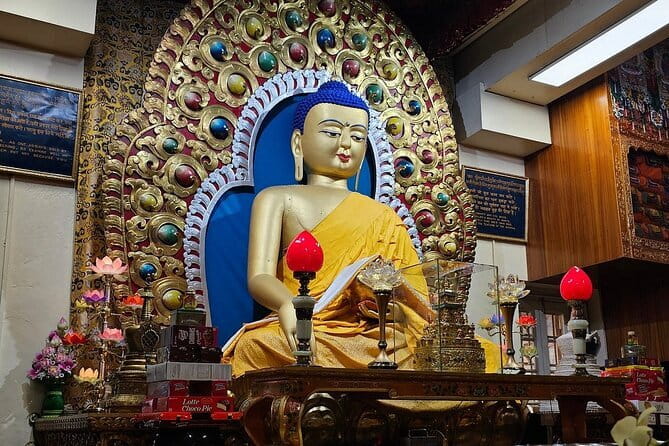
- Six major stops in one day: Namgyal, Nechung, Tse Chok Ling, Norbulingka Institute, Gyuto, and Thosamling Nunnery.
- A small-group cap of 10 helps you hear explanations and keep the pace humane.
- English-speaking local guide with practical context on Tibetan customs and what you’re seeing.
- Norbulingka Institute fee is extra (Rs 200 per person), so plan your budget.
- Pickup and drop-off from your hotel keeps the day stress-light and time-efficient.
- End at Thosamling Nunnery for a quieter, reflective finish with meditation sessions.
A one-day plan that actually makes sense in Dharamshala
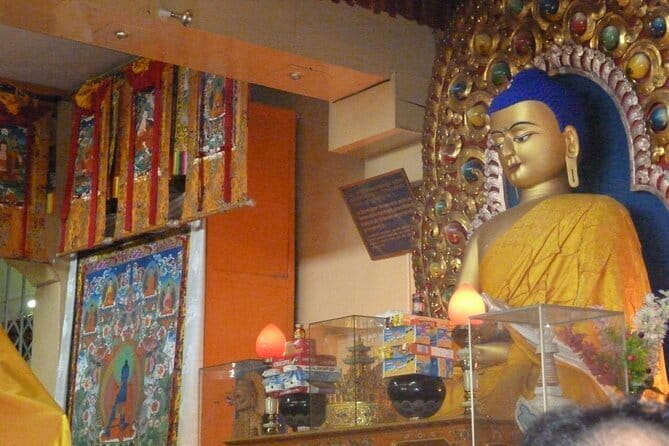
Dharamshala can feel spread out, and Tibetan monasteries aren’t all on the same street. What makes this tour work is the structure: you get a guided circuit of Dharamsala and McLeodganj area monasteries without having to figure out transport between stops. In six hours, you’re not just checking boxes—you’re learning how different monasteries fit together.
The day starts with the spiritual home of the Dalai Lama at Namgyal Monastery, then moves through places connected to deep Tibetan practices, including Nechung Monastery (linked with the Nechung Oracle) and Gyuto Monastery (known for tantric rituals). You finish with Thosamling Nunnery, where meditation sessions shift the mood from learning to slowing down.
The big win for you is flow. You’ll see multiple styles of religious life—monks’ study and ritual, an institute preserving arts and crafts, and nuns practicing meditation—so you leave with a clearer picture than if you visited just one site.
You can also read our reviews of more guided tours in Dharamsala

Pickup, timing, and why the small group size matters
This tour is built around pickup and drop-off from your hotel, plus an English-speaking professional guide. You also get a water bottle, which matters because monastery visits mean walking, stairs, and open-air moments.
The duration is about 6 hours, and the group is capped at 10 travelers. That small size is a big practical advantage: you can ask questions, the guide can keep an eye on timing, and you’re less likely to get lost in a large crowd shuffle.
You’ll also use a mobile ticket, which is handy if you don’t want to fuss with printed vouchers. One practical consideration: with a tight schedule, the day can feel “active.” If you like long stays inside buildings, this may feel a bit fast, but it’s the tradeoff for covering several key sites.
Namgyal Monastery: Dalai Lama’s personal monastery and its calm tone
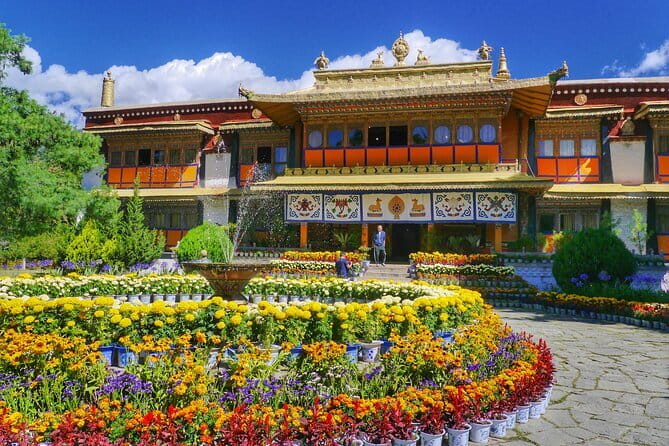
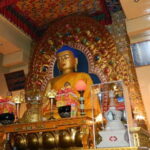
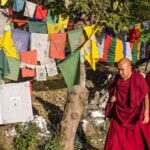
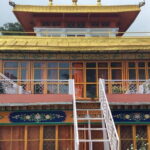
Your first stop is Namgyal Monastery, described as the personal monastery of the Dalai Lama. It’s the kind of place where the atmosphere does some of the teaching for you. Tibetan art and quiet halls set the mood early, so you start the day already oriented toward spirituality rather than tourism.
What I like about starting here is that it gives you a reference point. Even if you’re not sure what you’re looking at, the guide can explain how this monastery fits into Tibetan Buddhist life. You get a sense of why certain spaces feel formal and ceremonial.
Practical note: this is still a working religious site. Keep your voice low, follow any guidance from staff, and be ready for a few moments where you’ll notice prayer and ritual details you might miss without explanation.
Nechung Monastery and the Nechung Oracle connection
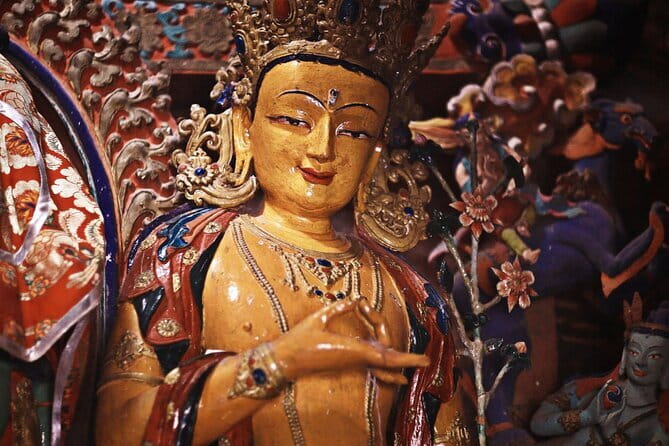
Next comes Nechung Monastery, known for its ancient traditions and for housing the Nechung Oracle. This is where the tour can feel more story-like, because you’re not just looking at architecture—you’re hearing how particular religious roles connect to Tibetan spiritual practice.
The Nechung Oracle reference is a key reason this stop draws people. It helps you understand that monasteries are not only about buildings and prayer. They’re also about roles, tradition, and the way communities structure spiritual authority.
A consideration for your expectations: if you’re hoping for stage-like spectacle, this is more subtle and explanatory. You’re there to learn about practice and tradition, and you’ll likely spend more time listening and observing than watching dramatic performances.
Tse Chok Ling Monastery: a peaceful retreat feeling
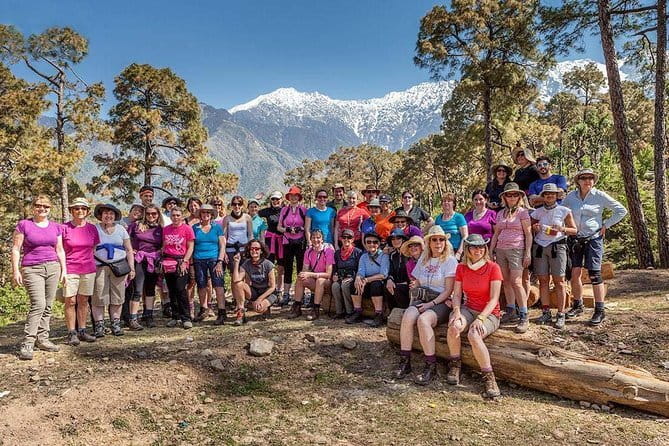
You then visit Tse Chok Ling Monastery, described as a serene retreat surrounded by nature. This stop shifts the energy. Instead of focusing on a single headline concept, it feels more about atmosphere—space, stillness, and the quiet of meditation-oriented life.
This is the part of the tour where you’ll probably appreciate a breather. By now you’ve seen major spiritual sites, so the retreat vibe gives you a change of pace without breaking the day’s theme.
Practical tip for you: wear comfortable shoes. Even if the route isn’t described in detail, monastery areas generally involve uneven ground and some walking between points.
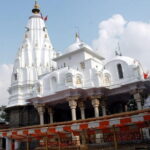
Norbulingka Institute: Tibetan culture, gardens, and crafts (Rs 200 fee)
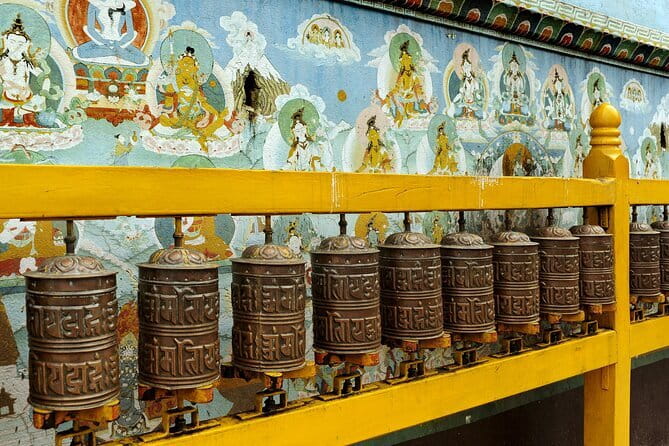
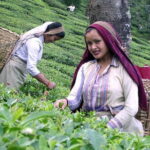
At Norbulingka Institute, the focus widens from strictly religious practice to Tibetan culture, including lush gardens and artisans preserving traditional arts and crafts. This stop is valuable because it shows how Tibetan heritage lives outside temples too.
If you care about culture beyond chanting and rituals, this is the best place to slow down and look at details. Crafts and art practices often communicate Tibetan identity in a way that’s easier to hold onto after the tour ends.
Now the practical part: Norbulingka Institute entrance fee is Rs 200 per person, and it’s not included in the tour price. You’ll want to plan cash or the payment method required at the gate.
Also, because this portion includes gardens, it can feel slightly more outdoors than the monasteries themselves. That’s good when the air is comfortable and less fun when the weather isn’t cooperating.
Gyuto Monastery: tantric rituals and daily monastic practice
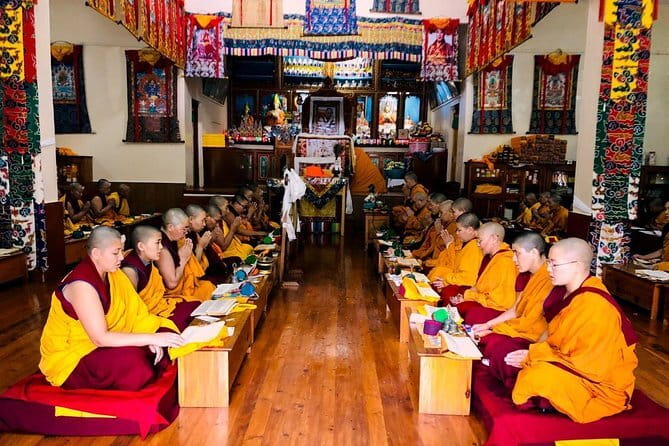
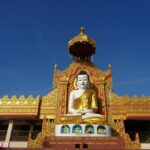
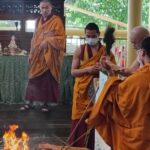
Gyuto Monastery is where you get a direct look at spiritual practice tied to tantric rituals and teachings. The description emphasizes that monks practice tantric rituals, and you’ll observe daily practices and soak up the serenity.
This stop can be eye-opening because tantric traditions are complex, and most visitors only know them in broad terms. With a guide, the value isn’t that you instantly master everything. It’s that you understand what you’re seeing and why the practices are structured the way they are.
One drawback to consider: tantric practices can be visually intense (chanting, ritual focus), but the experience still depends on timing. You may spend more time observing than talking, especially if monks are in the middle of a session.
If you’re sensitive to loud chanting or ritual sound, it’s worth mentally preparing for that possibility.
Thosamling Nunnery: meditation sessions and contemplative life
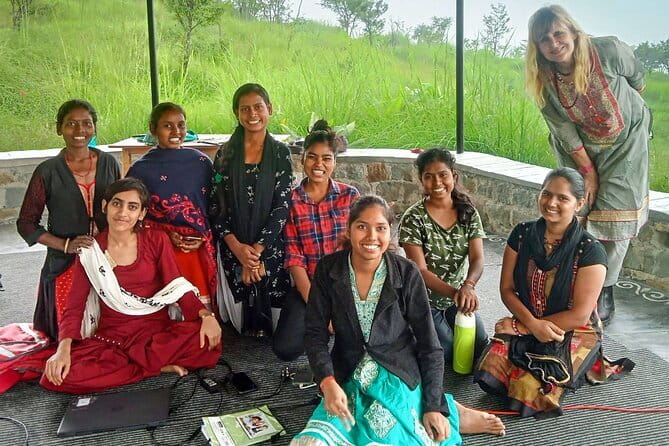
You finish at Thosamling Nunnery, described as a peaceful retreat for Tibetan nuns. This is a strong ending choice because it changes the emotional tone of the day. After monasteries focused on different kinds of ritual life, you end with meditation sessions and insights into contemplative lifestyle.
What I like about ending with Thosamling is that it mirrors what many people want at the end of a culture tour: quiet reflection, not just more sights. The nunnery setting is meant to slow your brain down, and meditation sessions offer a structured way to do that.
This stop is also a reminder of balance. A tour that includes monks and nuns gives you a more complete view of Tibetan community life rather than focusing only on one type of religious role.
Practical consideration: keep your behavior respectful and follow any instructions about where you can sit or observe.
Price and value: what $68 includes, and what costs extra
At $68 per person, you’re paying for a guided, multi-stop monastery circuit. The included items are practical: pickup and drop-off from your hotel, an English-speaking professional guide, a water bottle, coverage of the prominent monasteries in the area, and all taxes.
So what are you not paying for? Lunch isn’t included, and you should budget for monument fees/entrance fees at stops that charge them. The specific entrance fee mentioned here is for Norbulingka Institute (Rs 200 per person).
Is $68 a good deal? For many people, yes—because you’re buying time, transport, and guided context. If you tried to DIY six hours across multiple sites, you’d spend money and energy sorting transit and losing the guide’s explanations. The extra costs (like Norbulingka’s fee) are normal for cultural sites, but you’ll want to factor them into your day.
How to get the most out of every stop
This tour works best when you go in with a learning mindset. You don’t need to be an expert in Tibetan Buddhism, but you’ll enjoy it more if you let the guide translate what you’re seeing into meaning.
Here’s how I’d approach it:
- Ask simple questions early. The first monastery sets your mental framework; questions then pay off later.
- Watch how practices differ. Namgyal feels different from Nechung, and Gyuto’s tantric focus feels different again.
- Respect the space. These are active religious sites; keep voices low and don’t block views of prayer areas.
- Plan for energy. Six hours means steady movement. Wear shoes you trust.
- Bring a lunch plan. Since lunch isn’t included, either eat before or after your tour window, or carry a snack if allowed by the day’s schedule.
If you’re lucky and your guide is Omkar, you’ll likely appreciate his patience and the way he shares details about local customs and traditions. That kind of calm, clear guiding is exactly what helps monastery visits feel meaningful instead of confusing.
Who this tour is for (and who may want a different pace)
This experience is a great match if you want a guided introduction to Tibetan monasteries in Dharamshala and McLeodganj without spending your whole day coordinating transport. You’ll also enjoy it if you like cultural learning that includes both monks’ practice and nuns’ meditation, plus a stop focused on crafts and heritage at Norbulingka.
It may feel less ideal if you’re looking for long, slow visits where you can sit quietly for a long time in one monastery. This tour is designed to cover multiple prominent sites, so you’ll get breadth over depth at any single stop.
It also helps if you’re okay with a schedule that includes both religious and cultural locations. The mix is the point: Tibetan Buddhism here isn’t only ceremonies in one place; it’s community practice across institutions.
Should you book this guided monastery and nunnery tour?
If you want an efficient, respectful way to understand Tibetan spiritual life in Dharamshala, I’d book this. The small group, English-speaking guide, and hotel pickup/drop-off remove most of the friction that can make independent monastery hopping stressful. Ending at Thosamling Nunnery is a smart touch, because it gives your day a calmer, reflective close.
Just do two things before you go: plan for Norbulingka’s Rs 200 entrance fee and decide how you’ll handle lunch since it’s not included. With that sorted, this is the kind of day that leaves you feeling informed and quietly moved, not rushed and overwhelmed.
FAQ
How long is the Dharamshala Tibetan monasteries & nunnery tour?
The tour lasts about 6 hours.
What’s included in the tour price?
Pickup and drop-off from your hotel, an English-speaking professional guide, a water bottle, coverage of prominent monasteries, and all taxes are included.
Are monastery or entrance fees included?
No. Monument fees and the Norbulingka Institute entrance fee (Rs 200 per person) are not included.
Is lunch included?
No, lunch is not included.
Do I get picked up from my hotel?
Yes. Pickup and drop-off from your hotel only is included.
How big is the group?
The tour has a maximum of 10 travelers.
Is this tour refundable if I cancel?
The experience is non-refundable and cannot be changed for any reason. If you cancel or request an amendment, the amount you paid won’t be refunded.
If you tell me your travel month and where you’re staying (Dharamshala vs McLeodganj side), I can also help you think through what time of day to aim for so the day feels comfortable rather than rushed.