REVIEW · DHARAMSALA
Private 6 hrs Mcleodganj & Dharamshala City Tour
Book on GetYourGuide →Operated by Himachalbylocals · Bookable on GetYourGuide
Six hours, and the hills tell you plenty. This private McLeodganj and Dharamshala city tour is packed with Tibetan monasteries and mountain scenery, from Naddi Village up to the Dalai Lama Temple Complex, plus temples that give the day a spiritual rhythm. I love the way it balances big views with real places you can walk into, not just pass by.
I also like that it uses English-language guidance to help you make sense of what you’re seeing as you move through markets, monasteries, and temple stops. One possible drawback: the route needs good weather, and the Bhagsu waterfall area involves a trek, so plan for some walking on uneven ground.
In This Review
- Key highlights
- McLeodganj and Dharamshala in a single day that actually feels full
- Private car and an English guide on tight mountain roads
- Naddi Village at 7,152 feet: a viewpoint start that sets the tone
- Gyuto Monastery: Tantric practice you can understand at street level
- Norbulingka Institute: Tibetan art preservation with a real community behind it
- St. John in the Wilderness (1852): a quiet stop with a different flavor
- Dal Lake and the Dharamshala pause you’ll appreciate
- Bhagsu Nag Temple and the waterfall trek: worth it, but plan your steps
- Dalai Lama Temple Complex and McLeodganj market time
- Tea gardens in Kangra Valley: the smaller scale you can actually feel
- Price and value: is $61 per person a smart deal?
- What to pack (and what to avoid) for a smooth day in Dharamshala
- Should you book this McLeodganj & Dharamshala city tour?
- FAQ
- How long is the Private 6 hrs McLeodganj & Dharamshala City Tour?
- Is this a private tour or shared group?
- What language is the guide and audio guide?
- What’s included in the $61 per person price?
- What’s not included during the tour?
- What happens if the weather is bad?
Key highlights
- Private 6-hour McLeodganj & Dharamshala circuit with hotel pickup and drop-off
- Gyuto Monastery focused on Tantric meditation, ritual arts, and Buddhist philosophy
- Norbulingka Institute showing how Tibetan art is preserved through jobs for artists
- Naddi Village at 7,152 ft for easy access to Himalayan-range views
- Bhagsu Nag Temple and the waterfall trek for a change of pace from viewpoints
- Dalai Lama Temple Complex in Upper Dharamshala often called Little Lhasa of Tibet
McLeodganj and Dharamshala in a single day that actually feels full
This tour is built for one thing: compressing a lot of Dharamshala-area culture into a smooth 6 hours. You’ll bounce between Upper Dharamshala sights (where the Tibetan spiritual world is front and center) and more local stops in and around McLeodganj.
What makes it work is the range. You get Himalayan altitude viewpoints, monastery life, temple architecture, and a market vibe, all in one loop. It’s not a “drive-by” sightseeing day. The stops are specific enough that you’ll leave with mental pictures that match the names.
I like that it’s designed around real themes—Tibetan Buddhism, Tibetan arts, and the local religious mix. Even the church stop (St. John in the Wilderness, built in 1852) adds a quiet contrast so the day doesn’t feel like one long checklist.
You can also read our reviews of more city tours in Dharamsala
Private car and an English guide on tight mountain roads
You start with pickup from your hotel in the city area, then you’re on a private car with a local English-speaking guide. That matters in this region because roads can be narrow and the driving environment is real-world busy: pedestrians, dogs, cows, and motorcycles all share the path. A skilled driver helps you stay relaxed and not tense the whole time.
With a live guide, you’re not just looking at buildings—you’re getting the “why.” Past experiences with guides like Hemraj (from Himachal by Locals) and Raju have highlighted how strong English explanations can make the cultural stops click faster. The included audio guide in English also helps when you want to reread key points or step aside for photos without losing the thread.
Practical win: private transport also gives you control over pacing. If your feet feel it, your guide can often adjust the timing between stops. This kind of flexibility is a big part of why a private tour can feel better than stacking multiple public options.
Naddi Village at 7,152 feet: a viewpoint start that sets the tone
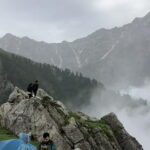
The day often begins with Naddi Village, known for its calm setting and trekking reputation. The big detail here is altitude: it sits around 7,152 ft above sea level. That elevation is why the views can feel so crisp when weather cooperates.
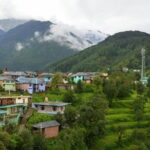
You’re not doing an all-day hike here. Instead, the goal is perspective. Naddi gives you a sense of the Kangra Valley’s scale and the way the Himalayan range frames the area. It’s a clean early stop before the heavier temple and monastery time later.
If you’re sensitive to altitude or you get winded easily, take it slow at the start. You’ll probably have some time to breathe and settle before you move into walking-heavy stops.
Gyuto Monastery: Tantric practice you can understand at street level
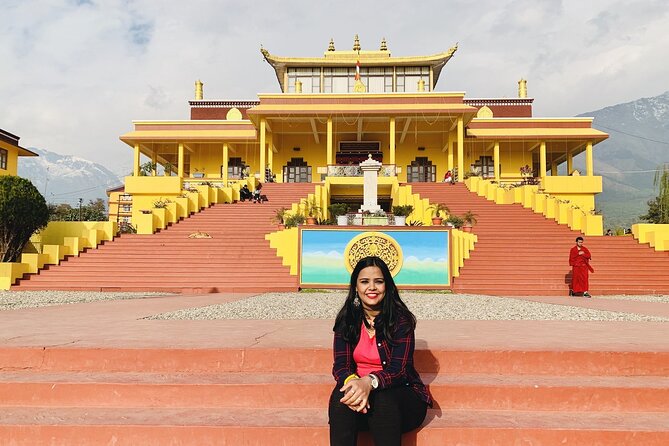
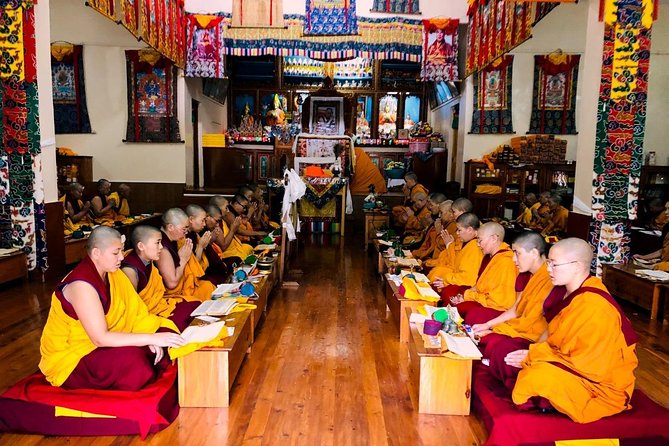
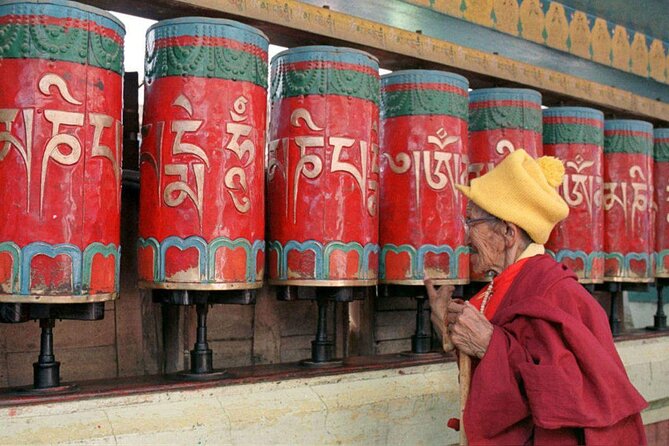
One of the standout spiritual stops is Gyuto Monastery. It’s especially known for study of Tantric meditation, Tantric ritual arts, and Buddhist philosophy. That may sound academic, but the experience becomes concrete once you’re on site and your guide connects it to what you’re seeing.
The monastery was founded in Tibet in 1474 by Jetsun Kunga Dhondup, and the location and focus help explain why this place matters to Tibetan Buddhist education and practice. Even if you don’t follow every term, you’ll likely feel the discipline in how the space is organized and how the day’s flow respects the setting.
In a 6-hour tour, this isn’t meant to be a long sit. Still, it’s a meaningful stop because it gives you context for the rest of the Tibetan cultural sights. If you’re into religion, art, or just cultural history explained in plain words, this one tends to be a highlight.
Norbulingka Institute: Tibetan art preservation with a real community behind it
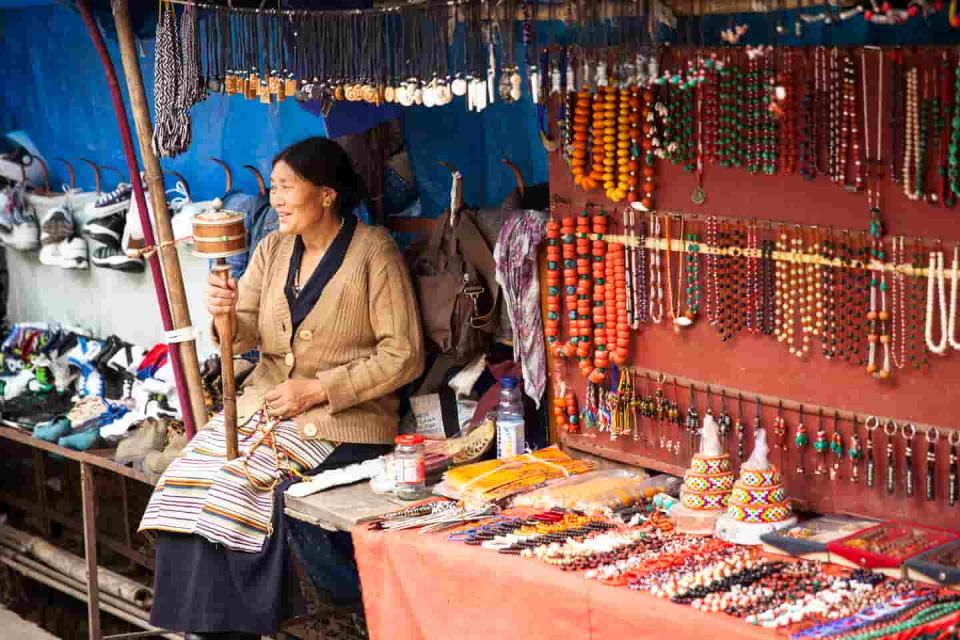
Next is Norbulingka Institute, a place focused on preserving and continuing Tibetan art through self-sustaining means. The key idea is practical: artists and craftspeople work with ancestral knowledge, and the campus supports a community of over 300 Tibetans.
I like how this shifts your perspective. You see Tibetan culture not only as spirituality or scenery, but as livelihoods and skills passed down. If you’ve been to other cultural stops where everything feels like a museum, Norbulingka can feel more grounded, like a living workshop.
This is also a good stop for photos and for asking questions. Your guide can help you connect what you’re looking at to the broader goal of cultural continuity. Even if you only spend a short time here, you leave with a clearer sense of why Tibetan art is protected in places like Dharamshala.
You can also read our reviews of more private tours in Dharamsala
St. John in the Wilderness (1852): a quiet stop with a different flavor
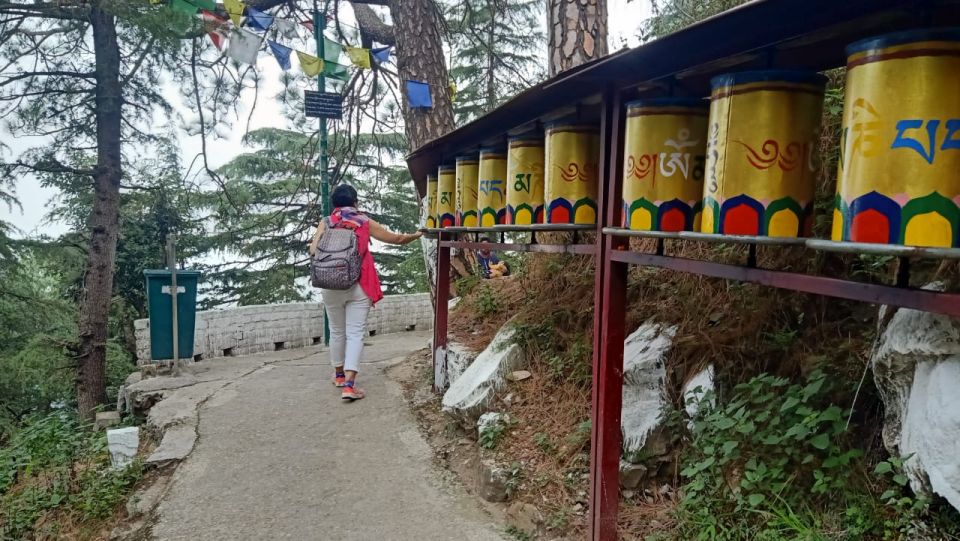
Not every day trip in Himachal includes a church—and St. John in the Wilderness is a standout because it’s dedicated to John the Baptist and was built in 1852. It’s located near Dharamshala, and its calm tone works like a palate cleanser between the more intense monastery/temple moments.
This stop isn’t about replacing the Tibetan sites. It’s about contrast. The area is religiously layered, and this church helps you notice that beyond the Tibetan center of gravity, the region includes other faith traditions that shaped local history.
If the weather is decent and the light is good, it can also be a nice place to slow down, step back from walking, and reset.
Dal Lake and the Dharamshala pause you’ll appreciate
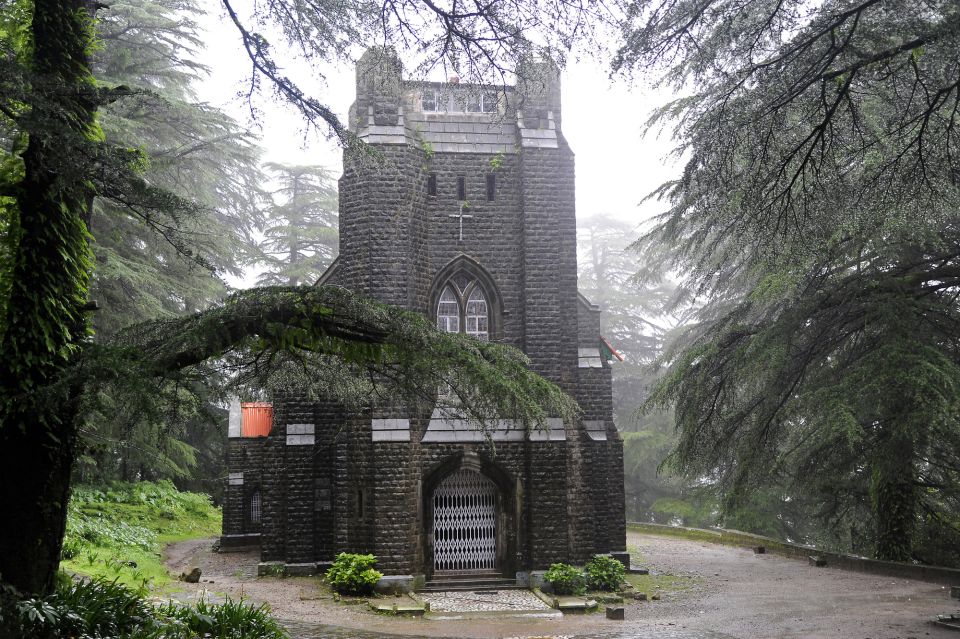
You’ll also have time for Dal Lake, a natural wonder that’s become famous in Dharamshala. It’s one of those places where you can shift from “temple mode” into “breathe-and-look” mode.
This kind of stop is underrated on fast tours. Even a short break by water can help you keep energy for the bigger spiritual sites later. If you’re sensitive to long walking stretches, Dal Lake can be your moment to sit, regroup, and let the day feel less rushed.
Keep your expectations realistic: this isn’t a full lakeside day trip. It’s a meaningful pause inside a structured route.
Bhagsu Nag Temple and the waterfall trek: worth it, but plan your steps
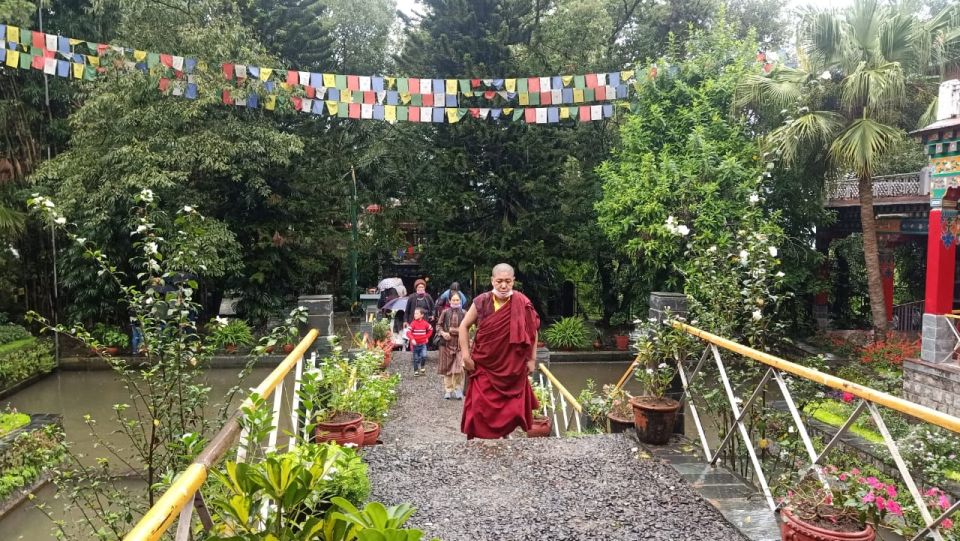
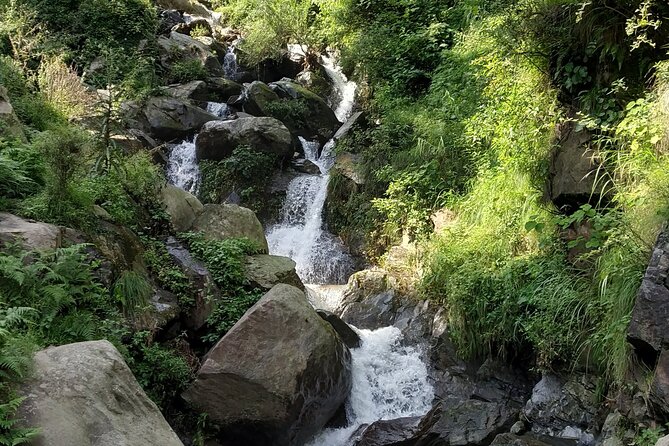
Bhagsu Nag Temple is popular for a waterfall and an ancient temple connection. The important detail is that you need to trek to reach the waterfall area. That means the stop is more physical than it looks from the road.
If your legs are steady and you don’t mind uneven ground, this is one of the best “nature-meets-religion” moments of the day. The waterfall aspect adds motion and fresh air, especially after earlier monastery and temple time.
But here’s the consideration: if conditions are slippery or visibility is poor, the trek can feel harder. The tour description also stresses that the experience needs good weather, and this is one of the stops where weather matters most.
Wear comfortable shoes you trust. Take breaks. If you’re not comfortable with treks, ask your guide early how much walking is involved for your specific day.
Dalai Lama Temple Complex and McLeodganj market time
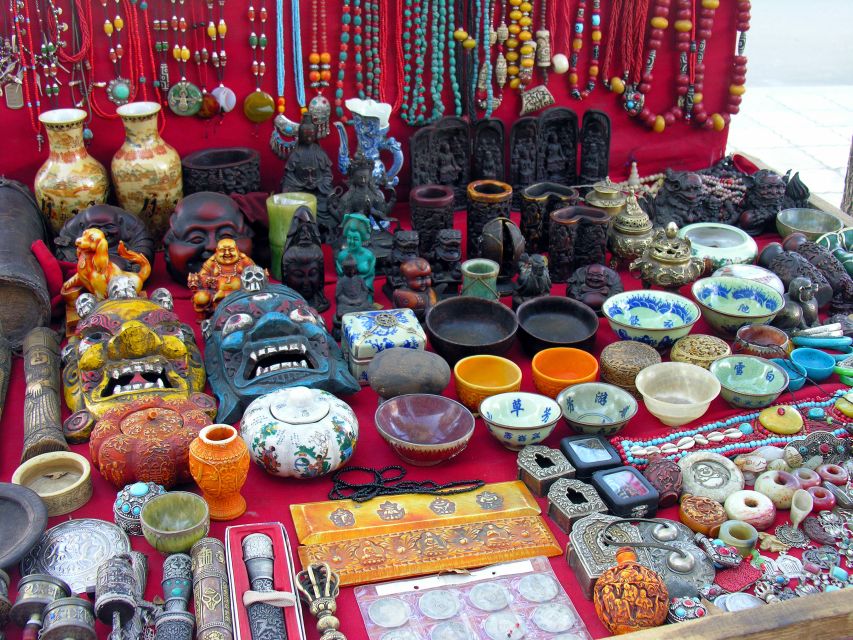
In Upper Dharamshala, you’ll reach the Dalai Lama Temple Complex, also known as Little Lhasa of Tibet. It’s world-famous because His Holiness the Dalai Lama resides here, and the main temple is where teachings are given several times a year.
Even if you’re not timing your visit around teachings, you’ll still feel the significance of the place. It’s one of those sites where the symbolism makes sense quickly because everything around you reinforces the same cultural story.
After the temple complex, the day can shift into McLeodganj market territory. McLeodganj is famous for culture and crafts, and the market atmosphere helps you take home something tangible—practical souvenirs, local art, and everyday items tied to Tibetan and Himalayan life.
If you want to try local snacks, plan time for it here. One highlight from past guests includes enjoying momos as part of the day’s food moments, and this is the kind of place where those quick bites fit naturally between viewpoints and temples.
Tea gardens in Kangra Valley: the smaller scale you can actually feel
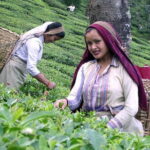
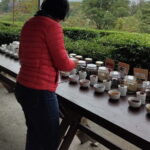
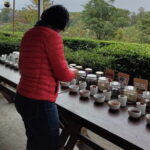
The tour also touches the tea side of Dharamshala. This area is known as the smallest tea region of India, with organized tea gardens across the Kangra Valley. It’s a different kind of beauty than snow peaks or monastery courtyards, and it helps round out the region.
On a short tour, tea isn’t about becoming a tea expert. It’s about noticing how the land is worked and how it shapes daily life. If you like agricultural landscapes in a literal sense (rows of tea plants, a sense of cultivation), this stop adds texture to the day.
If you hate slow walking in sun, this part may feel more comfortable if the weather is mild. Ask your guide what to prioritize if time gets tight.
Price and value: is $61 per person a smart deal?
At $61 per person for a 6-hour private tour, the value depends on your group size and how much you care about guided context. What you get for that price is the real cost-heavy stuff: pickup and drop-off by car, private transport, a local English-speaking guide, and all taxes.
Lunch and monument fees are not included, so you’ll need to budget separately for meals and any entry charges at specific sites. That’s normal for many cultural tours, but it’s worth keeping in mind because the day is packed and hunger can hit at the wrong moment.
Still, when you compare “private car + live guide + multiple stops” against piecing it together on your own, the math often lands in your favor—especially if you want the day to feel coherent instead of chaotic.
My advice: if you’re traveling with a companion, the per-person cost usually feels easier to justify. If you’re traveling solo, it can still be worthwhile if you strongly prefer private guidance and want the flexibility to manage walking.
What to pack (and what to avoid) for a smooth day in Dharamshala
This tour calls for comfortable clothes. That sounds basic, but it matters because you’ll mix temple interiors, outdoor viewpoints, and a trek toward the Bhagsu waterfall area.
Also follow the tour rules around the vehicle: no alcohol, no drugs, and no drinks in the car. If you’re the type who likes bringing snacks for the ride, plan to consume food outside the vehicle.
Two other practical notes from the tour details:
- It’s not suitable for people over 95 years or over 309 lbs (140 kg).
- The day is weather-dependent, so you may need a backup plan if fog or rain changes the conditions.
If you want the best experience, bring a light layer for cooler air at higher elevations and keep your footwear reliable.
Should you book this McLeodganj & Dharamshala city tour?
Book it if you want a guided, structured introduction to Dharamshala and McLeodganj without spending your whole day figuring out routes and timing. The mix of Gyuto Monastery, Norbulingka Institute, Bhagsu Nag Temple, St. John in the Wilderness, and the Dalai Lama Temple Complex is the kind of lineup that works well in just a few hours—especially with a private guide who can explain what you’re seeing.
Skip it (or switch dates) if you don’t handle short treks well or if your schedule can’t flex for weather. Since the tour requires good conditions, an inflexible plan can make the day less fun.
If you’re here for Tibetan culture, Himalayan scenery, and the spiritual texture of Upper Dharamshala, this one is a strong fit.
FAQ
How long is the Private 6 hrs McLeodganj & Dharamshala City Tour?
The tour lasts 6 hours.
Is this a private tour or shared group?
It’s a private group tour, meaning only your group participates.
What language is the guide and audio guide?
The live guide is English, and the audio guide included is also in English.
What’s included in the $61 per person price?
Pickup and drop-off, sightseeing by car, full day McLeodganj city sightseeing, a local English speaking guide, private transport, and all taxes are included.
What’s not included during the tour?
Lunch, breakfast or dinner are not included. Monument fees and personal expenses are also not included.
What happens if the weather is bad?
The experience requires good weather. If it’s cancelled due to poor weather, you’ll be offered a different date or a full refund.