REVIEW · POKHARA
Pokhara to Kathmandu Premium Sofa Bus Ticket
Book on Viator →Operated by New Road Travels and tours pvt ltd · Bookable on Viator
A sofa bus makes this long drive feel manageable. On the Pokhara to Kathmandu route, this $11 VIP option focuses on comfort, quick breaks, and a smooth, mostly uninterrupted run. You’ll get bottled water onboard, plus reclining seating that helps you actually rest instead of just surviving the ride.
What I like most is how simple the day stays. You get just a few planned stops—especially the Jamune breakfast stop and the Kurintar lunch break—where food is described as hygienic and the riverbank view makes the wait feel shorter. One thing to keep in mind: travel time can stretch from the ideal 6 hours to 7–8 hours if you hit highway delays or unexpected operational issues.
In This Review
- Key Points Before You Sit Down
- Pokhara to Kathmandu by Premium Sofa Bus: What the $11 Gets You
- Reclining Seats, Bottled Water, and a Max-30 Bus Vibe
- Timing and Route Reality: When 6 Hours Turns Into 7–8
- Breakfast Stop in Jamune: Quick Food and Riverside Views
- Lunch Stop at Kurintar: 30 Minutes to Eat Well and Look Outside
- How This Service Stays Tourist-Focused (and Why That Matters)
- Mobile Ticket Check-In and Seat Reality
- Value for Money: When VIP Comfort Is Worth It
- Safety, Service Quality, and the Mixed Feedback Picture
- Who Should Book This Bus—and Who Might Be Happier Elsewhere
- Should You Book This Pokhara to Kathmandu Premium Sofa Bus?
- FAQ
- FAQ
- How long does the Pokhara to Kathmandu bus ride take?
- What time does the bus leave?
- Where are the main stops during the trip?
- How long is the breakfast stop?
- How long is the lunch stop?
- Is bottled water provided on the bus?
- What kind of seats are on this VIP bus?
- What is the group size limit?
- Are there age limits?
- Is the ticket mobile, and where does it end?
Key Points Before You Sit Down
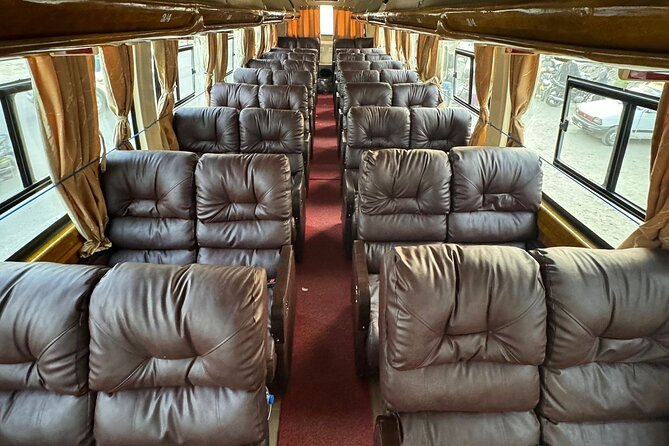
- Reclining premium sofa seats help you get real rest on a 6–7 hour drive
- Bottled water is provided during the trip, so you’re not hunting for supplies
- Only two main meal stops: Jamune for breakfast (20 minutes) and Kurintar for lunch (30 minutes)
- Small group size (max 30) makes boarding and managing the bus less chaotic
- Mobile ticket keeps check-in simple, and service animals are allowed
Pokhara to Kathmandu by Premium Sofa Bus: What the $11 Gets You
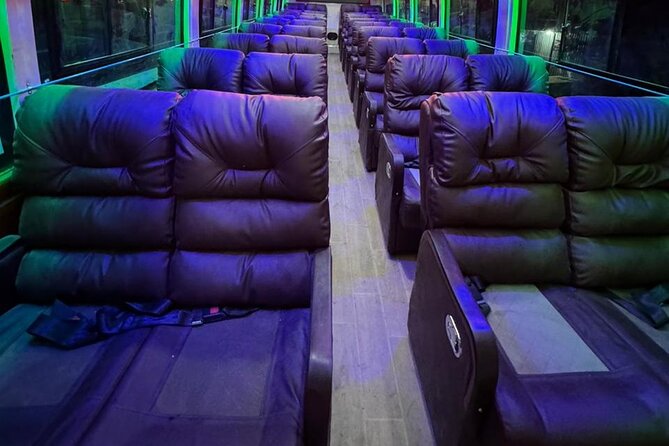
For $11, this is the type of ride you choose when you want to move between cities without overthinking it. It’s positioned as the economical choice in the VIP category, meaning you’re paying for comfort upgrades like reclining seats rather than paying for sightseeing tours or extra inclusions.
You should think of this trip as transportation with two perks: breaks timed around meals and a more comfortable seat for the long hours. If you’re price-sensitive but you still want to arrive feeling human, this route can be a good fit.
Just note the practical reality: the ride time is listed as roughly 6 to 7 hours, with the journey averaging closer to 7–8 hours. That gap usually comes down to highway traffic and any delays in the flow of vehicles.
You can also read our reviews of more tours and experiences in Pokhara.
Reclining Seats, Bottled Water, and a Max-30 Bus Vibe
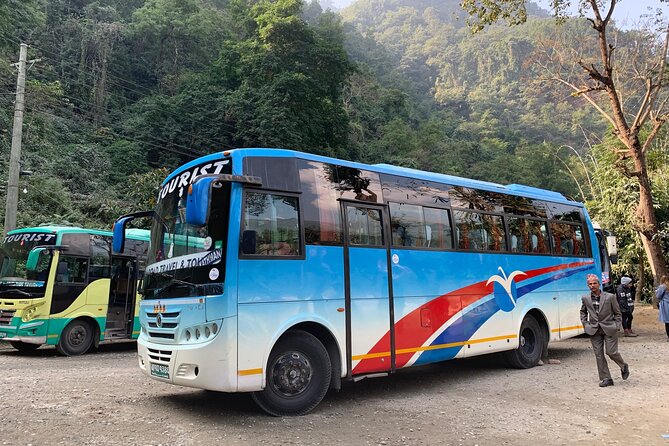
The biggest quality-of-life feature here is the seating. Premium sofa buses are in demand for a reason: you get more comfort and more ability to recline during the drive. On this Pokhara-to-Kathmandu route, that matters because you’re on the road for most of the day’s morning into midday.
You’ll also have bottled water provided on the bus. That sounds basic, but it’s one less task at the station, and it helps if you’d rather focus on relaxing instead of planning purchases.
Finally, the bus capacity is capped at 30 travelers. That’s not a tiny bus, but it’s small enough that you’re less likely to feel like cattle in the aisles. It can also make boarding and leaving the stop points feel more controlled.
Timing and Route Reality: When 6 Hours Turns Into 7–8
The schedule starts early: the service begins at 6:45 am. If you’ve ever tried to rush across a bus station while half-asleep, you already know why that early start can be either great (more of the day ahead) or annoying (waiting in the cold for a late departure). I’d treat the listed start time as a target, not a guarantee.
The route itself is described as having limited stops—only three places total, with the main planned breaks tied to breakfast and lunch. If everything runs smoothly, you might be looking at around a 6-hour trip. If not, highway delays can add time and push you closer to the 7–8 hour range.
A useful way to plan this: treat your arrival window as flexible. If you’re booking a separate activity the same day, give yourself buffer time rather than stacking events back-to-back.
Breakfast Stop in Jamune: Quick Food and Riverside Views
The bus makes a breakfast stop in the Jamune area, and the pause is set at 20 minutes. This is not a long sit-down meal. It’s a “grab, eat, and reset” moment—perfect if you like stretching your legs and want something warm before settling back into your seat.
The most practical detail is that the food is described as hygienic. In a short stop, that’s what you care about: fast service, clean basics, and minimal hassle.
It also helps that the stop comes with a riverbank view. You won’t have time to linger for a photo essay, but even a quick look out while you eat makes the stop feel less like a chore and more like a brief reset before the road takes over again.
Lunch Stop at Kurintar: 30 Minutes to Eat Well and Look Outside
Next comes lunch in the Kurintar area, with a 30-minute break. Compared with breakfast, this is a more realistic window to order something substantial and actually feel like lunch happened.
Again, the food is described as hygienic. That’s especially valuable on a highway day, because when you only get short stops, you don’t want to gamble on quality.
The view factor repeats here too: there’s a beautiful riverbank view with food, which turns the lunch wait into part of the experience instead of just downtime. If you’re the type who doesn’t do well with long, repetitive travel, this is one of the reasons the ride can feel easier.

How This Service Stays Tourist-Focused (and Why That Matters)
One of the key operational notes is that this tourist bus does not stop for local passengers who signal to board along the highway. That’s important for two reasons.
First, it keeps timing steadier. Fewer unscheduled stops usually means less chaos and fewer surprises. Second, it signals that the service is designed for ticketed departures rather than constantly changing pickup conditions.
There are numerous buses running between Kathmandu and Pokhara each day, and this one is part of that flow. You’re not getting a private car, but you are getting a structured route with meal stops built in.
If you prefer a predictable ride where the bus does what it’s supposed to do, that approach is a plus.
Mobile Ticket Check-In and Seat Reality
The ticket format is a mobile ticket, which is a convenience if you’re already using your phone for everything else during your trip. It reduces the friction of losing a paper ticket and can speed up entry at the bus.
Still, seat expectations are worth handling thoughtfully. Even when a bus is sold as premium, seating can be influenced by weight distribution, availability, and last-minute operational changes. One recurring theme in the feedback is that seat placement doesn’t always match what people expected from the bus photos.
My practical advice: if you care about getting a specific kind of seat (like window or front), I’d confirm it as early as possible at check-in. If the bus company asks you to adjust during boarding, keep calm, but be firm about what you need for comfort.
Also, carry a small buffer in your plan. If delays or last-minute bus changes happen, you want your mood and schedule to absorb it without ruining the rest of your day.
Value for Money: When VIP Comfort Is Worth It
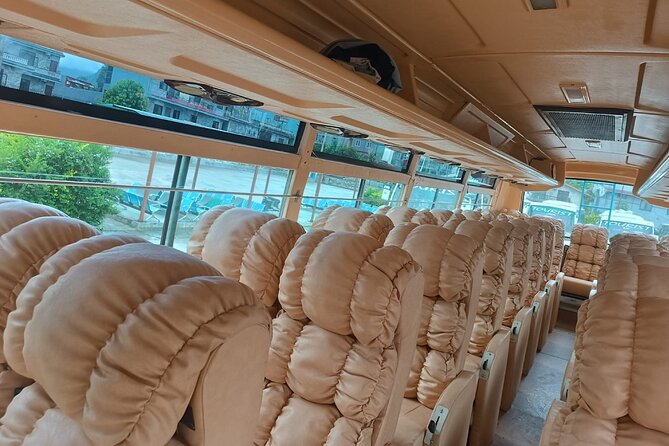
At $11 per person, the main value is straightforward: you’re paying for comfort and basic onboard support without paying tourist-bus pricing that feels excessive. A premium sofa seat and bottled water can be a big deal on a long drive, especially if you’re not trying to spend your travel day sightseeing.
If you’re choosing between the cheapest bus and this VIP option, ask yourself one question: do I want to arrive rested enough to enjoy Kathmandu the same day? If the answer is yes, this pricing makes sense.
Just keep your expectations aligned with what’s actually included. The main listed inclusion is the bus ticket, and the other concrete comfort perks you’re specifically told about are bottled water and reclining seating. Don’t expect guides, extra activities, or a fully guided day.
Safety, Service Quality, and the Mixed Feedback Picture
The overall rating shown is 3.8 based on 19 reviews, which tells you the experience is often fine but not perfectly consistent. That’s normal for high-volume transport, where one delayed morning can create a lot of frustration for a set of people at once.
The good sign is that many departures are run in a friendly, travel-oriented way, and the seat comfort is often the reason people choose this class of bus. The caution sign is that some operational issues have been reported, including last-minute bus changes and time wasted while waiting.
Here’s how I’d handle that as a traveler:
- Arrive early enough to wait without stress, since the stated start time is 6:45 am
- Stay flexible if the bus changes at the last minute
- Keep your expectations practical and your schedule buffered
If anything feels clearly unsafe, trust your judgment immediately. You’re spending hours on a road service; your comfort and safety are non-negotiable.
Who Should Book This Bus—and Who Might Be Happier Elsewhere
This Pokhara to Kathmandu premium sofa bus is a strong choice for:
- You want comfort without paying for a private transfer
- You don’t want complicated touring—just reliable transportation with meal breaks
- You’re okay with a short stop schedule and the possibility of highway delays
- You’re traveling with someone in the allowed age range (6–75 years)
It may be less ideal if:
- You need a perfectly timed arrival for a same-day appointment and can’t buffer time
- You’re very sensitive to seat placement and want zero chance of changes
- You’re uncomfortable with minimal stops and quick breaks
Also, the service allows service animals, and it’s described as near public transportation. So if you’re planning onward logistics in Kathmandu, this route doesn’t leave you stranded far from other movement options.
Should You Book This Pokhara to Kathmandu Premium Sofa Bus?
If you’re looking for an affordable way to cover the distance between Pokhara and Kathmandu with a more comfortable seat and clear meal-stop structure, I’d say it’s worth considering. The best reasons to book are the reclining premium sofa seats, the bottled water, and the fact that the bus only stops briefly at Jamune (20 minutes) and Kurintar (30 minutes)—with food stops that include a riverbank view.
I would not book this as if it were a guaranteed clockwork service. Build in extra time for highway realities and possible operational hiccups. If you can do that, you’ll likely feel like you got good value for a long road day.
FAQ
FAQ
How long does the Pokhara to Kathmandu bus ride take?
The journey is described as about 6 to 7 hours, with an average travel time around 7 to 8 hours.
What time does the bus leave?
The start time is listed as 6:45 am.
Where are the main stops during the trip?
The bus makes stops in three places total, including a breakfast stop in the Jamune area and a lunch stop in the Kurintar area.
How long is the breakfast stop?
The breakfast stop in the Jamune area is about 20 minutes.
How long is the lunch stop?
The lunch stop in the Kurintar area is about 30 minutes.
Is bottled water provided on the bus?
Yes, bottled water is provided on the bus.
What kind of seats are on this VIP bus?
It’s a premium sofa bus with reclining seats.
What is the group size limit?
Each bus has a maximum of 30 travelers.
Are there age limits?
Ages 6 to 75 are allowed.
Is the ticket mobile, and where does it end?
The ticket is mobile. The experience ends back at the meeting point. Confirmation is received at the time of booking.