Momo night in Kathmandu feels like a friendly workshop. I like the hands-on flow from kneading to folding, and I like the sit-down time after you cook. One drawback to note: the class is not recommended for gluten allergies.
This is a true kitchen-in-a-home setup, hosted by a local teacher in Kathmandu. You’ll learn the steps behind Nepal’s most famous dumpling, then share the food with the host and family, not just take a takeaway and run.
You’ll also choose between veg and non-veg. Expect to work with chicken and buffalo options alongside a veg momo approach, and plan for about 2 hours 30 minutes from start to finish.
In This Review
- Key Things to Know Before You Start
- Why a Momo Class in a Kathmandu Home Feels More Real
- The 2.5 Hours Breakdown: Knead, Fold, Cook, Eat
- Step 1: Kneading the dough
- Step 2: Preparing the ingredients
- Step 3: Folding the momos
- Step 4: Cooking the momos
- Step 5: Sit with the host family and enjoy
- Chicken, Buffalo, and Veg Options: What You Can Make
- The Home Kitchen Atmosphere (and How It Affects Your Experience)
- Getting There in Kathmandu: Sorakhutte Meeting Point and Timing
- Price and Value: Is $35 Worth It?
- Who Should Book This Momo Workshop
- Who Might Want to Skip or Adjust
- Should You Book This Momo Cooking Class?
- FAQ
- Where does the Momo Cooking Class start?
- Does the class end at the same place?
- How long is the class?
- How much does it cost?
- Is this a private tour?
- What kinds of momos will I learn to make?
- What steps does the workshop include?
- Will I eat the momos after cooking?
- Is it suitable for gluten allergies?
- How do tickets and confirmation work?
Key Things to Know Before You Start
- You’ll make momos, not watch someone else: dough, filling, folding, and cooking are part of your time.
- You can learn multiple momo styles: chicken, buffalo, and veg momos are offered.
- You eat with the host family: conversation is built into the experience after cooking.
- A translator can be part of the setup: helpful if your Nepali is limited.
- It’s private for your group: only your group participates.
- Not for gluten allergies: the host notes it isn’t recommended if you have gluten issues.
Why a Momo Class in a Kathmandu Home Feels More Real
Kathmandu has plenty of places to buy momos. This class gives you something more personal: you see how the dumplings come together step by step in a local kitchen, with an experienced host who teaches regularly.
I love that it’s built around doing. Food-learning works best when your hands move, when you feel the dough change and you get the folding technique into your muscle memory.
One more thing I appreciate: you’re not stuck in a classroom. You’re welcomed into a humble home atmosphere, then you sit down with the host and family once your momos are ready. That shared meal part is often the difference between a “class” and a genuinely local evening.
You can also read our reviews of more cooking classes in Kathmandu
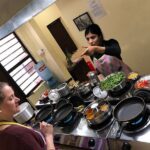
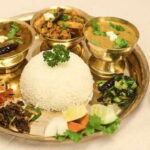

The 2.5 Hours Breakdown: Knead, Fold, Cook, Eat
You should think of the timing as a complete loop: prep first, then making, then eating. The structure is clear, so you’re not waiting around wondering when you’ll actually get to cook.
Step 1: Kneading the dough
The class starts with dough kneading. This matters because momo dough isn’t just a wrapper you ignore later. When you learn what the dough should feel like, you get better folds, better bite, and fewer dumplings that fall apart when cooked.
If you’re new to dough work, don’t worry. This format is designed for normal people, not pro bakers, and it’s paced through the process.
Step 2: Preparing the ingredients
Next comes ingredient prep. You’ll learn how the filling components are handled before they go into the dumplings.
This is where the class earns its value. By the time you start folding, you’ll understand what’s going into your momos instead of treating it like magic.
Step 3: Folding the momos
Folding is the big skill moment. You’ll work through the process of shaping the dumplings, which is what most people remember about momos once they’ve tried them in Nepal.
In practice, folding takes a few tries. The good sign here is that the instructor is friendly and patient, so it doesn’t feel like you’re failing in front of strangers.
You can also read our reviews of more tours and experiences in Kathmandu

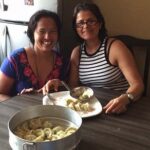
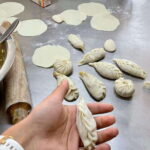
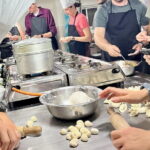
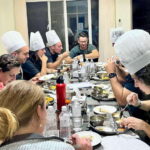
Step 4: Cooking the momos
After you fold, it’s time to cook. The class walks you through the cooking stage so you understand the full chain from dough to finished dumpling.
Don’t rush this part. You’ll want to pay attention, since cooking is where texture becomes real. That moment when the dumplings are finally done is also when the whole experience clicks.
Step 5: Sit with the host family and enjoy
Once your momos are prepared, you sit with the host and family to enjoy them together. This is not an afterthought. It turns the class into a meal with people, and it’s a chance to ask casual questions in a relaxed setting.
If you like travel that mixes food and conversation, this is the best part to lean into.
Chicken, Buffalo, and Veg Options: What You Can Make
Nepal’s momo world is broad, and this class reflects that. You’ll learn to make different types of momos, including chicken and buffalo, plus a veg option.
Here’s why that matters for you: it’s not just one recipe. You get experience across fillings and choices, so when you later order momos in Nepal (or try them at home), you’ll recognize what changes between styles.
The class also supports mixed preferences. If you’re coming with friends or family and not everyone eats the same way, you still get a shared activity with a lineup that covers veg and non-veg.
The Home Kitchen Atmosphere (and How It Affects Your Experience)
Because the cooking happens in the host’s kitchen, the vibe is practical and personal. This is exactly what you want if you’re tired of touristy food demos that feel staged.
You’ll likely feel a little like you’ve been invited into someone’s routine rather than brought to a show. That also means you should expect a real kitchen environment—hands-on, close quarters, and a “learn by doing” pace.
If you’re traveling with kids or you want something that isn’t intimidating, this kind of setup helps. In a previous family-centered session, the instructor’s patience and friendly teaching style made it easier for both children and adults to join in and learn at the same pace.
Getting There in Kathmandu: Sorakhutte Meeting Point and Timing
The class starts at People’s Dental College & Hospital, Sorakhutte Chowk area in Kathmandu (Sorakhutte Sorakhutte Chowk, Kathmandu 44600, Nepal). It ends back at the meeting point, so you’re not wondering where you’ll be dropped afterward.
It’s also near public transportation. That’s a small detail, but it matters when you’re planning a day around traffic, walking, and finding your way through Kathmandu.
The duration is about 2 hours 30 minutes. Plan your schedule as if you’ll be busy and focused for the entire window. If you have a tight next appointment, give yourself breathing room.
Some guests noted being picked up by a guide and taken to the local house. If your schedule includes that kind of meeting, it’s a nice convenience—just keep your meeting point handy as your anchor.
Price and Value: Is $35 Worth It?
At $35 per person, this class is priced as a focused experience rather than a casual food stop. What makes it good value is what’s included in your time:
- You learn the full process, not a single trick.
- You work with the dough and do the folding yourself.
- You cook your momos and sit down to enjoy them with the host and family.
- It’s private for your group, so you’re not competing for attention in a crowd.
If you’ve ever taken a cooking class that feels like half watching and half eating, you’ll probably like this one more. The format is built around doing every major step.
It’s also a good fit for travelers who want one “real Kathmandu” experience without spending a whole day on logistics. Two and a half hours is enough to learn something that sticks.
Who Should Book This Momo Workshop
I think this class is a strong match if you want:
- A hands-on Kathmandu food experience
- A simple way to learn Nepal’s most famous dumpling technique
- Something that can work for families, since the teaching style is friendly and patient
- A meal that includes conversation with a local household
It’s also a good choice if you’re comfortable eating what you cook and you like the idea of learning and sharing the table.
Who Might Want to Skip or Adjust
The biggest clear limitation is the gluten note. If you have gluten allergies, the activity specifically says it’s not recommended.
If you’re sensitive to other ingredients, the listing doesn’t provide detailed ingredient allergy handling. In that case, you should ask before booking so you know what’s going into your dough and filling.
Also, because it’s a home kitchen experience, comfort with a lived-in setting helps. This isn’t a polished studio kitchen. It’s a real place where real cooking happens.
Should You Book This Momo Cooking Class?
Book it if you want to do the whole momo cycle—knead, fold, cook—and then eat with the host family. For $35, you’re paying for an experience that’s more than tasting: it’s learning a skill and sharing a meal in Kathmandu.
Skip or rethink if gluten allergies are part of your needs. And if you’re looking for something purely sightseeing-based, this won’t give you views or landmarks. This is about food, hands-on practice, and local conversation.
If those priorities match your trip, this is one of the easiest “worth it” bookings you can make in Kathmandu.
FAQ
Where does the Momo Cooking Class start?
The class starts at People’s Dental College & Hospital, Sorakhutte Sorakhutte Chowk, Kathmandu 44600, Nepal.
Does the class end at the same place?
Yes. The activity ends back at the meeting point.
How long is the class?
It lasts about 2 hours 30 minutes.
How much does it cost?
The price is $35.00 per person.
Is this a private tour?
Yes. It’s a private tour/activity, and only your group participates.
What kinds of momos will I learn to make?
The class includes veg and non-veg momos, with chicken and buff (buffalo) mentioned as options.
What steps does the workshop include?
You learn the full process: kneading the dough, preparing ingredients, folding the momos, and cooking them.
Will I eat the momos after cooking?
Yes. After the momos are prepared, you sit with the host and family to enjoy the momos.
Is it suitable for gluten allergies?
No. It is not recommended for travelers with gluten allergies.
How do tickets and confirmation work?
You receive a mobile ticket, and you’ll get confirmation at the time of booking.