REVIEW · KATHMANDU
12 Days Everest Base Camp Trekking
Book on Viator →Operated by Blissful Himalayas · Bookable on Viator
One flight can change everything. This Everest Base Camp trek is built around the classic Khumbu rhythm: Lukla in, Everest Base Camp at the end of a long day, and careful altitude pacing with Namche and Dingboche stops. Blissful Himalayas also runs this like a logistics job, not a guessing game.
I like the way the essentials are handled up front, especially the included round-trip domestic airfare and Kathmandu airport transfers. I also like the human touch: you’ll travel with a licensed English-speaking guide, and one guide name that comes up is Ramchandra, with travelers describing the trip as thoughtfully organized and customized.
The main consideration is budget and responsibility: this price covers a lot, but it does not include international flights, Nepal entry visa, travel/medical insurance, or tips—so plan for those and remember altitude still requires your own common sense.
In This Review
- Key things that make this trek work
- Everest Base Camp, but with the stress taken out
- Kathmandu first steps: airport transfers and a comfortable start
- Day 1: Kathmandu to Lukla, then Phakding for your first real warm-up
- Days 2–3: Phakding to Namche Bazaar, plus the altitude break you’ll appreciate
- Day 4: Sagarmatha National Park views and that rhododendron-forest descent
- Days 5–6: Dingboche views, and a second acclimatization day that matters
- Day 7: Khumbu Glacier terrain and the payoff starts to feel real
- Day 8: Lobuche to Gorak Shep, then Everest Base Camp on a long day
- Day 9: Kala Patthar sunrise, plus the itinerary’s helicopter landing note
- Days 10–11: Descending carefully toward your final trekking day
- Day 12: Fly back to Kathmandu, then a real rest day
- Price and logistics: what $1,399 really covers
- Who should book this Everest Base Camp trek—and who should pause
- Practical tips to get more from the trek (without adding stress)
- Should you book Blissful Himalayas for this 12-day EBC trek?
- FAQ
- How long is the Everest Base Camp trek?
- Where does the trip start and end?
- Is domestic airfare included?
- What’s included during the trek?
- Do I need a porter?
- What kind of guide support do I get?
- What is the cancellation policy?
Key things that make this trek work
- Lukla flight + teahouse logistics handled so you spend energy on walking, not planning.
- Two acclimatization days (Namche and Dingboche) to reduce altitude stress.
- Altitude monitoring included via a first aid kit with a pulse oximeter.
- Permits built in (Sagarmatha National Park permit and TIMS card).
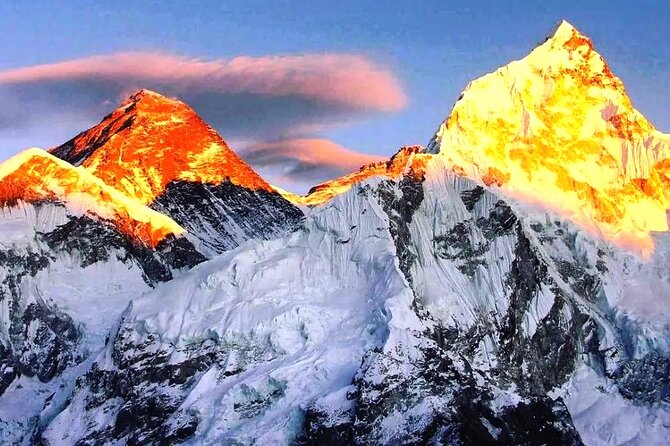
- Kala Patthar sunrise focus with the itinerary listing a helicopter landing at Kala Patthar.
- Kathmandu wrap-up with a deluxe hotel night and a farewell dinner on the final day.
Everest Base Camp, but with the stress taken out
Everest Base Camp has a reputation for being intense, and it is. The real difference here is that you’re not doing it as a DIY puzzle. You get a licensed, English-speaking trekking guide, and the big moving parts—domestic flights, permits, teahouse stays, and most meals—are handled as part of the package.
That matters because the trek is not just about fitness. It’s about timing, paperwork, and staying calm when the air feels thinner. When those basics are sorted, you can focus on the two jobs that actually matter: moving steadily and acclimatizing like it’s your job (because on this mountain, it is).
You can also read our reviews of more hiking tours in Kathmandu
Kathmandu first steps: airport transfers and a comfortable start
Your trip starts in Kathmandu with pickup and drop-off included. You also get one night in a deluxe hotel with breakfast, which is a practical win. After arrival (often after international travel fatigue), you want a real bed, a shower, and the chance to organize your gear without rushing.
This first night is also where I’d check your trekking setup before the mountain throws surprises at you. I’d make sure your layers work for cool mornings, your day pack fits comfortably, and your essentials are easy to reach. With Everest Base Camp, you don’t get extra time to search for lost gloves at 4,000 meters.
Day 1: Kathmandu to Lukla, then Phakding for your first real warm-up
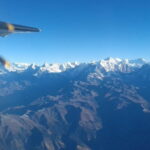
Day 1 is all about transition. You’ll be picked up from the hotel, driven to the airport for an early domestic flight from Kathmandu to Lukla (2,800m/9,184ft). Lukla is famous for its mountain airstrip, and the experience sets the tone instantly—you’re in the Khumbu world before you even start hiking.
After landing, you trek from Lukla to Phakding (the itinerary spells it Fakding/Phakding). The day runs about 8 hours, and the goal is simple: get used to the trail, find your rhythm, and settle into the slow-but-steady pace.
What to love here is that the day is long enough to feel like Day 1 of a trek, but not so steep that you’re cooked before acclimatization has even started.
Days 2–3: Phakding to Namche Bazaar, plus the altitude break you’ll appreciate
On Day 2, you head from Phakding to Namche Bazaar, about 7 hours. Expect suspension bridges and a gradual climb along the trail. Namche is the trading heart of the Khumbu region, so it’s where the trek shifts from “travel” to “mountain life.”
The best part of this stretch is how your body gets a chance to adjust without throwing you into maximum altitude immediately. The trek is moving up, but it’s not a nonstop grind. And because the trip includes meals and teahouse stays, you don’t spend the day hunting food options.
Day 3 is your formal acclimatization day in Namche, about 8 hours. You can use it to explore and reset. There’s also an optional hike up to Everest View Hotel for panoramic views of Everest and surrounding peaks. Even if you don’t go all the way, the day is still valuable because you’re giving your body time to catch up to the altitude.
Day 4: Sagarmatha National Park views and that rhododendron-forest descent
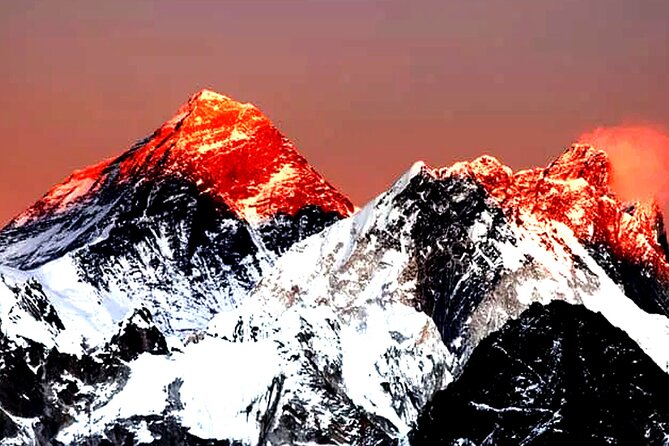
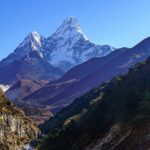
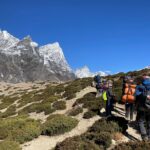
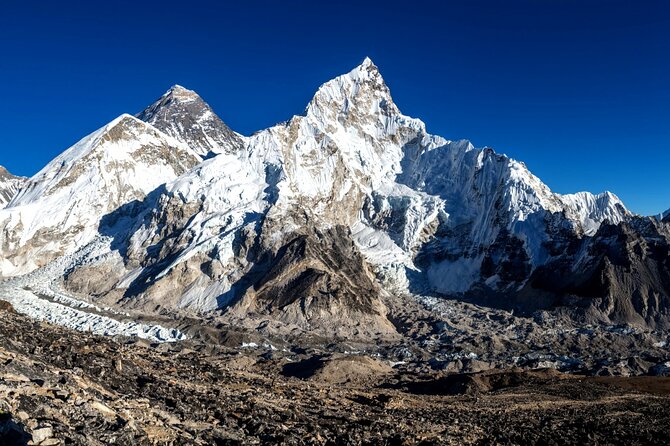
Day 4 is about scenery plus altitude management. You’ll spend about 8 hours walking through Sagarmatha National Park areas with big-view moments en route—Everest, Nuptse, and Ama Dablam are specifically called out.
Then there’s a practical rhythm shift: after descending for about two hours through rhododendron forest, you climb back up. That kind of up-down pattern is common in the Khumbu, and it’s why a steady pace beats heroics. Your lungs will feel it either way, but your legs will thank you if you avoid sprinting downhill.
The drawback to keep in mind: any descent can be hard on knees. The trip later reminds you of this again, and it’s worth taking seriously from day one. Trekking poles (if you use them) can help on steep parts, but even without poles, slow foot placement matters.
Days 5–6: Dingboche views, and a second acclimatization day that matters
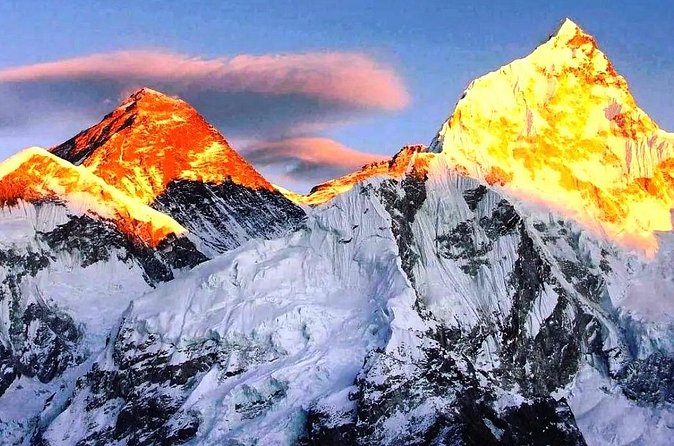
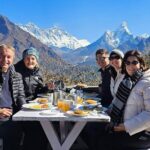
Day 5 takes you to Dingboche, around 8 hours. Dingboche sits in the Khumbu Valley and is known for panoramic views, including Island Peak and other Himalayas. The day’s walk includes alpine forest and barren land, which is a helpful clue that conditions are changing as you go higher.
Day 6 is another acclimatization day in Dingboche, also 8 hours. This is the mountain’s version of a reset button. Altitude sickness risk rises as elevation climbs, and the itinerary specifically gives you a day to let your body adapt.
There’s an optional hike to Nagarjun Hill or Chukhun (spelled in the itinerary as Chukhun). I like this setup because it gives you choice: you can move a bit if you feel good, or you can keep it easy and recover if you don’t. Either way, you’re not forced to push hard just because the calendar says it’s time.
Day 7: Khumbu Glacier terrain and the payoff starts to feel real
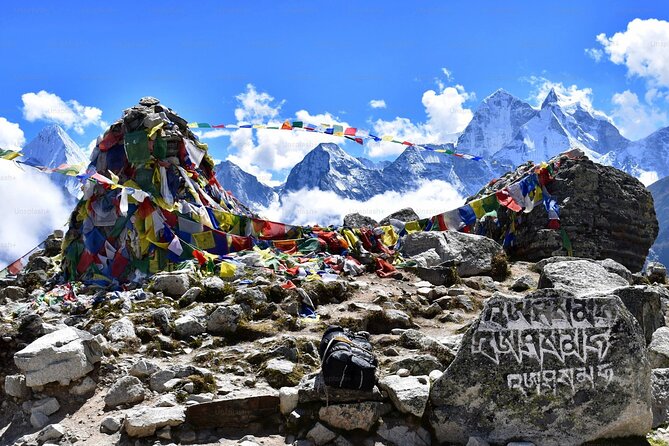
Day 7 starts early and gets more dramatic. You’ll cross the Khumbu River, then ascend gradually through rocky terrain and glacial moraines. The itinerary calls out views of the Khumbu Glacier and surrounding peaks, and this is one of those days where the environment feels harsher but also more unforgettable.
This is about 8 hours, and it can feel like “the trek is now really a trek.” You’re higher, the air is thinner, and everything from your pace to your breathing changes. The included guide and group support helps here because you’re not figuring it out alone.
Also, the inclusion of a first aid kit with a pulse oximeter is meaningful. It doesn’t remove the risks of altitude, but it does show a plan for monitoring symptoms and oxygen levels.
Day 8: Lobuche to Gorak Shep, then Everest Base Camp on a long day
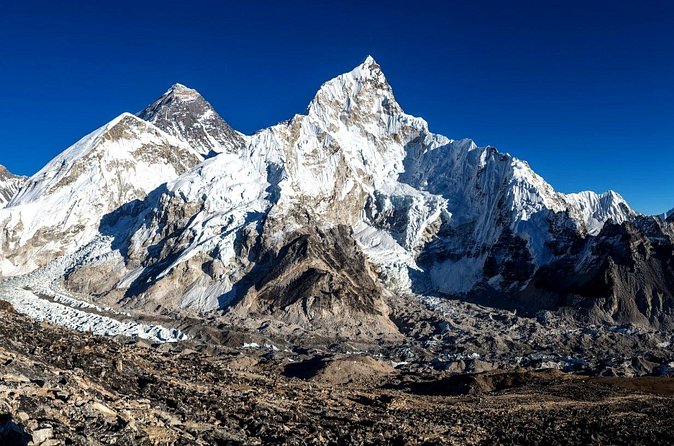
Day 8 is long at about 9 hours, and it’s a two-part day. You trek from Lobuche to Gorak Shep, lunch there, and then you continue to Everest Base Camp. The day includes time to explore Everest Base Camp once you arrive.
This is where the entire trek starts paying you back. The walk feels steady rather than chaotic, and the structure matters: you reach the base camp zone with a plan, not with exhaustion and uncertainty.
Practical reality check: you’ll be tired by the time you arrive. That’s normal. The smartest move is to pace yourself earlier so you still have energy for the actual moment—looking around, taking photos, and letting it register.
Day 9: Kala Patthar sunrise, plus the itinerary’s helicopter landing note
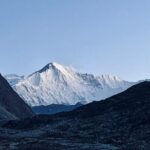
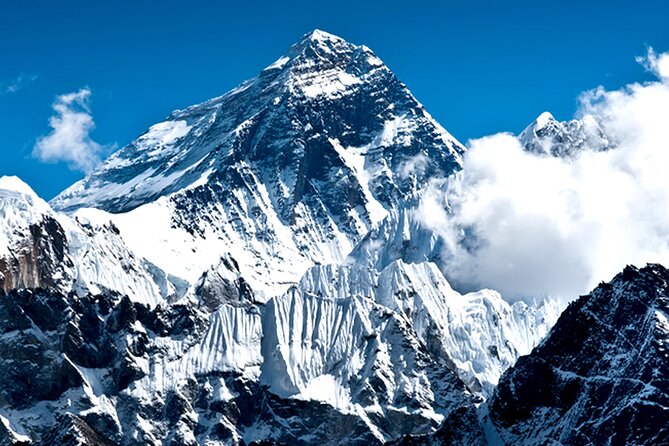
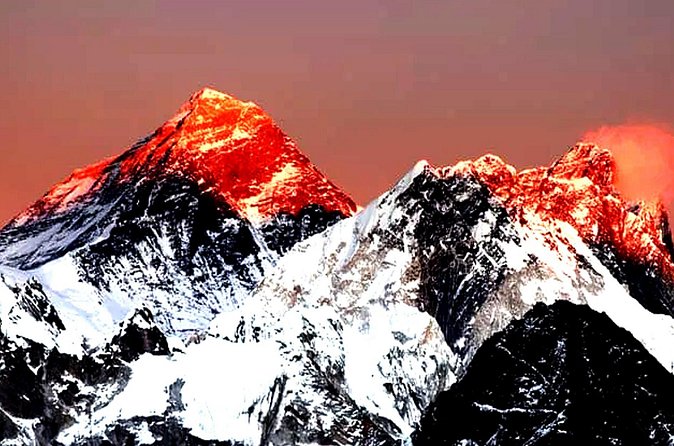
Day 9 is built around sunrise at Kala Patthar, with an 8-hour day. The plan is to hike early for sunrise views over Everest, Lhotse, and other peaks. Then you return to Gorak Shep and continue with the day.
The itinerary’s title also mentions a helicopter landing at Kala Patthar. The exact mechanics aren’t spelled out in the details you shared, but the trip is clearly framing this day around the Kala Patthar viewpoint experience, with helicopter activity included in the schedule as listed.
Even without extra surprises, Kala Patthar is the kind of goal that gives the trek a clean “finish line” feel. You’re tired, you’re high, and you’re chasing light over the peaks. It’s hard work, but it’s also one of the most motivating parts of the whole journey.
Days 10–11: Descending carefully toward your final trekking day
Day 10 is about getting down while staying sharp. The day is about 8 hours and emphasizes that descending is easier than ascending, but you still need balance. The itinerary also specifically warns about knee pain and taking care with footing.
That’s not just advice—it’s survival math. If you rush down, you’ll pay for it later. A slower descent often feels almost boring, but it keeps you hiking comfortably on the final day.
Day 11 is your final trekking day, about 6 hours, and it’s shorter by design. You can spend the evening celebrating with your trekking companion, plus the guide and porters/support staff, and fellow trekkers if present. Even when a trek feels personal, this ending matters. It helps you process the whole experience instead of just marching through it.
Day 12: Fly back to Kathmandu, then a real rest day
On Day 12, you take an early morning flight back to Kathmandu and then transfer to the hotel. You’ll have a leisure day to relax or explore, and the itinerary mentions foot and body messages. A farewell dinner is organized as well.
This is the moment where I’d stop trying to “earn” the rest. Your job now is recovery: hydrate, eat like a human again, and keep moving lightly. If you feel stiff, that’s normal after days of downhill wear and high-altitude fatigue.
Price and logistics: what $1,399 really covers
At $1,399 per person, the value depends on what you’d otherwise pay for yourself. Here’s what this package includes that usually adds up fast:
- Round-trip domestic airfare between Kathmandu and Lukla (and from Ramechhap during peak season).
- Airport pickup and drop-off plus 1 night deluxe hotel in Kathmandu with breakfast.
- Twin-sharing teahouse accommodation during the trek.
- All meals during the trek (breakfast, lunch, dinner), plus tea/coffee with breakfast.
- Licensed, experienced English-speaking trekking guide support (including guide salary, meals, accommodation, equipment, insurance).
- Permits: Sagarmatha National Park Permit and TIMS card.
- Basic first aid kit with a pulse oximeter for altitude monitoring.
- Government taxes and official service charges.
What’s not included is equally important for budgeting:
- International airfare to and from Kathmandu
- Nepal entry visa fee (on arrival)
- Travel and medical insurance (strongly recommended)
- Porter service (available on request)
- Personal expenses like snacks, drinks, laundry, Wi-Fi, hot showers, and extra items
- Tips for guides/porters/support staff
So is $1,399 “cheap”? Not really. But it’s not just a price tag—it’s a package that covers the expensive and paperwork-heavy parts, plus food and shelter. For many trekkers, that’s the difference between a smooth trip and a stressful one.
Who should book this Everest Base Camp trek—and who should pause
This trek is a good fit if you:
- Want a structured plan with a licensed guide and clear daily pacing.
- Prefer teahouse trekking with meals included, instead of planning every stop.
- Appreciate acclimatization days in Namche and Dingboche.
- Like the idea of reaching Everest Base Camp with support for altitude monitoring.
It may be less ideal if you:
- Want a completely independent trek with zero guiding structure.
- Want a big social group. The trip is private, meaning only your group participates.
- Are not ready to manage altitude risks responsibly even with monitoring and acclimatization.
Also, plan around moderate physical fitness. That doesn’t mean “easy.” It means you should be able to walk for hours each day, carry your own daypack, and handle the pace changes that come with altitude.
Practical tips to get more from the trek (without adding stress)
A trek like this works best when your gear is simple and your habits are consistent. A few things that help in the real world:
- Keep your layers light but effective. Mornings can feel sharp even when afternoons warm slightly.
- Use a steady pace, not a heroic pace. Short bursts cost more than you think at altitude.
- Be serious about knee management on descents. Slow steps and careful foot placement beat trying to “make up time.”
- Ask about porter help early if you want it. Porter service is available upon request, and reducing load can help you conserve energy.
Finally, don’t ignore how the trip builds motivation: Namche and Dingboche acclimatization, then glacier terrain, then base camp, then Kala Patthar sunrise. That arc is intentional. If you respect it, the whole thing feels more doable.
Should you book Blissful Himalayas for this 12-day EBC trek?
I’d book this trek if you want a well-organized Everest Base Camp experience with permits, domestic flights, meals, and teahouse logistics handled—and you value having an English-speaking guide who can keep the plan moving at a safe pace. The inclusion of a pulse oximeter and the two acclimatization days are real advantages for peace of mind.
I would pause before booking if you’re trying to travel ultra-budget without factoring insurance, tips, and personal expenses. Also, if a private trek feels like it might be lonely for you, look for a format that matches your social comfort level.
If you match the fitness level and go in with common sense about altitude, this is the kind of trek that can feel life-changing for the right reasons: the views, the effort, and the sense that your time on the mountain is protected from avoidable chaos.
FAQ
How long is the Everest Base Camp trek?
It’s listed as approximately 12 days.
Where does the trip start and end?
It starts in Kathmandu, Nepal. On the last day you fly back to Kathmandu and transfer to your hotel.
Is domestic airfare included?
Yes. Round-trip domestic airfare between Kathmandu and Lukla is included, and during peak season it may be between Kathmandu and Ramechhap.
What’s included during the trek?
Twin-sharing teahouse accommodation and all meals during the trek (breakfast, lunch, and dinner), plus tea/coffee with breakfast. Permits are included too: Sagarmatha National Park permit and TIMS card.
Do I need a porter?
Porter service is not included, but it’s available upon request.
What kind of guide support do I get?
You’ll have a licensed, experienced, English-speaking trekking guide. Their salary, meals, accommodation, equipment, and insurance are included.
What is the cancellation policy?
Free cancellation is offered up to 24 hours in advance for a full refund. The trip can also be canceled due to poor weather, with an option for a different date or a full refund.