A morning yoga rhythm in the Kathmandu hills is a great reset. This 3-day Ayurveda Deluxe Programme at Ayurveda Health Home pairs early yoga with sensorial cleansing and specialist therapies for energy, senses, emotions, and mind, then follows up with three wholesome meals and comfortable stays. What I like most is the hands-on treatment mix (including things like Neti Karma and Eye Exercises) and the fact that the location feels quiet and meditative above Kathmandu. The possible drawback: the schedule is packed, with 6:30 AM yoga each day, so it’s not ideal if you want slow mornings and zero structure.
You’ll also get doctor guidance throughout the journey, and the vibe reads as practical and caring rather than flashy. Treatments like Spinal programs, Whole Body Ubatan Abhyanga, Siro Dhara, Relaxation Head Abhyanga, and an Herbal Tub Bath are specific enough that you can tell this is a real Ayurvedic protocol, not a generic spa. If you’re very sensitive to cleansing practices or head/eye-focused therapies, it’s smart to discuss comfort and intensity with the team first (especially on Day 1 and Day 3).
In This Review
- Key highlights you’ll feel from day one
- Ayurveda Health Home and the Kathmandu-hill setting
- What the 3 days are really about: daily yoga plus 24 therapies
- Day 1: yoga, sensorial cleansing, and a calm lunch reset
- Day 2: spinal and Ubatan Abhyanga, with two meal breaks to keep you steady
- Day 3: Siro Dhara, head abhyanga, and herbal tub bath finish
- Price and value: is $970 fair for three days in Kathmandu?
- Logistics that make or break a retreat experience
- The treatment philosophy: lightness, senses, and a doctor-guided pace
- Who should book this retreat in Kathmandu
- FAQ
- FAQ
- Where is the retreat located?
- How long is the retreat?
- What is the price?
- Is pickup included?
- What’s included with the programme?
- What kind of treatments should I expect?
- Is this a private group experience?
- What’s the meeting point and ending point?
- What is the cancellation policy?
- Should you book this 3-day Ayurvedic retreat in Kathmandu?
Key highlights you’ll feel from day one
- 6:30 AM daily yoga that keeps your energy moving before treatments start
- Neti Karma and Eye Exercises for a sensorial reset focused on sight and inner light
- 24 treatments across three days, including spinal and whole-body therapies
- Head and scalp therapies like Siro Dhara and Relaxation Head Abhyanga on the final day
- Herbal Tub Bath to end on a slower, grounding note
- Complimentary Kathmandu pickup plus private group care for a calmer flow
Ayurveda Health Home and the Kathmandu-hill setting
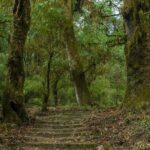
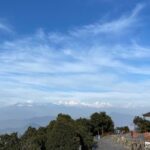
The address is simple: Ayurveda Health Home – Nagarjun Center, Tarakeshwor-3, Kathmandu 44600. What makes this place feel different is its setting—people consistently describe it as tucked into hills with a meditative calm above Kathmandu. Even if you’re only there for three days, that quiet matters. It helps you shift from travel mode (alerts, noise, screens) into body-first mode.
The programme also runs like a retreat, not a series of random sessions. You’re guided through a morning routine, a block of therapies, then meals and recovery time. That structure is one of the reasons this works well for newcomers to Ayurvedic wellness—everything is explained and paced.
You can also read our reviews of more tours and experiences in Kathmandu



What the 3 days are really about: daily yoga plus 24 therapies
The overview calls it an Ayurveda Deluxe Programme, and the schedule backs that up. Each day has yoga (roughly 6:30–7:30 AM), then a treatment block where you’ll get therapies aimed at different aspects of wellbeing: energy, senses, emotions, and mind.
You’ll see a mix of classic Ayurvedic-style elements:
- cleansing and sensorial work
- body stimulation and massage-based treatments
- eye and nasal practices (via Neti Karma and Eye Exercises)
- head-focused therapies like Siro Dhara
- whole-body grounding treatments, including Ubatan Abhyanga
- a finishing Herbal Tub Bath
If you’re the type who likes measurable progress—more than just relaxation—this is the format that can work. Instead of one massage and done, you get repeated touchpoints over three days, with doctor guidance shaping what happens when.
One note on expectations: with 24 treatments across the programme, your calendar will feel full. This is great if you want a focused reset. It’s less great if you need lots of free time to explore the city each day.
Day 1: yoga, sensorial cleansing, and a calm lunch reset
Day 1 starts early: 6:30 AM to 7:30 AM yoga at Ayurveda Health Home. This first hour is not just warm-up. In a programme like this, yoga is how you prepare your system to receive the rest of the work. You’re moving, waking up your senses, and setting your body up for cleansing and stimulation therapies later.
Then you jump into a longer block from 8:30 AM to 12:30 PM. This is where the retreat leans into sensorial cleansing and deeper stimulation work designed to care for energy, body parts, senses, emotions, and mind. Based on the treatment names in the broader programme, you can expect that this isn’t only a comfort spa day. It’s more structured—your body is being guided toward lightness and steadier calm.
At 1:00 PM to 2:00 PM, you get a lunch and relaxation break. That’s a smart design choice. After a morning of stimulation and cleansing, you need time to let it settle before the next day’s routine starts.
Practical consideration for Day 1: if you’re new to Neti Karma, eye routines, or cleansing-style therapies, you may want to come in mentally ready to take it slowly and communicate comfort levels. You’ll get doctor guidance, and that’s exactly what you want on your first day.
Day 2: spinal and Ubatan Abhyanga, with two meal breaks to keep you steady
Day 2 repeats the yoga foundation at 6:30 AM to 7:30 AM. The continuity matters. By day two, your body tends to understand the rhythm: wake up, move, then receive.
Breakfast comes next from 8:00 AM to 9:00 AM. Even though breakfast sounds like a small detail, it’s important here because Ayurveda-style programmes usually want you eating with the day’s rhythm in mind. Then you move into a 9:30 AM to 1:30 PM treatment block.
This is one of the stronger identity blocks of the retreat. You’ll do therapies such as Spinal programs and Whole Body Ubatan Abhyanga. “Spinal programs” usually signals focus on posture, mobility, and the nervous-system connection to how you hold tension. Ubatan Abhyanga suggests a whole-body anointing and exfoliating-style massage approach—often felt as both nourishing and cleaning, rather than only relaxing.
Then you get another break: 2:00 PM to 3:00 PM for lunch and recovery. That timing gives you a chance to absorb the morning work without rolling straight into more stimulation.
A small drawback to plan for: Day 2 is likely to feel physically “active” even if you’re not walking much. If you’re carrying stress in your back, neck, or shoulders, spinal-focused work can be wonderfully helpful—but it can also feel intense at first. Go in with the idea that the first day is preparation, and day two is where your body often starts responding.
Day 3: Siro Dhara, head abhyanga, and herbal tub bath finish
Day 3 begins with 6:30 AM to 7:30 AM yoga, then 8:00 AM to 9:00 AM breakfast. By now, you’ll probably recognize when you need to go slower and when your body is ready to receive more.
The last main treatment block runs 9:30 AM to 12:30 PM. This portion includes Siro Dhara, Relaxation Head Abhyanga, and an Herbal Tub Bath. These are the kinds of treatments that often create a clear “change of state.” Head and scalp therapies can feel calming in a very specific way—less like sleep, more like your nervous system unclenching.
Then you get time for 12:30 PM to 1:30 PM: reflection and a closing lunch. That final meal isn’t just food. It’s where you integrate what happened over the three days—how your body feels, what feels lighter, and what you might want to take home (even if it’s only a routine cue like bedtime or morning stretching).
One practical note: head and tub therapies can be slippery on the “I’m fine, really” scale if you have skin sensitivity, migraines, or strong discomfort with head/eye focus. Tell the doctors or therapists how you feel early. You’re not trapped in the process.

Price and value: is $970 fair for three days in Kathmandu?
The price is $970 for about 3 days, including a lot of what people actually care about: daily yoga, 24 treatments, three wholesome meals, and luxurious accommodations, plus complimentary pickup within Kathmandu. You’re also getting a private format—your group participates, not a large mixed crowd.
Is it a bargain? Not exactly. It’s a premium wellness retreat price. But for the value, I’d look at it like this:
- You’re paying for time with practitioners (not just a single massage session).
- You’re paying for a structured protocol across three days.
- You’re paying for convenience (pickup and meals), which reduces decision fatigue.
If you were to recreate this on your own in Kathmandu—finding reputable Ayurvedic doctors, arranging multiple sessions, and securing consistent accommodation—you’d likely spend more in time and money. The retreat bundles it into one focused programme.
So for $970, you’re basically buying intensity and guidance, not a casual day pass.
Logistics that make or break a retreat experience
This starts and ends at Ayurveda Health Home – Nagarjun Center, Tarakeshwor-3. The activity ends back at the meeting point, so you’re not constantly transferring between locations.
A few practical perks are built in:
- Near public transportation, so you’re not fully isolated.
- Complimentary pickup within Kathmandu, which is a big deal if you’re arriving in town tired.
- Mobile ticket for easier access.
- Private tour/activity, which usually means fewer waiting moments and a smoother schedule.
The programme is also described as suitable for most travelers. That doesn’t mean it’s zero-effort, though. Yoga every morning implies you should be comfortable doing gentle-to-moderate movement. If you have injuries, stiff mobility, or specific medical concerns, plan to tell the team early so they can guide you.
Also, the listed opening hours are 9:00 AM to 4:30 PM (Mon–Sun). Your yoga and treatment blocks happen in the morning, so it’s worth trusting the tight internal schedule for this exact retreat experience rather than assuming everything follows normal public hours.
The treatment philosophy: lightness, senses, and a doctor-guided pace
Even without seeing every single therapy in the schedule, the approach is clear. Day 1 focuses on awakening and sensorial cleansing. Day 2 shifts to body-centered work like spinal programmes and whole-body ubatan abhyanga. Day 3 goes head-first into Siro Dhara and relaxation head abhyanga, then finishes with an herbal tub bath.
This “sequence logic” is one reason the retreat can feel transformative. Your body first learns the rhythm, then receives deeper stimulation, then settles down with calming head and water therapies.
The strongest positive feedback patterns from past experiences include:
- many massage/body treatment sessions (one person counted 13 messages or body treatments)
- a friendly, professional team
- a feeling of family care, not just a clinical service
- simple but delicious food
- a beautiful, meditative location in the hills above Kathmandu
Even if you’re just looking for relaxation, those elements matter. A retreat isn’t only about the techniques. It’s also about how comfortable you feel while they’re done.
Who should book this retreat in Kathmandu
This is a great fit if you:
- want an Ayurvedic programme with structure, not a single spa afternoon
- like the idea of daily yoga as the anchor of your mornings
- want a mix of cleansing, bodywork, and head therapies over multiple days
- prefer a private group experience with doctor guidance
It might be less ideal if you:
- want lots of free time in Kathmandu during your stay
- strongly dislike early starts (6:30 AM yoga twice-plus each day)
- have concerns about cleansing practices or head/eye-focused therapies and don’t want to discuss comfort levels
If you’re a first-timer to Ayurveda retreats, this programme makes sense because it mixes learning, guidance, and hands-on therapies without dumping you into a complicated routine you must manage alone.
FAQ
FAQ
Where is the retreat located?
It takes place at Ayurveda Health Home – Nagarjun Center, Tarakeshwor-3, Kathmandu 44600, Nepal.
How long is the retreat?
It runs for 3 days (approx.).
What is the price?
The price is $970.
Is pickup included?
Yes, there is complimentary pickup within Kathmandu.
What’s included with the programme?
The retreat includes 24 rejuvenating treatments, yoga sessions, three wholesome meals, and luxurious accommodations.
What kind of treatments should I expect?
You may receive therapies such as Neti Karma, Eye Exercises, Spinal programs, Whole Body Ubatan Abhyanga, Siro Dhara, Relaxation Head Abhyanga, and an Herbal Tub Bath.
Is this a private group experience?
Yes. It’s a private tour/activity, and only your group will participate.
What’s the meeting point and ending point?
You start at Ayurveda Health Home – Nagarjun Center in Tarakeshwor-3, Kathmandu, and the experience ends back at the meeting point.
What is the cancellation policy?
Free cancellation is available. You can cancel up to 24 hours in advance for a full refund.
Should you book this 3-day Ayurvedic retreat in Kathmandu?
If you want a structured Ayurvedic reset with daily yoga, doctor-guided therapies, and multiple treatment types across three days, this is a strong bet. The price is premium, but it’s also bundled with accommodations, meals, and a serious treatment schedule—especially the head and eye-related elements.
Book it if you can handle early mornings and you’re open to cleansing-style practices and hands-on bodywork. Skip it if you want a relaxed, mostly free-form holiday with late starts. For the right mindset, this is the kind of retreat that can leave you feeling calmer and physically lighter, not just temporarily “pampered.”