REVIEW · KATHMANDU
12 Days Everest Base Camp Trek
Book on Viator →Operated by himalayan sanctuary adventure private limited · Bookable on Viator
Everest Base Camp without the stress is rare. This 12-day trek in Nepal’s Khumbu region is set up so you spend energy on hiking, not paperwork, with domestic flights, permits, and teahouse stays handled in advance.
I like that the trip includes hands-on support from an English-speaking, government-licensed trekking guide (and in past trips, communication from Bishnu has been called out as a big plus). I also like the practical rhythm of the itinerary: planned acclimatization stops in Namche Bazaar and Dingboche, plus real mountain time where the views are the point.
One possible drawback to weigh is the flight reality: the Kathmandu–Lukla–Kathmandu schedule can get delayed or canceled due to weather, which means waiting at the airport is something you must be ready for.
In This Review
- Key things that make this Everest Base Camp trip worth a look
- Why This 12-Day Everest Base Camp Trek Feels Well Managed
- Kathmandu to Lukla: Getting Started at 5:15 am
- Phakding and Namche Bazaar: The Slow Climb Up
- Tengboche and Dingboche: Monastery Views and Altitude Practice
- Lobuche to Gorak Shep to Everest Base Camp: The Long Big Day
- Kala Pathar and the Descent Back to Namche and Lukla
- What Is Included (and What to Budget for) on a $1,390 Trek
- Meals, Lodges, Guide and Porter Support: Real Comfort at Altitude
- Weather, Lukla Flights, and Other Practical Risks
- Who This Everest Base Camp Package Suits Best
- Should You Book This Everest Base Camp Trek?
- FAQ
- How long is the Everest Base Camp trek?
- What is the price for this 12-day trek?
- Where does the trip start, and when do we meet?
- Are trekking permits included?
- Are domestic flights included?
- Is accommodation included during the trek?
- Do I get a guide and porter?
- What about meals in Kathmandu?
- What should I budget for besides the trek price?
- What happens if the Lukla flight is delayed or canceled?
- Can I cancel and get a full refund?
Key things that make this Everest Base Camp trip worth a look
- Permits handled for you: National Park Permit and TIMS are included, so you don’t scramble in Kathmandu.
- Teahouse comfort with full trek meals: breakfast, lunch, and dinner during the trek are part of the package.
- Real altitude strategy: acclimatization days in Namche and Dingboche before you push higher.
- Guide + porter support: you get an experienced guide and a porter setup (2 trekkers per porter).
- Lukla air access included: domestic flights between Kathmandu and Lukla are part of the plan.
- A solid finish in Kathmandu: the trip includes a farewell dinner after you fly back down.
Why This 12-Day Everest Base Camp Trek Feels Well Managed
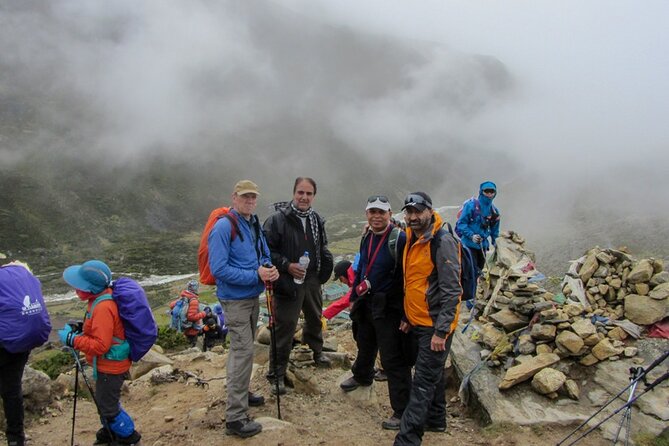
Let’s be honest: Everest Base Camp sounds heroic. It’s also logistically messy if you DIY it. What I like about this package is that it’s built around the boring stuff that usually steals your time—permits, transport, and the day-to-day structure—so you can focus on walking and adjusting to altitude.
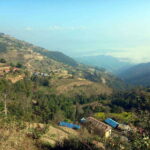
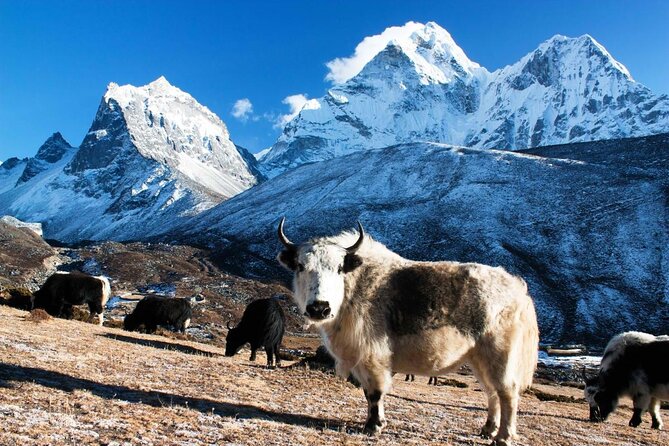
You also get the classic Khumbu mix: Sherpa villages, big mountain viewpoints, and the sense that the trail is a living corridor for people who know these paths. Teahouses along the way mean you’re not stuck carrying everything for shelter, and meals are planned so you’re not guessing where to eat after a long climb.
The trip is priced at $1,390 per person, and the value isn’t just the badge of inclusion. When domestic flights to Lukla, guides, porter service, permits, and most trek meals are already covered, your money goes directly toward the parts you can’t easily replicate on short notice.
You can also read our reviews of more hiking tours in Kathmandu
Kathmandu to Lukla: Getting Started at 5:15 am
Your journey begins in Kathmandu, then it’s off to Lukla early—meeting time is set for 5:15 am. That early start matters because Lukla flights can be time-sensitive, and the trek day is built around catching the first flight window.
On day one, you fly Kathmandu to Lukla (about 30 minutes), then trek to Phakding (around 3–4 hours). This is a good “warm-up” day: you’re hiking, but not yet grinding at the highest elevations. You pass places like Cheplung village, and the route gives you that first taste of the Khumbu scenery without demanding your best legs.
If you’re the type who worries about moving parts—airport pickup, getting to the right place on time, dealing with the early-hour schedule—this format helps. And you’re not just dropped at the trailhead. The package includes airport pickup and drop, plus domestic flights so the start isn’t a scavenger hunt.
Phakding and Namche Bazaar: The Slow Climb Up
Day two takes you from Phakding to Namche Bazaar (about 4–5 hours), climbing to roughly 3,438 m / 11,280 ft. You’ll cross the Dudh Koshi River, pass villages like Chumoa and Monjo, and enter Everest National Park. This is where the trek starts to feel both remote and busy at the same time—remote because you’re far into the mountains, busy because Namche is a hub for trekkers and local life.
Crossing suspension bridges and walking alongside rivers like the Dudh Koshi and Bhote Koshi is part of the rhythm. It’s steady work: you’re gaining elevation, but the terrain lets you settle into breathing and pacing.
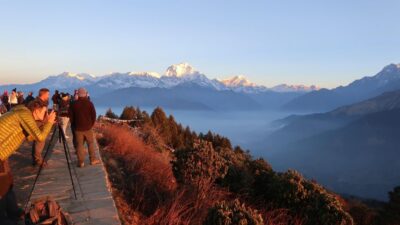
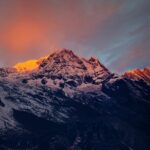
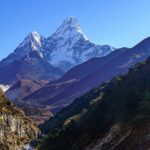
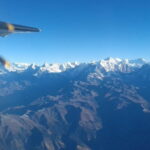
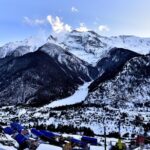
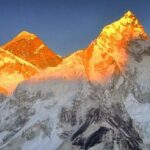
Then day three is the acclimatization day in Namche Bazaar. You explore the town, and you get a hike that’s also a view-factory. Sunrise over the Himalayas is built in, with big names visible like Mt. Everest, Lhotse, Nuptse, Ama Dablam, Thamserku, and Kongde. If you want an optional day hike, Khumjung village is mentioned as a possibility.
This Namche day is not a random break. It’s the sort of planned elevation pause that helps your body handle what comes next. You’re not just resting; you’re practicing altitude living.
Tengboche and Dingboche: Monastery Views and Altitude Practice
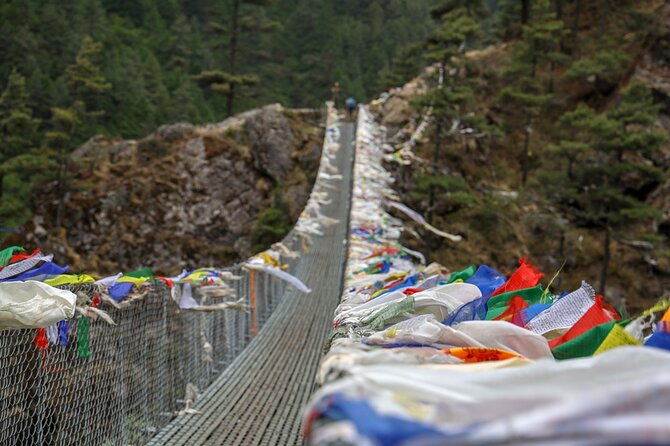
Day four goes from Namche to Tengboche (about 5–6 hours), reaching roughly 3,870 m / 12,694 ft. The trail includes an easier section up to Phunki, then you ascend toward Tengboche village. This is one of those days where the views are excellent, but the bigger value is what’s at the top: Tengboche Monastery, described as the biggest monastery in the Everest region.
One neat detail: the monastery opens at 3:00 pm. If you arrive by around 4 o’clock, you may catch a Buddhist religious ceremony. That timing detail matters because it turns “we reached the village” into a real cultural moment, not just a photo stop.
Day five moves higher to Dingboche (about 5–6 hours) around 4,360 m / 14,300 ft. The route includes walking downhill to Debuche, crossing the Imja River, and passing Pangboche with its monastery. The Imja Valley section is dramatic because you’re moving through the middle of Everest’s biggest viewpoints.
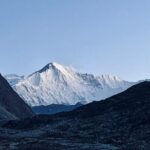
Day six is another acclimatization day, this time in Dingboche. The plan includes time to hike about four hours to a hill behind Dingboche for views of Lhotse, Makalu, and Cho Oyu. Again, this isn’t just “sit and hope your body adapts.” It’s structured altitude practice with a payoff: you see huge peaks while your body learns the new normal.
Lobuche to Gorak Shep to Everest Base Camp: The Long Big Day
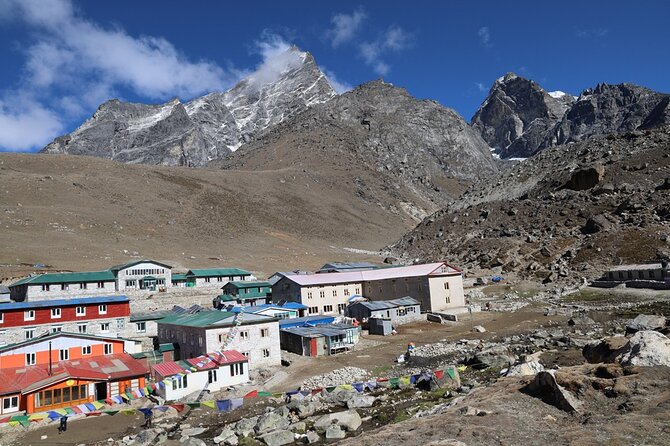
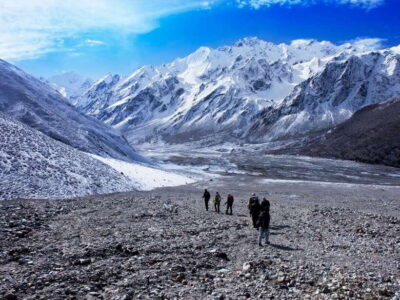
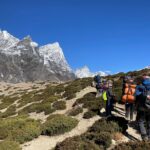
Day seven heads to Lobuche (around 7 hours / about 9 km). You’re trekking toward the famous base camp area, still rising, still surrounded by that glacier-and-rock feeling that makes Everest seem close enough to touch.
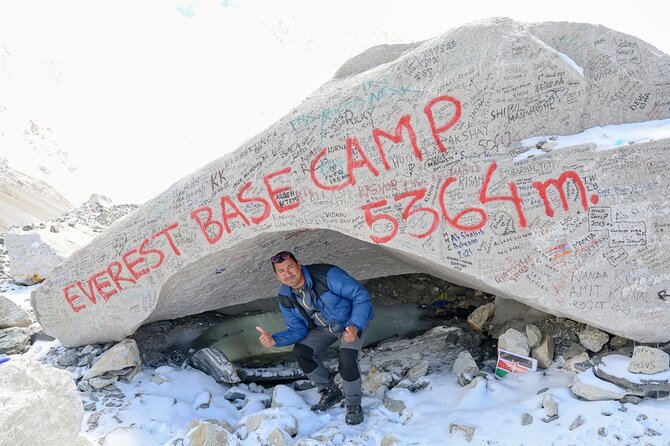
Then day eight is the main push: Lobuche to Gorak Shep, then walking on to Everest Base Camp. The day is long—nearly 12 hours and about 17 km. You reach Gorak Shep first, check in at the lodge, eat lunch, then go to Base Camp for the big payoff. After that, you walk back to Gorak Shep for the night.
What I find important here is the timing. Base Camp is not a quick stop. It’s a mission day. You’ll be tired, and that’s normal. But it’s also when the experience stops being a trek and turns into a memory you can’t unmake: the scale, the atmosphere, and the sheer fact that you’re in the zone of the world’s highest mountain.
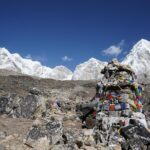
The route is also built around viewpoints of major peaks like Nuptse, Khumbuste, and Pumori, which helps even if clouds or conditions shift your visibility. You get that sense of being in the neighborhood of Everest, not just hearing about it.
Kala Pathar and the Descent Back to Namche and Lukla
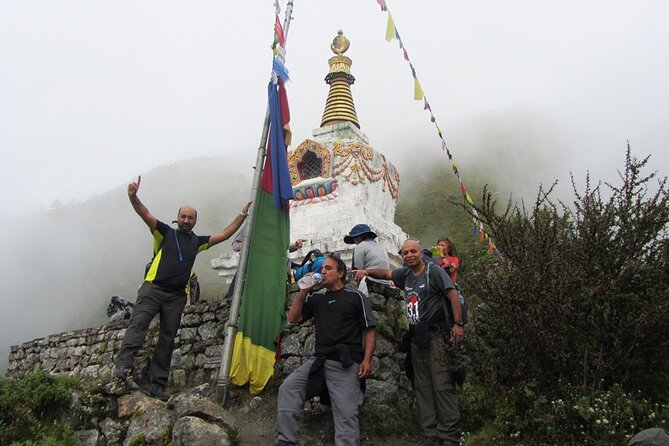
Day nine is about going even higher, then coming back down with purpose. After an early breakfast, you hike up to Kalapatthar / Kala Pathar (about 3 hours to reach the top), around 5,555 m, for views of Everest and other mountains like Lingtren, Khumbutse, and Changtse. After time at the summit, you return to Gorak Shep for lunch, then descend to Pheriche for the night.
Kala Pathar is the kind of climb that feels small only on paper. In real life, the air is thin and your steps feel heavier. But the payoff—clear, high-angle views of Everest—tends to be why people say yes to the whole thing.
Day ten brings the descent toward Namche Bazaar again, passing through Pangboche and Tengboche. You arrive back at Namche in the afternoon and stay at a guesthouse. This day often feels like a mental reset. You see the same regions you climbed through earlier, but from a lower elevation and with less strain in your body.
Day eleven returns to Lukla (about 6 hours). It’s a shorter-sounding day, but after days in the high country, it still takes energy. The plan includes time to reflect as a group and an afternoon that’s free—plus the option to enjoy a hot shower in town and celebrate with your trekking mates.
Day twelve is the final transition: fly Lukla back to Kathmandu, then you get transferred to your hotel. The trip also includes a farewell dinner earlier in Kathmandu for closure, which helps keep the end of the trek from feeling abrupt.
What Is Included (and What to Budget for) on a $1,390 Trek
This is an all-inclusive style trek, but it helps to think in categories: what the mountains demand, and what life back in Kathmandu demands.
Included during the trek:
- Teahouse accommodation with breakfast, lunch, and dinner
- Domestic flights: Kathmandu–Lukla–Kathmandu
- Experienced English-speaking, government-licensed trekking guide
- Porter service (listed as 2 trekkers : 1 porter)
- All necessary paperwork and trekking permits: Everest National Park Permit and TIMS
- Medical kit carried by your trek leader
- Government and local taxes
- Farewell dinner at the end
You’re also covered on transportation basics in Kathmandu with airport pickup and drop and a transfer to your hotel after the final flight down.
Not included (so you don’t get surprised):
- Nepalese visa fee
- Excess baggage charges
- Extra Kathmandu nights if your flight timing forces it
- Lunch and evening meals in Kathmandu
- International flights
- Travel and rescue insurance
- Personal expenses: phone calls, laundry, bar bills, battery recharge, showers, bottled or boiled water, hot and cold drinks, and tea/coffee
Also: tips for guides, porters, and drivers are not included. In Nepal, tipping is a normal part of the relationship between visitors and the people who help make the trek happen.
The value question comes down to this: you’re paying for the pieces that are hard to manage alone—Lukla flights, permits, guide logistics, and the daily rhythm of meals and lodging. For a lot of people, that’s worth the money more than bargaining for a lower price.
Meals, Lodges, Guide and Porter Support: Real Comfort at Altitude
Teahouse trekking is often called simple, but it’s actually a big comfort upgrade. Having breakfast, lunch, and dinner planned means you’re not hunting for food at the end of a hard day when your brain is basically just trying to breathe.
Porter service is also a big deal. The package lists a ratio of 2 trekkers per porter, which usually means you can avoid carrying a heavy daypack on the steepest or longest stretches. Your guide and porter setup is the kind of support that helps you keep steady pace instead of constantly stopping to adjust your load.
Your guide is described as government-licensed and English-speaking. In past experiences with this operator, communication and attention to details have been praised, and Bishnu is named as a key contact. That matters because on the route, small decisions—pace, timing, hydration—affect how you feel later.
You’ll also have a medical kit carried by your trek leader. That doesn’t remove the need for common sense, but it does mean you’re not relying on luck if someone needs basic care.
Weather, Lukla Flights, and Other Practical Risks
Here’s the part that can ruin plans: the Kathmandu–Lukla–Kathmandu flight can be delayed or canceled due to weather. The trip specifically warns you to be prepared for long waits at Kathmandu or Lukla airports, and it can happen at the start, the end, or both.
So build your mindset around flexibility. Don’t plan a tight schedule right after you land back in Kathmandu. Give yourself buffer time.
Also, altitude is real even with acclimatization days. The trip states you should have moderate physical fitness. If you’re new to hiking or you’ve had a rough year with injuries or inconsistent training, start prepping now and don’t wait for Nepal to do the training for you.
Who This Everest Base Camp Package Suits Best
This trek is a strong match if you want the classic Everest Base Camp route through the Khumbu with less logistics stress. You’ll like it if:
- you want permits handled and a guide who keeps the plan moving
- you prefer teahouse comfort rather than full self-supported trekking
- you value an itinerary that includes acclimatization days
- you’re traveling with a group and want the structure of a private tour setup (it’s listed as private activity, only your group participates)
It may not be ideal if you hate waiting and tight schedules. The flights into Lukla can be weather-driven, and that means you need patience.
Should You Book This Everest Base Camp Trek?
If your goal is Everest Base Camp with solid organization, this is a good bet. The inclusion list is built around the parts that usually derail independent trips: domestic flights, permits, guide and porter service, and full teahouse meals. Add the practical altitude pacing, and you get a package that aims to keep you moving safely and comfortably.
Before you book, ask yourself one simple question: can you handle flight delays and flexible timing? If yes, you’re likely to enjoy the trip for exactly what it is—12 days of trekking, learning your altitude rhythm, and reaching the place you came for.
FAQ
How long is the Everest Base Camp trek?
The trek lasts about 12 days, with the route starting in Kathmandu and including domestic flights to Lukla and back.
What is the price for this 12-day trek?
The listed price is $1,390.00 per person.
Where does the trip start, and when do we meet?
It starts in Kathmandu, with a meeting time of 5:15 am.
Are trekking permits included?
Yes. The package includes the National Park Permit and TIMS, with all necessary paperwork handled.
Are domestic flights included?
Yes. Domestic flights between Kathmandu and Lukla, and then back to Kathmandu, are included.
Is accommodation included during the trek?
Yes. It includes teahouse accommodation during the trek, with breakfast, lunch, and dinner provided.
Do I get a guide and porter?
Yes. You get an experienced, English-speaking, government-licensed trekking guide, and porter service is included (2 trekkers : 1 porter).
What about meals in Kathmandu?
Lunch and evening meals in Kathmandu are not included. The trip includes transfers, and it also mentions a cultural dinner as part of the experience after the trek.
What should I budget for besides the trek price?
You should plan for the Nepalese visa fee, potential excess baggage charges, extra Kathmandu nights if needed due to flight timing, travel and rescue insurance, tips, and personal expenses such as drinks, phone calls, laundry, battery recharge, and shower costs.
What happens if the Lukla flight is delayed or canceled?
The trip notes that the Kathmandu–Lukla–Kathmandu flight can be delayed or canceled due to weather, and you should be prepared for long waits at Kathmandu or Lukla airports. This could happen at the start or end of the trek.
Can I cancel and get a full refund?
You can cancel up to 24 hours in advance for a full refund.