REVIEW · KATHMANDU
Kathmandu: Trisuli River Rafting Day Trip with Lunch
Book on GetYourGuide →Operated by Peak to Peak Treks · Bookable on GetYourGuide
Rapids in easy reach of Kathmandu. I love that you get all rafting gear plus an English safety briefing before you paddle, and the Trisuli is a solid choice for a first white-water day with Class II–III conditions. The big thing to watch is timing: the promised day length can feel longer once transfers and getting dressed are added.
I also like that this trip doesn’t end the moment you hit shore. You get riverside lunch and time to relax (and there’s an opportunity for swimming), which makes the adrenaline feel earned instead of rushed. Bring a towel and a change of clothes, because you’ll want to dry off fast after the rapids.
In This Review
- Key things to know before you go
- Trisuli River rafting from Kathmandu: the appeal
- Hotel pickup and the scenic drive to the rafting start
- Safety briefing and gear: how the operator sets you up
- On the water: what Class II–III rapids feel like
- Riverside lunch and post-raft downtime
- The 7-hour promise vs the real day you should plan for
- Price and value: is $57 reasonable?
- What to bring (and what will make you miserable)
- Who this rafting trip suits best
- A booking checklist before you commit
- Should you book Trisuli River rafting with lunch?
- FAQ
- How long is the rafting day trip from Kathmandu?
- How long will I be rafting on the Trisuli River?
- What rapids are included on this trip?
- Do I get rafting gear or do I need to bring my own?
- Is lunch included?
- Will I have time to relax or swim?
- Does the trip include transportation from Kathmandu?
- Is the tour guided, and is English available?
- What should I bring for the day?
- Are drones allowed?
Key things to know before you go
- Class II–III rapids: exciting, but framed as manageable for novices and intermediate rafters
- 2–3 hours of rafting time: the action is focused, not a whole-day slow slog
- Gear is included: life jacket, helmet, and paddle are provided
- Hotel pickup + return: transport is part of the deal, so you don’t have to figure out logistics
- Riverside lunch: you’ll eat near the water instead of searching for food later
Trisuli River rafting from Kathmandu: the appeal
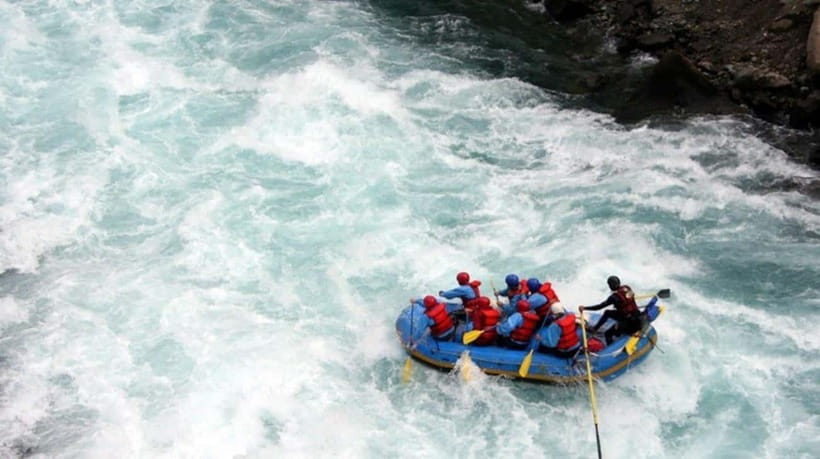
If you’re based in Kathmandu and want real white-water without turning your trip into a multi-day mission, this is the kind of outing that fits. The Trisuli River run is set up as a day trip with enough structure to be beginner-friendly, but still punchy enough to feel like you earned your sore shoulders.
What I like most is the balance: you’re not just being thrown into moving water. You’ll start with a safety briefing and get fitted with a life jacket, helmet, and paddle, then you raft for 2–3 hours. That mix matters because it turns “I hope I’m doing this right” into “I know what to do when the river surprises me.”
The route also comes with a classic Nepal day-trip rhythm. You’ll drive out from the city through terraced fields and green hills, spend the heart of the day on the river, then head back to Kathmandu by late afternoon or early evening.
You can also read our reviews of more tours and experiences in Kathmandu

Hotel pickup and the scenic drive to the rafting start
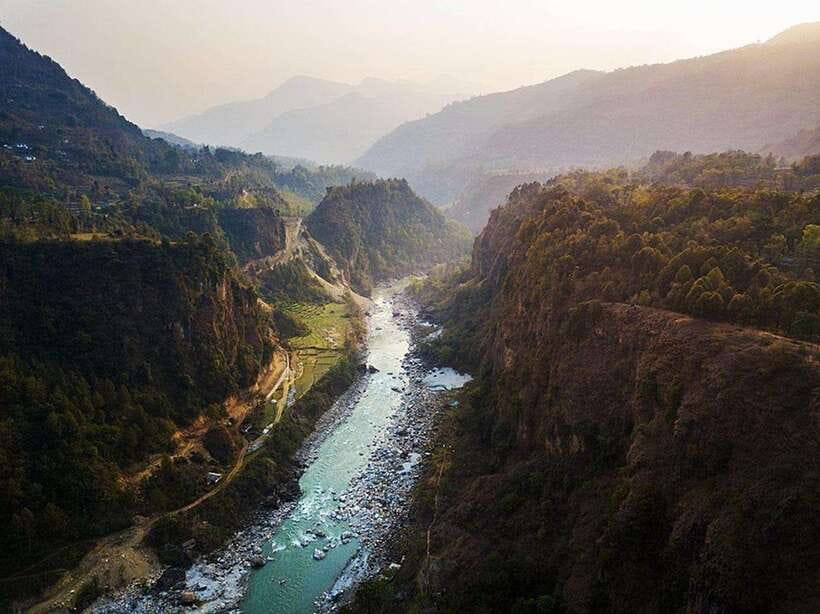
Your day starts with pickup from your hotel in Kathmandu. From there, you’ll drive to the rafting starting point, with plenty of passing scenery—lush hills and terraced fields along the way. It’s not the kind of drive where you need to be constantly entertained, but it’s a nice transition from city pace to river pace.
This is also where timing can get tricky. The activity duration is listed as 7 hours, but day-trip rafting depends heavily on how long it takes to get everyone moving, how the road conditions are, and how close your pickup time is to the river’s schedule. One past booking issue flagged that transfer time can feel longer than expected, so treat “7 hours” as a planning target, not a guarantee.
If you want the smoothest day, plan like you’re going on a full excursion. Eat something before pickup if you can. Keep your valuables secure. And have your extra clothes and towel ready to grab quickly so you’re not hunting for them when you arrive.
Safety briefing and gear: how the operator sets you up
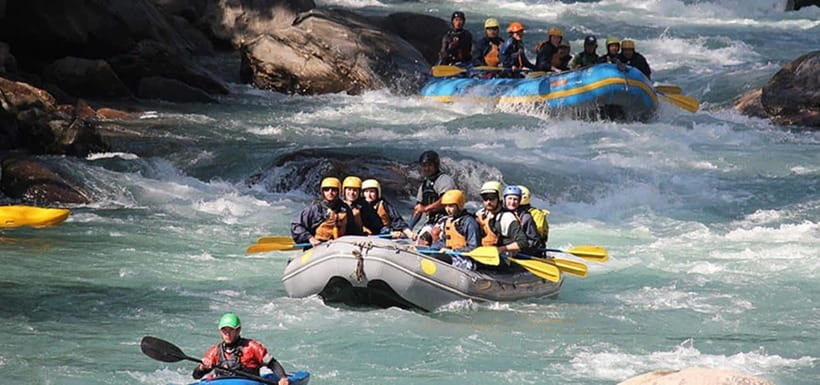
Once you reach the river, you’ll get a safety briefing from the rafting guides. They also provide the rafting gear: life jacket, helmet, and paddle. That combo is more than paperwork—it’s what makes the experience feel learnable instead of reckless.
After the briefing, you change into your rafting gear and prepare for the run. You can expect the guides to explain how to handle common situations on Class II–III water—things like paddling together and basic safety habits during rapids. Even if you’ve rafted before, this step is still valuable, because every river has its own feel.
A practical tip: treat the safety moment like part of the fun, not a speed bump. Listen closely, ask if anything is unclear, and remember that on the water you’ll be busy. If you’re carrying sunglasses (recommended), you’ll want them accessible for the drive and easy to secure once you’re dressed.
On the water: what Class II–III rapids feel like
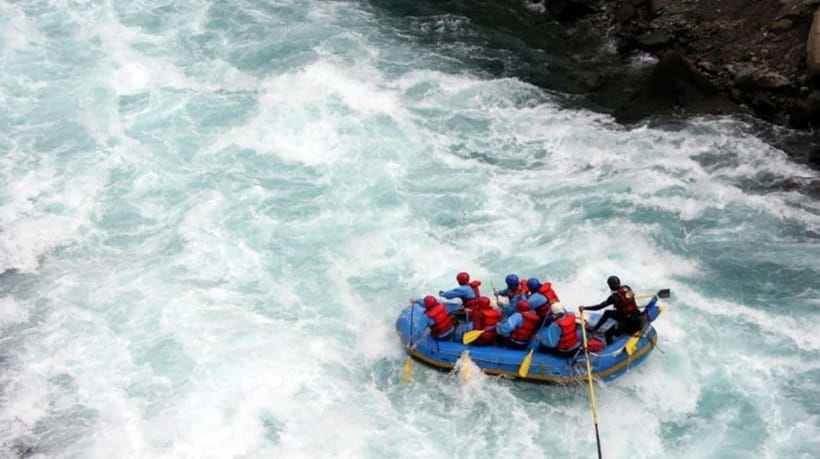
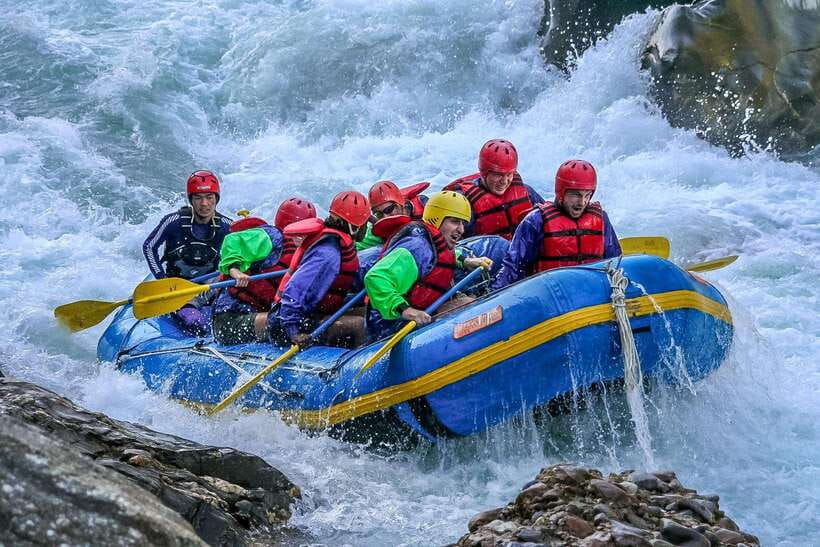
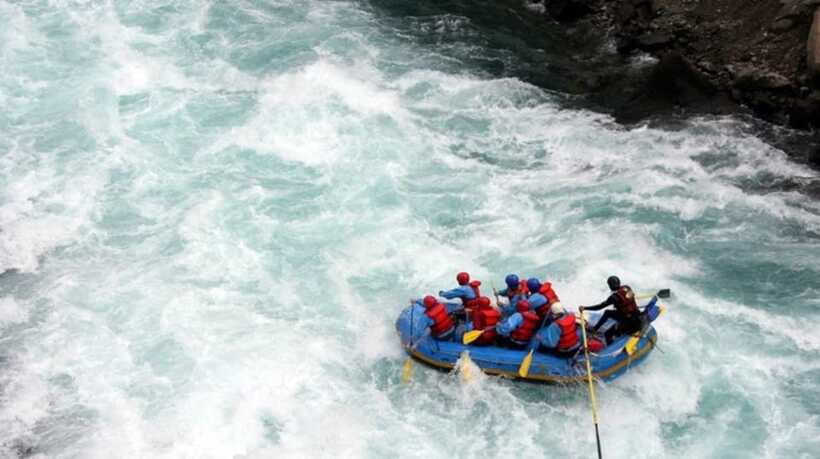
The heart of the day is rafting down the Trisuli River, with a mix of Class II and Class III rapids. For most first-timers, Class II means you’ll get moving-water practice—waves and turns that are energetic but not out of control. Class III is where it starts to feel more intense: stronger currents, more forceful rapids, and a bigger chance you’ll say, ok, this is real.
Because the experience is described as manageable for novices, you’re not expected to have advanced rafting skills. You’ll be paddling as part of a crew, following the guide’s rhythm. The goal here is to give you adrenaline while keeping the run within a range that a trained operator can manage safely.
What you’ll also notice is the river’s setting. You’re rafting through areas of lush greenery and rolling hills, so it’s not just “white-water in a tunnel.” You get views along the ride—plus the physical reality of water splashing into everything. That’s why the packing list isn’t optional: quick-dry clothing, a towel, and spare clothes are what turn an intense moment into a comfortable memory.
And yes: expect to get wet. Plan for wet socks, wet shirts, and the general chaos of a day where the river is the star.
Riverside lunch and post-raft downtime
After rafting, you’ll eat a riverside lunch. This is a big value point for a day trip, because you don’t have to spend energy finding food while you’re tired and damp.
The lunch setting also makes sense psychologically. After paddling, you want warmth, calories, and a place where you’re not shivering with wet gear. You’ll have a break and time to relax near the water. There’s also an opportunity for swimming, so if conditions allow and you feel up for it, you can cool off after the run rather than just waiting for the transfer.
Here’s the practical angle: bring a towel and quick-dry items for after lunch too. Your day doesn’t end at the last rapid; it continues through getting cleaned up, changing back, and settling into the return drive.
If you’re sensitive to sun, sunscreen is worth it. You’re outside for most of the day, and you’ll likely be exposed during the drive, the briefing, and the raft.
You can also read our reviews of more tours and experiences in Kathmandu
The 7-hour promise vs the real day you should plan for
The trip duration is listed as 7 hours. The core rafting time is 2–3 hours, and you also have hotel pickup, the drive to the river, lunch, and the return drive.
Here’s where you should be smart: rafting day trips often expand when you include real-world timing—traffic, readiness, and the time needed to change into and out of gear. Past booking problems specifically pointed out that the activity length description can be inaccurate, with longer transfers than expected and total time running well beyond what many people planned for.
So I’d plan as if this could be closer to a long day outing. If your schedule in Kathmandu is tight—like you have a same-day flight or a late dinner reservation—give yourself buffer time. If you need to catch something that same evening, double-check the pickup and return timing with the operator before confirming.
This is also where your “private group” matters. Private usually means fewer strangers to coordinate, but it doesn’t remove timing realities like roads and river schedules. It just changes the number of people involved.
Price and value: is $57 reasonable?
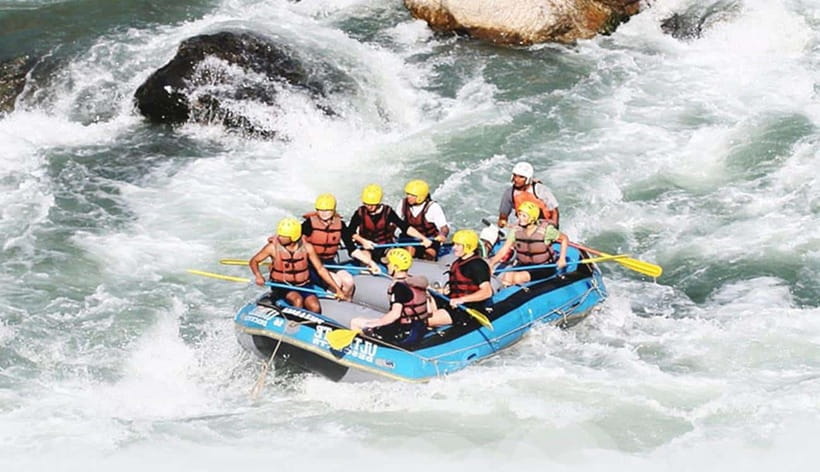
At $57 per person, you’re paying for a package: round-trip transportation from Kathmandu, rafting gear (life jacket, helmet, paddle), a safety briefing, 2–3 hours of rafting, and a riverside lunch. That’s not just access to the river—it’s a full service day.
For comparison, the value comes from what’s included. If you tried to do this yourself—arranging gear, finding transport, and coordinating a safe entry into a raft program—you’d almost certainly spend more time and money. The operator handles the setup and the safety instructions, and they’re on the water running the group.
The only thing that can reduce value fast is mismatch between expectations and reality on timing. If the day runs much longer than expected, you might feel the price was fine but the experience was less enjoyable because you lost control of your schedule. That’s not a reason to avoid rafting—just a reason to pack smart and plan your day like it’ll run full-tilt.
If you’re going for the action and the included lunch, $57 can be a fair deal for a day outside the city—especially if you’re new to rafting and want training wheels in the form of a briefing and gear.
What to bring (and what will make you miserable)
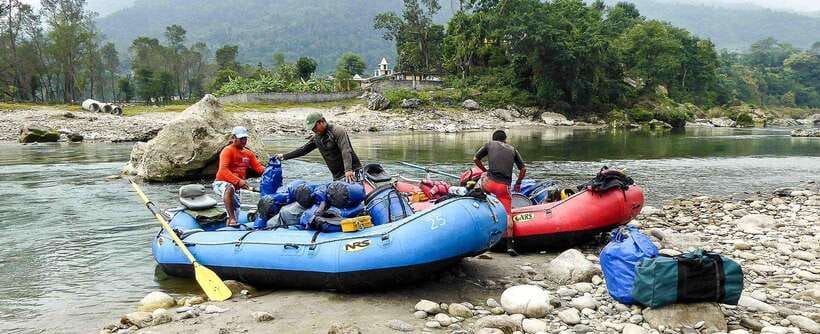
You’ll have a much better day if you come prepared. The recommended packing list is simple and exactly what you’ll need on the river and during cleanup:
- Sunglasses
- Change of clothes
- Towel
- Sunscreen
- Quick-dry clothing
Keep your towel accessible. When you finish rafting and want to change quickly, you’ll appreciate not digging through bags. Quick-dry clothing also makes the drive back more comfortable.
Also note what’s not allowed: drones. Don’t plan on bringing one for scenic shots—keep it out of your bag.
Finally, remember that you’re rafting on moving water for hours. Anything loose—like bulky towels, heavy cotton items, or slow-dry clothes—can become annoying fast.
Who this rafting trip suits best
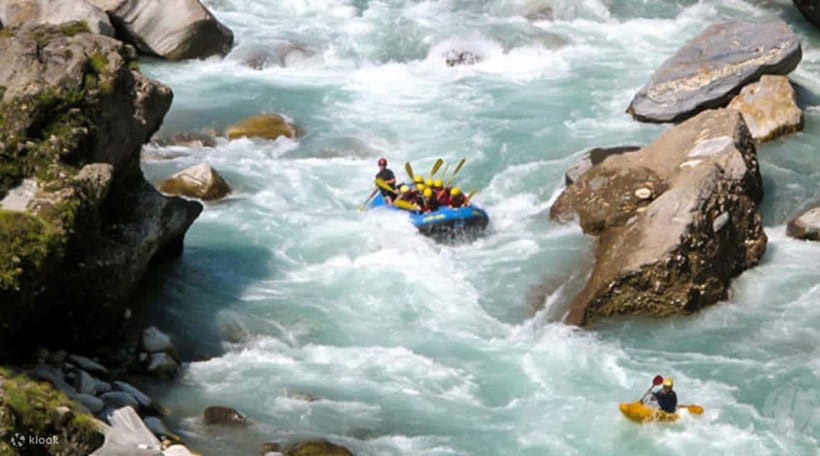
This outing is geared toward people who want a genuine rafting experience without needing advanced skills. The rapids are Class II and III, and the trip is framed as suitable for novices and intermediate rafters. If that’s your level, this is likely a fun day that teaches you the basics while still delivering real excitement.
It’s not for everyone. It’s listed as not suitable for:
- Pregnant women
- People with heart problems
- Wheelchair users
- People over 95 years
That’s a straightforward safety limitation. If you fall into any of those categories, skip this and look for a different kind of river experience.
If you’re older or have any health concerns, I’d treat this as a “talk to your doctor and then ask the operator” situation. Safety always beats bragging rights.
A booking checklist before you commit
This trip can be a great way to get white-water in a single day—but only if your expectations are lined up with how the day might run.
Here’s what I recommend doing before you lock it in:
- Ask for the exact pickup time window and the latest return estimate for Kathmandu
- Confirm that the rafting time is 2–3 hours and ask what happens if water conditions change
- Clarify what “private group” means for your specific booking (how many people, what pickup timing looks like)
- Make sure you’re packing the recommended items: change of clothes and a towel are the two that make or break comfort
One more reality check: there have been serious past booking complaints about timing accuracy, and at least one case where the activity didn’t run due to a guide not showing up, with no refund. You can’t fix the past, but you can reduce your risk by verifying details early and keeping contact info for the day of the trip.
Should you book Trisuli River rafting with lunch?
Book this if you want a structured, gear-included day of Class II–III rafting with hotel pickup, English guidance, and a riverside lunch. It’s a strong fit for first-timers who want adrenaline with training wheels.
Skip it (or choose another option) if your schedule is extremely tight, you can’t tolerate the day running long, or you’re not comfortable with a wet, active outdoor experience. And if you’re the type who needs perfect timing predictability, get confirmation in writing before you go.
If you’re flexible and you pack like you’re going to get wet, this can be a memorable Kathmandu break: city to countryside, then river to lunch, then back home with the story you wanted.
FAQ
How long is the rafting day trip from Kathmandu?
The duration is listed as 7 hours.
How long will I be rafting on the Trisuli River?
You get about 2–3 hours of rafting on the river.
What rapids are included on this trip?
The rafting includes a mix of Class II and Class III rapids.
Do I get rafting gear or do I need to bring my own?
All rafting gear is included, including a life jacket, helmet, and paddle.
Is lunch included?
Yes. There is a riverside lunch included after rafting.
Will I have time to relax or swim?
You’ll have time to relax after lunch, and there is an opportunity for swimming.
Does the trip include transportation from Kathmandu?
Yes. Transportation from Kathmandu to the rafting starting point and back is included.
Is the tour guided, and is English available?
The instructor/guides provide instruction in English, and there is a safety briefing by the guides.
What should I bring for the day?
Bring sunglasses, change of clothes, a towel, sunscreen, and quick-dry clothing.
Are drones allowed?
No, drones are not allowed.