REVIEW · KATHMANDU
Half day cooking class in Thamel kathmandu
Book on Viator →Operated by Nepal Cooking School · Bookable on Viator
Stir up Nepali flavors in Thamel. This half-day cooking class turns Kathmandu food into a hands-on lesson, with you cooking one course and eating it fresh and hot. You also get to learn how spices, dough, and dumpling techniques fit together, not just copy a restaurant plate.
I especially love the cook-and-eat format—you make a dish, then dig in right away, so the food actually tastes like it should. I also like the small group size (up to 8), where the chef’s step-by-step guidance and friendly team mean you can ask questions and get practical tips, even if you’re solo. One thing to consider: you may need to climb multiple flights of stairs to reach the kitchen area, and a few people found the market shopping portion a bit time-consuming.
If you’re in Kathmandu and you want a real skill, not a souvenir, this class is a strong pick. Just come ready for a bit of walking and kitchen work, and keep an open mind about spice shopping if you want to take ingredients home.
In This Review
- Key takeaways before you go
- Thamel start point: Divine Kathmandu Hotel and how pickup fits in
- Timing your half day: morning, afternoon, or evening shifts
- How the cooking class actually flows: from ingredient choices to a finished dish
- The menus: three options, four dishes each, and always momos
- Market time in Thamel: spices, ingredients, and a reality check on shopping
- Teaching style that keeps it easy: clear instruction, friendly energy, and real participation
- Eating what you cook: why this is better than a restaurant meal
- Value and price: what $28 really buys you in Kathmandu
- Who should book (and who should plan around the downsides)
- Should you book the Half-Day Cooking Class in Thamel?
- FAQ
- How long is the cooking class?
- What time shifts are available in Thamel?
- Where does the class start and where does it end?
- Is pickup offered?
- What’s included with the class price?
- Do I need any cooking experience?
- Is the group size small?
- Will there be time to shop for spices or ingredients?
- Can I cancel for a full refund?
Key takeaways before you go
- Momos are part of every menu, so you’ll get dumpling time no matter which option you choose
- You cook one course and eat it hot, which makes the whole lesson feel practical, not theoretical
- Small groups (max 8) mean more attention, and even solo participants can get undivided focus
- Spice control is built in, so you can go mild or go for the chili
- Thamel market time can be included, which helps you understand ingredients before you start cooking
- Instructors like Nilam and Anshu show up in many sessions, and the teaching style is a big reason people love it
Thamel start point: Divine Kathmandu Hotel and how pickup fits in
The class centers around Thamel, with the meeting point at Divine Kathmandu Hotel in Paknajol Marg, Thamel. If your package includes pickup, that’s a real convenience in a neighborhood where traffic, lanes, and crosswalk timing can be… chaotic.
You’ll also end back at the same meeting point area. That matters because it keeps the day simple: less “where do we meet again?” and more time doing the thing you booked.
A practical tip: wear shoes you don’t mind getting slightly warm or dusty. Even if the cooking part is the highlight, Thamel streets are part of the experience.
You can also read our reviews of more cooking classes in Kathmandu
Timing your half day: morning, afternoon, or evening shifts
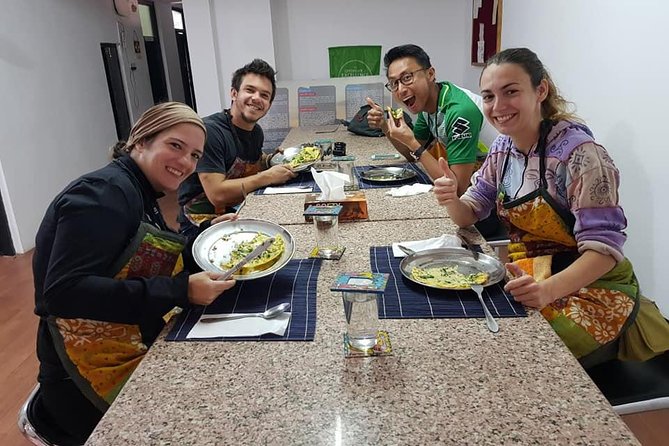
There are three sessions. The morning shift runs 9:00 am to 12:30 pm, the afternoon shift runs 1:30 pm to 4:00 pm, and the evening shift runs 4:30 pm to 8:00 pm. The total duration is listed as about 2 hours 30 minutes, so plan for a bit of extra time around the start and finish.
I like having options because you can match your cooking class to your Kathmandu rhythm. If you want the class to anchor your food day, afternoon is a sweet spot. If you’re sightseeing in the morning, evening can be a nice way to turn dinner into a lesson.
One more useful note: the inclusions list shows breakfast, lunch cooking course, coffee/tea, snacks, and dinner. That likely depends on which shift you pick, but the big takeaway is that this is not just a demo with water on the side—you should expect a full eating plan around your session.
How the cooking class actually flows: from ingredient choices to a finished dish
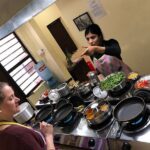
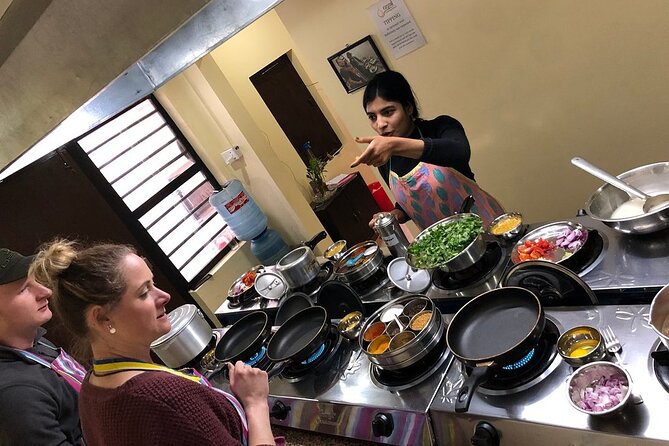
This isn’t a sit-and-watch show. Your chef takes you step by step through the process, starting from choosing ingredients and building up to more technical skills like making momos.
A key feature is that you cook one course and then eat it. That keeps things moving and keeps the food hot. It also makes the lessons stick, because you taste what you just made while it’s still fresh and you remember which step affected the flavor.
You also get control over spice levels. If you love chili, you can add more. If you don’t, you can hold back. That flexibility is a big deal in Nepalese food, where heat is often part of the signature. The class structure helps you learn the technique without forcing a one-size-fits-all palate.
If you’ve ever followed a recipe and wondered why yours didn’t taste right, this is the opposite of that. You’re learning the logic behind the seasoning and texture, not only copying measurements.
The menus: three options, four dishes each, and always momos
There are three different menus, and each menu includes four traditional Nepali dishes. The menus are designed so you don’t miss out on what many people come for: momos are included on each menu.
Even with four dishes per menu, the overall experience stays focused because the chef leads you through one course you cook and eat during the class. That’s why this format works well for beginners. You don’t need culinary confidence to get a satisfying result.
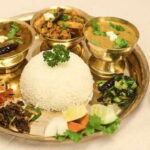
From actual menu examples that participants have shared, you may see dishes like a chapata egg roll (including making the dough), Nepali curry-style dishes with sides like dahl, and sweet dumpling options such as chocolate momos. You might also encounter other Nepalese classics depending on which menu you choose and which session date you land on.
Practical takeaway: if you’re specifically chasing momos, this class is built for you. If you’re also curious about the variety across Nepalese flavors—spice blends, dumpling fillings, and curry techniques—having three menu routes lets you pick what feels most fun.
Market time in Thamel: spices, ingredients, and a reality check on shopping
Many sessions include a walk to local ingredient spots in and around Thamel. People have described a start with a jaunt through vegetable and spice markets, plus time with a spice shop visit where instructors explain what ingredients do and how to prepare them.
This is valuable because it turns cooking into context. When you learn which spice is doing what in a dish, your home kitchen results improve fast. It also gives you a chance to buy spices to take home if that’s on your list.
The only caution: a few people felt the shopping portion took longer than they expected. If you’re short on time, or you want to focus purely on cooking, go in knowing there may be a bit of “ingredient tour” time woven into the start.
If you’re the kind of person who likes labels, textures, and tasting notes, you’ll probably enjoy this part a lot. If you’re not, just treat it as a quick scouting trip: look, learn the basics, and then move on to the fun.
You can also read our reviews of more tours and experiences in Kathmandu

Teaching style that keeps it easy: clear instruction, friendly energy, and real participation
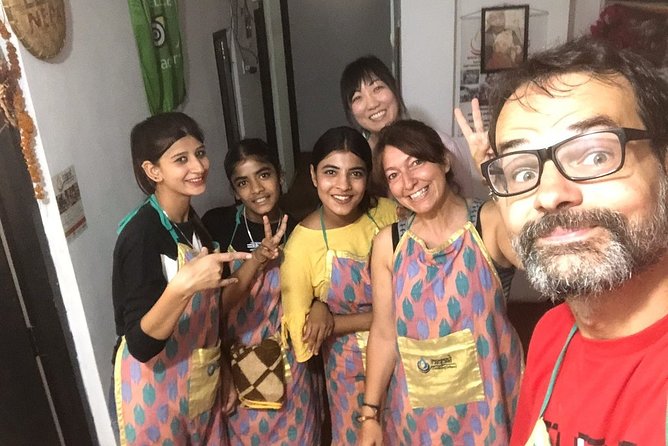
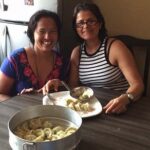
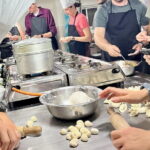
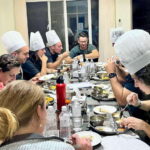
The strongest praise this class earns is about the people running it. In many sessions, instructors and assistants bring a relaxed, funny, supportive vibe, and the teaching is described as clear enough that first-timers can keep up.
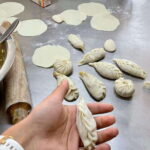
A standout theme: hands-on participation. You’re not just watching dough being rolled. You’re rolling, mixing, shaping, and learning how to adjust. Even participants who were surprised by the amount of instruction found it easy to follow, and many left with recipes they could use right away.
English support is often mentioned as helpful, and the kitchen setup is described as clean and hygienic. That combination—clean workspace plus patient teaching—is what turns a cultural activity into a confidence builder.
Two extra touches that come through in accounts:
- You may get taught by instructors such as Nilam or Anshu, depending on the day.
- One group reported that the team can adapt for needs like gluten-free—so if you have dietary requirements, it’s worth asking when you book.
And yes, there’s one more practical reality: some people note you’ll climb multiple flights of stairs to reach the kitchen area. If you’re traveling with mobility limits, that’s something to factor in.
Eating what you cook: why this is better than a restaurant meal
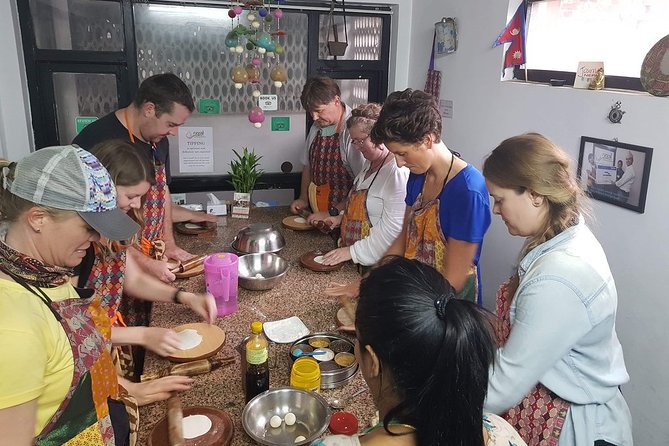
A restaurant meal tells you what’s tasty. This class teaches you how it becomes tasty.
Because you cook and then eat right after, you get an immediate feedback loop. You can taste the impact of spice level, texture, and cooking time while your memory of the steps is fresh.
People also note specific dishes they keep using at home, especially dahl. That’s a clue that the instruction doesn’t stay locked in the classroom. You leave with a mental map of how the flavors are built.
If your goal is cultural understanding, this format is great. You learn how Nepali food works as a system: spices, staples, and techniques that show up again and again in different dishes.
Value and price: what $28 really buys you in Kathmandu
At $28 per person, this is priced like an activity, but it functions like a skill workshop plus a full meal.
Here’s what you get that supports the value:
- A hands-on cooking lesson (not a demo)
- Food and beverages included, including coffee and/or tea, snacks, and multiple meal components depending on the shift
- A chance to learn core techniques like momo-making
- A small group cap of 8, which helps you get help when you’re stuck
- Optional ingredient time around Thamel markets in many sessions
- Pickup offered (when available), which reduces the cost and hassle of getting there
This price is also a win compared with paying restaurant prices for the same dishes and then trying to recreate them from memory. For many people, the best part is leaving with a cooking method you can repeat.
Alcohol isn’t included, so keep that in mind if you’re planning to drink. But for most food-focused travelers, the included tea/coffee and the meal itself do the job.
Who should book (and who should plan around the downsides)
This class is a great fit if you:
- Want a practical skill you can use later at home
- Like learning about Nepali food through ingredients and spice logic
- Prefer smaller groups and more interaction
- Travel with family and want something parent-friendly and participatory
- Need variety, since there are three menu options with four dishes each
You might want to think twice if:
- You hate walking and stairs, since access to the kitchen area may involve climbing multiple flights
- You dislike market shopping time, since some sessions include spice and vegetable shopping
For vegetarians, there’s good evidence this can work well. One participant specifically said there was no problem with vegetarian options. For gluten-free needs, there’s also a reported adaptation path—just ask ahead so you’re not surprised.
If you’re the kind of traveler who loves culture but wants it to be active, not just museum-style, this is a strong match.
Should you book the Half-Day Cooking Class in Thamel?
Yes, I’d book it if you’re craving something more memorable than another meal out. The cook-and-eat format, the reliable inclusion of momos, and the friendly step-by-step instruction make it feel rewarding even if you’re new to Nepali cooking.
Book it especially if you want to understand spices in a way you can actually reproduce later. And if stairs are an issue for you, message ahead or plan routes carefully—this class can involve more vertical effort than you’d expect.
If you want a guaranteed food win with real learning, this one belongs on your Kathmandu list.
FAQ
How long is the cooking class?
The duration is listed as approximately 2 hours 30 minutes.
What time shifts are available in Thamel?
There are three shifts: 9:00 am to 12:30 pm, 1:30 pm to 4:00 pm, and 4:30 pm to 8:00 pm.
Where does the class start and where does it end?
The meeting point is Divine Kathmandu Hotel in Thamel, and the activity ends back at the same meeting point.
Is pickup offered?
Pickup is offered.
What’s included with the class price?
The package includes the lunch cooking course plus breakfast, coffee and/or tea, snacks, and dinner. Alcoholic beverages and private transportation are not included.
Do I need any cooking experience?
No. The class starts from scratch and the chef guides you step by step.
Is the group size small?
Yes. The maximum group size is 8 travelers.
Will there be time to shop for spices or ingredients?
Some sessions include a trip to local vegetable and spice markets, and there may be a chance to buy spices to take home.
Can I cancel for a full refund?
Yes. You can cancel for a full refund if you cancel at least 24 hours before the experience’s start time. Free cancellation is available under that window.