REVIEW · KATHMANDU
Kathmandu: Local Women-Lead Nepali Cooking & Momo Class
Book on GetYourGuide →Operated by Luxury Holidays Nepal · Bookable on GetYourGuide
It’s dumplings and dal bhat, but done your way. This Kathmandu cooking class is built around hands-on Nepali cooking with a market visit first, so you start with real ingredients and finish with dishes you can repeat at home. And yes, the momo making is the headline.
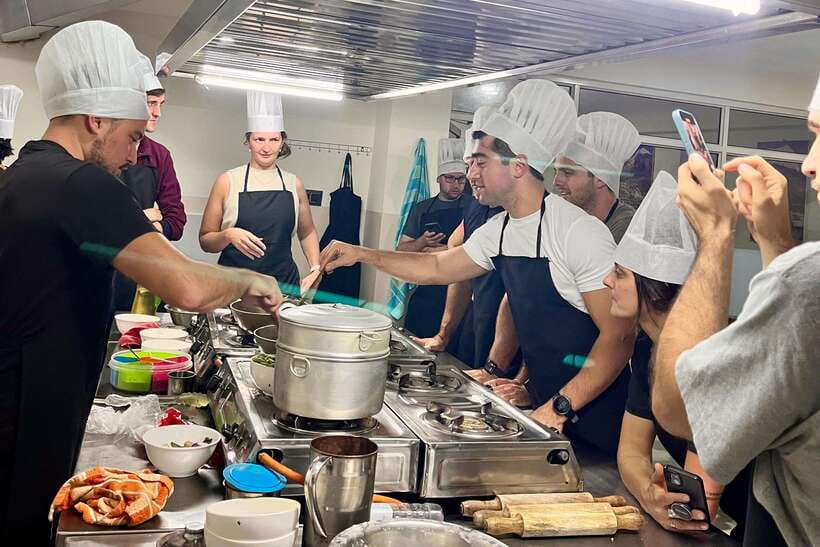
What I like most is how much time you actually spend cooking, not just watching. You get step-by-step instruction from the chef team, and the pace works even if your kitchen skills are rusty. I also like that you can shape your meal: you pick among starter, main, and dessert options, and the staff can adjust for preferences like vegetarian needs and spice level.
One thing to consider: the group can influence what ends up on the cutting board. If you’re coming specifically for momo, you’ll want to be clear early so the class choices line up with your expectations.
In This Review
- Key highlights
- Thamel location and a small-group kitchen setup that feels friendly
- Market tour: how ingredient shopping turns into a cooking lesson
- Momo making with step-by-step coaching (and group choice matters)
- Dal bhat and your second main: comfort food with structure
- The rest of the plate: starters, dessert, and big comfort-food energy
- Tea, equipment, and the practical take-home support
- Price, pickup, and timing: getting value out of a half-day
- Who this class is best for (and who should skip it)
- Should you book this Nepali cooking and momo class in Kathmandu?
Key highlights
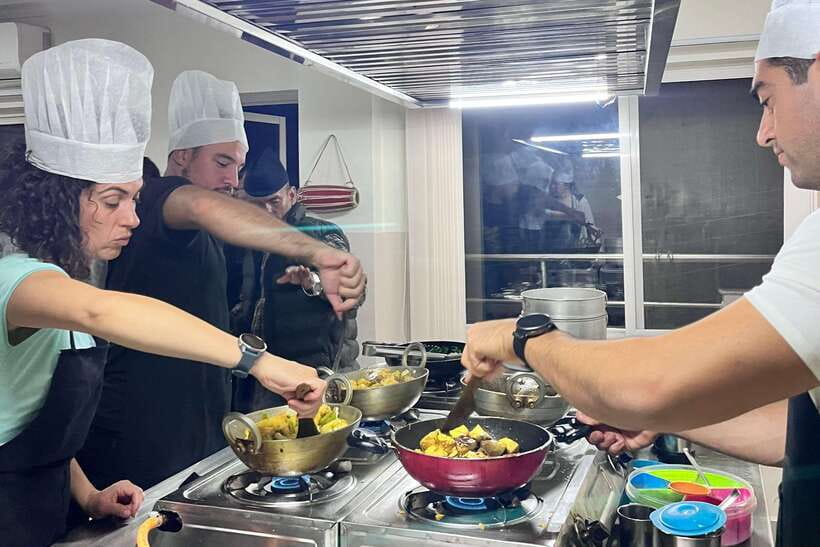
- Market tour for fresh ingredient picking before the cooking starts
- Small group (up to 10) with English instruction
- Chef-led, step-by-step momo and dal bhat cooking
- You choose dishes (starter, main, dessert options)
- Masala tea and a full tasting session of what you make
- Optional hotel pickup/drop-off within Kathmandu Valley
Thamel location and a small-group kitchen setup that feels friendly
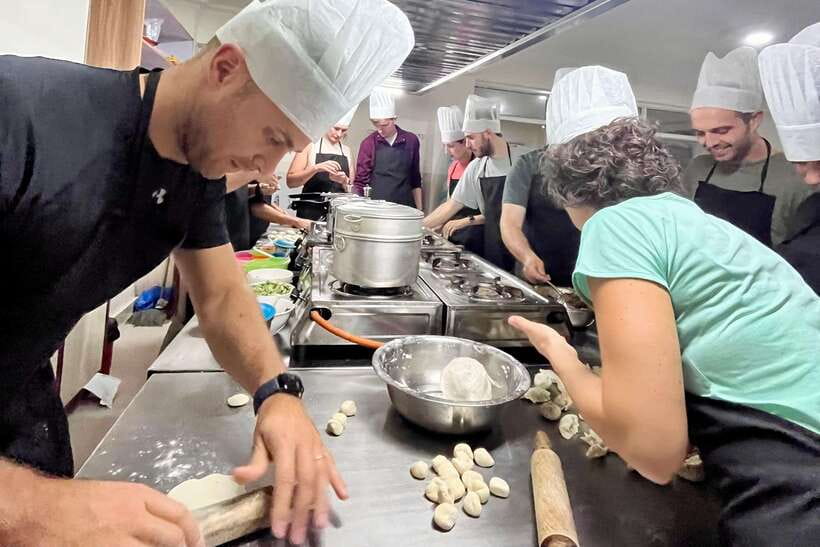
This class is centered in Thamel, which matters more than it sounds. You’re not spending your whole afternoon commuting across town, and you can show up ready to cook. For many people, that extra time on the street is the difference between a fun class day and a day that feels rushed.
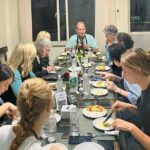
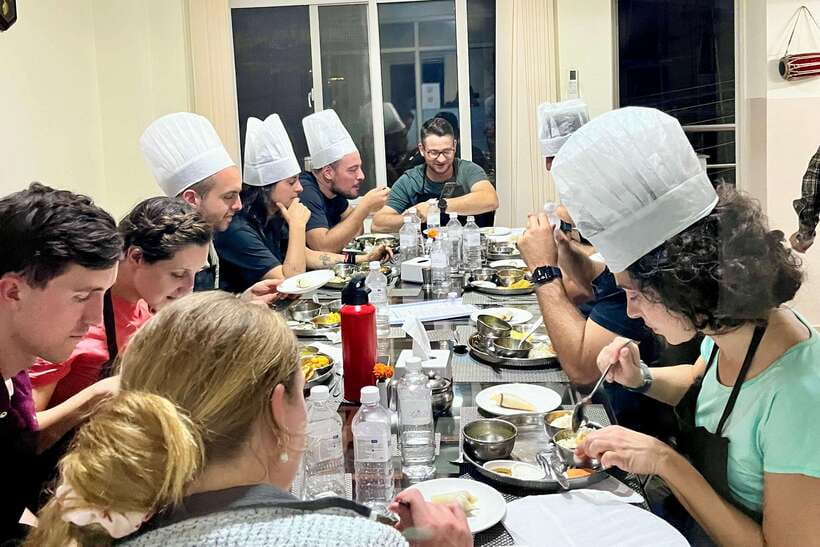
The group stays small, capped at 10 participants. In practice, that means more attention while you’re chopping, mixing, and assembling. It also makes solo travelers feel included: the class can run with very small numbers, and you’re still guided through the steps rather than left to fend for yourself.
You’ll be in an active format—wear comfortable clothes you can move in. Bring a camera if you want to capture the market and the food moment, but the real goal is skills you can take home, not just photos. The class is taught in English, and that helps a lot when the chef is explaining technique, not just recipes.
You can also read our reviews of more cooking classes in Kathmandu
Market tour: how ingredient shopping turns into a cooking lesson
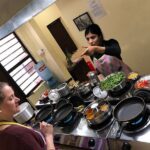
The market stop is one of the smartest parts of this experience. You’re not only buying items—you’re learning what matters and why, while the chef/instructor points out the ingredients you’ll use right away. That makes the cooking session feel connected instead of random.
Because you choose what you’re cooking, the market visit becomes part of your decision-making. It’s also a good chance to see how Nepali cooking ingredients look in real life, not just in a cookbook picture. You’ll get the important ingredients for the dishes you plan to make, and then you bring that same list into the kitchen steps.
Timing is straightforward: you start with the pickup option if you chose it, then you head into the class day. Plan to arrive about 15 minutes early to get settled, especially if you’re using hotel pickup.
A small practical tip: if you have dietary restrictions or allergies, tell the team in advance so they can accommodate you. In the cooking class context, that kind of warning helps the staff adjust ingredients and spice planning before you start cooking, not after.
Momo making with step-by-step coaching (and group choice matters)
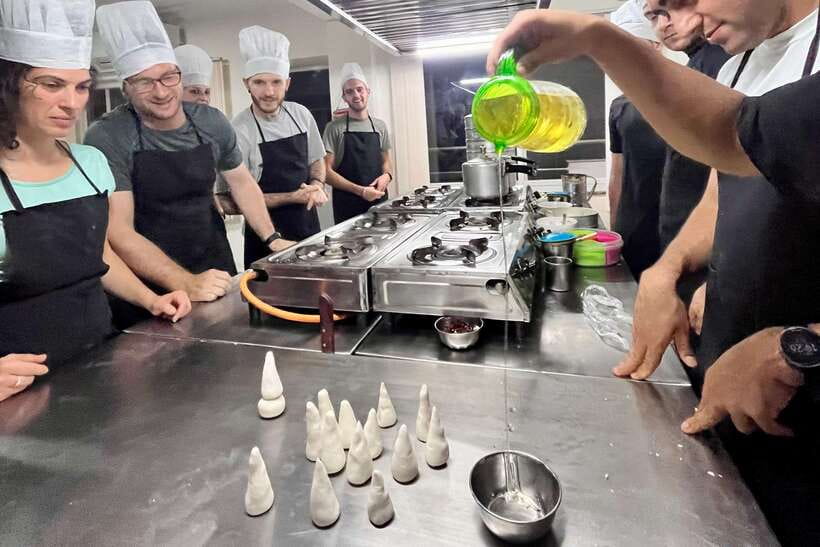
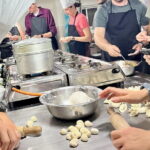
Momo is the main event here, and the class treats it like a skill you learn, not a stunt you do once. You’ll get guided, hands-on practice as you work through the process with the chef explaining what you’re doing and why. That matters because dumpling-making is all about consistency—your hand movements and proportions affect the final result.
Two things I especially like about the momo portion:
First, the instruction style is very practical. The chefs are patient, and they walk you through steps instead of tossing you into a task with vague directions. Second, English instruction makes a real difference when you’re trying to understand technique cues.
Also, your meal plan affects how much momo you actually end up making. The class format includes group selections, so if you show up expecting momo only, you might have to persuade the group if the options are being voted on. The upside is that the group is small, so your preference has a better chance of shaping what you cook.
From what you’re told and what you practice, you’ll leave with enough confidence to try momo again later—because you’ll have made it, not just watched it. And if you come with someone, it’s also a great way to compare results and laugh at the first few imperfect dumplings.
Dal bhat and your second main: comfort food with structure
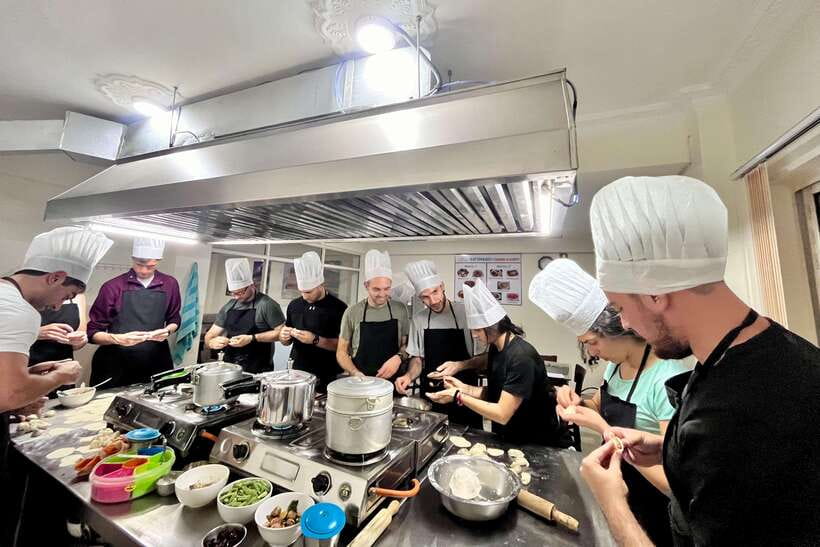
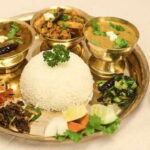
Alongside momo, the class includes dal bhat, Nepal’s staple dish. It’s a smart pairing because you learn both a hands-on specialty (momo) and a foundational everyday plate (dal bhat). That gives you a more complete view of Nepali meals rather than focusing on just one cooking style.
You’ll also choose an additional dish for a well-rounded meal. That means your plate typically isn’t just one flavor category. You’ll combine a savory base from dal bhat with other Nepalese options depending on the starter and dessert choices offered.
One practical advantage: you can often tailor the meal to your comfort zone. If you prefer vegetarian ingredients, the chef/instructor can adjust, and spice levels can be adjusted as well. That flexibility is useful because Nepalese flavors can run bold, and not everyone wants the same heat.
If you’re thinking about food planning for your Kathmandu trip, this class can act like a cultural reset. Instead of eating Nepali food once, you’ll understand how the core components come together. It makes later meals—on your own, in restaurants—feel less like guesswork.
The rest of the plate: starters, dessert, and big comfort-food energy
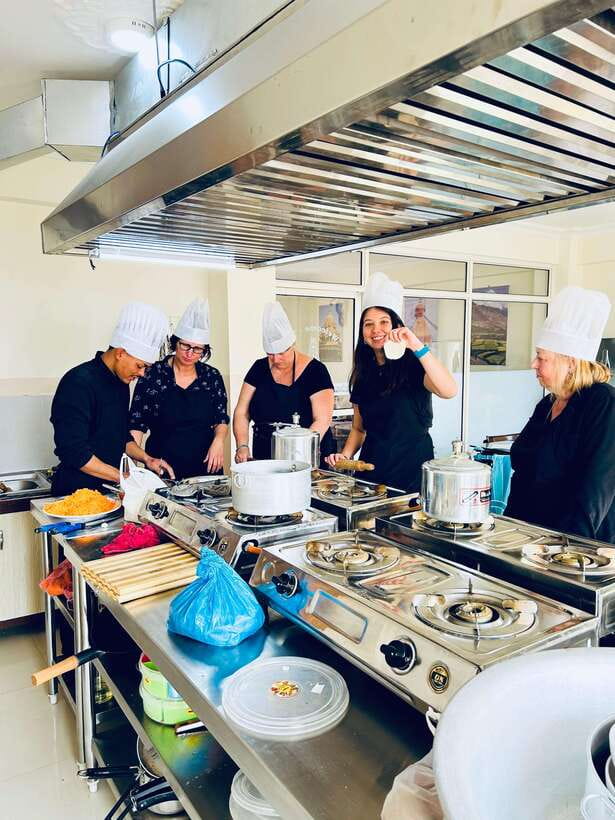
This class isn’t only about mains. You typically choose what you’ll make across multiple courses—starter options, main options (with momo and dal bhat included), and a dessert. That choice component keeps the class from feeling rigid, and it gives you something extra to look forward to beyond the dumpling goal.
The dessert part is included as part of the course structure. While the exact dessert options can vary, the key is that you’ll finish your meal with something sweet that fits the rest of the Nepali spread. That matters because it turns the class into a full eating experience, not a snack-and-cook session.
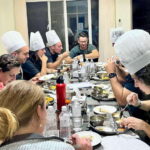
You also get a tasting session of the food you prepare. In other words, you don’t just cook and walk away. You’ll eat what you made, which is how you’ll understand seasoning balance, portion feel, and whether your final dish matches the flavor target the chef is aiming for.
And quantity can be more than you expect. It’s worth coming with a light appetite and a bit of patience for the fact that you’ll likely leave feeling properly full.
You can also read our reviews of more tours and experiences in Kathmandu

Tea, equipment, and the practical take-home support
A small detail that I genuinely appreciate: you get Nepali masala tea during the lesson. It’s simple, but it helps set the rhythm of a cooking class day—especially when you’re waiting for the next step or prepping while the chef explains timing.
The class also provides the cooking equipment and accessories, so you’re not tracking down kitchen tools in Kathmandu. That’s one less barrier between you and the experience. You show up, you cook, and you learn the workflow.
Most importantly for value: you’re guided through the steps, then you taste what you made, and you leave with materials you can use. One helpful thing people mention is that you receive a PDF with what you prepared, which makes it easier to recreate the dishes at home. There’s also sometimes an option to buy a cookbook with recipes after the class, which can be a nice add-on if you want a longer-term reference.
If you’re the type who likes to cook again later, the recipe support is the difference between a fun afternoon and an experience that keeps paying off.
Price, pickup, and timing: getting value out of a half-day
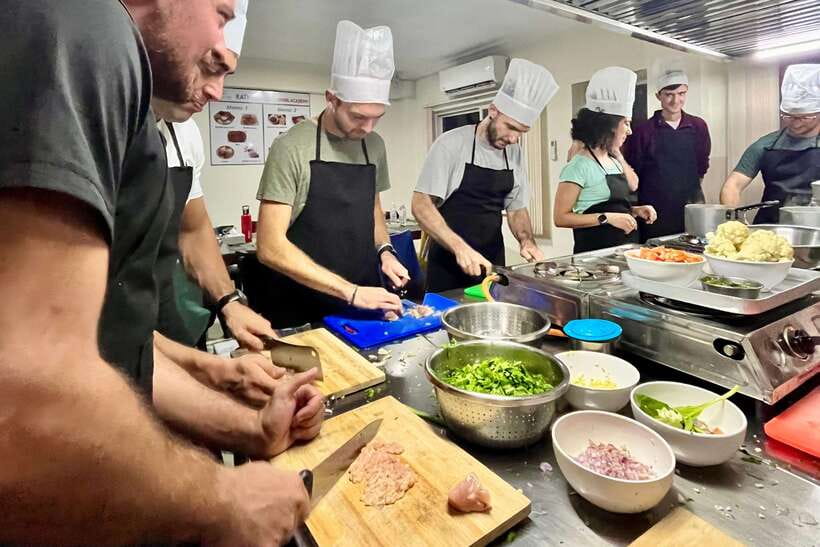
The price is listed as $5 per person, with the class lasting around 3 to 4 hours. That low cost is part of the appeal, but the real value comes from what’s included: market/shop tour for ingredient selection, chef-led step-by-step cooking, equipment, and tasting—plus masala tea and optional hotel pickup/drop-off.
Optional pickup can change the experience a lot. If you’re staying outside easy walking distance, pickup saves time and reduces stress. If you’re already based in or near Thamel, you may not need it, but it’s nice to have the choice.
One timing note: Kathmandu traffic can affect pickup/drop-off schedules. Plan a little flexibility, especially if you’re chaining this with other plans the same day. If you’re the type who needs an exact clock, this is one activity where a buffer hour helps.
Because the class is small-group and hands-on, your best strategy is to treat it like a focused afternoon. Go in hungry, wear comfortable clothes, and don’t plan on a delicate dinner reservation right after unless your schedule is flexible.
Who this class is best for (and who should skip it)
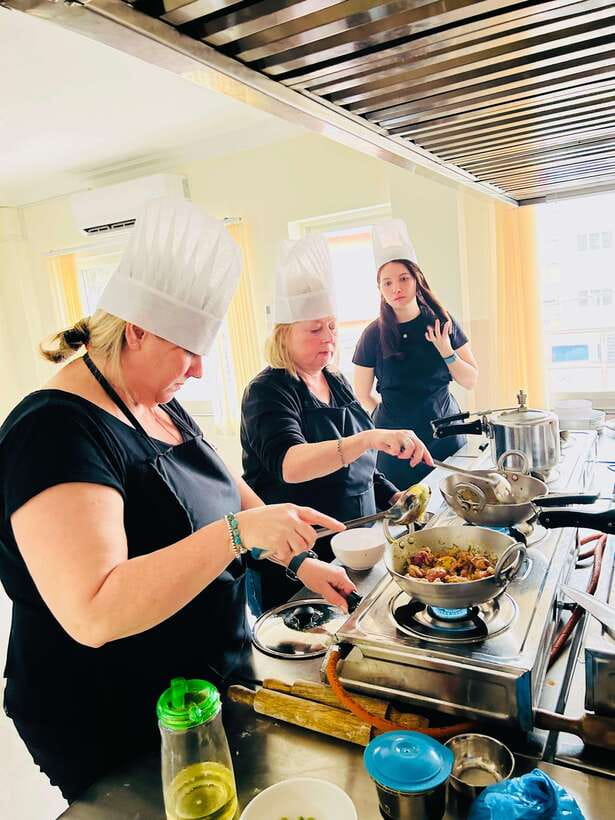
This cooking class is a strong match for food lovers who want more than restaurant eating. If you want to understand what goes into Nepali dishes and how they’re put together, you’ll get a lot out of the market-to-kitchen flow. It’s also a great choice if you enjoy learning by doing, since the format is built around your hands, your chopping, your assembly.
It works well for couples and small groups because you can cook together and compare results. It can also work for solo travelers: people report still having a fun, friendly experience even when numbers are low, and the chef team adjusts well to learners with different skill levels.
If you’re very sensitive to spice or have allergies, tell the team ahead of time. The class can accommodate vegetarian preference and spice level adjustments when communicated clearly. That’s a better approach than trying to fix it at the table.
Age-wise, children above 7 can participate with adult supervision. It’s not suitable for children under 5, and the activity isn’t suitable for people over 95. If you’re wheelchair planning, the venue is listed as wheelchair accessible, which is a plus.
Should you book this Nepali cooking and momo class in Kathmandu?
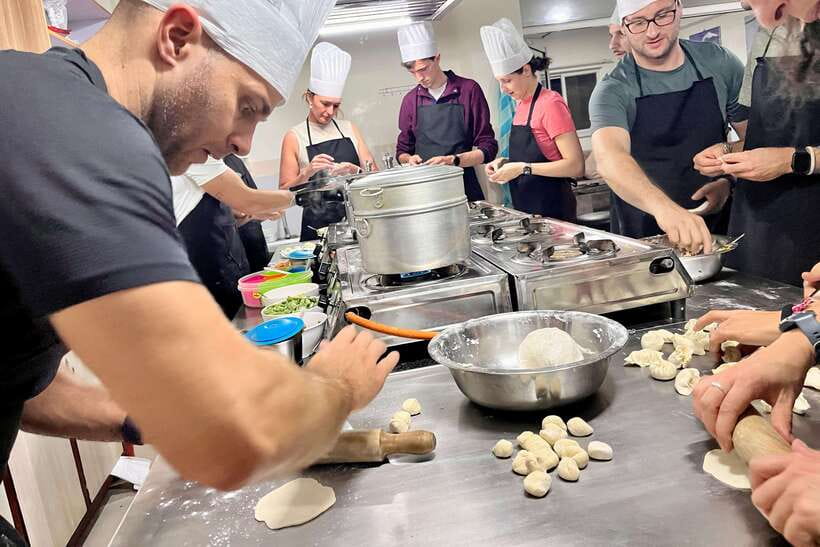
Yes, if you want a practical cooking skill plus real Kathmandu context in one half-day. The combination of market shopping, chef instruction, and tasting makes this feel like more than an activity—it’s food learning you can repeat.
Book it especially if:
- You care about momo and want structured coaching, not just a single dumpling try
- You want dal bhat knowledge alongside a dumpling-focused class
- You like small groups and hands-on teaching
- You’d like the recipe support afterward (PDF, and possibly a cookbook option)
Skip it or adjust expectations if:
- Your whole goal is only momo and you’re nervous about group menu choices
- You’re aiming for a perfectly timed schedule with no buffer (traffic can affect pickup/drop-off)
- You want a fully silent, observation-only experience (this is hands-on by design)
If you want an afternoon that feels like Kathmandu food culture—hands dirty, tea in hand, and a plate you made yourself—this one is a very solid pick.