REVIEW · KATHMANDU
Everest Base Camp Trekking – 2025/2026
Book on Viator →Operated by Alpine Ramble Treks · Bookable on Viator
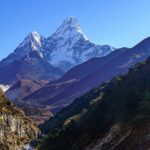
Lukla to Everest feels like a movie. This Everest Base Camp trek is interesting because it’s private guided and includes domestic flights to Lukla, so you spend your energy walking, not hunting down paperwork or transport. I also like that a government-licensed, English-speaking local guide handles the moving parts (meals, flights, pacing), which makes the whole trip feel calmer from Day 1.
The main catch is altitude and basic mountain comfort. You’re hiking rugged terrain at high elevations, with cold nights (often below freezing), and at some higher stops you may have to share bathrooms since attached facilities aren’t guaranteed everywhere. Plan for simple lodge life and bring the right layers.
In This Review
- Key things I’d highlight before you go
- Day 1 in Kathmandu: getting your bearings before the mountains
- Lukla and Phakding: the first taste of the Everest trail at 2,652 m
- Namche Bazaar: 10–12 km of altitude work and Sherpa culture
- Pangboche: monastery vibes and a steadier rhythm
- Lobuche: when the trail gets serious
- Gorakshep and Everest Base Camp: the payoff you came for
- Returning via Pangboche to Namche, then down to Lukla
- The private guide setup: safety, pacing, and less stress
- Your “typical day” on the trail: early starts and predictable breaks
- Meals at tea houses: more than fuel
- Water at altitude: purification tablets are included
- Lodges and bathrooms: warm blankets, basic rooms, and occasional shared facilities
- Price and logistics: what $1,339.20 buys you, and what it doesn’t
- Altitude reality check: moderate fitness, non-technical trekking
- Responsible tourism that’s more than a slogan
- Who should book this trek with Alpine Ramble
- Should you book Everest Base Camp 2025/2026 with Alpine Ramble?
- FAQ
- What does the price include for this Everest Base Camp trek?
- Are the flights to Lukla included?
- What meals are included during the trek?
- Do I need special climbing skills or technical equipment?
- What kind of accommodation should I expect on the trail?
- How is drinking water handled at altitude?
- What time does the experience start each day?
Key things I’d highlight before you go
- Lukla flights included, which cuts out one of the biggest logistical headaches of EBC
- TIMS card + Everest National Park fees included, so you’re not scrambling for permits later
- Water purification tablets included, plus you’ll learn how to drink safely at altitude
- A private guide for pacing, with “slow down” and “keep going” options in the same group
- Tea house food is part of the route, and you’ll be eating where you sleep most nights
- Warm gear support is offered if you don’t have a down jacket or sleeping bag
Day 1 in Kathmandu: getting your bearings before the mountains
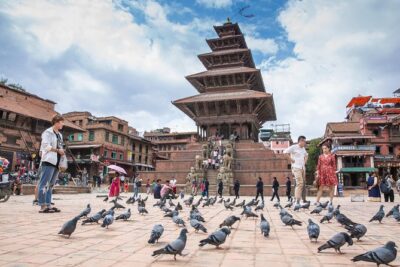
Your trip starts in Kathmandu with an airport representative greeting you and a transfer to your hotel. In the evening, you’ll be introduced to your trekking team and the plan for the trek ahead. It’s a useful reset day because Kathmandu can be loud, busy, and a little overwhelming the first time.
If you’re the type who likes to ask lots of practical questions, you’ll probably feel at ease here. The owner Dil and the team are known for quick communication and clear answers, and guides like Sujal and Hairy show up often in people’s stories about how smooth the trek feels once you’re on the mountain.
This is also the day to double-check what’s not included. Your Kathmandu hotel and meals outside the trek period are not covered unless you add them yourself, and you’ll also need your own travel insurance (not listed as included).
You can also read our reviews of more hiking tours in Kathmandu
Lukla and Phakding: the first taste of the Everest trail at 2,652 m
The trek begins with a domestic flight to Lukla, then you hike to Phakding at about 2,652 m. Expect a long-feeling start day in time blocks: the route lists the flight segment plus trekking for roughly three hours total for the Lukla to Phakding portion.
Phakding is where the “I’m really doing this” feeling hits. You’ll be surrounded by Sherpa villages and everyday Himalayan life, and the trail is active but not yet the big altitude grind. It’s also a good day to practice your rhythm: small rests, steady steps, and a focus on breathing.
One practical note: Lukla flights can be weather-sensitive. The plan includes domestic flights, but your day could shift if operations change in Lukla and Kathmandu due to conditions.
Namche Bazaar: 10–12 km of altitude work and Sherpa culture
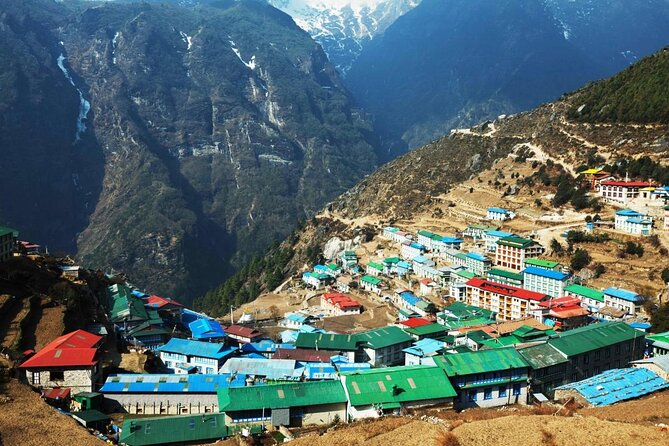
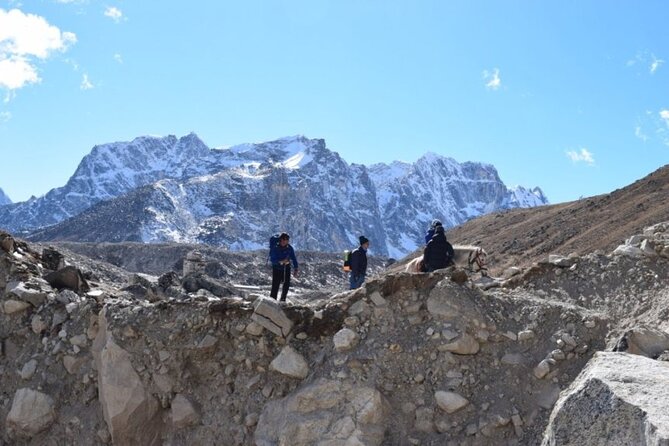
Next comes the hike from Phakding to Namche Bazaar, listed at 10 to 12 km and about 5 hours. Namche sits high, and the itinerary notes the elevation at around 11,283 ft. This is not just a viewpoint stop; it’s a real town where you’ll feel the Sherpa influence in monasteries, village life, and daily routines.
I love this stretch because it’s where people start noticing the trail’s personality. Some sections feel busier, others calmer, and the scenery changes as you gain altitude. You’ll also get chances to slow down without feeling behind, since the guide helps you match the pace to the group.
The drawback to keep in mind is that Namche is where altitude can start to make itself known. You don’t need to be a mountain athlete, but you do need steady effort and a willingness to go slower than you think you should.
Pangboche: monastery vibes and a steadier rhythm
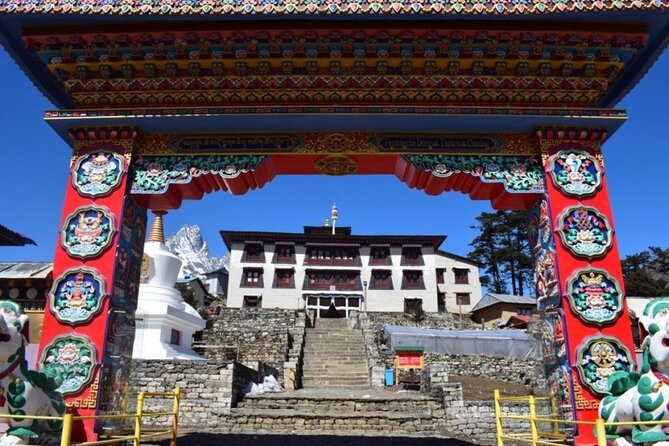
The route continues from Namche to Pangboche, listed around 5 hours. This is the kind of day where the walking feels more “work” than “sprint,” and that’s exactly what helps you enjoy the trek instead of rushing it.
Pangboche is a meaningful cultural stop. The overall trek is built around Sherpa villages and Buddhist monasteries, and Pangboche is one of the places where that mix of faith, community, and mountain life comes through clearly. If you like photo pauses with a purpose, this is a good area to do it without holding up the whole group.
A practical benefit here is the guide-led pacing. The itinerary description lays out a structured day: wake tea early, breakfast, then walking in manageable blocks with short rests. That rhythm makes it easier to keep your energy from spiking and crashing.
Lobuche: when the trail gets serious
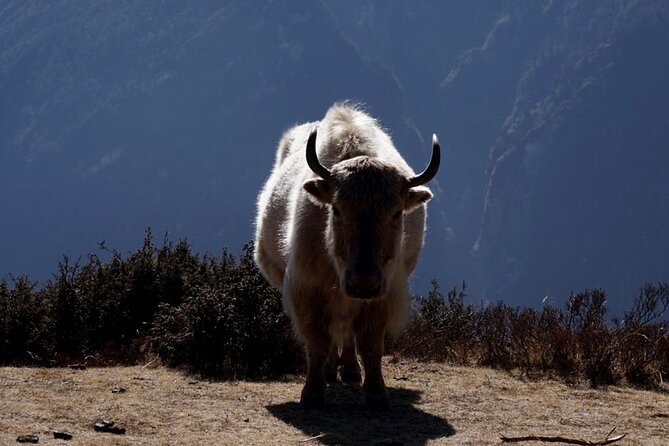
Next is the trek from Pangboche to Lobuche, also listed at about 5 hours. This day tends to feel more intense because you’re higher and the trail environment feels harsher. You’ll still be on a non-technical trek route, but the effort feels more “long and steady” than “fast and light.”
This is also a good day to remember what you can control. Drink water safely, eat what you can, and don’t treat every uphill like a race. A guide keeps you on track, but you’re the one who decides how well you listen to your body.
If you’re someone who tends to overpack, this is a good time to think about weight. Porters are included for luggage support, and the guidance says luggage should not surpass 18 kg. The lighter you go (within reason), the easier days like this feel.
Gorakshep and Everest Base Camp: the payoff you came for
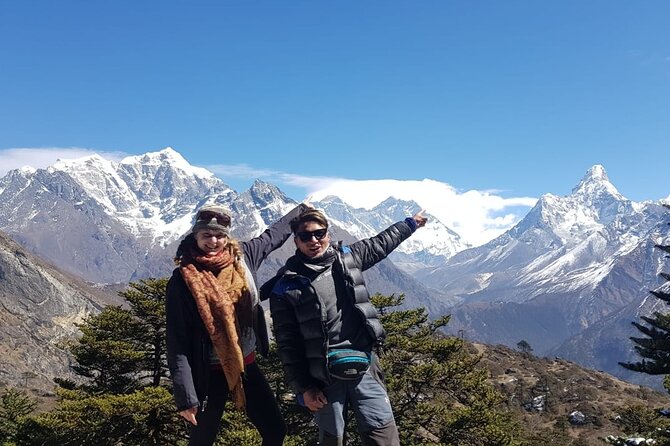
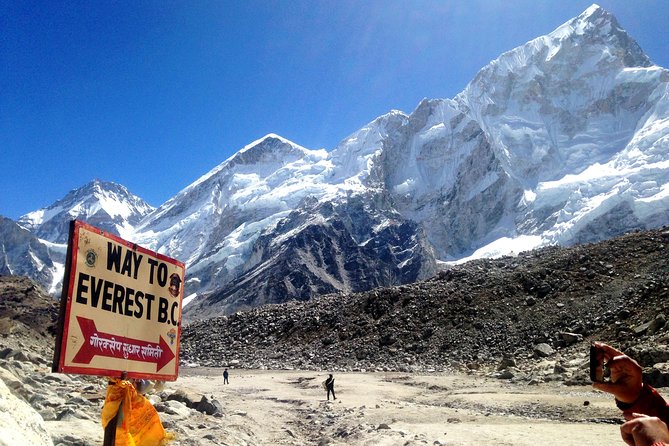
Then you move from Lobuche toward Gorakshep with a plan that includes time for Everest Base Camp. The itinerary groups this as Labuche to Gorakshep/base camp/Gorakshep, listed around 5 hours for that block.
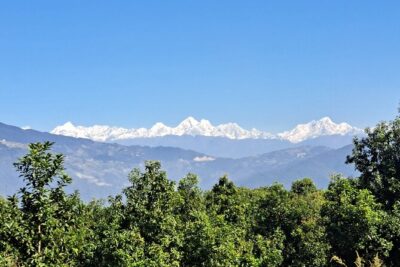
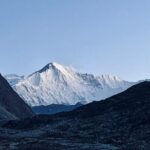
This is the classic moment: high Himalayan air, big mountain presence, and the sense that the trek is compressing into one final big look. The route is designed for moderately fit trekkers and doesn’t require technical climbing skills, crampons, oxygen cylinders, or ropes. Still, cold and thin air are real, so pace matters.
I also like that the plan keeps you from “getting lost in logistics.” The guide handles route safety and navigation so you can focus on the experience itself. A hike to Everest isn’t just legs; it’s attention. And with a guide, you can keep your attention where it belongs.
Returning via Pangboche to Namche, then down to Lukla
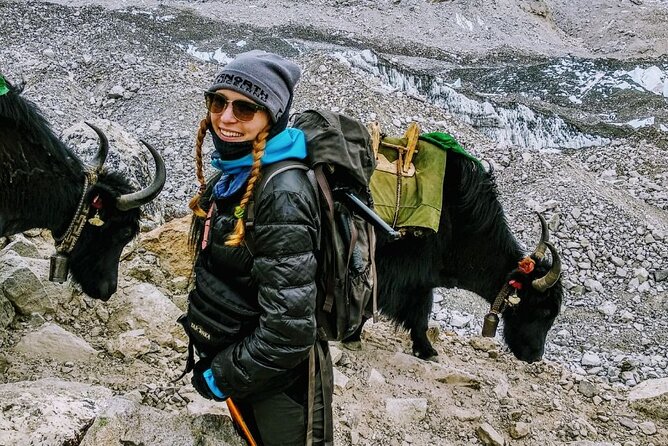
After reaching the Everest Base Camp area, the trek makes its way back. The itinerary lists a return hike from Gorakshep to Pangboche (as part of the route flow), then Pangboche to Namche at about 4 hours.
The feeling here is different. Going down can trick you into moving too fast, and your body will still be adjusting to altitude. Keep your steps controlled, even if your legs feel like they want to sprint.
Finally, the plan lists the hike from Namche Bazaar to Lukla at around 5 hours, then the domestic flight back to Kathmandu. The Kathmandu transfer time from Lukla is shown as about 35 minutes, which helps put the trip back into perspective after days of walking.
The private guide setup: safety, pacing, and less stress
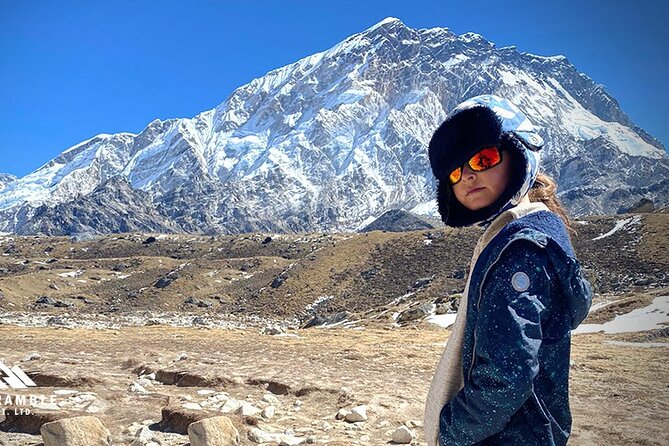
This is a private guided trek, meaning you’re not sharing your day with random strangers and negotiating energy levels. The itinerary also emphasizes going at your own pace without worrying if you’re too slow (or too fast). That’s not a small detail. In high-altitude trekking, “average pace” is often a fantasy.
You’re also trekking with an experienced ART’s government-licensed, English-speaking local guide. They cover meals, flight coordination, and the practical stuff that can eat time. People in the trip stories often praise the team’s organization and friendliness, and guides like Krishna and Samir are mentioned as helping hikers feel comfortable and well looked after.
You’ll also see the guide’s role in the daily rhythm. The plan describes wake-up tea around 6:00 am, breakfast around 7:00 am, then stretching and steady walking to the lunch camp. After lunch, you reach your lodge, rest, and get a dinner schedule that includes ordering early enough for service.
Your “typical day” on the trail: early starts and predictable breaks
The trek’s day structure is unusually clear, and I like that. You wake to tea, pack up, breakfast, then walk in segments with short breaks. The itinerary suggests walking for about 2–3 hours before lunch, then another 2–3 hours to the lodge in the afternoon.
Lunch is typically around 12:00–1:00 pm and lasts about 40 minutes. Dinner is coordinated too, with the note that you should place your dinner order before 5:00 pm. That kind of timing matters when you want a smooth day instead of waiting around.
After dinner, the guide briefs you on what’s next. There’s also an optional cultural moment: your guide encourages you to visit local Sherpa settlements to learn about culture and lifestyle in the Everest region. It’s one of those small add-ons that can make the trek feel more human.
Meals at tea houses: more than fuel
This trek is mostly full-board, with breakfast, lunch, and dinner covered on a full-board basis. Meals are served at the trekking lodges/tea houses where you stay most nights, and the plan notes that no outside foods are allowed according to local rules. That means you’ll spend your money on lodge menus, not random stash snacks.
The good news is the menu isn’t limited. You’ll typically have choices from both local and Western-style items: Sherpa stew, soups, dal bhat, rice items, spaghetti, eggs, potatoes, and even options like apple pie and pizza (where available on the route). For most days, the “safe bet” is simple, hot food: dal bhat, vegetable dishes, and soups.
A practical tip from the plan: avoid meat items in the Everest region, mainly because hygiene and safe storage can be harder at altitude. You don’t need to be afraid of food, but you do want to keep it sensible when your body is already working hard.
Water at altitude: purification tablets are included
Water is available along the trail, and the plan gives you options. You can use normal tap water for free, but you’ll need purification pills/tablets. Bottled water costs are listed as about $2–3 per liter, so if you want to keep costs down, you’ll likely lean on purified tap.
I also like the emphasis on packing a separate proper bottle for hot water. Cold water may not agree with you at high altitude because it’s extremely cold. Small comfort choices can make a big difference when you’re trying to sleep well.
Lodges and bathrooms: warm blankets, basic rooms, and occasional shared facilities
Accommodation during the trek is in basic trekking lodges. The itinerary description is straightforward: you get a nice and clean room with warm blankets, pillows, and comfortable mattresses, but don’t expect Kathmandu-level standards. Beds are comfortable enough to sleep, but this is not “resort lodging.”
Rooming is twin-sharing. If you’re traveling solo, there’s a single supplement option mentioned, and your rooming arrangement is adjusted accordingly.
Bathrooms can be the biggest surprise for first-time EBC hikers. The plan says attached bathrooms aren’t available in every spot, and in some places you may have to compromise and share at higher altitudes because there simply isn’t room for attached facilities at those elevations.
Also note: warm down jackets and sleeping bags may be provided for rent if you don’t have your own. That’s a practical value-add because trekking-gear rental can be expensive last minute.
Price and logistics: what $1,339.20 buys you, and what it doesn’t
At $1,339.20 per person, this package feels most valuable if you want a guided, low-hassle version of EBC. A big chunk of the cost is doing the heavy logistics for you.
Included items that matter in real life:
- domestic flights to and from Lukla
- trekking lodges and most meals
- Everest National Park fees and the TIMS card
- a licensed English-speaking guide and porter support
- water purification tablets
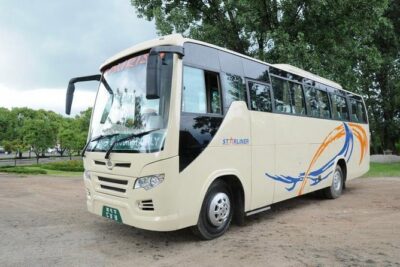
- private transportation in Kathmandu with an air-conditioned vehicle
Not included (so budget for it):
- visa fees and Nepal entry visa
- international flights
- travel insurance
- extra accommodation/meals before and after the trek
- shopping, drinks, Wi-Fi
- hot shower and alcohol costs
- snacks and additional water beyond what you choose
One more logistics thing: the meeting start time is 7:15 am, so plan your Kathmandu day around that early start.
Altitude reality check: moderate fitness, non-technical trekking
This is described as a moderate trek and specifically as non-technical. You should not need climbing gear like crampons, ropes, or oxygen. Still, altitude is the hardest part of EBC for many people, even when the route itself isn’t technical.
The plan frames the daily hiking range as about 3–5 hours a day. If you can handle a few hours of walking now and keep your energy steady, you’re in the right zone. The itinerary also encourages pre-training: stairs, jogging/running, cycling, swimming, and gym work help a lot.
Packing list highlights that are practical for you:
- sunscreen SPF 40+ and sunglasses
- headlight (nights can be dark in lodges)
- warm hat, scarf, gloves
- a down or fiber-filled jacket (rental may be available)
- layers: quick-dry hiking tops, fleece, thermal options
- rain gear: poncho and rain jacket
- sturdy trekking boots
- optional walking pole
- a thick sleeping bag
The plan lists Diamox (acetazolamide) and other first-aid-style items. I’d treat altitude medication like a medical decision, not a souvenir. If you consider it, get advice from a clinician before you go.
Responsible tourism that’s more than a slogan
The trek includes a responsible tourism approach that’s actually workable day-to-day. It asks you to respect local people and customs, ask your guides for permission before taking actions in the community, and keep the route clean by disposing of rubbish properly.
This matters on EBC. The trail is popular, and your small choices influence how sustainable the experience stays for the people who live there.
Who should book this trek with Alpine Ramble
I think this trek is a strong match if you want:
- a private guided experience with a licensed English-speaking guide
- included Lukla flights and included permits
- a trekking plan built for moderately fit hikers who can handle 3–5 hours daily
It may not be the best fit if you want luxury bathrooms every night, or if you’re not comfortable with basic trekking lodges at altitude. Also, if you hate cold conditions, you’ll need to take clothing seriously.
If you’re traveling solo, you still get guide support, and the porter model is defined (one porter for luggage support with guidelines around shared porter capacity). It’s a good setup when you want help but still enjoy walking yourself.
Should you book Everest Base Camp 2025/2026 with Alpine Ramble?
Yes, if your priority is a well-organized, guided EBC trek that handles the big-ticket logistics like Lukla flights, permits, lodge stays, and most meals. At $1,339.20, the value is strongest when you compare it against the cost and hassle of piecing this together yourself.
Book if you can commit to the moderate hiking effort, pack for cold nights, and accept that mountain lodges are basic. Skip this one if you need attached bathrooms everywhere, or if you’re hoping meals and comforts will match Kathmandu.
If you want, tell me your travel month (spring or autumn), your hiking experience level, and whether you’re solo or a couple. I’ll help you sanity-check what to pack and how to pace yourself for the altitudes listed on this route.
FAQ
What does the price include for this Everest Base Camp trek?
The package includes domestic flights from Kathmandu/Manthali to Lukla and return, all trekking lodge accommodation on a twin-sharing basis, most meals on a full-board basis (breakfast, lunch, and dinner with the main course), Everest National Park fees and the TIMS card, water purification tablets, and private transportation with an air-conditioned vehicle in Kathmandu.
Are the flights to Lukla included?
Yes. Domestic flights to and from Lukla are included in the trek arrangements.
What meals are included during the trek?
The trek includes breakfast, lunch, and dinner during the trekking days, with meals served at trekking lodges/tea houses along the route. Hot drinks are also referenced alongside the included meal timing.
Do I need special climbing skills or technical equipment?
No. The trek is described as non-technical and does not require climbing skills, crampons, oxygen cylinders, ropes, or technical equipment.
What kind of accommodation should I expect on the trail?
You’ll stay in basic trekking lodges during the trek. Rooms include warm blankets, pillows, and comfortable mattresses, but standards are not the same as in Kathmandu. Attached bathrooms are not guaranteed at higher elevations, and in some places you may share facilities.
How is drinking water handled at altitude?
Water is available along the route. You’ll use the provided purification tablets/pills to make tap water safe, and bottled water is also available for purchase.
What time does the experience start each day?
The meeting start time is listed as 7:15 am.