REVIEW · KATHMANDU
Makalu Base Camp Trek
Book on Viator →Operated by Bodhi Tree Tours Travel and Treks · Bookable on Viator
Makalu Base Camp swaps crowds for silence. This trek is built around Makalu-Barun National Park, where you’ll walk through forests, river valleys, and high alpine scenery with far fewer people than the Everest or Annapurna routes. I also love the big “wow” moment of crossing Shipton La and Keke La for hard-earned views of Makalu and the surrounding giants. The main drawback is that the days are physically demanding at altitude, and the whole trip can be weather-sensitive.
You’ll feel looked after from Kathmandu to the trail: flights to Tumlingtar are included, pickup is offered, and you get an English-speaking guide plus insurance support for the guide and porters. Lodging is mostly teahouse-style, with at least one night that turns more basic near the base camp area, so comfort is simple and practical.
In This Review
- Key things I’d circle before you go
- Why Makalu Base Camp feels quieter (and more personal)
- Price and value: what $1,750 covers (and what it doesn’t)
- Your route through Makalu-Barun: a day-by-day feel for the trail
- Day 1: Arrival + first entry into the park world
- Day 2: Descent to the Arun River, then a climb to Seduwa
- Day 3: Farms and forest walking
- Day 4: Long uphill through forest and meadows
- Day 5: Short hikes for acclimatization
- Day 6: Crossing Shipton La and Keke La (hard day, big payoff)
- Day 7: Rhododendron forests and river valleys
- Day 8: Gradual ascent with valley views
- Day 9: The push up to Makalu Base Camp
- Day 10: Optional side hikes toward Barun Glacier
- Day 11: Retrace steps down
- Day 12: Another long day through the park’s terrain
- Day 13: 5–6 hours with continuous progress
- Day 14: Long descent day
- Day 15: Finish at the trail exit, then drive and fly
- The passes and acclimatization strategy that keeps you moving
- Tea houses, meals, and how daily comfort really works
- What to pack for Makalu Base Camp: practical gear notes
- Safety, insurance, and the guide team you’ll be with
- Who should book this Makalu Base Camp trek
- Should you book this trek or look elsewhere?
- FAQ
- Where does the trek start in Kathmandu?
- How long is the Makalu Base Camp trek?
- Are flights included from Kathmandu to the trek area?
- What kind of transport is used besides the flights?
- Is bottled water included?
- Are coffee and tea included?
- Does the package include an English-speaking guide?
- Is private transportation included?
- What trekking gear is provided?
- What happens if the trek can’t run due to weather?
Key things I’d circle before you go
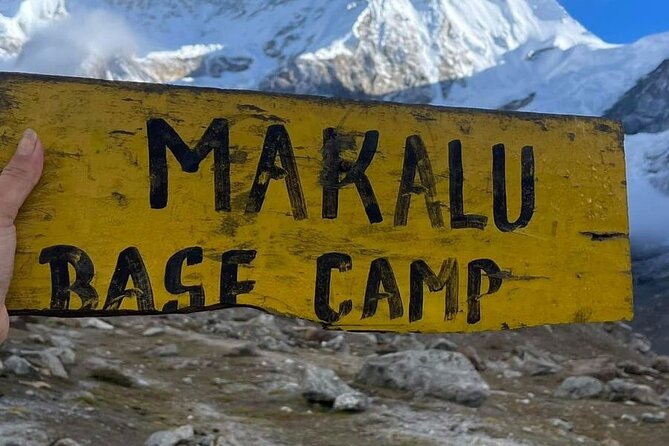
- Shipton La (4,170m) and Keke La (4,150m): the hardest, most scenic portion of the route
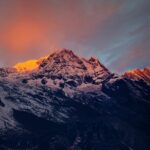
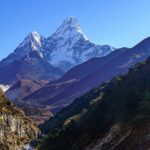
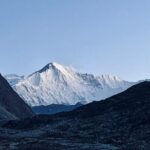
- Makalu-Barun National Park: a quieter chunk of the Himalaya with waterfalls, forests, and glacial views
- Rare wildlife and plants: chances to spot red pandas, Himalayan thars, and rhododendron-lined trails
- Included flights to Tumlingtar: less hassle than arranging transport on your own
- Equipment on request: sleeping bag, trekking poles, and crampons (listed in the package)
Why Makalu Base Camp feels quieter (and more personal)
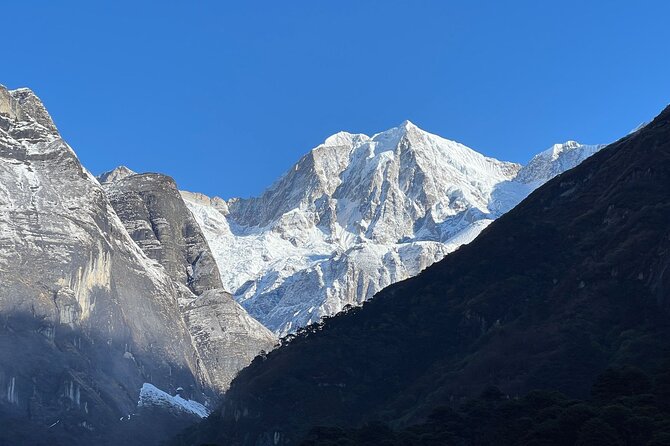
Makalu Base Camp trek is one of Nepal’s more remote-feeling routes. Instead of being stuck in a bottleneck of trekkers, you’re moving through the heart of Makalu-Barun National Park, where the pace of the day feels more like “walking with the mountains” than “competing for views.”
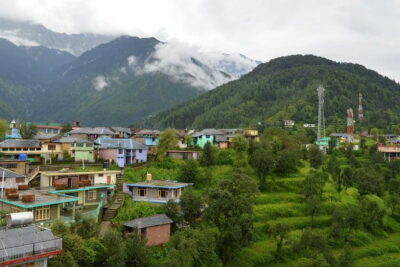
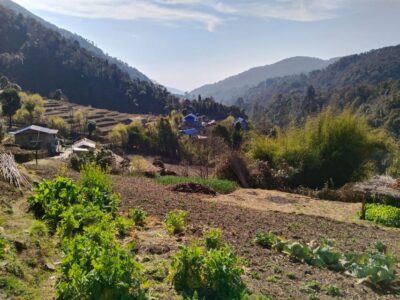
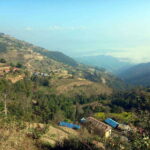
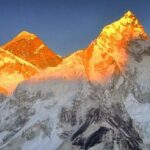
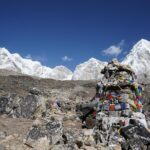
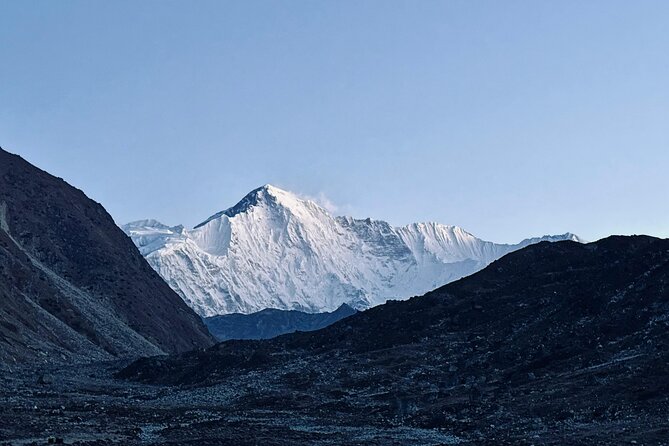
You’ll notice it in the trail atmosphere. The route shifts from lush green areas with waterfalls and rhododendrons into high-alpine terrain where the air gets sharper and the horizon expands fast. Along the way, you may spot wildlife such as red pandas and Himalayan thars, plus colorful birds that show up when you slow down and pay attention.
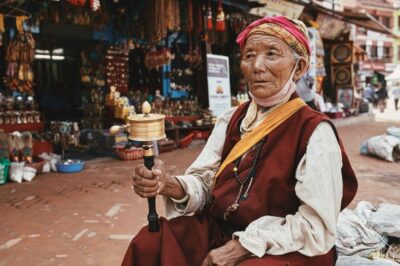
There’s also a human side that matters. You pass through communities associated with Rai, Sherpa, and Bhotiya lifestyles, and you’ll get a sense of how life works in these places when the trail is your only “road.” Even simple tea-house conversations can add texture to the day, especially in a region that doesn’t feel overrun.
You can also read our reviews of more hiking tours in Kathmandu
Price and value: what $1,750 covers (and what it doesn’t)
At $1,750 per person for about 15 days, this trek is priced like a guided package that tries to remove friction. You’re not just buying walking days; you’re buying transport support, meal structure, safety basics, and a team that handles the logistics so you can focus on breathing and walking.
Here’s what stands out as good value, based on what’s included:
- Two-way flights from Kathmandu to Tumlingtar
- Daily meals structure: breakfast, lunch, and dinner are included (with one item per meal from the menu)
- English-speaking guide plus guide and porter insurance
- First aid kits
- Maps
- Equipment you can request: sleeping bag, trekking poles, and crampons
- Pickup offered, plus a mobile ticket
What’s not included is also important for budgeting. Bottled water is not included, and coffee/tea are not included, meaning you’ll need to plan on extra purchases in tea houses. Alcohol is also not included, and your personal insurance is not part of the package. Visa fees aren’t included either.
If you’re the type who hates last-minute decisions, this package style helps a lot. If you like to control every detail yourself, you’ll still appreciate the structure—but you may want to bring a bit more planning for water, hot drinks, and your own insurance.
Your route through Makalu-Barun: a day-by-day feel for the trail
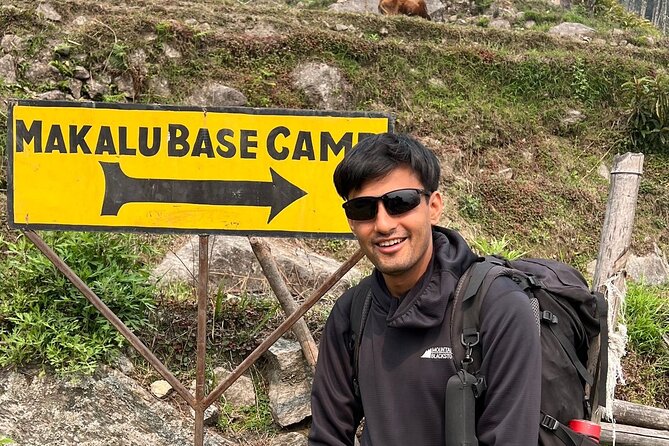
This trek is long, and the best way to handle it is to picture the rhythm. Some days are steep, some are gradual, and several include “work your legs” climbs that set up acclimatization and better weather windows.
Day 1: Arrival + first entry into the park world
You start from Kathmandu with a flight (about 45 minutes), then a 4–5 hour off-road drive to the trail area. Your first overnight is at a teahouse near Makalu-Barun National Park, which is a good way to ease in instead of jumping straight into big altitude.
The day’s goal is mostly orientation: get settled, hydrate, and sleep early. Even if your body feels okay, the mountain will remind you later.
Day 2: Descent to the Arun River, then a climb to Seduwa
Day 2 is described as a steep descent to the Arun River, followed by a steep climb to Seduwa. That combo is classic trekking math: your legs get hit on the way down, then you spend the rest of the day earning elevation back.
You’ll trek about 5–6 hours, and your overnight remains at a teahouse. This is the kind of day where slow steps win.
Day 3: Farms and forest walking
Day 3 is 4–5 hours with a more gradual walk through farms and forests. It’s one of those “reset days” where your body can adjust while the scenery still feels alive.
If Day 2 made you tense your muscles, Day 3 helps you loosen up. You’re still gaining altitude overall, but you don’t feel like you’re fighting the trail every minute.
Day 4: Long uphill through forest and meadows
Now you move into longer uphill effort at about 6–7 hours. The route goes through forest and meadows, which means both variety and steady workload.
Expect your pace to slow. On longer days like this, your breathing cadence becomes the real game.
Day 5: Short hikes for acclimatization
Day 5 includes short hikes to nearby ridges to help your body adapt. This is smart trekking design because it gives you altitude exposure without loading your legs too hard.
Think of it as practice for the days ahead—training your rhythm and your sleep patterns.
Day 6: Crossing Shipton La and Keke La (hard day, big payoff)
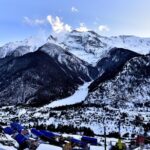
This is one of the signature sections: Shipton La at 4,170m and Keke La at 4,150m. The trekking time is about 6–7 hours, and the route notes it as a hard day but also beautiful.
This is the kind of day where good pacing matters more than speed. Start steady, take small stops, and keep your focus on the next stretch rather than the whole mountain.
Day 7: Rhododendron forests and river valleys
Day 7 is about 5–6 hours, moving through rhododendron forests and river valleys. It’s a quieter type of trekking day—still physical, but the trail feels more “walkable” than the high-pass work.
Rhododendron season can change the visual feel, but the forest texture is still part of the payoff.
Day 8: Gradual ascent with valley views
Day 8 runs 5–6 hours with gradual ascent and stunning valley views. You’ll feel the altitude more on these mid-days, but this is also where the sense of “we’re really going somewhere remote” becomes unmistakable.
Day 9: The push up to Makalu Base Camp
Day 9 is about 6–7 hours and described as climbing to base camp with incredible Himalayan views. Your overnight is either a basic lodge or tented camp.
This is where you should expect a different kind of comfort. The priority becomes warmth, sleep, and keeping your energy steady for whatever comes next.
Day 10: Optional side hikes toward Barun Glacier
Day 10 includes an optional side hike toward Barun Glacier. If the weather is good and you feel strong, this is your chance to turn base camp into more than a single stop.
If conditions are rough, you’ll be glad the trek isn’t structured as a mandatory “must-do” for everyone.
Day 11: Retrace steps down
Day 11 brings a 7-hour trek as you go back down. That’s not as glamorous as going up, but it’s an important recovery move after high effort at altitude.
Going down also lets you reset your legs and lowers your risk of feeling wrecked too early.
Day 12: Another long day through the park’s terrain
Day 12 is 6–7 hours and returns you to steady trekking. This is the phase where base-camp energy is now paired with fatigue management.
You’ll keep moving through tea-house zones, staying in that rhythm of “walk, eat, sleep, repeat.”
Day 13: 5–6 hours with continuous progress
Day 13 is about 5–6 hours. It’s a day that supports your overall goal: keep dropping altitude gradually while still building the stamina you’ll need for the final descent.
Day 14: Long descent day
Day 14 is a 6–7 hour long descent. This is the day you’ll feel in your knees, even if the trail isn’t technically challenging.
Use trekking poles if you have them. Small steps and short breaks make a huge difference here.
Day 15: Finish at the trail exit, then drive and fly
Day 15 includes about 4 hours of trekking, then a 4–5 hour drive, and then the flight option back to Kathmandu. If timing allows, you can fly Tumlingtar to Kathmandu the same day or the next morning.
This is a real end-to-end route: you’re not just walking; you’re also doing the transport legs that most people forget to factor into their energy.
The passes and acclimatization strategy that keeps you moving
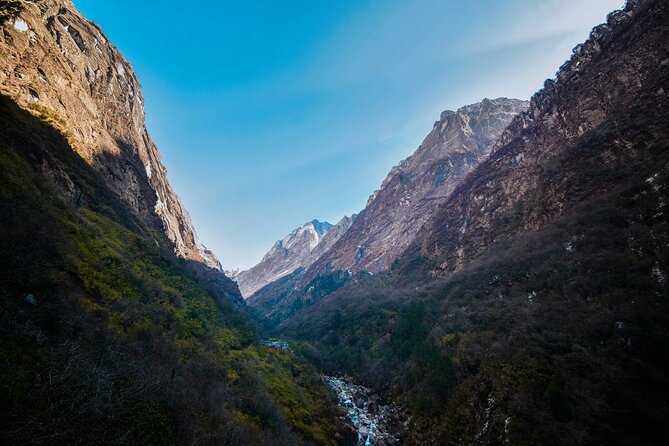
Altitude is the real “character” on this trek. The route builds acclimatization through both gradual days and a couple of deliberate short hikes, so you don’t just shoot upward and hope.
A few details matter:
- Day 5 includes short hikes to ridges specifically for acclimatization.
- Day 6 is the hard-hit pass day: Shipton La and Keke La around 4,150–4,170m.
- After base camp, Day 11 retraces down—a recovery pattern that helps your body reset.
Your job is to follow your team’s pace and not try to “win” the mountain. If you go too fast, you’ll pay for it later, especially with the long descent on Day 14.
Also, remember that weather can change rapidly in the Himalaya. The experience notes that it requires good weather, so it’s smart to stay flexible and accept that conditions can affect timing.
Tea houses, meals, and how daily comfort really works
Your lodging is mainly teahouse stays, which usually means shared, basic rooms and simple meals. That sounds limiting until you realize it’s practical. You’re in the mountains, so the tea-house model keeps food and sleep predictable.
Meals are included as:
- Breakfast: one item from the menu
- Lunch: one item from the menu
- Dinner: one item from the menu
You’ll eat along the way in the places you stop. That structure matters because you’re not guessing where meals will be, and you’re not losing time negotiating menus when your legs are tired.
What’s not included can still affect your comfort:
- Coffee/tea are not included, so plan on paying for hot drinks separately if you want them.
- Bottled water is not included, and you can refill at tea houses. A refillable bottle is a smart sustainability move.
On nights near base camp, the lodging can be more basic or tented, which means you’ll rely on warmth and sleep discipline. Bring your layers seriously, and treat wind and cold as part of the route, not a surprise.
What to pack for Makalu Base Camp: practical gear notes
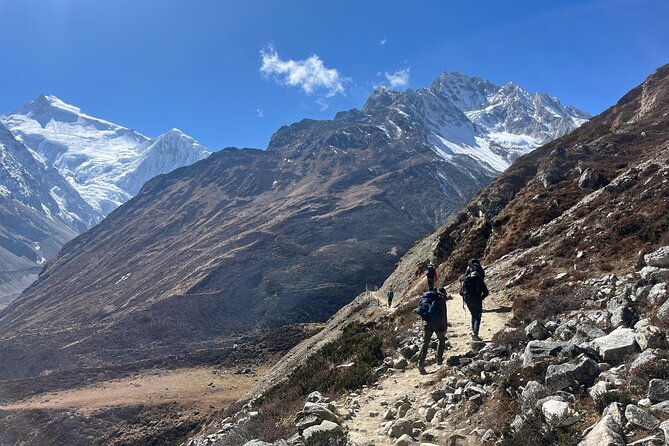
This trek lists that sleeping bags, trekking poles, and crampons can be provided in request. That helps if you’re traveling light or don’t want to buy high-use gear before you arrive.
Still, you should pack as if you’re responsible for your comfort. The included equipment may not cover everything you personally want. Focus on essentials and weather protection.
Here’s what matters most for a trek like this:
- Layers you can add or remove fast as you gain and lose altitude
- Gloves and a hat for cold winds and early mornings
- A rain shell or dependable outer layer, since forest days can turn into weather days
- A refillable water bottle (since bottled water isn’t included)
- Any personal meds and blister care you need
Also plan for the emotional part of the gear list: when you’re tired, you want your packing to be simple. Put what you’ll use daily in easy-to-reach spots.
Safety, insurance, and the guide team you’ll be with
You’ll be trekking with an English-speaking guide, plus support staff. The package includes guide and porter daily allowances and insurance for both the guide and porters, which is a good sign that the operator thinks about safety beyond just having trekking poles.
First aid kits are included as well. That doesn’t mean you’re invincible, but it means there’s at least a baseline response plan in place.
On the human side, the feedback for this operator highlights specific people. I saw thanks directed to team members named Raj, Pujan, and David, with guides Pujan and David receiving special praise for making stays and the trek feel well-managed. You can’t assume the same staff will be with you, but you can feel what this company values: organization, communication, and a calm presence.
Who should book this Makalu Base Camp trek
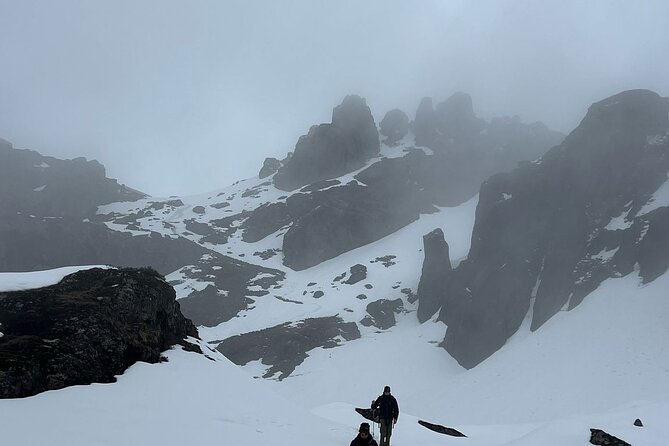
You’ll like this trek most if you want:
- A remote route through Makalu-Barun National Park
- Fewer people on the trail and more quiet walking time
- Real altitude work, including the signature high passes
- Teahouse-style simplicity, not luxury
- A guided team that handles transport and meal structure
You may want to think twice if you’re not comfortable with steep days. The trek includes hard effort at passes around 4,150–4,170m and a long descent near the end. The experience also notes moderate physical fitness is needed, so be honest about your current stamina.
This is also a private tour/activity, meaning it’s only your group. If you prefer not to share guide time and camp conversation with strangers, that can be a big plus.
Should you book this trek or look elsewhere?
If your goal is a quieter Himalayan trek through Makalu-Barun National Park, I’d put this on your shortlist. The included flights to Tumlingtar, the daily meal structure, and the support for gear on request make it easier to focus on the trekking itself. The high-pass day gives you a real achievement feeling, not just a stroll with views.
Book it if you can handle hard days and altitude pacing. Don’t book it expecting comfort-heavy logistics. Base camp can mean basic lodging or tented nights, and you’ll also manage your own water purchases and warm drink costs along the way.
Finally, match the trek to your personality. If you like silence, practical days, and walking where the trail feels remote, this is exactly that kind of Nepal trip.
FAQ
Where does the trek start in Kathmandu?
The start point is Tribhuvan Airport, Kathmandu, Nepal, with a listed start time of 12:15 am.
How long is the Makalu Base Camp trek?
The duration is listed as 15 days (approx.).
Are flights included from Kathmandu to the trek area?
Yes. Two-way flight tickets from Kathmandu to Tumlingtar are included.
What kind of transport is used besides the flights?
After flying to Tumlingtar, the itinerary includes drives of about 4–5 hours (off-road), and it also includes a drive on the final day before the flight back.
Is bottled water included?
No. Bottled water is not included, and you can purchase it along the trail or refill at tea houses.
Are coffee and tea included?
No. Coffee and/or tea are not included in the package. You can buy them separately at tea houses.
Does the package include an English-speaking guide?
Yes. The trek includes an English-speaking guide, plus guide and porter insurance.
Is private transportation included?
No. Private transportation is not included. Local transport is used as per the itinerary.
What trekking gear is provided?
In request, the package lists sleeping bags, trekking poles, and crampons.
What happens if the trek can’t run due to weather?
The experience requires good weather. If it’s canceled due to poor weather, you’ll be offered a different date or a full refund.