REVIEW · POKHARA
Pokhara: Full-Day Sightseeing & Viewpoints Tour – Private/Group
Book on Viator →Operated by Luxury Holidays Nepal Pvt. Ltd. · Bookable on Viator
Pokhara’s best views come with a driver. I really like the hotel pickup/drop-off convenience and the Phewa Lake–temple focus that keeps the day scenic and smooth, even when time is tight. The main drawback is simple: it packs several sights into a short 4–5 hour window, so some stops are brief and you’ll want comfy shoes and patience for quick turns.
You get an English-speaking guide, air-conditioned private transportation, and bottled water (500 ml) without having to negotiate routes or meeting points. One more plus for flexible plans: you can customize your sightseeing order and pace to match what you care about most—views, culture, or a bit of light exploration.
A possible consideration: one of the lake experiences is described as optional, so you’ll want to confirm what’s included versus add-on during the day. If you’re the type who hates rushing between photogenic spots, you might find the schedule a touch “fast,” but the tradeoff is you’ll hit the big Pokhara highlights.
In This Review
- Key things to know before you go
- How the driver + guide plan keeps Pokhara easy
- Phewa Tal: lakeside time first, then the island temple mood
- Devi’s Fall: the underground waterfall spectacle
- Gupteshwor Mahadev Cave: Shiva shrine + waterfall flow beneath
- Pumdikot Shiva Statue: viewpoints when the sky is cooperative
- Suspension Bridge: a short scenic walk with a little adrenaline
- World Peace Stupa: end with a panoramic finale
- Price and value: what $40 covers, and what you may add
- Who this tour suits best (and who should rethink it)
- Should you book this Pokhara full-day viewpoints tour?
- FAQ
- How long is the Pokhara sightseeing tour?
- Does the tour include hotel pickup and drop-off?
- What are the main stops on the tour?
- Is there a boat ride on Phewa Lake?
- What’s included in the price?
- Is free cancellation available?
Key things to know before you go
- Hotel pickup and drop-off means you skip the meeting-point hunt and start sightseeing fast
- Phewa Tal + Tal Barahi Temple delivers one of Pokhara’s most iconic lake-and-island moments
- Devi’s Fall and Gupteshwor Mahadev Cave give you a cool, underground double feature
- Pumdikot Shiva Statue adds a higher-altitude viewpoint when the weather cooperates
- Suspension Bridge is a short, scenic “light adventure” stop that’s great for photos
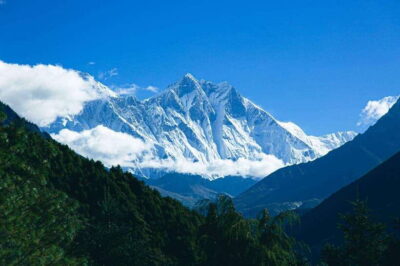
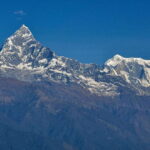
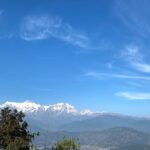
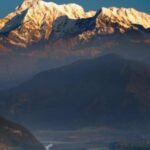
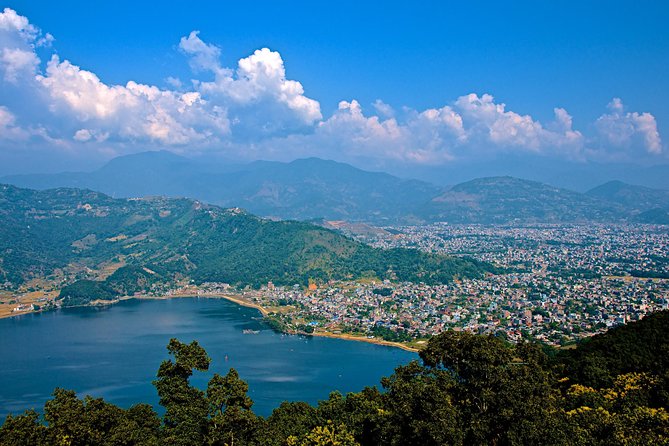
- World Peace Stupa finishes with panoramic views over Pokhara, Phewa Lake, and the Annapurna range
How the driver + guide plan keeps Pokhara easy
Pokhara rewards people who slow down, but it also punishes people who spend half the day trying to figure out transport. This tour handles the logistics so you can focus on what matters: views, culture, and actually seeing each place rather than circling around looking for parking.
You’ll ride in air-conditioned private transportation with pickup from your hotel and drop-off afterward. That’s a big deal in practice, because Pokhara’s best sights are spread out. Having someone else handle the driving also makes it easier to enjoy the scenery along the way—especially helpful if you’re tired after arrival or juggling a tight itinerary.
The guide also matters. An English-speaking professional guide can help you understand what you’re looking at without turning it into a lecture. That’s the kind of support that turns random stops into a connected day.
And yes, this is set up as private (only your group). At the same time, there are group discounts available, so if you’re traveling with friends or you’re okay joining a group date, it can be a smart value play.
You can also read our reviews of more private tours in Pokhara
Phewa Tal: lakeside time first, then the island temple mood
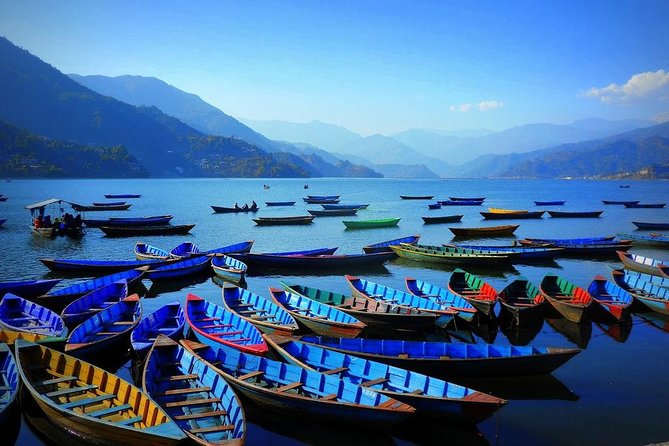
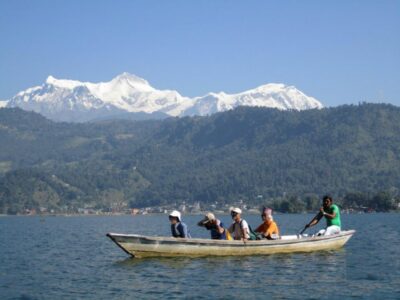
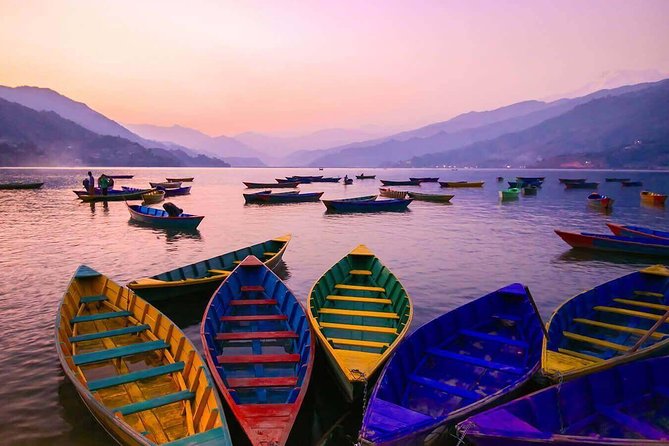
The day starts at Phewa Tal, Pokhara’s famous lake. You’ll get about an hour here, and the itinerary gives you two ways to enjoy it: a relaxed lakeside walk or an optional boat ride. Either way, this stop is about setting the tone—cool air off the water, postcard reflections, and the Annapurna range showing itself when visibility is good.
I like this choice because it respects how people actually experience a lake. If you’re more into stretching your legs, do the lakeside stroll. If you’re after the classic lake perspective, choose the boat option. It’s also the easiest way to get those “I’m really in Pokhara” feelings without needing a full day hike.
Then you move to Tal Barahi Temple, the island temple located in the middle of the lake. Access is by boat, and the point of the stop is the calm. Even if you only spend around 15 minutes, you’ll feel the change of pace quickly: water around you, fewer distractions than land-based sights, and a very Pokhara blend of culture and landscape.
A quick practical note: because this portion involves a boat, you’ll want to plan for some movement and bring a light layer if you feel cool on the water. Also, since it’s short, keep your photos moving—grab the key angles, then take a moment to just watch.
This is one of those segments that tends to land well. In fact, the strongest enthusiasm I’ve seen around this tour ties to the lake boat experience paired with the temple stop—and that pairing makes the whole day feel intentionally designed rather than random check-box tourism.
Devi’s Fall: the underground waterfall spectacle
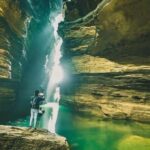
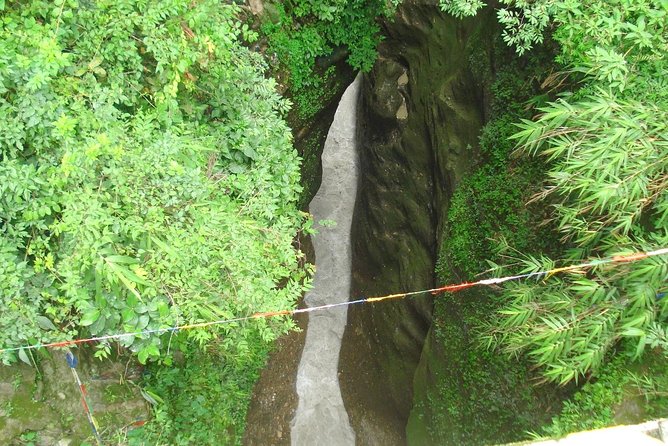
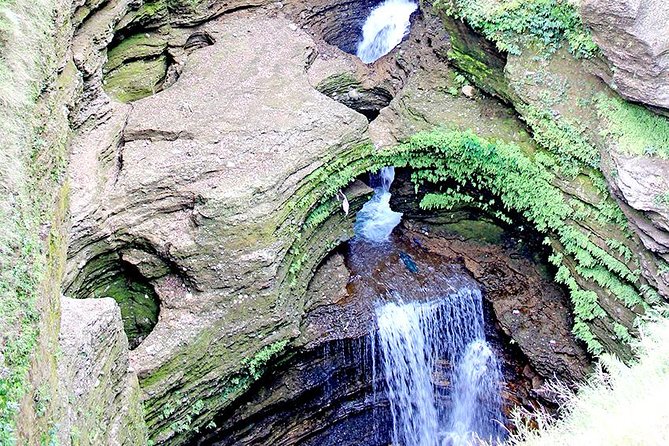
Next up is Devi’s Fall, a famous underground waterfall where the river disappears into a deep gorge. The big draw here is the visual contrast: you see water flowing, then it vanishes into the rock in a way that feels a little unreal.
Timing matters. The information for this stop highlights that Devi’s Fall is especially impressive during the monsoon and post-monsoon seasons. If you’re visiting in wetter months, you can expect a stronger, more dramatic effect. If you’re there in drier weather, it can still be interesting, but the intensity may vary.
The stop is about 30 minutes, which means you’ll likely have time to take in the main view points and then reposition for photos. The short duration is actually a plus for many people: it keeps you from getting worn out at one site and helps the day maintain momentum.
What I’d watch for: underground water attractions can be slippery around viewpoints. Stick to safe footing and take your time on any paths near the water edge.
Gupteshwor Mahadev Cave: Shiva shrine + waterfall flow beneath
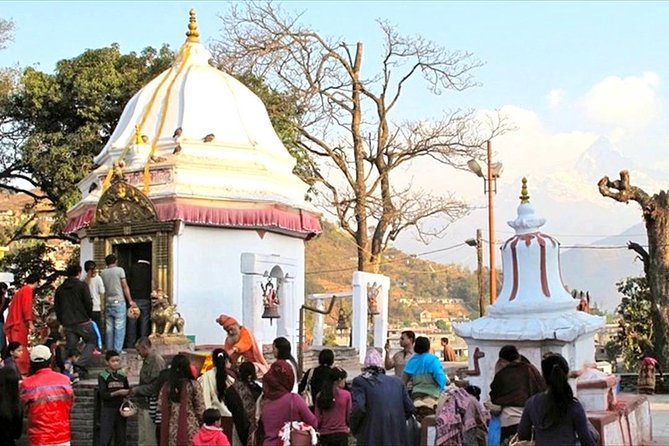
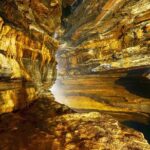
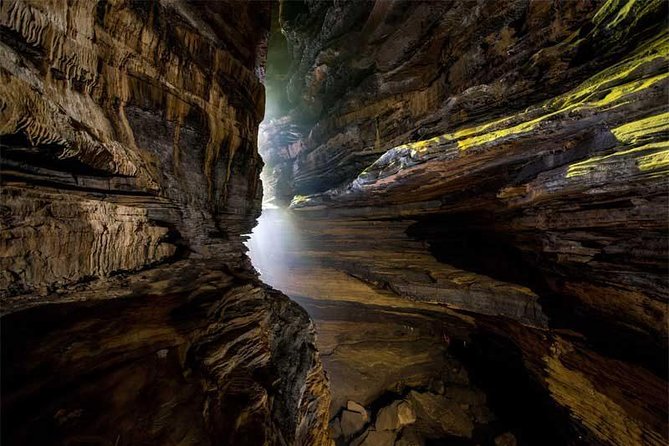
Just across from Devi’s Fall is Gupteshwor Mahadev Cave, another 30-minute stop that turns the day more spiritual and more “behind the scenes.” This sacred cave houses a Shiva shrine, and it offers an underground look at the waterfall flowing beneath the temple.
This is a great pairing with Devi’s Fall because you get two different angles on the same idea: water that disappears above, then reappears below in a hidden way. Even if you’re not a major cave person, the combination of religious site + geology makes it memorable.
One consideration: caves often mean cooler, dimmer conditions and uneven steps or surfaces. You don’t need to be an athlete, but you should still wear shoes with decent grip and be mindful on entry and exit. Also, since the stop is relatively brief, go in with your camera charged and your expectations set: this isn’t a long, museum-style visit, it’s a fast, focused experience.
Pumdikot Shiva Statue: viewpoints when the sky is cooperative
After the underground sights, the tour shifts upward with a drive to Pumdikot, where you’ll see a large Shiva statue and get wide views across Pokhara Valley and surrounding hills.
This stop is about 30 minutes, and its value is mostly the view payoff. The information notes that you’ll enjoy visibility of the Himalayan range on clear days. In plain terms: this is a weather-dependent moment, and it’s one of the best reasons to care about timing and conditions that day.
I like how this works in the overall flow. After caves and water features, you get open air, space to look far away, and a chance to reset your eyes and brain. That makes the later stop at the World Peace Stupa feel even more dramatic—like you’re climbing to the final panorama.
Practical tip: bring sunglasses if you get bright glare, and keep an eye on the wind. Elevated viewpoints can feel cooler or breezy even when the valley is warm.
You can also read our reviews of more tours and experiences in Pokhara
Suspension Bridge: a short scenic walk with a little adrenaline
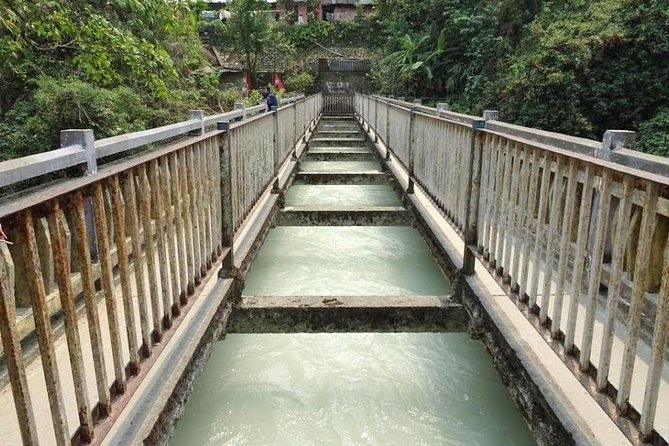
Then comes the Suspension Bridge stop, about 15 minutes. This is a “light adventure” option near Pokhara—enough movement for fun and photos, not so long that it drains your energy before the final viewpoint.
For many people, suspension bridges hit a sweet spot: they’re exciting without being strenuous. You get those dramatic “bridge over scenery” angles, and it’s a nice break from temple and cave time.
A simple caution: bridges can sway. Don’t lean too far for photos. Hold onto a railing and take your time, especially if wind picks up or if the bridge area is crowded.
World Peace Stupa: end with a panoramic finale
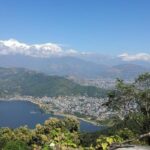
The day’s finale is the World Peace Stupa, also called the World Peace Pagoda. Expect a 20-minute wrap-up with panoramic views over Phewa Lake, Pokhara city, and the Annapurna range.
This stop is the right kind of ending because it reframes everything you’ve seen so far. You started on the lake. Now you see the lake from above, plus the city grid and the mountains that make Pokhara feel special in the first place.
If you’re traveling with people who don’t want a long day on the move, this ending helps. It’s short, scenic, and easy to appreciate—no complex route needed after the bridge or cave.
One more weather note: stupa viewpoints depend on visibility. If clouds roll in, you’ll still enjoy the viewpoint experience, but the mountain detail may be less crisp.
Price and value: what $40 covers, and what you may add
At $40 per person for roughly 4–5 hours, this tour is priced like a practical highlights day rather than a luxury full-day production. Here’s why it can still be good value:
- Hotel pickup and drop-off are included, which saves you time and likely transportation costs on your own
- You get an English-speaking professional guide and air-conditioned vehicle time between stops
- Bottled water (500 ml) is provided, so you don’t have to track that down during the route
- Monument entrance fees are included, which removes one layer of uncertainty during the day
What you should budget for outside the included items:
- Personal expenses
- Tips for the driver and guide (this is not included)
- Any optional elements, like the optional boat ride referenced at Phewa Tal (the info says optional, so clarify during the day)
So the real question isn’t just the sticker price. It’s whether you value not navigating, not arranging transport, and not worrying about entrance fees. If yes, $40 can feel fair fast.
Also, because it can be private for your group and can be customized, you’re paying for convenience plus guidance. That’s the heart of why tours like this work well in Pokhara.
Who this tour suits best (and who should rethink it)
This tour is a strong match if you:
- Want a high-impact Pokhara highlights day without a self-guided stress test
- Prefer an organized plan with room for customization
- Like a mix of culture (temples), nature (lake and waterfalls), and viewpoints
- Are okay with relatively short time at each stop, as long as the payoff is good
It may be less ideal if you:
- Want a slow, deep exploration where you stay a long time at each site
- Hate the idea of moving through several stops in a single morning/afternoon block
- Plan to spend extra time shopping or wandering far from the main stops (there’s limited time for that)
The good news: the tour is flexible in how it’s arranged. So if you’re view-focused, you can steer the emphasis. If you care more about water features or culture, you can keep that front and center.
Should you book this Pokhara full-day viewpoints tour?
I’d book it if you want a clean, efficient way to see Pokhara’s signature sights with minimal hassle. The best reason is the combination of pickup convenience, air-conditioned transport, and a route that balances lakeside beauty, underground waterfalls, and end-of-day panoramic viewpoints.
If your travel style is: plan smart, enjoy a guided day, and leave with photos plus stories—this fits well.
My main advice before you commit: check what you want most—especially around the optional boat ride—so you can align your expectations with what’s included versus add-on. If you do that, this tour is one of the easier ways to get a full Pokhara feel in a half-day time window.
FAQ
How long is the Pokhara sightseeing tour?
It’s approximately 4 to 5 hours.
Does the tour include hotel pickup and drop-off?
Yes. Pickup from and drop-off to your hotel is included by private vehicle.
What are the main stops on the tour?
You’ll visit Phewa Tal, Tal Barahi Temple, Devi’s Fall, Gupteshwor Mahadev Cave, Pumdikot Shiva Statue, the Suspension Bridge, and the World Peace Stupa.
Is there a boat ride on Phewa Lake?
At Phewa Tal, there’s an optional boat ride mentioned. Tal Barahi Temple access is by boat.
What’s included in the price?
Included items are hotel pickup/drop-off, an English-speaking professional guide, air-conditioned private transportation, bottled water (500 ml), and monument entrance fees.
Is free cancellation available?
Yes. Free cancellation is available up to 24 hours in advance for a full refund.