REVIEW · POKHARA
Mardi Himal Base Camp Trek (5 Days)
Book on Viator →Operated by Nepal_first · Bookable on Viator
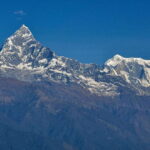
Five days, and the Himalayas feel close. Mardi Himal Base Camp is a shorter trek in the Annapurna region with spectacular peaks and a real sense of calm. It’s also less crowded than the famous Annapurna Base Camp route, so you get more quiet walking and more time to actually look around.
What I like most is the mix of forest silence and viewpoint payoff without needing extra weeks. You start from Pokhara, head up through tea-house country, and the route builds toward High Camp and finally sunrise at Mardi Himal Base Camp.
One thing to consider: the schedule depends on weather and visibility. You’ll also deal with early starts and a long walking day on the way back—plus trekking gear and porter services are not included.
In This Review
- Key Highlights Worth Paying Attention To
- Mardi Himal in 5 Days: Why This Trek Makes Sense
- Getting Oriented in Pokhara: Lakeside Start, Early Momentum
- Day 1: Pokhara to Forest Camp (Expect Your First Real Climb)
- Day 2: Jungle Walking to Badal Dhanda (Silence and Small Surprises)
- Day 3: Trek to High Camp (360° Views Start Taking Over)
- Day 4: Sunrise at Mardi Himal Base Camp (The Early-Start Test)
- Day 5: Back to Pokhara via Sidhing (Long Walk, Then Relief)
- Price and What You Get for $480 (Value That Matters)
- Guide Matters: Madhav/Madu, Pacing, and Culture Along the Way
- What to Pack (Since Trekking Gear Isn’t Included)
- Who This Trek Suits Best—and Who Might Want Something Else
- Should You Book the Mardi Himal Base Camp Trek?
- FAQ
- How long is the Mardi Himal Base Camp Trek?
- Where does the trek start?
- What are the main trekking stops?
- How much walking is there each day?
- What’s included in the price?
- What isn’t included?
- Is this a private tour?
- What fitness level do I need?
- What happens if the weather is poor?
- Can I cancel for free?
Key Highlights Worth Paying Attention To
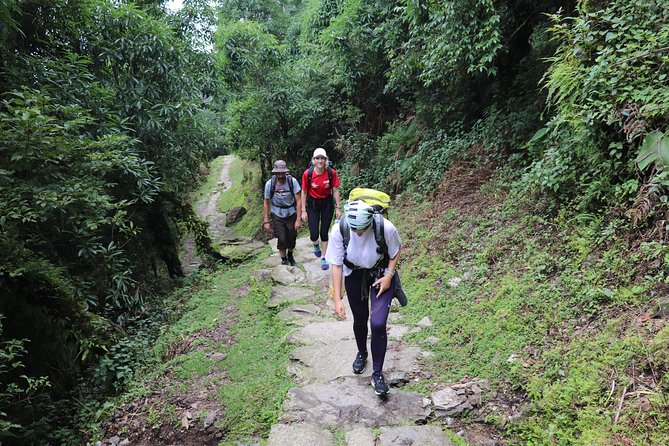
- Short trek, big views: High Camp sets you up for wide Himalayan perspectives before the sunrise push.
- Quieter trails: The Mardi Himal area tends to feel less busy than the more headline-grabbing base camps.
- Sunrise planning: You start around 4 to 4:30 AM to aim for views from Mardi Himal Base Camp.
- Tea-house nights: You sleep at local tea houses along the way, with food and accommodation included.
- Private group feel: It’s a private tour/activity, so your pace and priorities matter.
- Guide support that helps you move smarter: Reviews specifically call out guides like Madhav/Madu adjusting pacing and explaining culture and nature.
Mardi Himal in 5 Days: Why This Trek Makes Sense
Mardi Himal Base Camp is the kind of trek that works when you want mountain drama but don’t have a whole month. It’s short enough to fit a tight Nepal itinerary, yet the route still climbs into proper Annapurna Conservation Area territory where the scenery changes fast.
The biggest practical win is how the trek builds. Day 1 gets you moving out of Pokhara and into tea-house trekking life. Day 2 and Day 3 lift you through quieter jungle and then toward High Camp. Day 4 is the star moment: a predawn start aimed at sunrise, with a backup option to a viewpoint if base camp timing doesn’t line up.
And because it’s generally less packed than Annapurna Base Camp, you’re more likely to enjoy the trail as a trail—less queueing, more breathing room, more moments where the mountains are just… there.
You can also read our reviews of more hiking tours in Pokhara
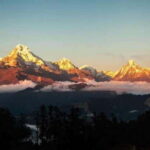
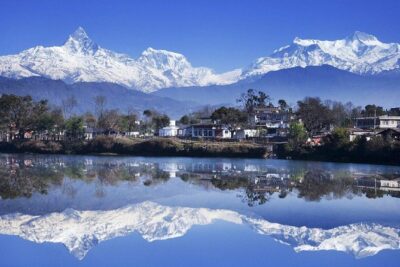
Getting Oriented in Pokhara: Lakeside Start, Early Momentum
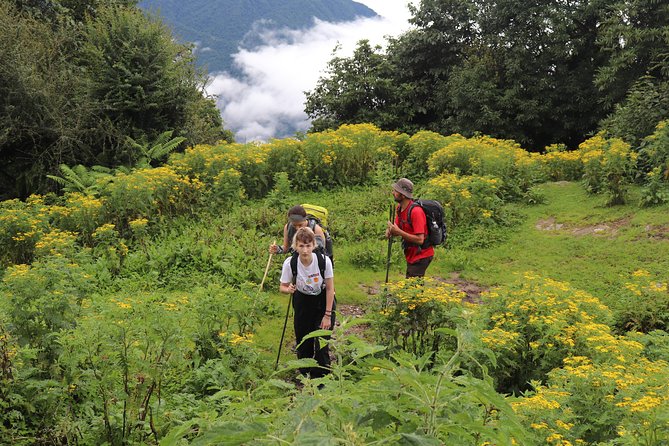
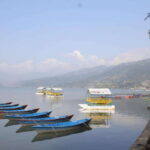
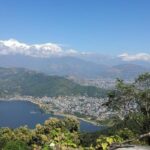
Your trek kicks off from Pokhara Lakeside early in the day. The plan is to ride from Pokhara toward the trek start area (Khande) and then begin hiking into the Annapurna region. The first day is listed as about 6 hours on the trail, with a stop at Forest Camp for your tea-house night.
Why this matters: starting early tends to protect your energy. In the Himalayas, afternoon weather changes fast, and starting morning helps you keep the day from turning into a slog.
A small detail that’s useful: pickup is offered, and the meeting point window runs from 7:45 AM to 4:15 PM, which helps if you’re juggling other plans in Pokhara. Also, the experience uses a mobile ticket, so you’re not hunting for paper confirmations.
Day 1: Pokhara to Forest Camp (Expect Your First Real Climb)
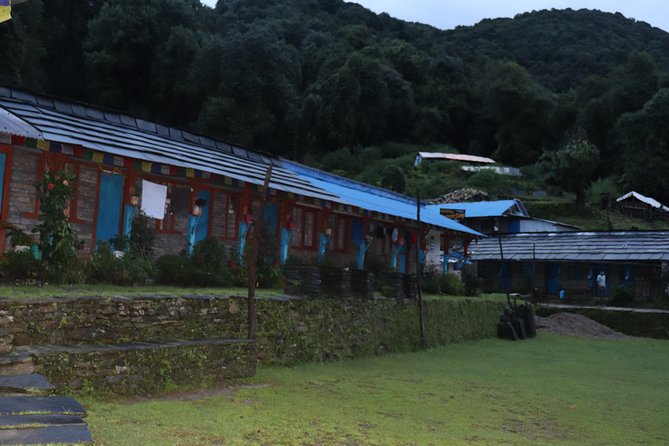
On Day 1, you leave early from Pokhara Lakeside and head to Khande, then begin trekking toward Forest Camp. You’ll spend about 6 hours walking. At the end of the day, you sleep at a local tea house at Forest Camp.
What you’ll likely feel on Day 1:
- A first taste of trail rhythm: steady walking, slower uphill sections, breaks that feel earned.
- The shift from city noise to the quieter Annapurna trekking world.
Possible drawback: Day 1 is your longest “setup” day. If you’re not used to hiking (or if you arrive in Pokhara tired), pace yourself from the start. Don’t force speed just to finish strong—your goal is to arrive at tea-house night feeling ready for Day 2.
Day 2: Jungle Walking to Badal Dhanda (Silence and Small Surprises)
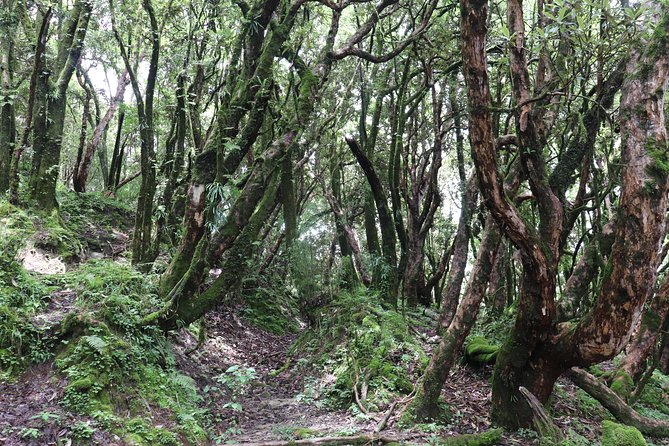
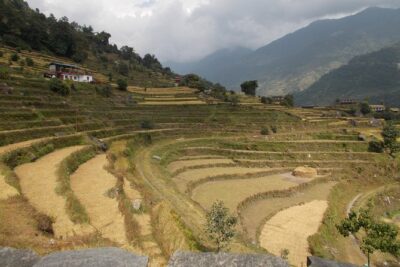
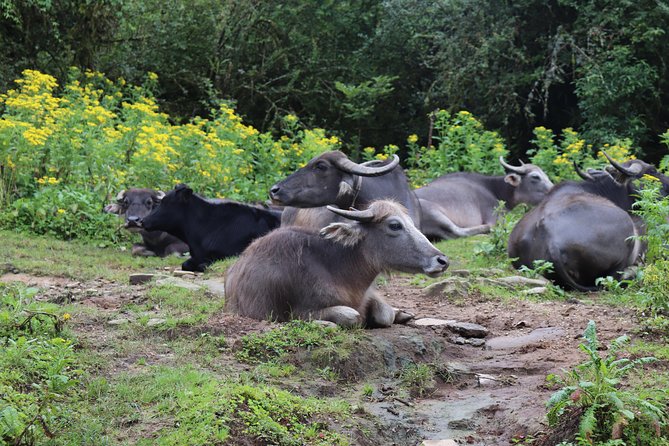
After breakfast, Day 2 focuses on trekking toward Badal Dhanda. The trail takes you through jungles in the Annapurna Conservation area, with trees, some wildlife, and a lot of quiet.
The best part here is the contrast. This isn’t just “walk until view.” You’re moving through a living corridor—shaded sections, bird-and-insect energy, and that rare kind of silence you only get when the trail isn’t crowded.
Timing-wise, Day 2 is also listed as about 6 hours. That’s a solid day, but it’s manageable if you keep a steady pace.
Things to consider:
- Wildlife sightings are never guaranteed, but the jungle setting makes it more likely you’ll notice movement.
- If you’re the type who gets cold easily, you might appreciate layers even on lower-elevation trekking. The air can change as you gain height.
Day 3: Trek to High Camp (360° Views Start Taking Over)
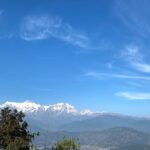
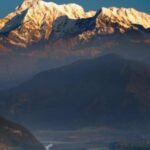
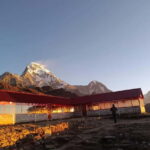
Day 3 hikes toward High Camp, with walking time listed around 4 to 5 hours. As you climb, you start getting 360-degree views across the Annapurna Conservation area and Himalayan mountains.
This is one of the key “value moments” of the trek. You don’t need an all-day march just to earn a spectacular viewpoint. Day 3 is shorter than Day 1 and Day 2, which means you arrive with energy for lingering, photos, and just sitting and letting the view sink in.
One practical caution: with views come weather swings. Even when the day starts clear, fog can creep in, and that can affect how sharp the peaks look. If the sky goes hazy, treat it as a reminder to keep your schedule flexible and don’t assume you’ll always see everything perfectly.
You can also read our reviews of more tours and experiences in Pokhara
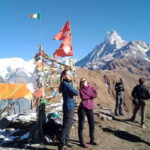
Day 4: Sunrise at Mardi Himal Base Camp (The Early-Start Test)
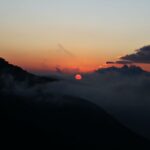
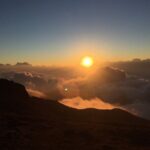
Day 4 begins very early—around 4:00 to 4:30 AM—aiming for sunrise at Mardi Himal Base Camp. If you can’t reach base camp before sunrise, the plan is to trek to a viewpoint for the best available views.
This is the day that defines the whole trip for many people. Sunrise in the Himalayas isn’t just pretty; it changes everything—contrast, mood, and the way the peaks look from near and far.
What to expect:
- Cold morning hiking. Even if the day before felt mild, expect a temperature drop.
- Less time spent talking and more time focusing on footing and breathing.
- A real payoff if skies cooperate.
The consideration: weather is the boss here. The trek explicitly requires good weather, and even when you’ve done everything right, fog or clouds can limit visibility. If sunrise isn’t perfect, the viewpoint backup helps, but you should still plan for the possibility of a “different” sunrise—less dramatic peaks, more soft light and mood.
Day 5: Back to Pokhara via Sidhing (Long Walk, Then Relief)
On the final day, you start trekking back to Pokhara. The route heads toward Sidhing, where you catch your ride back to Pokhara. Day 5 is listed at about 8 hours of trekking, so this is your endurance day.
This is also where you’ll feel altitude fatigue if you built the trip too aggressively earlier. The best approach is to keep your steps calm and predictable. Think steady rhythm, quick breaks, and no hero moves on slippery sections.
Why the long day is worth it:
- You get a full finish instead of a rushed exit.
- Tea-house life ends cleanly, and you return to Pokhara with time to recover.
Price and What You Get for $480 (Value That Matters)
The price is $480 per person for a 5-day trek (approx.). On paper, that can look like “just a trekking price,” but the inclusions are where the value shows.
Included:
- Private transportation
- Permits, specifically TIMS and the Annapurna Conservation Area Project (ACAP)
- Food and accommodation on the trek (breakfast, lunch, dinner across the days listed)
- All fees and taxes
Not included:
- Trekking equipment
- Porter services
- Personal expenses
Here’s how I’d judge value for this trek: the cost covers the “moving parts” that often cause stress—permits, daily meals, and logistics from Pokhara into the trekking zone. You’re not expected to bring everything to survive, but you are expected to bring your own hiking setup or rent locally if you need to.
If you don’t want to manage paperwork and meal planning, this price tends to feel fair. If you already have gear and can self-arrange permits and transport, your personal math might change—but for many people, time and stress are worth paying for.
Guide Matters: Madhav/Madu, Pacing, and Culture Along the Way
A strong guide can turn a standard hike into a meaningful one. In the trip feedback tied to this experience, guides like Madhav (often referred to as Madu/Madhu in messages) come up again and again for two things:
- They adjust pacing. People call out that the guide took the group’s pace into account rather than pushing everyone to match a single rhythm.
- They explain what you’re seeing. You’ll get more than directions—culture and nature context can make the same view feel new.
There’s also a practical logistics angle. One note describes a guide helping with planning pieces like flights and bus connections to Pokhara. Even if your trip is shorter than some others, that kind of coordination helps you show up ready, not scrambling.
A small, fun tip from the same theme: ask your guide what local foods might be worth trying at tea houses along the route. If they know the area, they can point you to choices that fit what you’re walking through—warm fuel after a cold start, simple meals when appetite is low, that kind of practical guidance.
What to Pack (Since Trekking Gear Isn’t Included)
Since trekking equipment isn’t included, you’ll want to think this through before you arrive in Nepal. The trek is short, but you’ll still want gear that handles changing temperatures—especially for the 4 AM sunrise morning.
At minimum, plan for:
- Day-to-day hiking comfort (boots or shoes you trust)
- Warm layers for early morning cold
- Rain protection, because weather can change fast at elevation
- A way to carry water and snacks on longer stretches
If you’re missing core items, you might find you can rent or buy some gear in Pokhara—but don’t assume everything will be available in the exact size/quality you want. Treat gear prep like part of the trek, not a last-minute chore.
Porters aren’t included either. That doesn’t mean you can’t hire help; it just means you shouldn’t count on it being part of your package.
Who This Trek Suits Best—and Who Might Want Something Else
This trek is a good match if:
- You have around 5 days and want a realistic base camp style experience
- You care about quiet trails and fewer crowds
- You like early starts when the view payoff is worth it
- You have moderate physical fitness and can hike multiple days with day lengths roughly in the 4–8 hour range
It might be less ideal if:
- You hate predawn wake-ups and cold mornings
- You need a very “relaxed” schedule with no weather-dependent surprises
- You’re trying to do the trek without any hiking gear and without any plan for carrying a day pack
Should You Book the Mardi Himal Base Camp Trek?
If you want a short, scenic trek that stays in the Annapurna Conservation Area without the heavy crowds of the biggest base camps, I think this one is a strong choice. The package is built for comfort where it counts—permits, meals, and tea-house accommodation—and the mountain payoff comes at exactly the right time: High Camp views and then a sunrise attempt from base camp.
Book it if your main goal is mountain time with manageable logistics, and you’re okay with the early-morning reality of trekking.
Skip it (or swap dates) if you’re traveling during a period where fog and cloud cover are a concern for you, or if the long Day 5 walk sounds like misery rather than motivation.
FAQ
How long is the Mardi Himal Base Camp Trek?
It’s listed as 5 days (approx.).
Where does the trek start?
It starts from Pokhara Lakeside, with transport to the trek start area (Khande).
What are the main trekking stops?
You’ll trek through areas including Forest Camp, Badal Dhanda, High Camp, and Mardi Himal Base Camp, then return toward Sidhing to get back to Pokhara.
How much walking is there each day?
Day walking times listed are about 6 hours on Day 1, 6 hours on Day 2, 4–5 hours on Day 3, 6 hours on Day 4, and 8 hours on Day 5.
What’s included in the price?
Included are all fees and taxes, private transportation, TIMS and ACAP permits, and food and accommodation on the trek (breakfast, lunch, dinner as listed).
What isn’t included?
Not included are trekking equipment, porter services, and personal expenses.
Is this a private tour?
Yes. It’s described as a private tour/activity, so only your group participates.
What fitness level do I need?
Travelers should have moderate physical fitness.
What happens if the weather is poor?
The experience requires good weather. If it’s canceled due to poor weather, you’ll be offered a different date or a full refund.
Can I cancel for free?
Yes. There’s free cancellation up to 24 hours in advance for a full refund, based on local time cutoff rules.