REVIEW · POKHARA
From Pokhara: 5-Day Annapurna Basecamp Trek with Hot Springs
Book on GetYourGuide →Operated by Snow Peak Tours and Travels pvt. ltd. · Bookable on GetYourGuide
Five days to Annapurna Base Camp feels fast. This trek is interesting because you get Annapurna Base Camp at 4,130m plus a real cultural trail through Gurung, Magar, and Tibetan communities, starting right from Pokhara.
I love the way the route mixes big mountain views with everyday village life, and you get guided context along the way. The hot springs at Jhinu Danda make the ending feel like a reward, not an afterthought.
One thing to consider: the trek can feel tough when cold hits and the altitude rises quickly, especially with long walking days and steep sections early on.
In This Review
- Key things I’d mark on your map before you go
- The Pokhara start that makes the trek feel manageable
- Chomrong/Sinuwa to Deurali: forest climbs and your first altitude wake-up call
- Deurali to Annapurna Base Camp: the day that tests you at 4,130m
- ABC to Bamboo: downhill walking, big views, and an easier rhythm
- Jhinu Danda hot springs: the kind of ending that helps you sleep
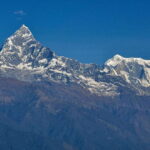
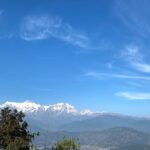
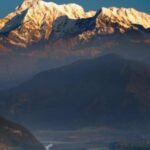
- The peaks you’ll actually remember: Machhapuchhre, Hiunchuli, and Annapurna’s giants
- Price and value: $155 is not about luxury, it’s about structure
- Guides make or break ABC, and here the names matter
- What you’ll carry: a cold, changeable day-to-day
- Who this trek fits best (and who should reconsider)
- Should you book this 5-day Annapurna Base Camp trek with hot springs?
- FAQ
- How many days is the Annapurna Base Camp trek?
- What is the highest altitude you reach?
- Is accommodation included during the trek?
- Are meals included?
- Are hot springs included?
- Do you provide pickup from Pokhara?
- Do I need travel insurance?
- Can I cancel and get a refund?
Key things I’d mark on your map before you go
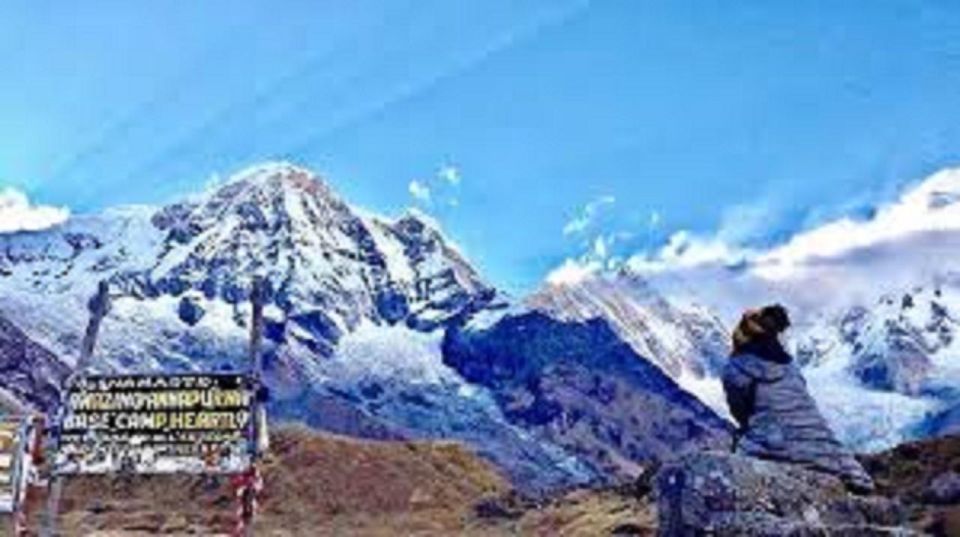
- Annapurna Base Camp at 4,130m with classic views of Annapurna South, Annapurna I, Hiunchuli, and Machhapuchhre (Fishtail)
- Tea house trekking for 5 days with basic lodges and meals included depending on your option
- Cultural trail through Gurung, Magar, and Tibetan-influenced villages and terraced farmland
- Rhododendron and forest walking as you climb, then a downhill rhythm on the return
- Jhinu Danda hot springs as the physical reset after trekking
- A supportive, English-speaking registered guide (people repeatedly name Anil, Santosh, Uttam, Bishnu, and others)
The Pokhara start that makes the trek feel manageable
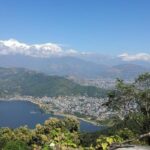
Pokhara is a cheat code for trekkers. You’re not starting from Kathmandu stress. You’re starting with easy access to the trail and a quick setup time. This 5-day Annapurna Base Camp experience runs as a guided package that includes transport from your pickup location in Pokhara (many options, from Lakeside to Sarangkot to the airport area) to the trail’s starting point.
The first big lesson here is pacing. Day 1 combines a scenic drive (roughly a few hours) with walking to the Chomrong/Sinuwa area. That means your body wakes up gradually. You’ll still feel it, though. Expect some steep descents and a reminder that the trek is already underway as early as Day 1.
Also, I like that the experience includes luggage storage in Pokhara. You don’t need to haul everything you own into the mountains. What you need becomes obvious: warm layers, rain gear, camera, and your trekking shoes.
You can also read our reviews of more hiking tours in Pokhara
Chomrong/Sinuwa to Deurali: forest climbs and your first altitude wake-up call
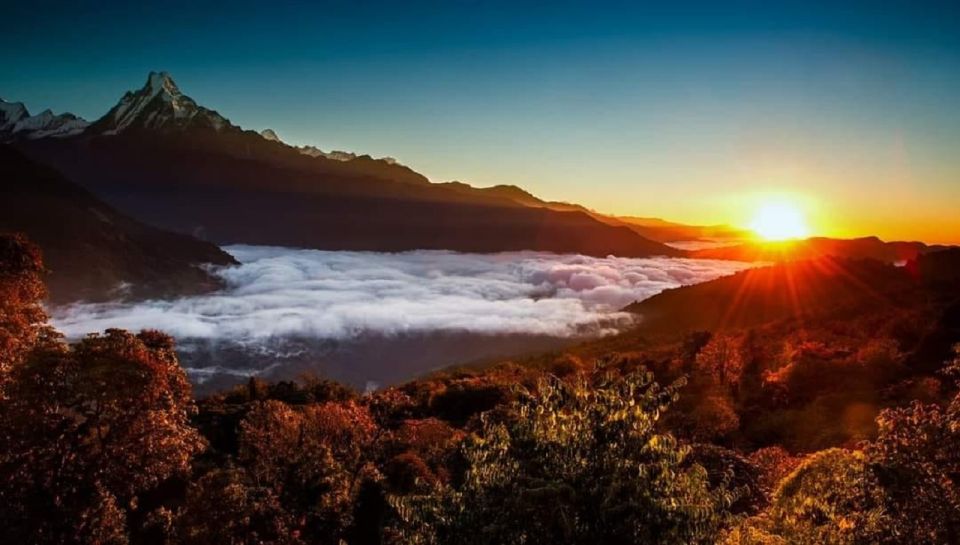
Day 2 is where the walk starts to feel like real trekking. You move from the Chomrong/Sinuwa side up toward Himalaya/Deurali through dense forest trails. You’ll pass through rhododendron, oak, and bamboo areas, which is exactly what makes this route so much more interesting than a single boring hillside.
This is also your first taste of altitude work. Deurali sits high enough that even fit hikers have to slow down. The itinerary calls for about 6–7 hours of trekking, and the terrain includes steep ascents and descents. That mix matters. Uphill taxes your lungs. Downhill taxes your knees. On a 5-day schedule, you’ll want to keep both in mind from the start.
What I like here is the balance of nature and culture. The route isn’t only trees and rock. It also threads through traditional Nepali village settings and terraced fields. That’s where you feel the Annapurna area as a living place, not just a backdrop.
One practical note: this part of the trek can be cold at higher points. Even if the mornings feel fine, plan for temperature swings. Bring layers you can add/remove quickly.
Deurali to Annapurna Base Camp: the day that tests you at 4,130m
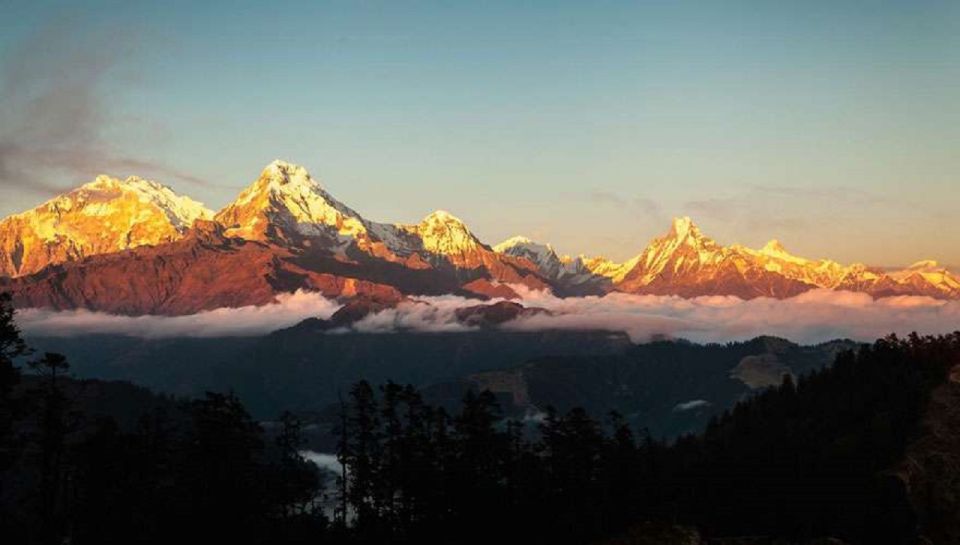
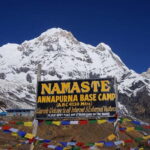
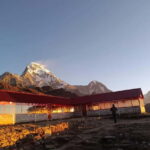
Day 3 is the headline. You trek from the Deurali area to Annapurna Base Camp (ABC) at 4,130m / 13,550 feet. The walking time is about 5–6 hours, but don’t let that number fool you. At this altitude, your legs might feel ready while your breathing feels like it’s negotiating.
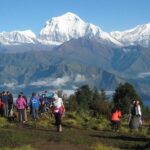
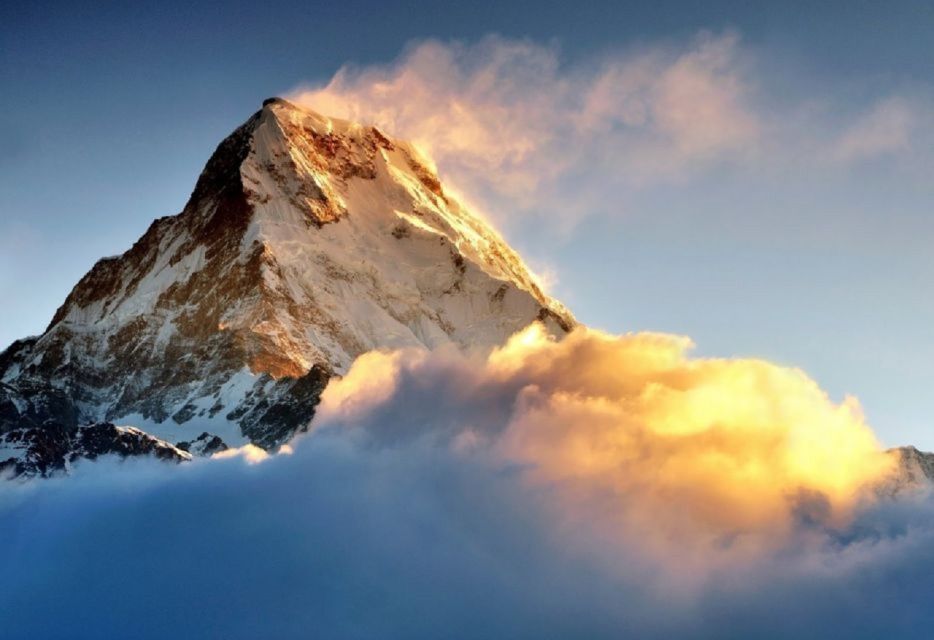
On the route, you pass highlights that are easy to remember even if the trail itself blurs together: Machhapuchhre Base Camp and the classic views of the Annapurna massif. This is where Machhapuchhre (Fishtail) and Hiunchuli make their presence felt, along with Annapurna South and Annapurna I. If you came for the mountains, this is your payoff day.
What makes this experience especially valuable is the guide support. Several guides are singled out for being patient during colder parts and for encouraging a steady pace. Names that show up repeatedly include Anil and Santosh/Santos, and many hikers also talk about Uttam and Sun Bahadur for keeping first-timers calm and moving at a pace that feels safe. In practical terms, it means you’ll spend less time guessing and more time walking smart.
Still, there’s a consideration: ABC is at 4,130m. Even if you’re experienced, it can feel demanding. If you’re a beginner, you’ll want to treat this day like a slow-and-steady performance, not a race. Take breaks before you feel slammed.
ABC to Bamboo: downhill walking, big views, and an easier rhythm
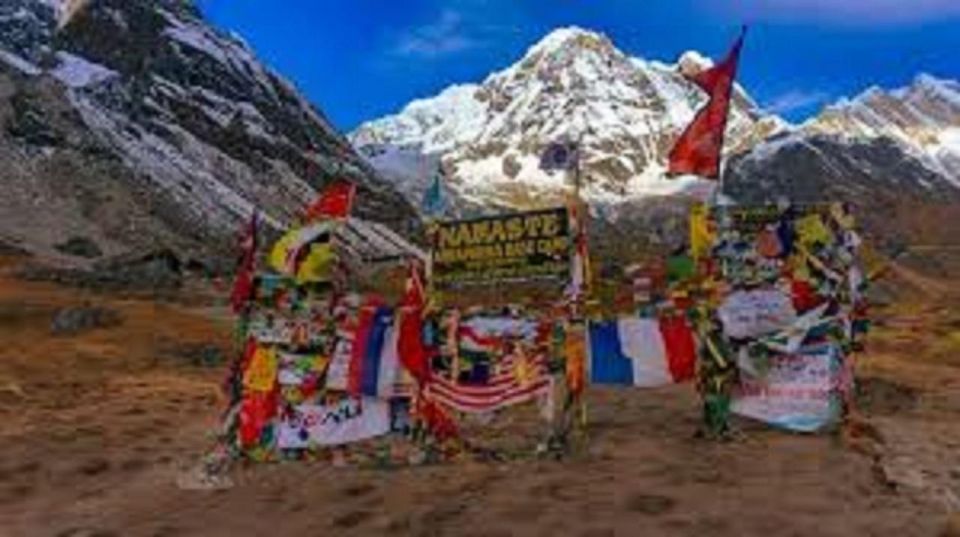
Day 4 shifts the tone. You trek from Annapurna Base Camp down to Bamboo (about 2,340m). The itinerary notes mostly downhill walking, with some steep sections. That sounds easy on paper. It’s not always easy on your body, though. Downhill can be tougher than it feels because it overloads the quads and stresses the ankles.
This is also a good day for mental decompressing. You’ve done the big altitude day. Now you’re returning through the same general areas you used to get there. That “repeat route” effect has a benefit: you get better at reading the terrain and spotting the landmarks. The route feels more familiar, even when the weather changes.
Bamboo is where the trek starts to feel more like a steady rhythm again: walk, stop, eat, rest. You’ll stay overnight at tea houses or lodges (basic but functional, included in the trek support plan). The included meals depend on your chosen option, but you should plan to eat regularly. Higher altitudes burn energy fast, and regular fuel helps you keep your mood and stamina stable.
Jhinu Danda hot springs: the kind of ending that helps you sleep
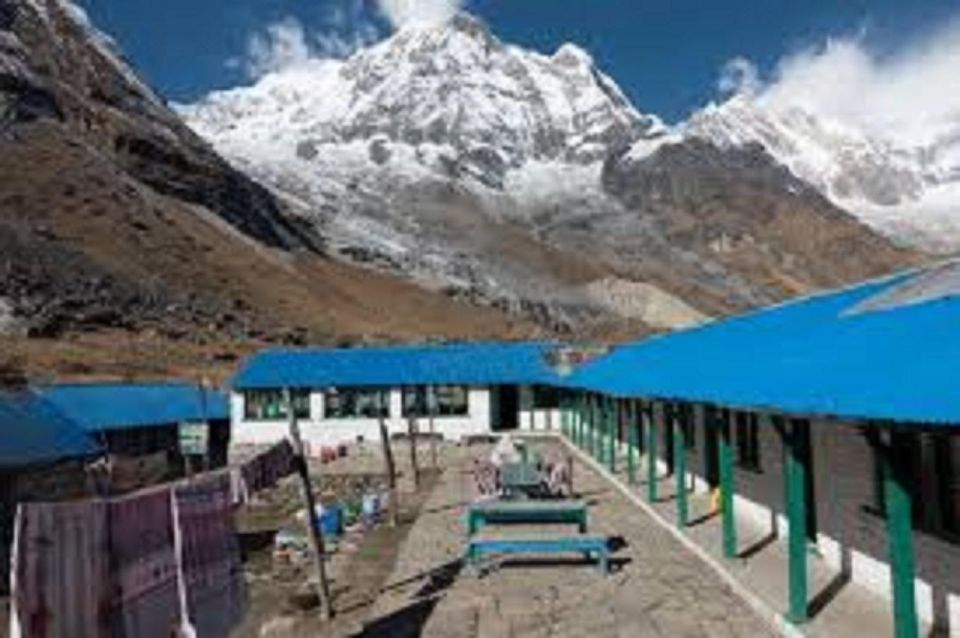
Day 5 brings two parts: trekking back toward Jhinu Danda/Hot Springs, then driving to Pokhara. The trek segment is about 5–6 hours, and you’ll drop from Bamboo down to around 1,780m before you soak and then head back.
Jhinu Danda is famous because it turns “painful walking” into “I can’t believe my legs work again.” Hot springs entry is included, so you’re not calculating extra costs mid-trek. The point isn’t luxury. The point is recovery. If you’ve been smart about pacing, your body will be ready for the cooldown.
Then comes the drive back to Pokhara (about 2–3 hours). This timing matters. You’re not spending the whole day on a bus. You still get a proper finish that feels connected: last walk, then relief, then a shower and real meal in Pokhara.
You can also read our reviews of more tours and experiences in Pokhara
The peaks you’ll actually remember: Machhapuchhre, Hiunchuli, and Annapurna’s giants
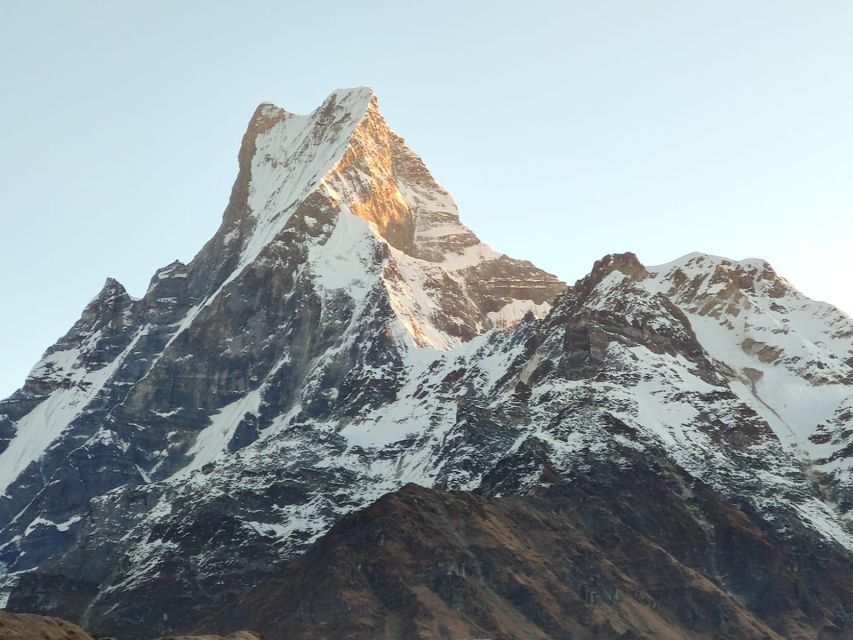
A big reason people choose this trek is the cast of mountains. You’re not just chasing one skyline view.
You’ll see:
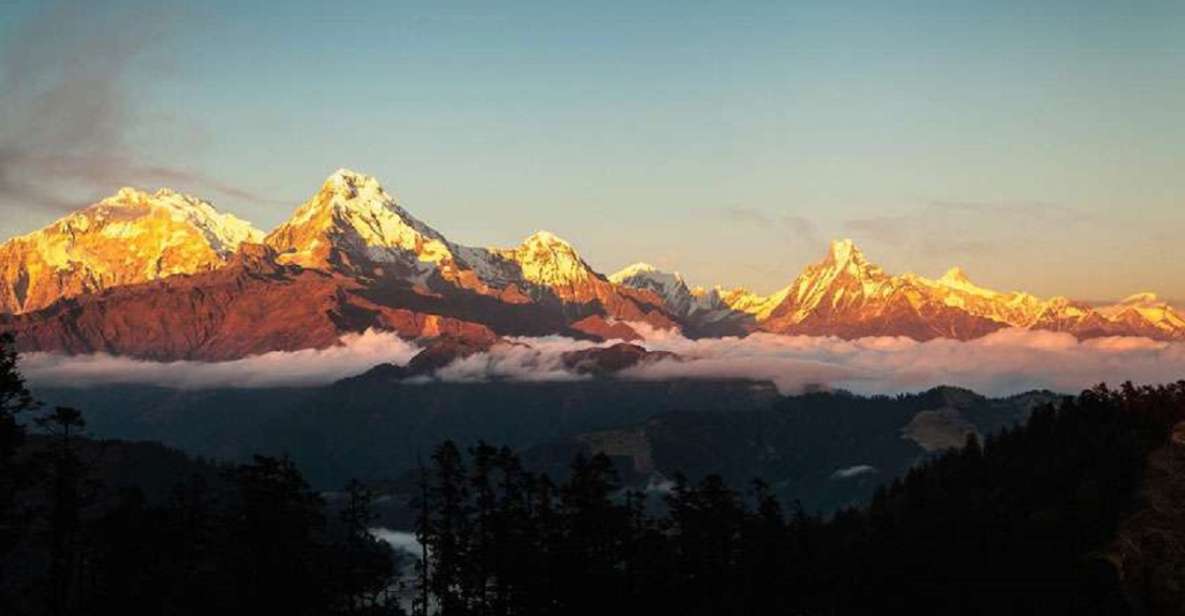
- Machhapuchhre (Fishtail), often described as one of the region’s most recognizable peaks
- Hiunchuli, which shows up in the ABC day views
- Annapurna South and Annapurna I, the anchors of the massif look
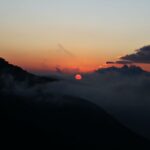
Here’s why that matters for your experience: the scenery changes depending on the angle and the light. Guides often add value by explaining what you’re looking at and how the terrain relates to local life, and many hikers specifically note that guides shared details about the region, hills, and even plants/landscape features along the way.
So even if the “big view moment” lasts a few minutes, the meaning sticks longer when someone helps you interpret it.
Price and value: $155 is not about luxury, it’s about structure
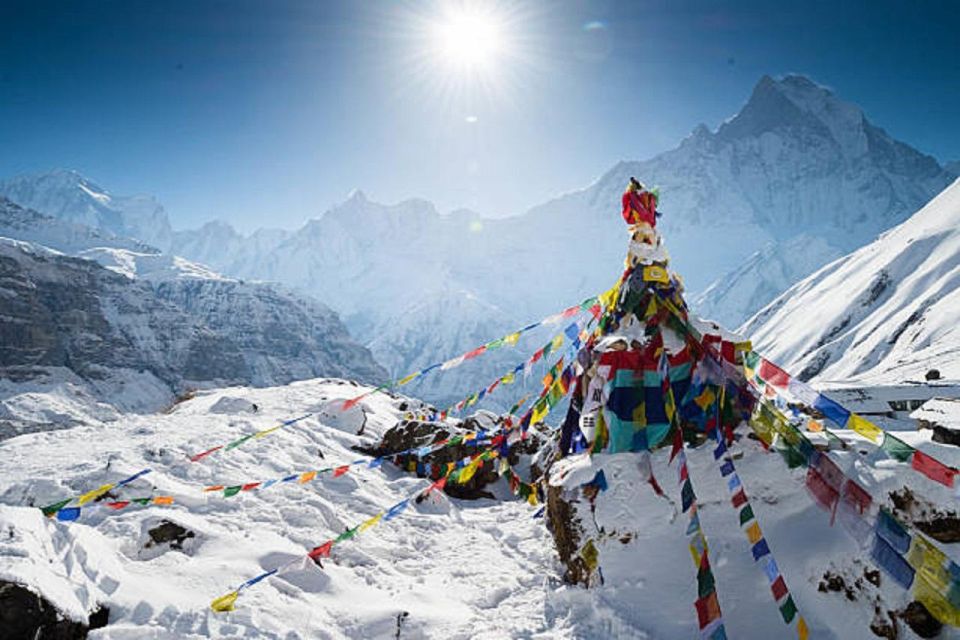
At $155 per person for a 5-day Annapurna Base Camp trek with hot springs, this price point is really about what it simplifies for you.
What’s included that normally costs extra when you book piecemeal:
- ACAP permit (Annapurna Conservation Area Project)
- Transport between Pokhara and the trek starting point, plus return
- Guide support (English-speaking government-registered trekking guide) and assistance with food, accommodation, insurance, and equipment logistics
- Meals throughout the trek depending on the option you pick
- Basic tea house/lodge accommodation
- Hot springs entry fee
- A first aid kit, plus trekking poles/gear support if you need it (as listed)
What’s not included, and you should plan for:
- Travel insurance (mandatory)
- Personal snacks and drinks
- Emergency rescue services
- A porter, if you decide you want one (listed as $20 per day)
The real value question is this: do you want a “built-in plan” with a guide handling the moving parts? If yes, this package fits. You’re paying for coordination, permits, and local guidance—not a high-end hotel stay.
If you’re the type who loves solo planning and doesn’t want any structure, you might find yourself wishing you had more control. But for most people who want the ABC experience without turning it into a logistics project, the structure is the point.
Guides make or break ABC, and here the names matter
In this trekking setup, the guide is not a formality. They’re the person shaping your day: pacing, reassurance, and decision-making when conditions shift.
The reviews highlight a strong pattern: guides like Anil and Santosh/Santos are praised for being supportive and motivating during colder stretches. Others are praised for patience with first-timers and for keeping everyone safe. Uttam is specifically praised for taking exceptional care and ensuring accommodation and food were satisfactory. Bishnu is described as friendly and understanding and for keeping people cheerful. Sun Bahadur gets credit for positivity and for helping trekkers learn more about food and local life.
One more practical benefit: weather can force schedule adjustments. One team reportedly changed the itinerary due to weather issues and adapted successfully. In the mountains, that flexibility matters more than a perfect timetable.
So if you book, ask how guide matching works in your group, and take comfort in the fact that supportive, careful guidance is a recurring theme.
What you’ll carry: a cold, changeable day-to-day
The packing list is practical, and you should follow it.
Bring:
- Comfortable shoes and hiking shoes
- Warm layers (the higher you go, the colder it gets)
- Hat and hair tie
- Rain gear
- Change of clothes
- Camera
- Trekking gear basics like hiking pants and a comfortable outfit for movement
- Cash (small purchases happen)
Also, submit a copy of your passport at least one day before the trek. This is tied to arranging the necessary permits. Don’t leave that to the last minute.
If you’re tempted to pack too light because the days feel short, remember this: ABC weather doesn’t care about your packing philosophy. You’ll want layers for both warm walking and cold pauses.
Who this trek fits best (and who should reconsider)
This 5-day Annapurna Base Camp plan is a good fit if:
- You want the ABC experience without taking a long expedition
- You can walk 4–7 hours per day and handle steep sections
- You like a mix of forests, villages, and major mountain views
- You want hot springs as recovery after the main altitude day
You might reconsider if:
- You’re not comfortable with altitude at 4,130m
- Cold weather is a major issue for you and you can’t pack layers you’ll actually use
- You need fully flat terrain and gentle grades (this route has ascents and descents)
A smart move if you’re new: tell your guide you’re a beginner. The guides in this program are repeatedly praised for patience and not rushing people.
Should you book this 5-day Annapurna Base Camp trek with hot springs?
If you want a structured, guided ABC trek that includes the key “wow” parts—Annapurna Base Camp views and Jhinu Danda hot springs—this is a solid choice. The guide support, included permits, and organization are the big value drivers at this price level.
I’d book it if you’re ready for real trekking (steep sections, long walking days, and cold at altitude) and you want your time in the mountains to feel smooth and safe. I wouldn’t book it if your idea of comfort is minimal effort or if you’re not prepared for the cold and altitude demands.
If you do book: pack for temperature swings, move slow at altitude, and lean on your guide’s pacing—this trek rewards smart hiking more than fast hiking.
FAQ
How many days is the Annapurna Base Camp trek?
This experience is listed as 5 days.
What is the highest altitude you reach?
The itinerary lists Annapurna Base Camp at 4,130m (13,550 feet).
Is accommodation included during the trek?
Yes. You get accommodation in basic tea houses or lodges during the trek.
Are meals included?
Meals are included throughout the trek, but the exact meals depend on the option you select.
Are hot springs included?
Yes. Hot springs entry fee is included, and Jhinu Danda/Hot Springs is part of the final trek day before you return to Pokhara.
Do you provide pickup from Pokhara?
Yes. Pickup is included from Pokhara Lakeside area, Sarangkot area, and Pokhara International Airport, with the pickup time confirmed after booking.
Do I need travel insurance?
Yes. Travel insurance is not included, but it is mandatory for your safety and peace of mind.
Can I cancel and get a refund?
You can cancel up to 24 hours in advance for a full refund.