REVIEW · POKHARA
Pokhara: 7-Day Annapurna Base Camp Trek & Natural Hot Spring
Book on GetYourGuide →Operated by Snow Peak Tours and Travels pvt. ltd. · Bookable on GetYourGuide
Annapurna Base Camp feels close on this trek. You get classic mountain-village trekking through Gurung settlements and rhododendron forests, then walk into the Annapurna Sanctuary where giant peaks frame your days. I like that the plan balances effort with payoff, from cozy tea-house stays to a real sense of arriving somewhere special at 4,130 m.
One thing to plan for: this is not a stroll. The route climbs to high altitude, so if you’re not used to hiking or you’re prone to feeling winded, you’ll want to take the pace seriously and ask your guide for smart acclimatization.
In This Review
- Key highlights you’ll feel within days
- Pokhara to Ghandruk: why the start matters
- Ghandruk to Chomrong: stair climbing with big Machhapuchhre energy
- Chomrong to Himalaya: bamboo, rhododendron, and the altitude shift
- Himalaya to Annapurna Base Camp: walking into the amphitheater at 4,130 m
- Back down to Bamboo: easier miles, intense backward views
- Bamboo to Jhinu Danda: the natural hot spring payoff
- Jhinu Danda to Nayapool and back to Pokhara: ending without rushing
- Price and value: what $181 per person covers (and what it doesn’t)
- Guides, pacing, and the human side of Annapurna
- What to bring: your comfort kit for 7 days in the mountains
- Who this trek suits best (and who should be cautious)
- Should you book this Annapurna Base Camp trek?
- FAQ
- What is the highest altitude on this trek?
- How long is the trek each day?
- Are permits and TIMS fees included?
- Are meals included?
- Do I need travel insurance?
- Is a guide provided, and what languages do they speak?
- What about luggage—do I have to carry everything?
- What is included for trekking gear?
- Is pickup and drop-off included in Pokhara?
Key highlights you’ll feel within days
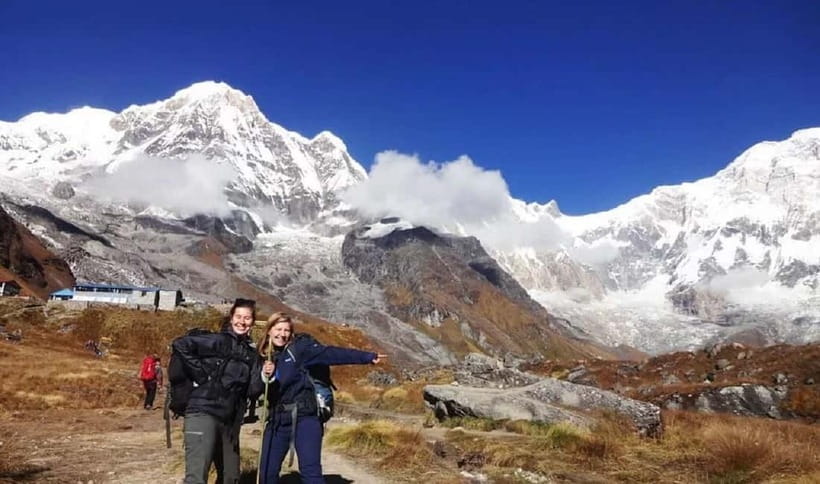
- Giant-peak walking at 4,130 m: you reach Base Camp at the top of the effort.
- Tea-house comfort on a real route: simple lodges, warm meals, and easy everyday logistics.
- Cultural texture in every valley: Gurung villages, terraced fields, and mountain life.
- Rhododendron and bamboo trekking: changing forest scenes that break up the climb.
- Jhinu Danda hot springs: an earned soak after descending from altitude.
- A private, guided setup: an English/Hindi/Nepali guide for a calmer, managed experience.
Pokhara to Ghandruk: why the start matters
Your trip begins with transportation from Pokhara (either your hotel in the Lakeside area or the airport), then you’re out on the route toward Ghandruk. The first trekking day is about getting your legs moving after travel and easing into the rhythm: steady walking, small village scenery, and views that slowly widen as you gain height.
Ghandruk is a big reason this trek works so well. It’s a well-known Gurung village, and the atmosphere there is more than just scenery—it’s the sense that you’re moving through lived-in mountain Nepal, not walking through a theme park. Expect trails that pass through settlements and forest edges along the way, with the Modi Khola area doing its job by keeping the valley active and interesting.
This first day is also where I’d start your altitude mindset. Even though you’re not at the high numbers yet, you’ll feel the thin-air shift while climbing. If you keep your pace gentle today, your later days will feel less like a surprise.
You can also read our reviews of more hiking tours in Pokhara
Ghandruk to Chomrong: stair climbing with big Machhapuchhre energy
The middle of the trek starts to ask more from you on the way to Chomrong. Expect a mix of stone steps and forest trails. This is where hikers often realize Annapurna isn’t just about views—it’s also about footwork and consistency.
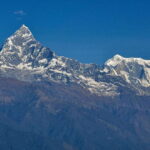
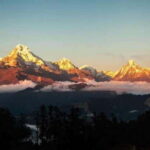
What makes this leg special is the way the views keep showing up. You’ll climb with wide sights toward the Annapurna region and Machhapuchhre, and the trail tends to reward you for steady effort. Chomrong itself sits at a higher overnight altitude than Ghandruk, so your body is already adjusting even if you feel okay.
Practical tip: use the steps as training, not as a race. Short steps and a steady breathing pattern help you keep energy for the climbing that comes next.
Chomrong to Himalaya: bamboo, rhododendron, and the altitude shift
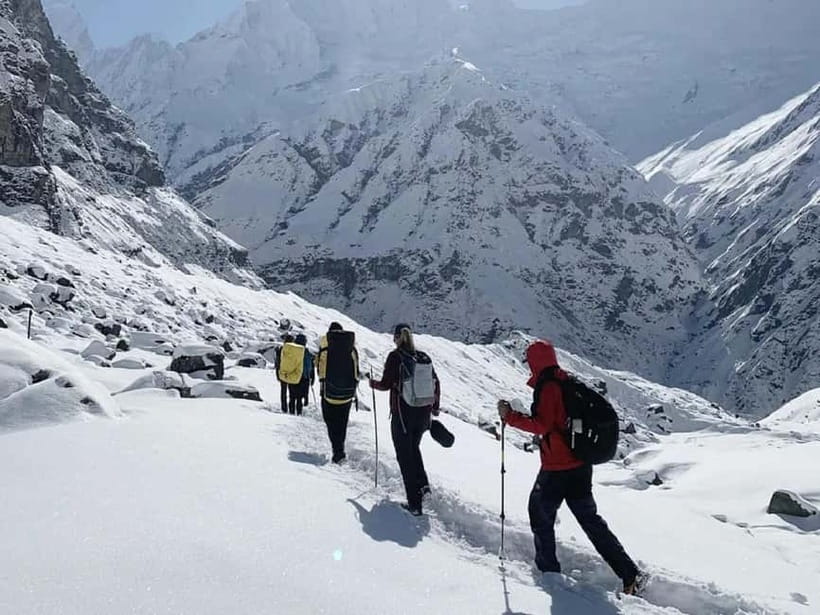
Now the trek starts to feel more alpine—less village life, more vegetation and the gradual tightening of the mountain air. You’ll descend to the river area and then climb again through bamboo and rhododendron forest. That mix is useful: bamboo gives you that cool, sheltered feel on the trail, while rhododendron sections can look dramatically different as you move upward.
The overnight stop around Himalaya (2,920 m) is a sign you’re approaching the higher zone. Nights at this altitude can feel sharper, even if the day felt manageable. Your guide will help you pace it, but you’ll want to keep your hydration steady and avoid the temptation to rush because you’re feeling good.
If you’re sensitive to altitude, this is the day to start taking your rest time seriously. Not long naps—just shorter pauses that keep your breathing under control.
Himalaya to Annapurna Base Camp: walking into the amphitheater at 4,130 m
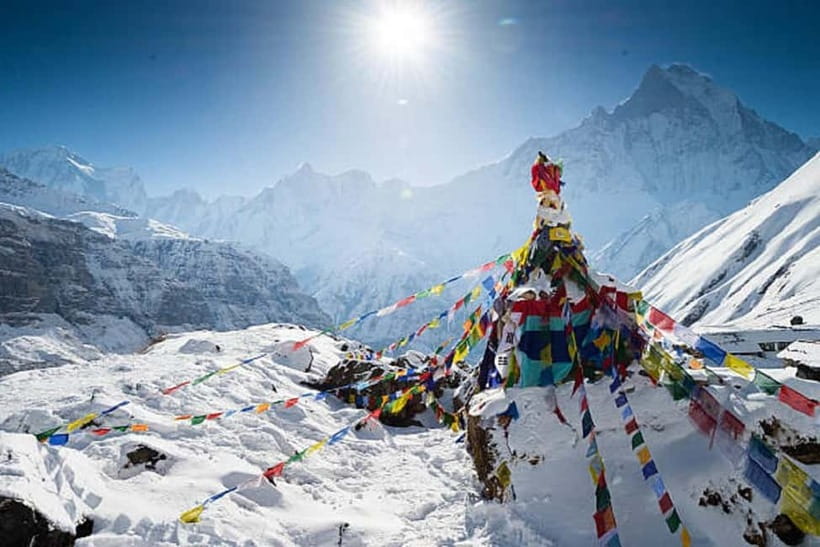
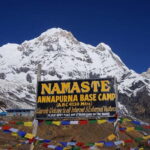
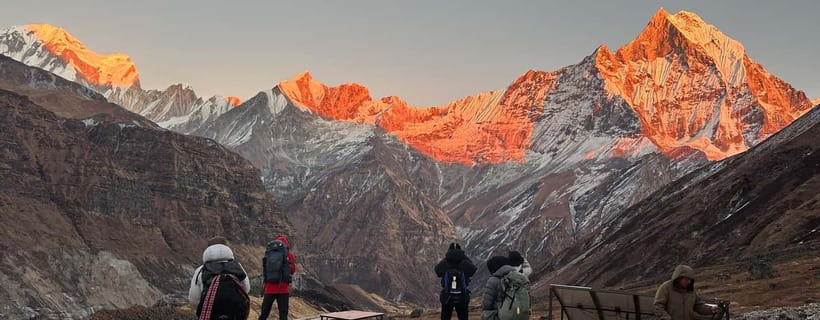
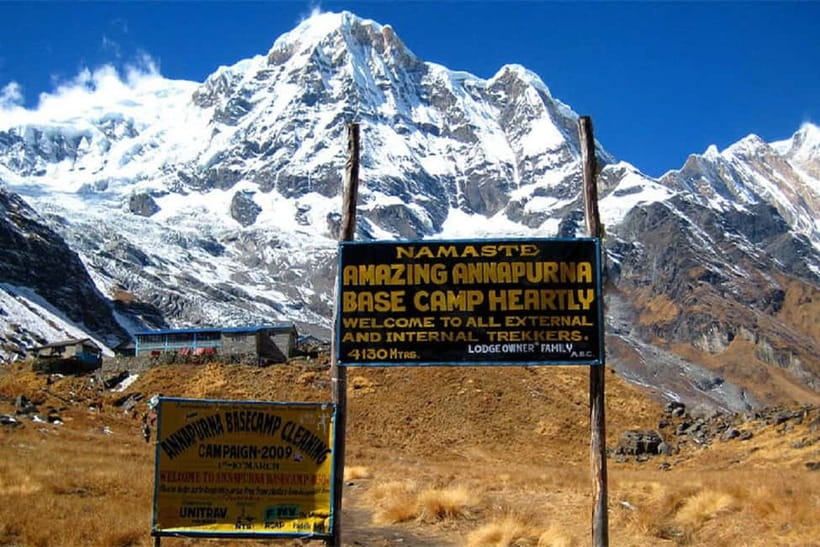
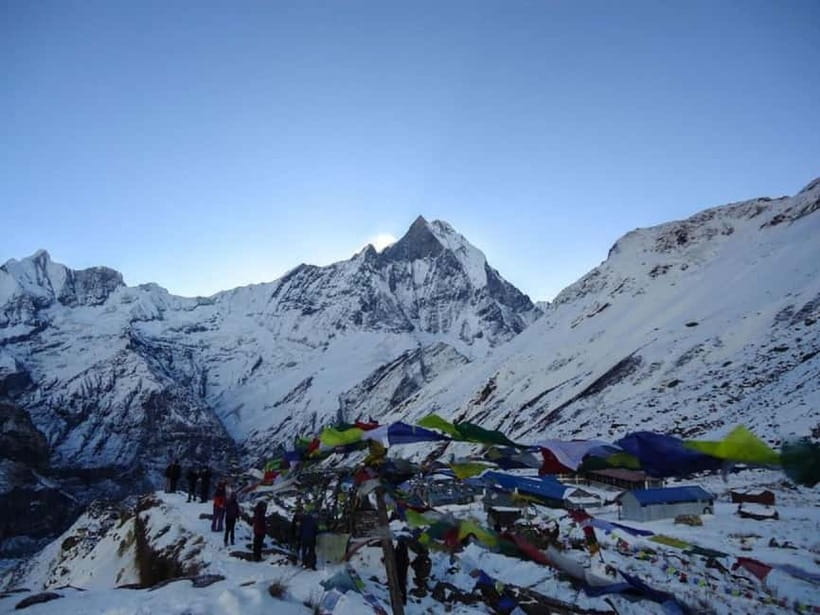
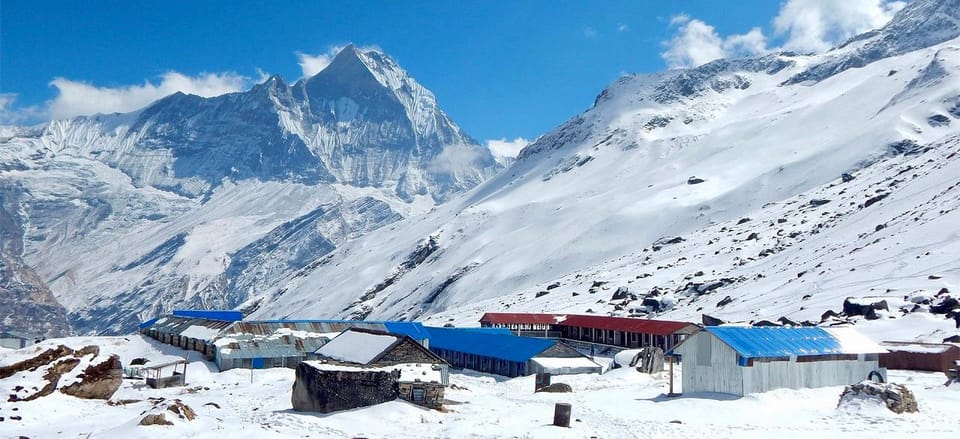
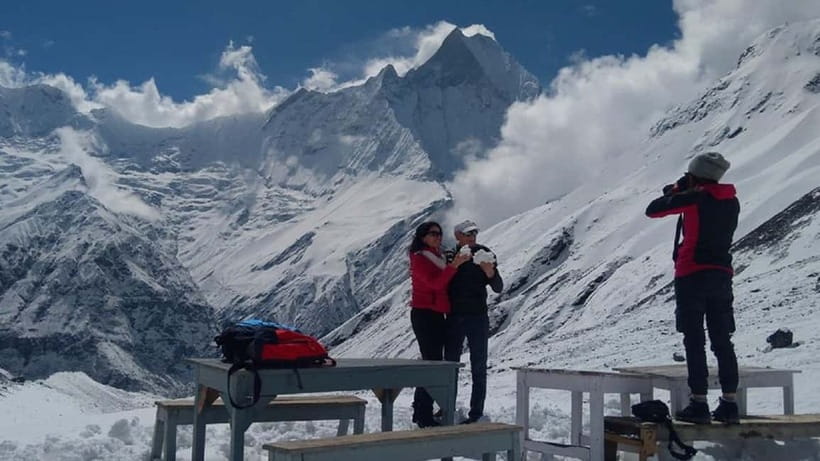
This is the day you’ll remember. You move from the higher trekking zone into the alpine zone and glacier valley, then reach Annapurna Base Camp at 4,130 m. The experience is often described as an amphitheater feel: towering peaks rise around you, and the space at base camp seems built for watching light change across the mountains.
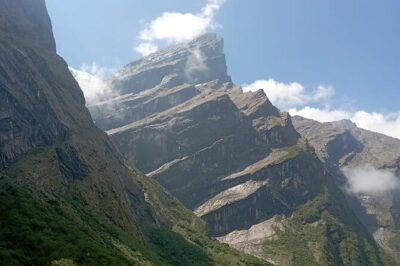
You’re aiming to walk inside the Annapurna Sanctuary, surrounded by towering giants such as Annapurna I and Machhapuchhre. Even when conditions are less than perfect, the overall feeling of being at the base of these walls is hard to beat.
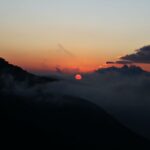
Expect a longer walking day (about 6–7 hours), but the bigger challenge is mental: arriving at a high point makes every rest pause feel earned. When people talk about sunrise and sunset here, it makes sense. Clear moments can turn the peaks into dramatic silhouettes, and you’ll see why the region is famous for light shows.
Practical note: at this altitude, plan to move slowly through transitions. The summit-style climbing feeling comes from how your body responds, not from steepness alone.
Back down to Bamboo: easier miles, intense backward views
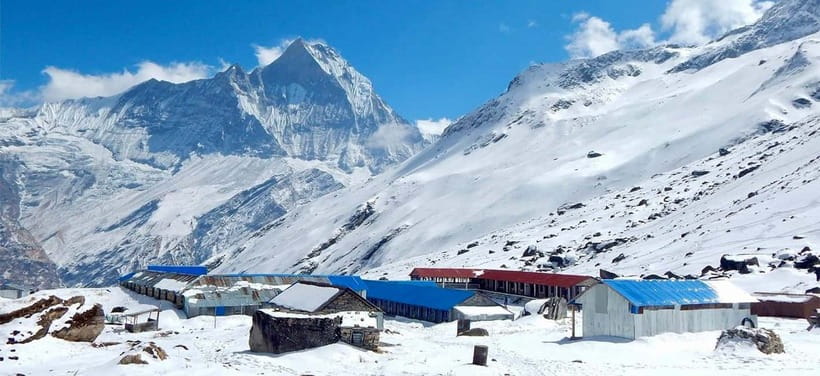
After base camp, the trek turns into a satisfying kind of effort: downhill and controlled walking. You’ll head toward Bamboo (overnight around 2,335 m). This is still not effortless hiking, but it’s usually easier than the ascent day, because you’re working with gravity rather than fighting it.
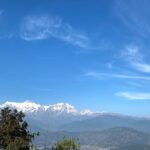
This is also where you’ll get one of the best photographic moments of the entire route: incredible backward views of the Annapurna range, plus waterfalls as you drop into lower valleys. Those views matter. They help you understand the terrain you just crossed and give you a last look at the peaks in a different angle than on the climb.
Take your time on the descent. Downhill is where many people overstep and then complain later with sore knees. Shorter strides help a lot.
You can also read our reviews of more tours and experiences in Pokhara
Bamboo to Jhinu Danda: the natural hot spring payoff
The trek to Jhinu Danda is both physical and emotional closure. You’ll walk down toward the riverside and then reward yourself with a soak in natural hot springs. This is the signature finish for this itinerary: after a week of hiking and altitude, you get warm water that makes your legs feel human again.
Jhinu Danda sits much lower than base camp, so the day’s descent isn’t just scenic—it’s functional. Your body gets relief, and the hot springs add that extra layer of comfort that makes this trek feel complete.
What to expect practically: plan for chilly air in the higher-to-lower transition even if the sun is out. Bring a towel and change of clothes, and give yourself a few minutes to warm up before you try to feel brave and take the plunge.
Jhinu Danda to Nayapool and back to Pokhara: ending without rushing
On your final day, you trek from Jhinu Danda to Nayapool (about 4–5 hours) and then drive back to Pokhara (around 1 hour). By this point, you’re tired in the good way—your body knows the route, and your mind is mostly busy replaying the week.
This final walk is a good check of your pacing choices from earlier days. If you kept things steady, you’ll move with less drama than you expect. If you pushed too hard on the climb, this is where your legs will remind you.
When you reach Nayapool, the short drive back feels like landing. You get to exchange trail pace for city pace, and you’ll likely appreciate how much calmer life feels after mountains.
Price and value: what $181 per person covers (and what it doesn’t)
At about $181 per person for the 7-day trek, the value comes from how the plan reduces uncertainty. You’re paying for a guided structure with practical essentials included—not a DIY kit.
Here’s what’s included in the value calculation:
- Round-trip transportation between your hotel (or airport) and the trek starting point
- Trekking permits and TIMS fees handled up front
- Tea-house/lodge accommodation along the route
- Meals throughout the trek, depending on the option you select
- A professional English-speaking guide (Nepal Government certified), plus guide insurance and operating costs
- Luggage storage in Pokhara, so you don’t haul everything uphill
- Trekking gear such as a trekking stick and sleeping bag as needed
- First aid kit, plus taxes and local fees
What’s not included (and you should budget for):
- Travel insurance (mandatory for your safety)
- Personal expenses like snacks and drinks
- Emergency rescue services (not included)
- A porter if needed, listed at $20 per day
One more small but meaningful point: this is a private group, which usually helps with comfort and pace control. You’re not stuck with a mismatch in speed between strangers.
For most hikers, the smart budgeting move is simple: buy travel insurance before you pay for anything else, then plan a little extra cash for personal comforts.
Guides, pacing, and the human side of Annapurna
The guide makes a real difference on this trek. You’ll see it in how they handle the basics—timing, food choices, altitude pacing, and reassurance when the trail feels long.
This operator is set up for an English/Hindi/Nepali experience, with guides praised for being attentive and safety-first. Names that come up often include Chaundra, Anil, Jeet Bhadur, Bishnu Giri, Chandra, Sun, and Laxman. If you’re booking and you have a preference, it can be worth asking who will be leading—because several guides on this route are remembered for the way they manage well-being and encourage steady progress.
In a high-altitude trek like this, pacing is everything. A “push hard” day can be tempting—especially when weather is clear and you feel strong. But the more you respect a slower rhythm, the more likely you’ll enjoy base camp instead of surviving it.
I also like that this setup supports staying flexible with your overnight progress. That matters when you’re tired but still within reach of an earlier or later lodge choice.
What to bring: your comfort kit for 7 days in the mountains
You’ll want to pack for changing conditions—sunny in the morning, cooler later, and colder as you climb. The basics listed for this trek include:
- Comfortable shoes and hiking shoes
- Warm clothing, jacket, gloves, and rain gear
- Sun hat, sunglasses, sunscreen
- Change of clothes
- Towel, camera, flashlight
- Sleeping bag (and/or trekking gear as needed)
- Hiking pants and a waterproof option
- Power bank and cash
- Passport (a copy is accepted, but you’ll also need to submit a copy one day prior for permits)
- Trekking stick and other trekking gear as provided/needed
My practical add-on: pack your essentials so you can grab them quickly—hat, water, and a warm layer—because the mountain weather can shift fast even when skies look calm.
Who this trek suits best (and who should be cautious)
This is a great fit if you want:
- A short, epic trek with a real high point at base camp
- Cultural stops in mountain villages, not just walking through forest
- The satisfaction of reaching 4,130 m, then returning with a relaxing finish
Be cautious if:
- You’re new to high-altitude hiking
- You don’t have a reasonable fitness base
- You’re prone to breathing issues or fatigue at elevation
The tour notes that the trek may be challenging for some participants, so take that seriously. If you’re unsure, talk to a clinician and build a few weeks of hiking practice before you go.
Should you book this Annapurna Base Camp trek?
I’d book this if you want a guided route that keeps logistics simple and puts the focus where it should be: walking through real mountain villages, reaching Annapurna Base Camp, and finishing with the Jhinu Danda hot spring soak.
Skip it (or upgrade your preparation) if high altitude is new to you and you can’t commit to a careful pace. This itinerary rewards consistency more than speed. If you treat it like a steady climbing rhythm, you’ll come back with the kind of mountain memory that lasts.
FAQ
What is the highest altitude on this trek?
The trek reaches Annapurna Base Camp at 4,130 m. Other overnight altitudes listed include 1,940 m (Ghandruk), 2,170 m (Chomrong), 2,920 m (Himalaya), 2,335 m (Bamboo), and 1,610 m (Jhinu Danda).
How long is the trek each day?
Daily walking times vary, with typical days around 4–7 hours. For example, Day 1 includes about 5–6 hours of trekking, and Day 4 (to Annapurna Base Camp) is about 6–7 hours.
Are permits and TIMS fees included?
Yes. The trek includes all required trekking permits and TIMS fees, along with necessary paperwork and local taxes.
Are meals included?
Meals are included depending on the option selected. The trek also includes accommodation in simple tea houses or lodges along the route.
Do I need travel insurance?
Yes. Travel insurance is mandatory for your safety and peace of mind, and it is not included in the package.
Is a guide provided, and what languages do they speak?
Yes. You get a professional, friendly guide who speaks English, Hindi, and Nepali. The guide is listed as Nepal Government certified.
What about luggage—do I have to carry everything?
You can use luggage storage facilities in Pokhara for safe storage during the trek. A porter is optional (20$ per day) if you need one.
What is included for trekking gear?
The package includes trekking gear as needed, such as a trekking stick and a sleeping bag.
Is pickup and drop-off included in Pokhara?
Pickup is optional. You can be picked up from Pokhara International Airport or a hotel in the Lakeside area, and you’ll also have drop-off locations listed in Pokhara.