REVIEW · POKHARA
Pokhara: 5-Day Trek to Annapurna Base Camp and Hot Springs
Book on GetYourGuide →Operated by Welcome Nepal Treks P.Ltd · Bookable on GetYourGuide
Five days and hot springs after big mountains.
This Pokhara to Annapurna Base Camp trek is interesting because it mixes classic Annapurna views with a real payoff at Jhinu Danda hot springs. I like that you get a route with enough variety to keep things moving each day, yet the pacing is handled by a guide who watches your safety and fitness. The main drawback to plan for is the effort: even when the trail feels manageable, altitude and long descents can be hard on your legs (and this trip is not suitable for pregnant women or people with heart problems).
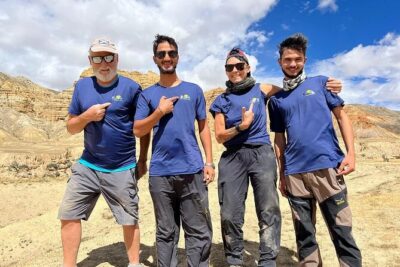
I also like that the guides here don’t treat it like a checklist. In past experiences, guides like Amir and Tanka have focused on staying attentive, adjusting the daily hike to the group’s level, and answering questions about nature and culture while keeping safety front and center. You get English support on the trail, plus private tourist-standard lodge nights so you’re not stuck in the most basic setup after a long day.
One more consideration: this is a lodge trek, not a hotel vacation. Expect simple rooms and limited comforts, and remember that hot/cold drinks, alcohol, and (in some pricing options) meals and porter services can be extra.
In This Review
- Key moments that make this trek worth it
- From lakeside Pokhara to Nayapul: the start is built for flow
- Modi Khola valley walking to Jhinu Danda and your first lodge night
- Chhomrong climb and forest trekking toward Deurali
- Deurali to Annapurna Base Camp: where the air gets thinner
- Machhapuchhare Base Camp and Ablation Valley: the glacier corridor feel
- The descent out: 1,600m drop pressure and knee reality
- Jhinu hot springs soak: the reward that makes the whole thing feel real
- Guides, permits, and lodge nights: what you’re really paying for
- What’s included in your $206 price, and what costs extra
- Who this trek fits (and who should skip it)
- Should you book this 5-day Annapurna Base Camp trek with Jhinu hot springs?
- FAQ
- How do I get from Pokhara to the start of the trek?
- What’s the highest altitude on this trek?
- Are permits included?
- Is the guide English-speaking?
- Are meals and a porter included in the price?
- What should I bring, and what’s not allowed?
Key moments that make this trek worth it
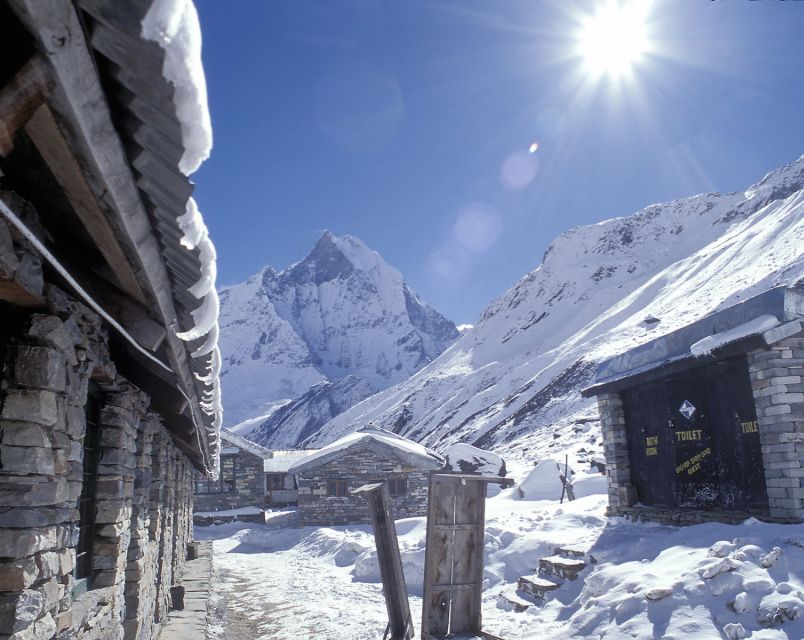
- Annapurna Base Camp at 4,120m: one night up high for those wide Himalayan moments
- Jhinu Danda hot springs: a well-earned soak after trekking down
- Classic route via Chhomrong and Deurali: villages, forests, and big view breaks
- Machhapuchhare Base Camp and Ablation Valley: dramatic glacier-adjacent terrain
- Lodge nights (tourist standard): private accommodation instead of camping
- Permits handled in advance: TIMS and conservation entry paperwork included
From lakeside Pokhara to Nayapul: the start is built for flow
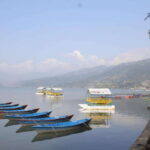
Your day begins with pickup from any hotel in Lakeside Pokhara (or from the airport) by car. Then you shift into jeep mode for the parts of the route where road access helps you save time. For this trek, the walk itself kicks off at the starting point near Nayapul, after the logistics are sorted.
That matters because it sets the tone: you’re not spending the first hours figuring out permits, directions, or where to meet your guide. You’ll get kitted out with the necessary trek items, and your permits are checked before you head onto the trail.
If you’re trying to pack smart, keep your documents ready. You’ll need a passport or ID card, and the trip is set up to handle the paperwork for conservation entry permits and TIMS (Trekkers’ Information Management System). I like that this reduces stress on the first day, when your brain is already juggling altitude, layers, and trail rhythm.
You can also read our reviews of more hiking tours in Pokhara
Modi Khola valley walking to Jhinu Danda and your first lodge night
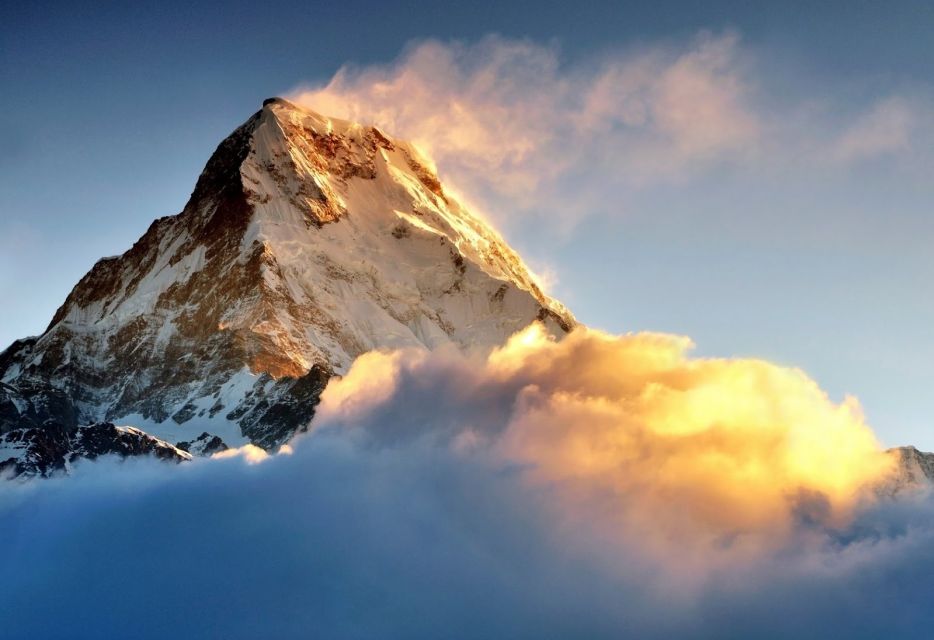
After the transfer, the trek follows the Modi Khola River area, passing through small villages along the way. There’s a steady sense of “moving through Nepal” here, not just “up to a view and back down.” You’ll cross the river to reach Jhinu Danda, where you’ll find your accommodation for the night in a tea lodge.
The altitude jump is real, but the early hiking hours give you a chance to settle into the day. Your first day includes jeep time plus several hours of trekking, with the route starting around the 2,200m range. That’s high enough that you’ll feel it, but it’s also a reasonable way to get your breathing and stride working together before the steeper climbs.
Practical tip: this is when your footwear matters. Bring comfortable shoes and also have proper hiking shoes on hand. And plan your daypack like a pro—sunglasses, sun hat, sunscreen, toiletries, and insect repellent are all listed as recommended essentials for a reason.
Chhomrong climb and forest trekking toward Deurali
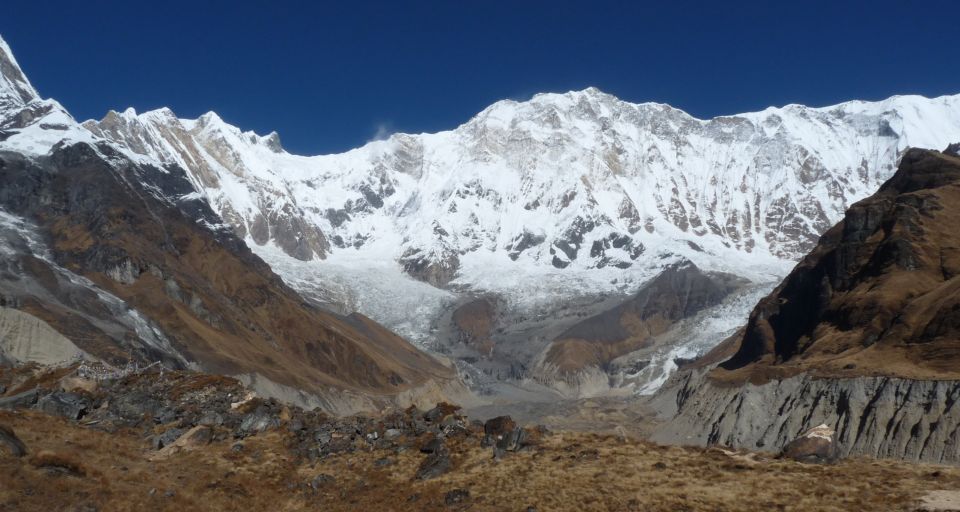
Day two turns up the workload. You’ll start with an uphill push to Chhomrong, one of the largest villages along the Annapurna route. Chhomrong is a key stop because it’s not just a waypoint—it’s the place where the trek starts to feel like a real mountain journey instead of a countryside walk.
From there, the trail goes through dense forest terrain on the way to your second-night accommodation. The forest section is useful because it can cool you down on hot mornings, but it also means you’re walking in shade and sometimes in changing light. Keep your pace steady and don’t try to “win” the altitude day.
By the time you reach Deurali around the 3,230m mark, you’re building toward Annapurna Base Camp with purpose. Past experiences with guides here are consistent: Amir and Tanka-style guiding comes through with a pace that matches your performance level, and a focus on safety every day—not just at the highest points.
Deurali to Annapurna Base Camp: where the air gets thinner
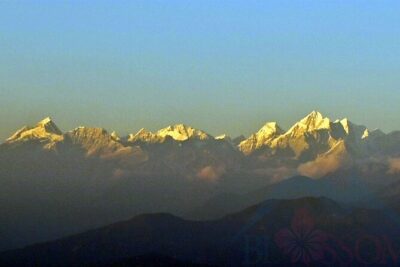
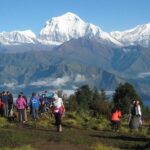
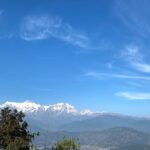
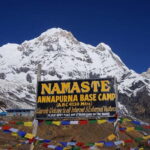
As you continue upward, you’re moving into the zone where the scenery hits harder. On this part of the trek, you’ll stop for lunch with the Himalayas as your backdrop, and you’ll keep climbing toward Annapurna Base Camp, which is listed at 4,120m.
This is where you need to treat the hike like a long conversation, not a sprint. The best approach is the one your guide supports: slow enough to keep control, steady enough to keep your legs working, and observant enough to notice if anyone is struggling. In the feedback from English-speaking guiding, attention to health and daily adjustment is a repeated theme, and it’s exactly what you want at this altitude.
What you’ll also notice: the cold arrives faster than you expect at elevation, and your comfort choices start paying off. You’ll want sunglasses and a sun hat for brightness, plus sunscreen. And since the trip includes change of clothes in the recommended packing list, you’ll be glad to have it after a long day of hiking and cold lodge evenings.
Machhapuchhare Base Camp and Ablation Valley: the glacier corridor feel
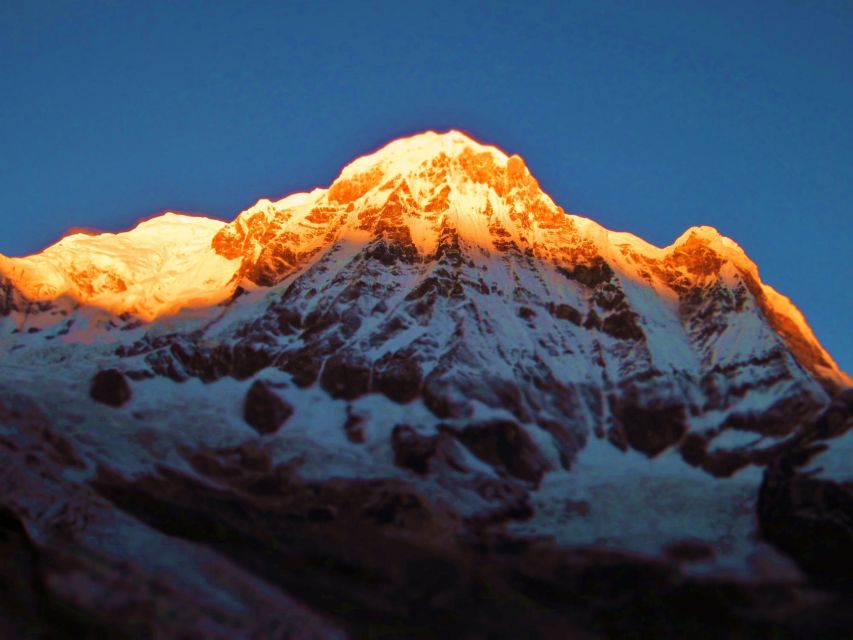
One of the most striking parts of this trek is the approach sequence that includes Machhapuchhare Base Camp and Ablation Valley. You’ll follow the trail across several streams, then hike toward Machhapuchhare Base Camp and continue on to Ablation Valley.
Ablation Valley is described as a hollow corridor between the glacier and the mountain. That’s a helpful detail because it tells you what to expect emotionally: it feels more enclosed and more “geology-forward” than the open village-to-village walking. You’re still hiking, but you’re also watching how water and ice shape the terrain.
Then you cross over the hills to reach Annapurna Base Camp, where you’ll spend the night. Spending the night here is valuable because it gives you one full day/night cycle at the altitude point. That can be the difference between seeing something briefly and actually absorbing it.
If weather is changeable (as it often is on the Annapurna route), your guide’s timing and your team’s flexibility matter. You’ll still get the core experience of reaching ABC and sleeping there, but the exact feel of the views depends on conditions.
You can also read our reviews of more tours and experiences in Pokhara
The descent out: 1,600m drop pressure and knee reality
On the way out, you’ll deal with the part hikers often underestimate: descent can be just as demanding as the climb. The route description notes a key point about the trek exiting the Annapurna Sanctuary toward Bamboo, and that Bamboo sits about 1,600m lower than Annapurna Base Camp. It also warns that you should expect a hard day on your knees.
That’s not scare talk. It’s just physics: your quads and knees do the heavy lifting when you’re dropping altitude for hours. The best defense is smart pacing and letting your legs reset as often as the trail allows.
You’ll continue down the valley, passing through places like Chhomrong and then arriving toward Jhinu Danda. This is another reason the hot springs payoff lands so well: you’ve earned it after a real downhill push, not after a gentle stroll.
Jhinu hot springs soak: the reward that makes the whole thing feel real
Once you reach Jhinu, you’ll enjoy a well-deserved rest in the hot springs. This part of the experience is simple and deeply satisfying: heat after cold, stillness after hours of movement.
After the soak, the trek finishes with a short final morning trek through the farmland that surrounds the river, followed by the return by jeep back toward Lakeside Pokhara. The drop-off is handled back through Nayapul, with the trip designed to end in Pakhora (Pokhara) via the arranged transfer.
I like how the hot springs turn the trek into a loop with a feeling of closure. You don’t just leave the mountains; you come down, recover, and end with a small daily rhythm before heading back to lakeside.
Guides, permits, and lodge nights: what you’re really paying for
This trek includes serious “hidden work” that matters on the Annapurna route. You get all necessary paper work, including the conservation entry permits and TIMS. You also get a professional trekking guide who is government registered.
On top of that, the logistics are handled: hotel pickup and drop-off, plus a sharing jeep for the road portions between Pokhara and the last road point (and back). Your accommodation is listed as private, tourist-standard lodge lodging—so you’re not scrambling for a place to sleep at the end of each day.
From past experiences with guides, safety and pacing are not afterthoughts. In one set of feedback, Tanka is described as always focused on safety, adjusting the daily walk to the group’s performance, and watching out for health. Another feedback highlights Amir as friendly and attentive. That’s exactly what you want to hear when the route includes steep climbs, high altitude, and long descent.
What’s included in your $206 price, and what costs extra
At $206 per person, the value is mostly in the systems: transport hookups, permits, and guiding are bundled, and you’re not left to figure those out yourself.
Included items:
- Hotel pickup/drop-off in Lakeside Pokhara (or airport) by car
- Sharing jeep from Pokhara to Jhinu (last road) and back
- Private tourist-standard lodge accommodation
- Permit paperwork (TIMS + conservation entry permits)
- Professional, English-speaking trekking guide
- Guide support (salary, accommodation, meals for the guide)
- VAT
Costs that can come up:
- Hot/cold/alcoholic drinks (not included)
- Meals if you choose the budget option (meals are included only if all-inclusive is selected)
- Porter only if you choose the all-inclusive option (budget option may require porter as extra)
- Travel insurance
It’s also smart to bring funds for personal expenses like phone calls, laundry, bar bills, battery recharge, extra porters, and water-related costs such as bottle or boiled water and shower charges if you want them.
This is the kind of trek where “cheap on paper” can quickly become “paying extra later,” so I’d check which meals package you’re selecting and whether a porter is needed for your comfort.
Who this trek fits (and who should skip it)
This is a strong choice for hikers who want Annapurna Base Camp in a shorter 5-day format and also want the hot springs as a final reward. You’re walking a route with popular stops—Chhomrong, Deurali, and the ABC area—and you’ll spend time in lodge accommodations rather than rough camping.
It’s not suitable for:
- Pregnant women
- People with heart problems
And regardless of health status, you should plan for long walking days and a difficult descent component. If you know your knees don’t like steep downhills, plan your day with extra caution. The route description specifically points out that the descent toward Bamboo can feel tough on knees, because it’s about a 1,600m drop from ABC.
Should you book this 5-day Annapurna Base Camp trek with Jhinu hot springs?
I’d book it if you want a well-run ABC trek that handles permits and logistics for you, gives you a professional English-speaking guide, and ends with a real recovery moment at Jhinu hot springs. The included price covers more than guiding—it covers the “start-to-finish plumbing” like transport and paperwork, and that’s what lets you focus on the trail.
Skip it (or ask more questions before booking) if your goal is a low-effort hike or if you rely on hotel-style comfort every night. Also, confirm what meal option you’re choosing, because drinks, meals, and porter support can change the true out-of-pocket cost.
If you’re healthy, fit for long days, and excited by the idea of sleeping near 4,120m and then soaking in warm water on the way down, this is a satisfying, classic way to do Annapurna Base Camp from Pokhara.
FAQ
How do I get from Pokhara to the start of the trek?
You’ll be picked up from your hotel in Lakeside Pokhara (or the airport) by car, then you’ll use sharing jeep for the road portions. The trekking itself starts at Nayapul, and the route finishes by returning to Nayapul for your drop-off back in Pokhara.
What’s the highest altitude on this trek?
Annapurna Base Camp is listed at 4,120m. Other provided elevations include Deurali at 3,230m and Sinuwa at 2,200m.
Are permits included?
Yes. The tour includes necessary paperwork, including conservation entry permits and the TIMS permit.
Is the guide English-speaking?
Yes. The tour includes a live tour guide who speaks English.
Are meals and a porter included in the price?
It depends on the option you choose. Meals and a porter are included only if the all-inclusive option is selected. If you choose the budget option, meals and porter service are not included.
What should I bring, and what’s not allowed?
You should bring a passport or ID card, comfortable shoes and hiking shoes, sunglasses and a sun hat, change of clothes, sunscreen and insect repellent, toiletries, and a daypack. Pets and weapons/sharp objects are not allowed.