REVIEW · KATHMANDU
Everest Base Camp with Gokyo Lake 17 Days
Book on Viator →Operated by Sunrise Adventure Trek P. Ltd · Bookable on Viator
Khumbu without the chaos. This Everest Base Camp with Gokyo Lake trek threads Sagarmatha National Park highlights, big monastery vibes, and serious high-pass walking into one guided plan, with people like Pemba and Pasang described as friendly and on top of details.
I love the way the route builds altitude step by step, with real acclimatization built in at Namche Bazaar. I also like the straightforward logistics: lodge stays, and full meals during trekking, so you can spend your energy on the trail and the views.
One consideration: you’ll be near high points and cold nights, so the route’s thin-air stretches (including the big pass days) ask for moderate physical fitness and good pacing.
In This Review
- Key things that make this trek worth your attention
- Kathmandu Setup: Hotels, Transfers, and Your First Real Check
- Lukla Flight and the Early Trek to Phakding: The Easy-Moving Start
- Namche Bazaar: The Rest Day That Actually Matters
- Climb Toward Dole and Machhermo: Building Legs for Gokyo
- Gokyo Lake and Gokyo Ri: Why This Trek Isn’t Just About Everest
- The Cho La Pass Day to Dzonglha: Where the Route Earns Its Name
- Gorak Shep and the Morning Choice: Base Camp Versus Kala Patthar
- Tengboche and the Big Monastery Stop: Culture on the Trek Back
- Monjo to Lukla and Back to Kathmandu: The Final Descent Loop
- Price and Logistics: What $1,480 Buys You (and What You Still Handle)
- Who Should Choose This Trek (and Who Should Reconsider)
- Should You Book Everest Base Camp with Gokyo Lake for 17 Days?
- FAQ
- How long is the Everest Base Camp with Gokyo Lake trek?
- What is the price per person?
- Where does the tour start?
- Is airport pickup and departure included?
- Are meals included?
- Do I need trekking permits, and are they included?
- Will you provide a sleeping bag or down jacket?
- What group size should I expect?
- Can I cancel for a full refund?
Key things that make this trek worth your attention
- Gokyo Lake and Gokyo Ri: a dedicated day hike option that turns your camera toward the Everest region from a different angle
- Cho La Pass to Dzonglha: one of the route’s most demanding segments, with the payoff of big-altitude trekking
- Everest Base Camp or Kala Patthar morning: you’re given a choice for that early, high viewpoint push
- Khumbu monastery stop at Tengboche: cultural anchor day during the trek back toward lower villages
- Small group size (max 18): easier movement with fewer people to coordinate at altitude
- Porter support included: one Sherpa porter for every two guests to carry baggage, so you’re not overloaded
Kathmandu Setup: Hotels, Transfers, and Your First Real Check
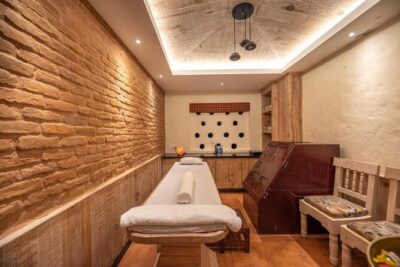
You start in Kathmandu, with all the practical stuff handled: airport pickup, airport departure, and three-star hotel lodging in twin-sharing rooms with breakfast. That matters because jet lag plus altitude prep is a messy combo. A solid sleep and a good meal the first night helps your body get ready for the Lukla flight and the first days of trekking.
This trip also includes the usual trekking paperwork support: the TIMS card and trekking permit are included, which keeps you from hunting down offices or waiting around. You’ll also get first-aid medicine items and a trip achievement certificate, plus a T-shirt—small things, but they add a nice sense of closure at the end.
One more detail to note: the package is built around local ground logistics (AC car and tourist deluxe bus during trips), and your international airfare isn’t part of it. So your planning is mostly about getting yourself to Nepal and then letting the trek portion run.
You can also read our reviews of more tours and experiences in Kathmandu.
Lukla Flight and the Early Trek to Phakding: The Easy-Moving Start
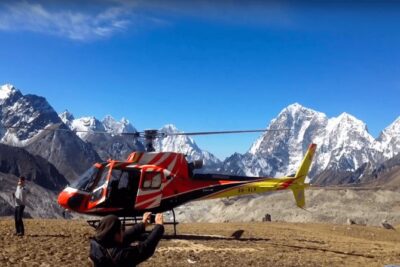
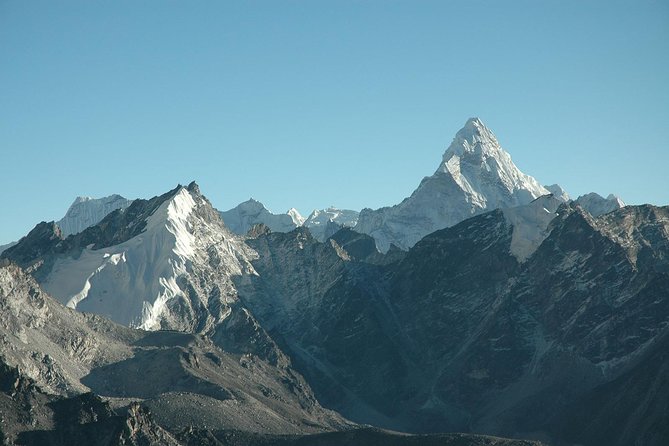
After Kathmandu, you fly to Lukla and begin the trek toward Phakding. The altitudes jump quickly (Lukla sits around 2,620m), so this early walking stage is more about rhythm than suffering. You’re moving through the classic start of the Everest region: small villages, lodge tea stops, and the feeling that the mountain world is getting closer with every bend in the trail.
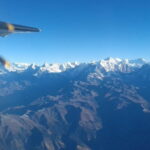
A lot of people remember the first flight segment because it can set your whole mood. One guide-led experience highlighted views of Everest and Lhotse soon after the Lukla flight, which makes the first day feel more real and less like a plan on paper.
You should also expect that the package is set up for steady daily walking with full meals (breakfast plus lunch and dinner while trekking). That means you don’t have to manage cash-heavy decisions while you’re adjusting to altitude.
Namche Bazaar: The Rest Day That Actually Matters
You reach Namche Bazaar at about 3,420m. This is where the trek shifts from “getting started” to “learning how to survive high.” The program includes an acclimatization and exploration/rest day here, with breakfast, lunch, and dinner included.
I like this approach because a rest day isn’t just a pause. It’s your chance to help your body adjust while you still stay active enough to feel normal. You’ll also be positioned in the most useful altitude corridor: Namche is high enough to start acclimatizing, but close enough to recover before the next climb.
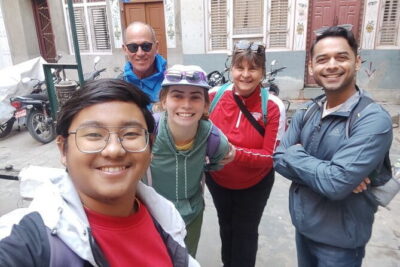
If you’re hiking with a guide like Pemba or Pasang (names that showed up in real experiences), this part can feel less intimidating. The general pattern is: you get clear guidance, your team stays organized, and the daily plan makes sense rather than feeling random.
Climb Toward Dole and Machhermo: Building Legs for Gokyo
From Namche, the route steps upward to Dole (around 4,110m) and then to Machhermo (about 4,410m). One segment here is listed as roughly 6 hours, while another is 3 to 5 hours—a nice reminder that the days are designed for work, not just suffering.
These stops are important because they act like training camps. You’re not rushing straight to the highest points. Instead, you’re teaching your legs and lungs what thin air feels like over a normal day.
And because accommodation is included in trekking lodges with full meals, you can treat these days as “show up, walk, eat, recover.” That’s a big deal on a route that later includes a very high pass.
Gokyo Lake and Gokyo Ri: Why This Trek Isn’t Just About Everest
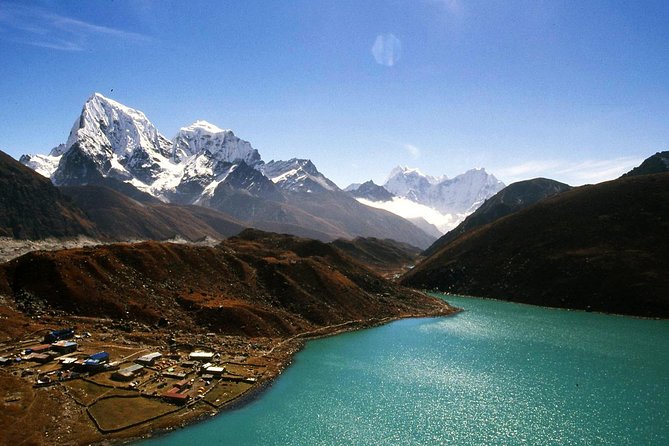
Then comes the highlight turn toward Gokyo at about 4,760m, followed by a day hike to Gokyo Ri (around 5,000m+, with the route listing the day hike/trek context near 4,678m at Thagnak). This is the part of the trek that often reframes the whole journey.
Gokyo Lake isn’t a side quest here. It’s a main draw, described as part of the trek’s sacred water experience. You get time built around it, plus the option for a viewpoint hike that gives your Everest dreams a second angle.
I also like that this segment includes a follow-on trek to Thagnak (around 4,678m). It keeps you moving while still respecting that you’re now in serious altitude territory. You’re not just arriving, ticking a box, and going straight into the hardest day.
The Cho La Pass Day to Dzonglha: Where the Route Earns Its Name
Next, the trek heads to Dzonglha via Cho La Pass at about 5,420m. This is one of the route’s most intense altitude days, and it’s worth taking seriously.
Here’s the practical way to think about it: after days that gradually built altitude, the pass day is when everything—breathing, energy, pacing—gets tested at the highest end you’ve faced so far. You’re also in cold, high-wind country much more often than you’ll be later on.
The upside is that the route structure doesn’t leave you hanging. After the pass day, it continues with more trekking down toward Lobuche (around 4,940m). That back-and-forth movement is part of how this trek makes the high points achievable.
If you’re worried about being slowed down, this is where having a small group (max 18) and a guide who manages pace matters. You’re not stuck in a massive crowd; you can find steady rhythm.
Gorak Shep and the Morning Choice: Base Camp Versus Kala Patthar
You move onward to Gorak Shep (about 5,147m). From there, the plan gives you a morning hike option: either Everest Base Camp (around 5,365m) or Kala Patthar (about 5,550m), followed by trekking down to Pheriche (around 3,950m).
That choice is a smart element of the trip. Not everyone wants the same kind of early push, and not everyone processes altitude the same way. Base Camp is the iconic destination. Kala Patthar is the viewpoint-style moment—high, cold, and built for big panoramas.
Whichever you choose, the key practical win is what comes next: you descend to Pheriche afterward, so the high-altitude effort doesn’t turn into a full-day grind with no recovery.
This is also one place where good guide leadership helps. People associated with the trek brand have been praised for friendly, helpful service and keeping things well managed from start to finish—exactly what you want when you’re operating on short-term energy at high altitude.
Tengboche and the Big Monastery Stop: Culture on the Trek Back
After Pheriche, the route continues to Tengboche (about 3,860m). This is the day where cultural meaning shows up. The trek overview specifically highlights Khumbu’s biggest monastery, and Tengboche is where that fits into your journey.
I like this kind of stop because it breaks the monotony of altitude numbers. You’re not only climbing and descending; you’re also experiencing the spiritual rhythm of the Khumbu region and its mountain-centered traditions.
Then it’s back down toward Monjo (around 2,635m). As your altitude drops, your body usually starts to feel less stressed. That’s when you’ll appreciate the structure of the meals and lodge stays again—you’re still hiking, but you’re no longer stuck in the same thin-air intensity.
Monjo to Lukla and Back to Kathmandu: The Final Descent Loop
From Monjo, the trek heads to Lukla (around 2,840m), then you fly back to Kathmandu. This is a satisfying end loop: you’ve done the high-country peak days, you’ve seen Gokyo and the Everest area from multiple vantage points, and now you’re closing the circuit.
You’ll also want to keep your Kathmandu final day in mind as a reset. The program includes breakfast in Kathmandu and then the conclusion, with departure expected afterward. If you’re carrying warm clothes and trekking layers, this is the moment to check everything you have and plan your return comfort.
One small thing I’m glad the package addresses: it’s built around organized transport rather than leaving you to figure out connections on your own. That matters more after a long trek than before one.
Price and Logistics: What $1,480 Buys You (and What You Still Handle)
At $1,480 per person, you’re paying for a local, guided, high-altitude package rather than just a map and a dream.
What you get included:
- Permits (TIMS and trekking permit)
- Guide support (guide salary, accommodation, meals, insurance are covered)
- Porter support: one Sherpa porter for two guests to carry baggage
- Full meals during trekking (breakfast, lunch, dinner) with tea/coffee
- Kathmandu hotel (twin sharing) with breakfast
- Trekking lodge accommodations
- If you need it, a sleeping bag and down-jacket option is included
- A first-aid medicine item set, plus a T-shirt and certificate
- An included cultural show and farewell dinner
What’s not included:
- Extra meals in Kathmandu, and personal expenses (including bar bills)
- International airfare to Nepal
- Travel insurance
- Tips for the trekking crew
- Tour entrance fees (beyond permits)
So the value question is simple: you’re paying to remove the stress from logistics. If you’d rather spend your attention on acclimatization, pacing, and getting to Gokyo and the Everest viewpoint moments, this package format can be a good fit.
Who Should Choose This Trek (and Who Should Reconsider)
This trek calls for moderate physical fitness. That’s a useful signal: the route includes high points and a major pass day, but it isn’t built like a random ultra challenge.
I think it fits best if:
- You want a structured plan with full trekking meals and lodge stays handled
- You care about seeing both Gokyo Lake and the Everest area
- You appreciate having a guide and porter support so you’re not managing everything solo
- You like the idea of a morning decision: Base Camp or Kala Patthar
You might reconsider if you’re not comfortable with long high-altitude days or you’re unsure about cold-season trekking. The route includes points as high as 5,550m and includes a 5,420m pass day, so you’ll want to be honest about your breathing comfort and recovery.
Also remember: group size maxes at 18, which is nice for coordination, but it still means you’ll follow a team pace more than a private schedule.
Should You Book Everest Base Camp with Gokyo Lake for 17 Days?
If your dream is the Everest region, but you also want something extra beyond the same old Everest postcard, this route makes sense. The big selling point is that Gokyo gets real time, and the trek keeps you moving through iconic high-country milestones instead of rushing past them.
Book this trek if you value:
- Clear logistics with guides and porter support
- A plan that includes acclimatization and structured high-day pacing
- The chance to experience either Everest Base Camp or Kala Patthar from the high camp area
- A cultural stop at the Khumbu monastery area on the way back down
Skip it (or ask for alternatives) if you’re not confident with the cold and thin air that comes with a major pass day and high viewpoints. No trek is magic. But a well-run package can make the mountain feel challenging instead of chaotic.
FAQ
How long is the Everest Base Camp with Gokyo Lake trek?
The duration is listed as about 14 to 19 days, depending on the trip plan length, with the experience commonly framed around a longer multi-day trek.
What is the price per person?
The price is $1,480.00 per person.
Where does the tour start?
It starts in Kathmandu (Kathmandu Valley, Bagmati Zone, Central Region). Meeting is in Kathmandu.
Is airport pickup and departure included?
Yes. The package includes all airport pick up and departure.
Are meals included?
Yes during the trekking portion: breakfast, lunch, and dinner are included as listed in the program, with tea/coffee. Extra meals in Kathmandu are not included.
Do I need trekking permits, and are they included?
Yes. The trek includes trekking permit and TIMS card.
Will you provide a sleeping bag or down jacket?
If you need them, a sleeping bag and down-jacket are included.
What group size should I expect?
The experience has a maximum of 18 travelers.
Can I cancel for a full refund?
Yes, you can cancel for a full refund if you cancel at least 24 hours in advance. If you cancel less than 24 hours before the start time, the amount paid is not refunded.
If you want, tell me your target travel month and your comfort with long days at altitude, and I’ll help you sanity-check whether the pass-heavy timing fits your style.