REVIEW · KATHMANDU
Kathmandu Bhaktapur Patan Authentic Local Tour +7 UNESCO WH Sites
Book on Viator →Operated by Himalayan Adventure Therapy · Bookable on Viator
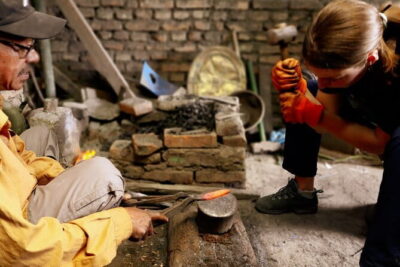
Three days, seven UNESCO stops, and crafts you touch. What makes this tour different is the mix of UNESCO monuments with real-world local skills: Juju Dhau cooking, Bhaktapur pottery, and Patan’s traditional art sessions, all led by certified locals. You also get guided time around the older neighborhood markets instead of only big-photo viewpoints.
I especially like the hands-on food and craft parts—you’re not just watching from the sidelines. And I like the way the guide’s local Newar background helps explain what you’re seeing, from temple details to why places like Siddha Pokhari matter.
One thing to consider: the days are packed with walking and multiple sacred sites, so you’ll want comfortable shoes and the mindset of a structured tour day, not a slow wander.
In This Review
- Key highlights worth planning for
- Why local Newar experts change everything in Kathmandu Valley
- Price and logistics: what $385 buys you (and what it doesn’t)
- Day 1 in Bhaktapur: Juju Dhau, pottery lanes, and Durbar Square scale
- Day 2 in Patan: Durbar Square grandeur plus Buddhist courtyards
- Day 3 in Kathmandu: Durbar Square, Swayambhunath, Bouddhanath, Pashupatinath
- UNESCO World Heritage: why this “seven in three days” plan makes sense
- How the schedule feels: transport comfort, walk intensity, and pacing
- What to ask your guide while you’re there
- Should you book this Kathmandu, Bhaktapur and Patan tour?
- FAQ
- How long is the Kathmandu Bhaktapur Patan tour?
- What does the tour cost?
- What time does the tour start?
- Do you get pickup?
- Which cities and major UNESCO areas are included?
- What’s included in the tour price?
- Is food included?
- Is accommodation included?
- Is this a private tour, and can service animals join?
Key highlights worth planning for
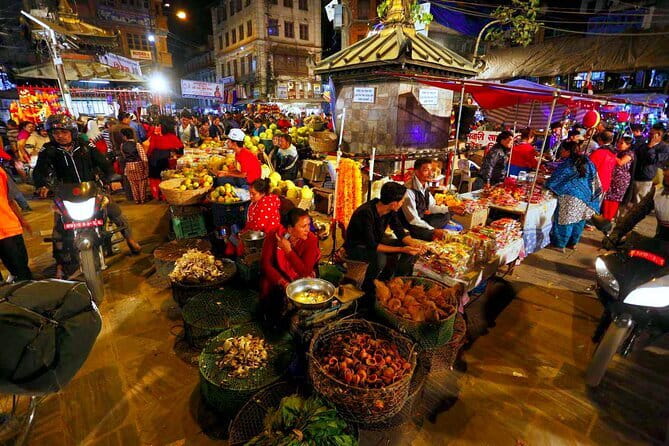
- Juju Dhau live making session in Bhaktapur, plus optional local food tasting
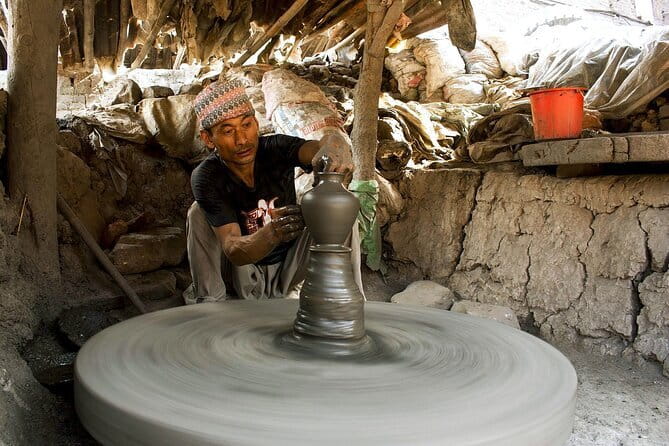
- Pottery Square workshop time where you can watch the process up close
- Patan craft culture, including traditional religious art work and artisan alley walks
- Seven UNESCO World Heritage stops across the Kathmandu Valley in just 3 days
- A guided end in Thamel, with an escorted lead-in if you want nightlife options
Why local Newar experts change everything in Kathmandu Valley
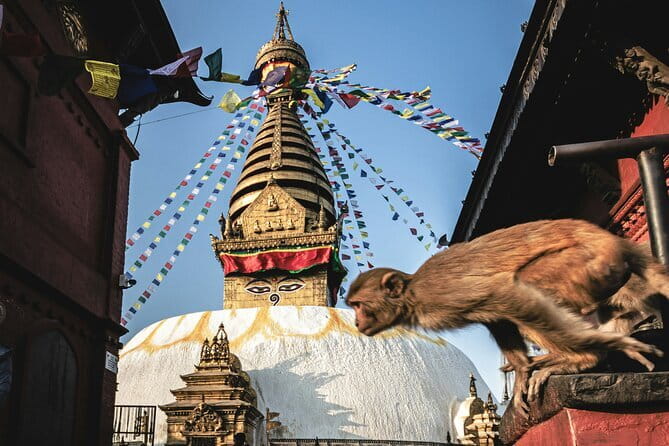
Kathmandu Valley can feel overwhelming fast. So I love a tour where the guide can point at small details and explain the story behind them without turning it into a lecture.
This experience leans hard on that advantage. Your leader comes from the Newar communities of Kathmandu, Bhaktapur, or Patan, and in prior feedback the names Nirajan and Kamal show up as examples of how “local guide” here means more than just fluent English. That local angle helps when you’re standing in a Durbar Square and trying to understand what’s sacred, what’s civic, and what’s simply part of daily life.
The other reason I think you’ll appreciate it is the balance between monuments and people. You’ll move through temples and palace squares, yes, but you’ll also spend time where crafts and food are made, including Juju Dhau and pottery work. That’s what turns a checklist trip into an experience with real texture.
You can also read our reviews of more tours and experiences in Kathmandu.
Price and logistics: what $385 buys you (and what it doesn’t)
At $385 per person for about 3 days, you’re paying for more than bus rides and entrance tickets. The included package covers private transportation, an air-conditioned vehicle for driving sections, and all fees and taxes for the attractions on the route. You also get a bottle of water per day per person, plus a professionally certified local guide.
Where the value really shows is the “friction reduction.” Private transport means less negotiating, less waiting, and fewer chances to get separated on long, busy walkways. And since admission and environment management fees are included for the planned sites, you’re not stuck doing last-minute payments while trying to enjoy the moment.
What’s not included is also important for your planning. Food isn’t included (the guide will advise), accommodation is not included, and gratuity for service staff is expected. If you’re already used to paying for guides and admissions, this may feel like a fair “all-in” way to see major sites without doing the math all day.
Day 1 in Bhaktapur: Juju Dhau, pottery lanes, and Durbar Square scale
Bhaktapur is the day that sets the tone. It’s where the tour shifts from big landmarks into a more intimate, craft-and-food-focused rhythm.
You begin with a Juju Dhau making session, led by your local guide and connected to Newar food traditions. Juju Dhau is the kind of dish that makes sense only once you see how it’s prepared—ingredients, timing, and the care that goes into getting it right. Even if you aren’t a big foodie, you’ll likely walk away understanding why locals treat certain foods like cultural heritage.
Next comes Siddha Pokhari, a historic pond near Bhaktapur Durbar Square. You’ll have a short window here, but the pond location matters because it’s tied to the way sacred and civic spaces interlock in Bhaktapur. After that, the tour moves to Pottery Square via Barahi Agam Ghar, where pottery activity fills the square.
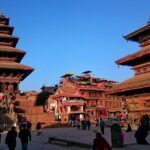
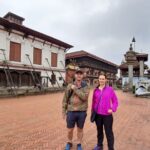
Then you hit the core: Bhaktapur Durbar Square, a UNESCO World Heritage site since 1979. This is one of those places where a guide can help you notice the differences between similar-looking carvings, courtyards, and temple platforms. It’s also a place where you’ll feel how compact the city is—everything is close enough to keep walking, but still detailed enough to slow you down.
The afternoon continues with temple stops that add variety without feeling random. You’ll visit Chandeshwori (a three-story pagoda-style shrine), then have optional time for local food tasting with Newari dishes available if you want them. Afterward, you’ll move toward Dattatreya Temple via Khacha Pokhari, and the tour credits its construction to traditions from the 14th century involving King Yaksha Malla.
You finish the day with Navadurga temples on the outskirts, built to protect the city. You’ll be guided through the visiting order, which is helpful—temples like this feel more meaningful when you understand the sequence rather than rushing to the next “must-see.”
What to watch for on Day 1: Bhaktapur can involve uneven pavement and lots of short climbs. If you know your legs get tired easily, wear supportive shoes and plan to take the slow moment when the guide stops to explain details.
Day 2 in Patan: Durbar Square grandeur plus Buddhist courtyards
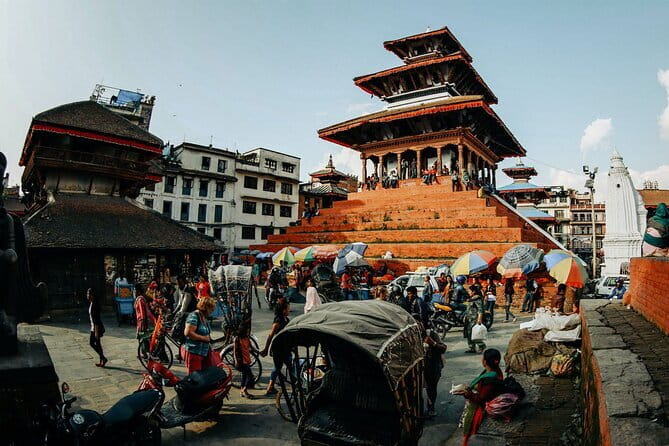
Day 2 keeps the UNESCO momentum but changes the texture again. Patan feels more like an artist’s city: temples, courtyards, water features, and the craft skills of families in the surrounding alleys.
You start at Patan Dhoka, the “gateway to Patan,” which frames the day with a sense of arrival. It also links you to the city’s Malla-era role as a capital during the later medieval period—helpful context for why so many monuments concentrate here.
Then you step into Buddhist space with Pimbahal Stupa and the nearby Jagamadu Pond. This is one of those stops where the time feels well spent because the stupa is the main act, and the pond gives you a sense of how water and worship coexist in daily life.
After that, you visit Nagbahal Hiti, also called Elhānani Hiti. This drinking fountain dates back to the 8th century and still gets used for cultural events. That’s a great example of why this tour works: you don’t just see “old stones,” you see living use—an old structure that still serves a function.
The next big landmark is the Golden Temple (Hiranya Varna Mahavihar), built in 1409. The name can mislead people into thinking it’s made entirely of gold, but it’s really more about the nickname and how it’s described through history and tourism. Either way, the monastery’s presence gives the day a clear spiritual center.
After the Golden Temple, you head to Kumbheshwor Temple, with documentation that points to the late 14th century. From there you walk to Patan Durbar Square, where the palace complex and dense temple cluster create a “maze with meaning” feeling. It’s not just visually impressive; it’s also an excellent spot for your guide to help you interpret what you’re looking at.
The tour then includes the ancient Golden Fountain. An art expert named Gautama Vajracharya has studied this feature in depth, which adds a useful “why should I care” layer beyond just admiring the look.
You continue with Mahaboudha Temple, a 14th-century Buddhist structure made of clay bricks and decorated with terra-cotta art. The temple’s style difference from surrounding pagoda roofs helps it feel distinct, even at walking pace.
The day ends with Rudra Varna Mahavihar in Oku Bahal, which the route describes as a monastery with three courtyards. You get time to understand how those courtyards structure the space and experiences inside.
Finally, you get a walk through Patan’s narrow alleys to see woodwork traditions linked to shilpakar artisan families. This is where the day ties back to the “local skills” theme. Even without a formal workshop every hour, seeing work shaped by generations makes the city’s art feel less like museum culture and more like an active craft economy.
Potential drawback for Day 2: Patan is full of details. If you try to photograph everything at max speed, you’ll miss the explanations. I’d recommend slowing down for the moments your guide points out.
Day 3 in Kathmandu: Durbar Square, Swayambhunath, Bouddhanath, Pashupatinath
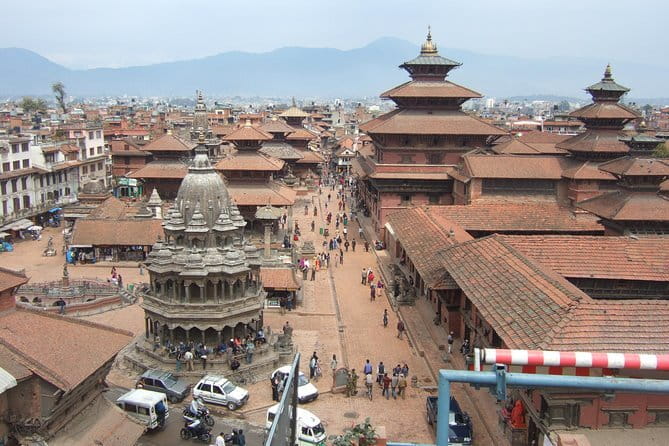
Kathmandu Day 3 is the shift from craft-focused Patan and compact Bhaktapur into a bigger-city rhythm. You start with a walk through Thamel and the narrow alleys of Asan Tole, then continue toward Newroad Gate via Kathmandu Durbar Square.
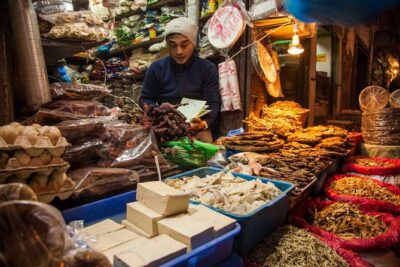
This walking segment helps you “get bearings” quickly. It also ties into shopping experiences around Nepal’s oldest market area in the city—so you can combine sightseeing with practical browsing if that’s your style.
You then spend time at Kathmandu Durbar Square, a major UNESCO monument zone. A Durbar Square in Kathmandu can feel different than the Bhaktapur one: more connected to the city’s larger flow, and often with more surrounding activity. A guide helps keep your attention on the monuments, not just the movement around you.
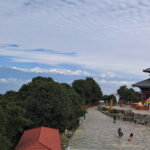
After that, you drive to Swayambhunath, the famous stupa overlooking the valley. This stop is both a viewpoint moment and a spiritual one, so plan for changing crowds as you move through the area.
Next is Budhanilkanth Temple, also known as Jal Narayan Temple. It’s described as a tranquil corner of the Kathmandu Valley, and the tour’s timing gives you a shorter visit here compared to the big stupa and palace zones. If you want one quieter spiritual stop that breaks up the day’s energy, this one can do that job.
Then you head out for Bouddhanath stupa. The route describes the first stupa as likely built after AD 600 and connects it to the era when Tibetan King Songtsen Gampo converted to Buddhism. Even if you don’t memorize dates, that background helps you understand why Bouddhanath feels like more than a landmark—it feels like a living religious hub.
After Bouddhanath, you go to Pashupatinath Temple on the Baghmati River. This is one of the valley’s most important worship sites, and the longer visit time helps you take it in without feeling rushed.
You end back in Thamel, with a choice to experience nightlife in the area and Jhamsikhel. The route mentions escorted VIP line access into restaurants, pubs, clubs, and streets for about five hours, but nightlife spending itself isn’t included.
What to watch for on Day 3: The day mixes walking with drives, and the pacing can feel “big city busy.” If crowds make you impatient, treat the quiet moments—temple corners, side areas, pauses—with intention.
UNESCO World Heritage: why this “seven in three days” plan makes sense
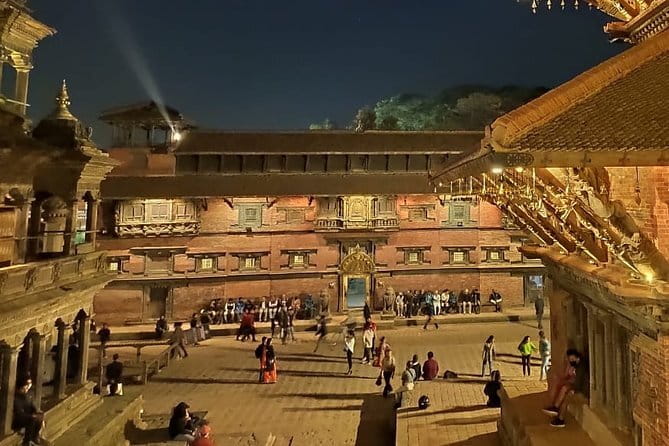
The tour is designed around covering the full set of seven UNESCO World Heritage sites in the Kathmandu Valley region. You’ll hit major zones by name including Bhaktapur Durbar Square, Patan Durbar Square, Kathmandu Durbar Square, Swayambhunath, Bouddhanath stupa, and Pashupatinath Temple, with an additional UNESCO stop built into the schedule as part of the seven-site loop.
Trying to do this on your own can be tricky, not because it’s impossible, but because the “small timing issues” add up: ticket lines, transport choices, and getting orientation in dense older districts. A guided plan is practical here. It keeps you moving efficiently while still allowing time to understand what you’re seeing.
The other value is how the UNESCO stops connect thematically. You’re not only chasing famous monuments; you’re seeing how religious structures, royal spaces, and craft culture influence each other across the valley.
Simple advice: treat your camera as secondary on the UNESCO sites where the guide is explaining details. Those explanations tend to be what makes the difference between snapshots and real learning.
How the schedule feels: transport comfort, walk intensity, and pacing
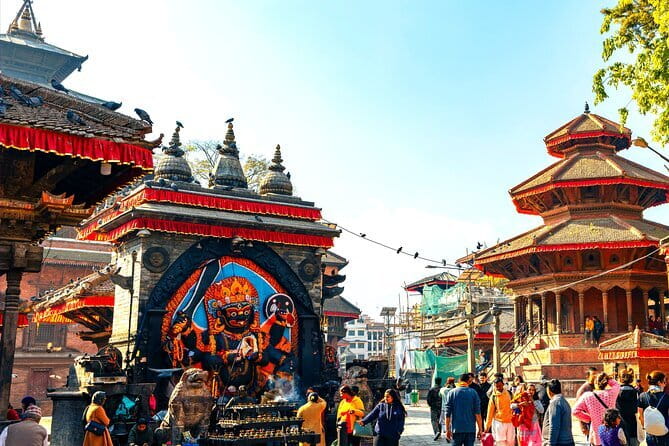
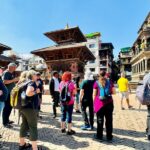
This is set up as a private tour for your group only. That matters because the guide can adjust pace if your group wants more time in a temple area or prefers fewer stops.
You start at 9:15 am, so plan for an early day. On the drive segments, the air-conditioned vehicle helps a lot in heat or traffic stress. On the walk segments, you’ll likely be moving through narrow lanes, temple approaches, and crowded public spaces where timing is everything.
A bottle of water per day is included, and public toilets are available to use (always a relief for a multi-temple day). The tour also uses a mobile ticket, which can cut down on paper handling.
One more practical point: some stops include ticketed entry and others are described as free admission, but the tour states entrance fees and environment management fees for the attractions in the plan are covered. That reduces the “surprise payments” problem.
What to ask your guide while you’re there
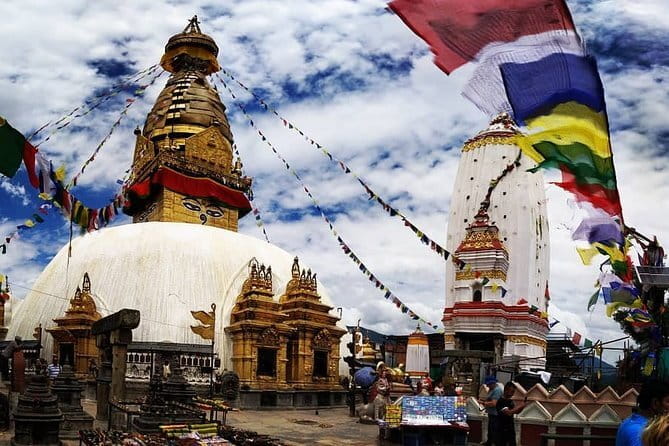
You’ll enjoy the tour more if you treat your guide like a translator for daily life, not only a fact source. A few good questions you can ask during natural pauses:
- What should I notice first in Bhaktapur Durbar Square—carving details, layout, or temple symbols?
- Which foods are most worth trying during the optional tasting in Bhaktapur?
- In Patan, how do artisan woodwork and monastery art connect to everyday life?
- For the Kathmandu market area near Asan Tole, what’s reasonable to buy there if I want something locally made?
This tour is strongest when you slow down just enough to ask. The craft sessions and temple explanations are the points where your curiosity pays off quickly.
Should you book this Kathmandu, Bhaktapur and Patan tour?
Book it if you want a structured way to see the big UNESCO monuments, but you also want the cultural parts that make those monuments feel human—Juju Dhau, pottery activity, craft culture in Patan, and walking through older markets. It’s also a strong fit if you prefer a guide who can explain meaning, not just dates.
I’d think twice if you hate tight schedules or you need lots of unplanned free time. This route is designed to cover a lot in about three days, so you’ll be working inside a plan rather than roaming whenever you feel like it. And since food and nightlife spending aren’t included, you’ll still want to budget for meals in addition to the tour price.
If you’re looking for the best value of “major sites plus real local skills” in the Kathmandu Valley, this one is a very sensible choice.
FAQ
How long is the Kathmandu Bhaktapur Patan tour?
It runs for approximately 3 days.
What does the tour cost?
The price is $385.00 per person.
What time does the tour start?
Start time is 9:15 am.
Do you get pickup?
Pickup is offered.
Which cities and major UNESCO areas are included?
The tour covers Kathmandu, Bhaktapur, and Patan, including Kathmandu Durbar Square, Swayambhunath, Bouddhanath stupa, Pashupatinath Temple, Bhaktapur Durbar Square, and Patan Durbar Square, as part of a plan to visit all seven UNESCO World Heritage sites in the region.
What’s included in the tour price?
Included features are private transportation, an air-conditioned vehicle, professionally certified local tour leader, water bottle per day per person, and all fees and taxes (including entrance fees and environment management fees for the attractions mentioned).
Is food included?
No. Food isn’t included, but the guide will advise where to eat for the best experience.
Is accommodation included?
No. Accommodation is not included.
Is this a private tour, and can service animals join?
Yes, it’s private for your group only. Service animals are allowed, and most travelers can participate.