REVIEW · KATHMANDU
Kathmandu: Shivapuri National Park Hiking Day Trip
Book on GetYourGuide →Operated by Wilder Way Trekking & Expedition Pvt Ltd · Bookable on GetYourGuide
A short walk turns into mountain drama fast. This Kathmandu day trip to Shivapuri National Park mixes serious views with easy-from-the-city logistics, all within about 8 hours. I like that you’re hiking close to Kathmandu, yet you still get that proper Himalayan feel—Langtang, Ganesh Himal, and even hints toward the Annapurna range—plus a trail environment full of forest, birds, and plants.
Two things stand out for me: first, the top-of-the-park payoff at Shivapuri Peak (2,732m), where the sky can feel wide-open and the mountain names actually matter. Second, the trip is built around practical hiking options (like Shivapuri Peak, Nagi Gompa, or Sundarijal to Chisapani), so you can match the day to your legs rather than forcing everyone into one exact route. One caution: guide quality can vary, and if you end up with a guide who rushes, chatters nonstop, or hasn’t fully learned the route, your day can feel less relaxing and more stressful than it should.
In This Review
- Key highlights I’d prioritize
- A day in Shivapuri National Park: close to Kathmandu, far from the noise
- Choosing your route: Shivapuri Peak, Nagi Gompa, or Sundarijal to Chisapani
- Shivapuri Peak hike (the classic payoff)
- Nagi Gompa hike (shorter, gentler, and meaningful)
- Sundarijal to Chisapani (scenery plus village life)
- The morning logistics that actually matter in Kathmandu
- Shivapuri Peak: when the forest thins into big sky
- Nagi Gompa: a calm break inside the hike
- Bagdwar and the Bagmati River: the Hindu side of the park
- Wildlife and biodiversity: what to watch for (without expecting a safari)
- Guide quality: the biggest swing factor in this trip
- What to bring so the day feels smooth
- Price and value: what $61 buys you, and what it doesn’t
- Who this day trip is best for (and who should skip it)
- Should you book this Shivapuri hiking day trip?
- FAQ
- How long is the Kathmandu Shivapuri National Park hiking day trip?
- Where does the tour start?
- What hikes are offered in Shivapuri National Park?
- What is the highest point you can hike to?
- Are meals included?
- What does the price include?
- What should I bring for the hike?
- Is the tour in English?
- Is the tour suitable for older travelers or infants?
Key highlights I’d prioritize
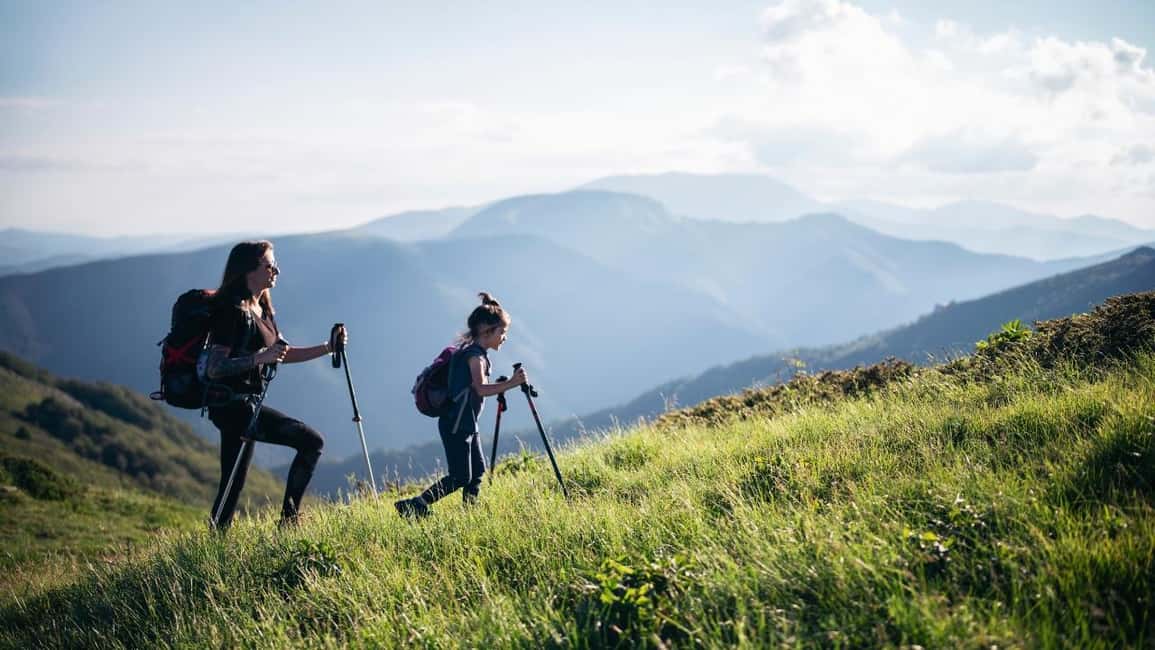
- Shivapuri Peak views that connect Langtang, Ganesh Himal, and glimpses of the Annapurna region
- Nagi Gompa for a quieter break with a Buddhist monastery setting and valley views
- Bagdwar at the Bagmati River’s origin, a Hindu pilgrimage stop that adds meaning to the walk
- Forest hiking close to the city, with rhododendron, oak, and pine-type scenery plus lots of birdlife
- Real wildlife in the mix (leopards, Himalayan black bears, deer), so you hike with nature in mind
- Hotel pickup and transfers that remove the headache of getting to the trailhead
A day in Shivapuri National Park: close to Kathmandu, far from the noise
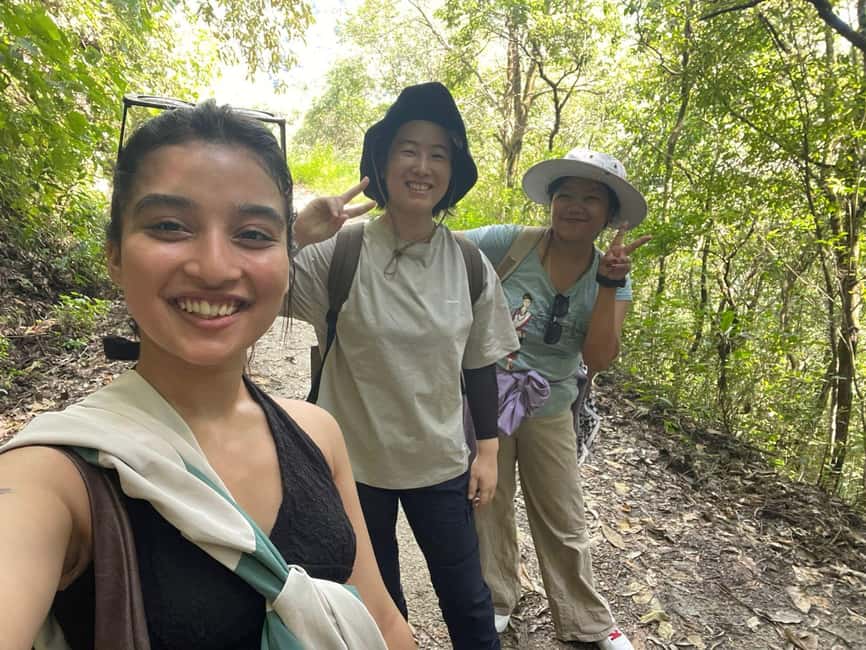
Shivapuri National Park sits just 12 km north of Kathmandu, covering about 159 square kilometers. That closeness is a big deal. It means you don’t need a multi-day plan to get out of the city rhythm and into cool-air hiking. In the morning you can still feel Kathmandu energy, then gradually switch to forest sounds—birds, wind in the trees, and occasional sightings that remind you this is real habitat, not a theme park.
The park’s altitude range and forest cover also create variety within a single day. You’re not just walking from point A to point B. You’re moving through different vegetation types, and you’ll likely notice rhododendron growth and oak/pine forest areas as you gain elevation. Even if you don’t see large animals, the fact that the park supports leopards, Himalayan black bears, deer, and 300+ bird species is part of the experience. It makes you hike a bit slower, look around, and pay attention to what’s happening off the trail.
You can also read our reviews of more hiking tours in Kathmandu
Choosing your route: Shivapuri Peak, Nagi Gompa, or Sundarijal to Chisapani
This day trip works because you can pick a hiking style. The “8 hours” format gives you flexibility, but you should still choose based on how hard you want to go.
Shivapuri Peak hike (the classic payoff)
The most popular route pushes to Shivapuri Peak (2,732m). Plan on roughly 20 km round trip and about 5–7 hours of hiking. This is the best choice if you want the big view moment—Langtang, Ganesh Himal, and in some conditions, parts of the Annapurna region. The elevation gain can be steady rather than dramatic, which is good news if you like a consistent pace. Still, it’s a long day on your feet.
Practical tip: start slow on the uphill. The views come later, and you’ll enjoy them more if you don’t arrive already cooked.
Nagi Gompa hike (shorter, gentler, and meaningful)
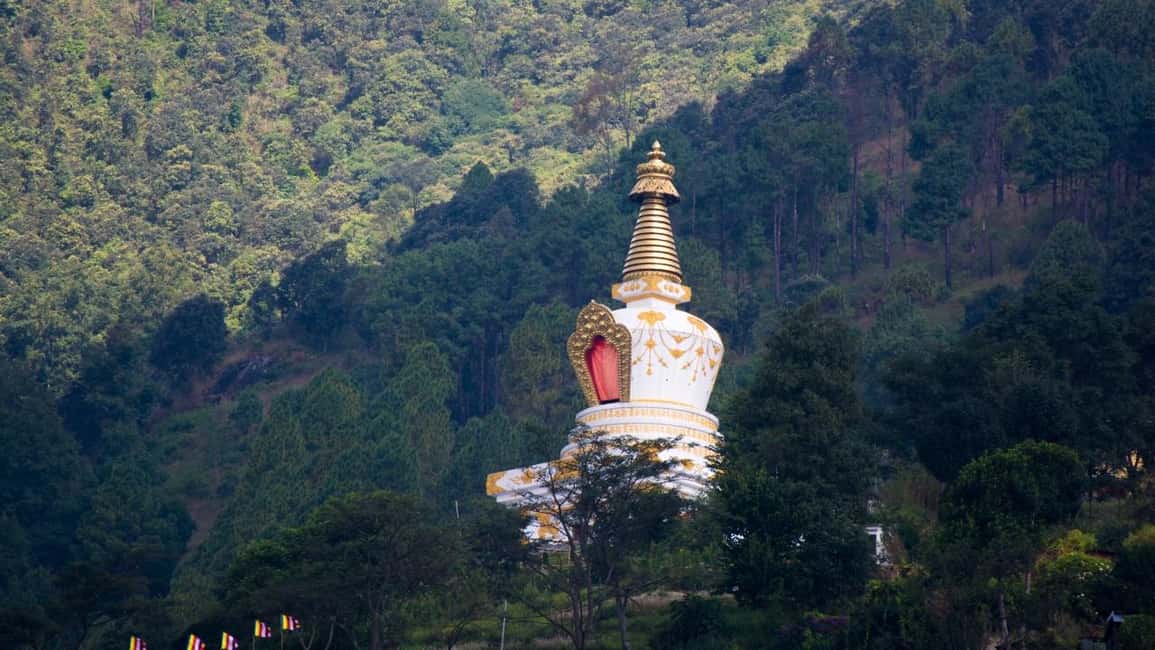
If you’d rather keep it easier, go for the Nagi Gompa route. It’s about 5–7 km round trip and usually takes 2–4 hours. The monastery atmosphere helps this hike feel different. It’s not only about the scenery; it’s about the pause—quiet, stone-and-stupa vibes, and a calmer viewpoint back toward the Kathmandu Valley.
This route suits you if you want a hiking day but you also want time to absorb Nepal’s spiritual geography without pushing distance.
Sundarijal to Chisapani (scenery plus village life)
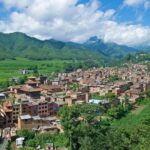
For a more “walk-and-watch” feeling, Sundarijal to Chisapani is about 15 km and 6–8 hours. It passes waterfalls, dense forest, and Tamang villages, ending at Chisapani—a place that’s famous for sunrise/sunset type views.
Choose this if you like the idea of hiking through changing scenes rather than chasing one final summit.
You can also read our reviews of more tours and experiences in Kathmandu
The morning logistics that actually matter in Kathmandu
Most people don’t plan enough time for getting out of Kathmandu. That’s why I’m glad this trip includes transfers to hiking points and transfer back to your hotel. Starting from Thamel also helps. You can keep the day simple: gear up, meet your guide, ride out north, and start hiking without hunting for transport.
This matters especially if you’re short on vacation time. A day trip only works if you don’t spend it stuck in traffic or doing back-and-forth logistics. Here, you get entrance fees handled and a professional guide included, plus a first aid kit is part of the setup. I still recommend you bring your own basics like blister care and any personal meds, because a first aid kit can only go so far.
Also note: the tour is run in English, and a private group option exists if you want more control over pace and stops.
Shivapuri Peak: when the forest thins into big sky
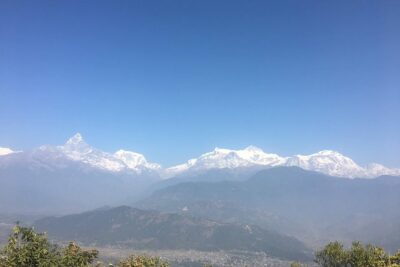
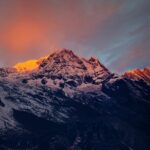
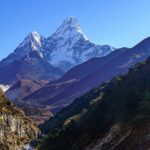
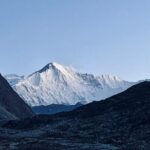
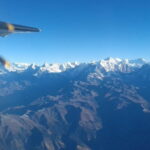
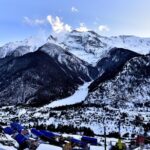
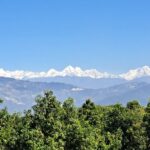
If you choose the Shivapuri Peak hike, the rhythm is straightforward: forest walking, elevation gain, then the reward—panoramic views across multiple mountain groups. The key names to look for are Langtang, Ganesh Himal, and sometimes parts of the Annapurna range.
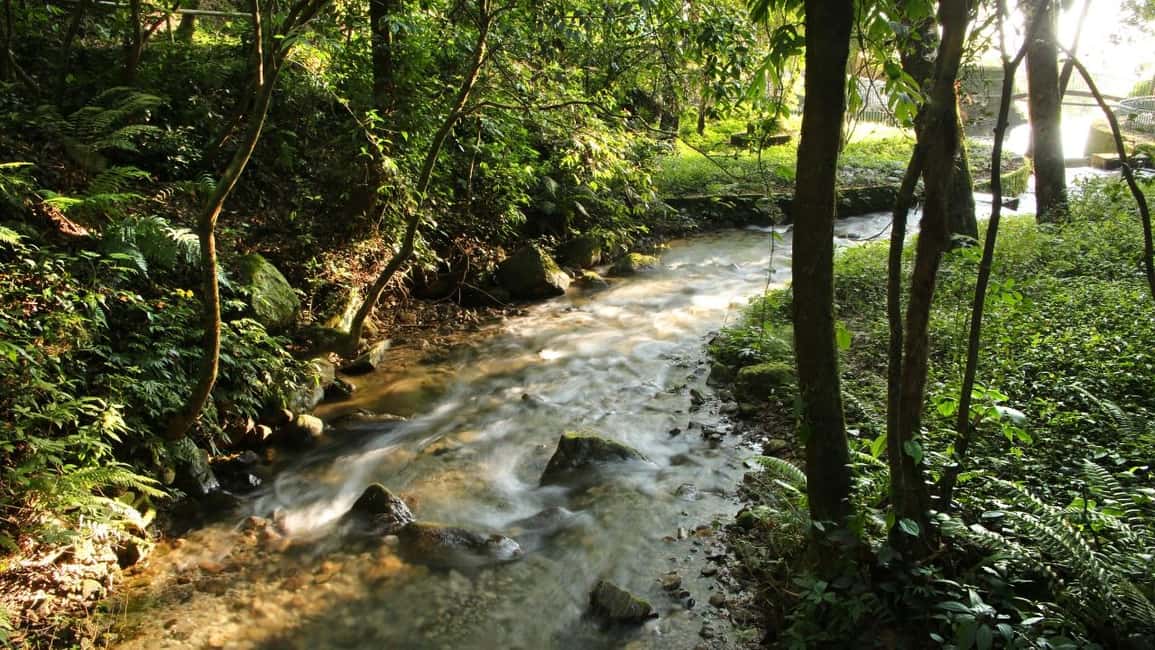
Even though the peak itself is the highlight, the real magic for me is how the park changes under your feet. You start surrounded by thicker growth, then the air tends to feel different as altitude increases. Rhododendron and oak/pine forest types are part of what makes the trail visually interesting, not just “green everywhere.”
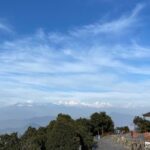
One more thing: weather makes or breaks summit views. If clouds roll in, the hike can still be worthwhile for the trail and the feeling of being far from Kathmandu—just expect fewer crisp mountain-name moments.
Nagi Gompa: a calm break inside the hike
The Nagi Gompa portion adds a layer that a pure summit trek doesn’t always provide. This is a Buddhist monastery with beautiful views, and the hike toward it gives you a shorter, more manageable route that still feels like an adventure.
I like this stop because it changes your pace. You’re not only climbing. You’re approaching a place designed for quiet reflection, so even if you’re not religious, the atmosphere tends to slow you down. It also gives you a clear “checkpoint” feeling: you work your way to the monastery, rest, take in the view, and then continue back.
If you’re traveling with mixed hiking levels, Nagi Gompa is often the safest way to include a temple moment without turning the day into an endurance event.
Bagdwar and the Bagmati River: the Hindu side of the park
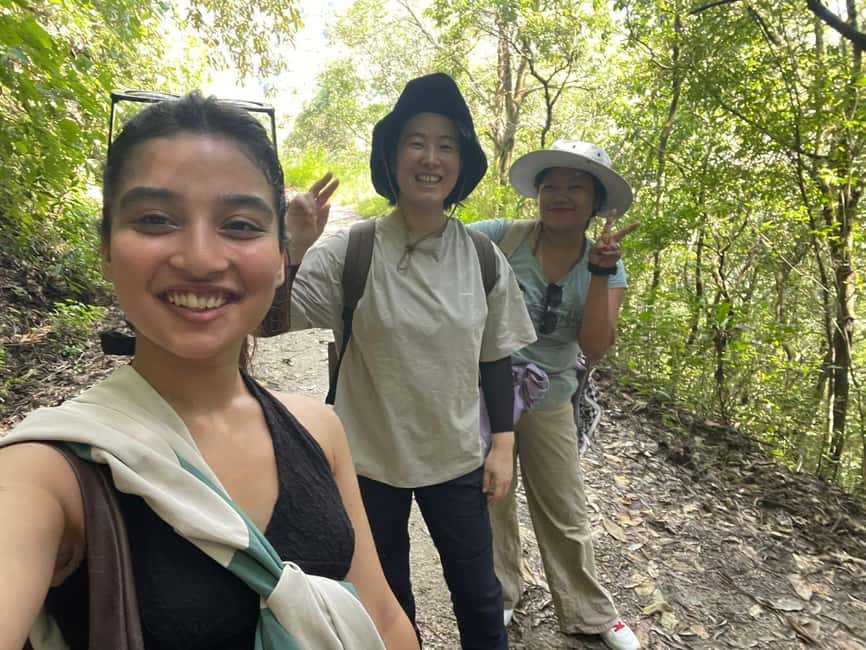
Hiking in Shivapuri isn’t only spiritual in the monastery sense. The park also connects to a Hindu pilgrimage site at Bagdwar, described as the origin of the Bagmati River.
That detail matters because it turns a hike into something more layered than scenery. You’re walking through a landscape that has meaning in daily religious life, not just a weekend nature escape. Even a brief stop at Bagdwar can make you look at the route differently—less like a workout, more like moving through living Nepal.
Wildlife and biodiversity: what to watch for (without expecting a safari)
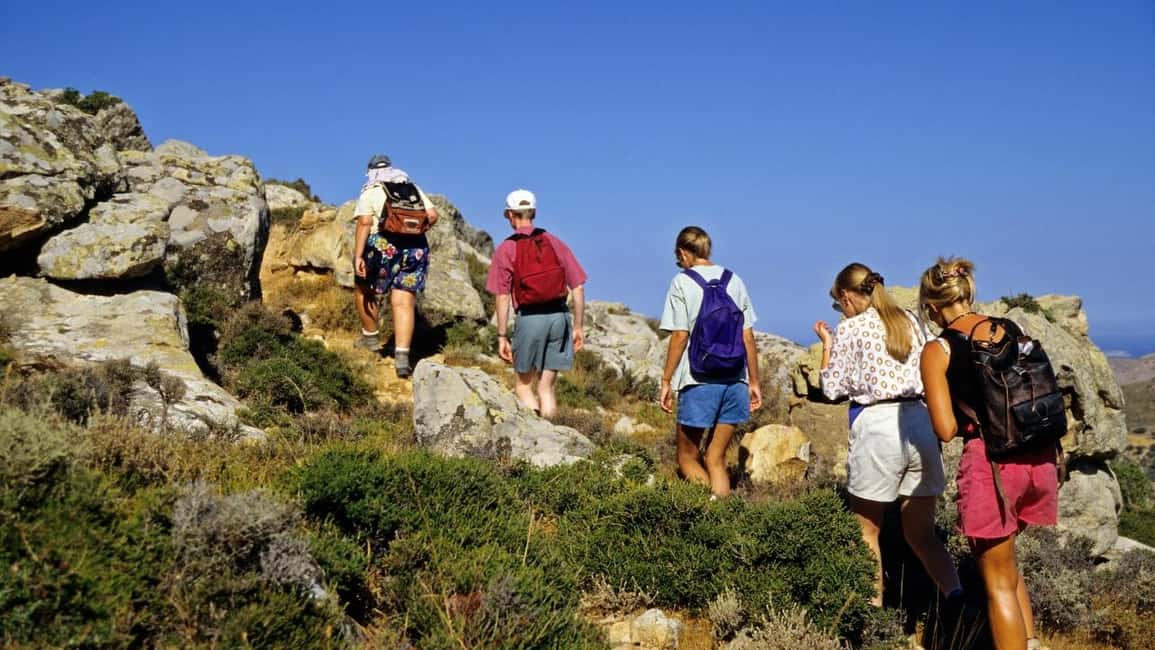
Shivapuri is home to big mammals like leopards and Himalayan black bears, plus smaller forest animals like deer, and a lot of birds. The catch is simple: you’re hiking, not doing a controlled wildlife viewing tour. So don’t plan your day around seeing a leopard.
Instead, you’ll get value from the biodiversity in smaller, more likely ways:
- forest plants like rhododendrons and oak/pine-type trees
- birds overhead or along the trail edges
- occasional animal tracks or signs
I’d also keep a respectful distance from wildlife. If something moves off-trail, let it have the space. Your goal is quiet observing, not forcing a close encounter.
Guide quality: the biggest swing factor in this trip
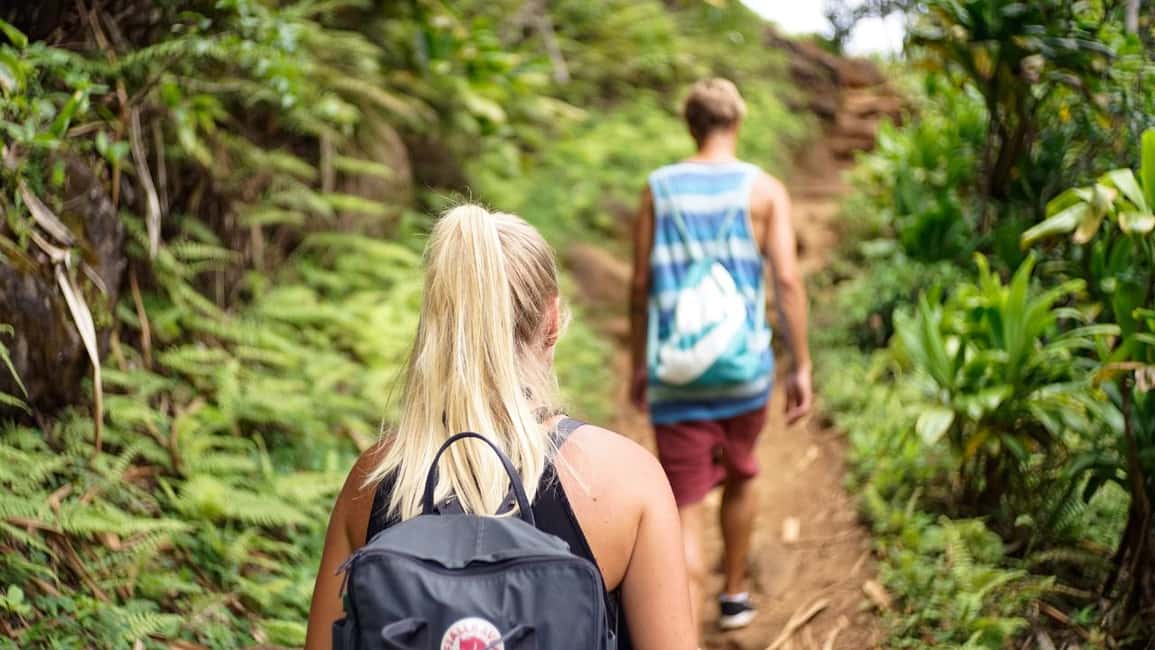
Here’s the honest part: the experience can feel dramatically different depending on the guide.
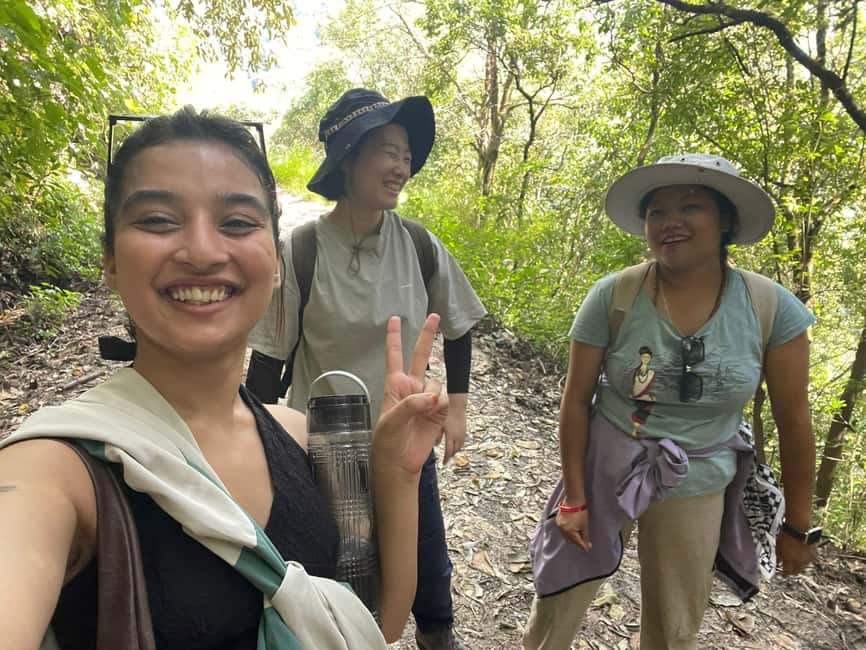
On one end, I’ve seen an example of a guide named Sunita who was friendly and knowledgeable—sharing plants, wildlife, religious sites, and even a few words of Nepali. That kind of guiding turns the hike into a story you can carry home, not just a route you completed.
On the other end, there are reports of guides who either struggled with navigation or felt overwhelmed when things got tricky, including situations where proper first-aid support wasn’t ready. The lesson for you is practical: before you commit fully, make sure your guide knows the plan for your chosen route and is comfortable leading it.
A simple approach:
- Ask your guide what they’ll focus on during the hike (views, plants, religious sites, wildlife).
- Confirm the route name for your day: Shivapuri Peak, Nagi Gompa, or Sundarijal to Chisapani.
- If you’re prone to motion sickness or dislike constant talking, tell them you prefer short explanations and more silence for scenery.
What to bring so the day feels smooth
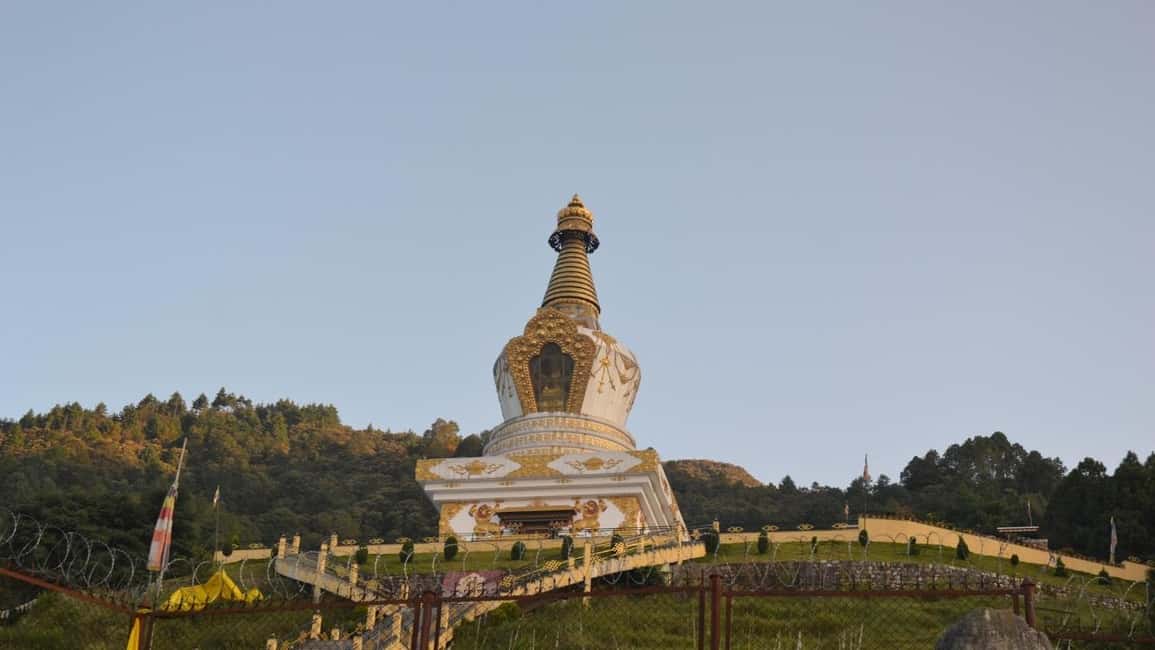
This hike runs on basics. The essentials listed for you are:
- Hiking shoes
- Water
- Rain gear
- Hiking pants
I’d add a few practical items that aren’t listed but fit the reality of Nepal trail days: sunscreen, a light layer for cooler ridge air, and a small snack. Meals and drinks are not included, so plan on buying or carrying what you’ll need.
Also: follow the rules. No smoking, alcohol, or drugs. And no alcoholic drinks in the vehicle. It’s not only a policy thing—it keeps the day safer and calmer.
Price and value: what $61 buys you, and what it doesn’t
At $61 per person for an approximately 8-hour day, you’re paying for more than walking. You get:
- Hotel pickup and transfers
- a professional English guide
- entrance fees
- a first aid kit
What you don’t get:
- meals and drinks
- personal travel insurance
For me, the value comes down to time saved and effort reduced. In Kathmandu, the cost of transport alone can add up fast, and you’ll appreciate having entrance fees and routing handled. If you’re comfortable navigating on your own and you already have a solid plan, you might do it cheaper. But if you want the hike to feel organized and you’d like interpretation of what you’re seeing, this price can feel fair.
Who this day trip is best for (and who should skip it)
This works best for you if you:
- want a mountain hike without a multi-day trek
- like the idea of combining views + cultural stops
- prefer having a guide to help with route flow and explanations
- can comfortably hike for several hours, depending on which route you choose
It’s not suitable for babies under 1 year, people over 95 years, or people over 70 years. If you’re in that upper age bracket, I’d seriously consider a shorter alternative (like the Nagi Gompa style) or ask operators what they can adjust.
Should you book this Shivapuri hiking day trip?
I’d book it if you’re choosing it for the right reasons: clean logistics from Thamel, an English guide, and a trail that can deliver both serious views and meaningful religious stops. The park is close enough to do in a single day, but it’s still wild enough to feel like you left Kathmandu behind.
Before you hit the confirm button, do one thing that can change your day: verify your route and ask how your guide will handle it. If you get a confident guide who knows the trail and explains without taking over the whole day, the hike can feel genuinely rewarding. If you end up with someone who’s unsure, your energy can get spent on stress instead of the scenery.
If you want, tell me which route you’re leaning toward (Shivapuri Peak, Nagi Gompa, or Sundarijal to Chisapani) and your hiking comfort level. I’ll help you pick the best match and what to plan for.
FAQ
How long is the Kathmandu Shivapuri National Park hiking day trip?
The duration is about 8 hours.
Where does the tour start?
It starts from Thamel in Kathmandu, with pickup available.
What hikes are offered in Shivapuri National Park?
Common options include the Shivapuri Peak hike (about 20 km round trip, 5–7 hours), the Nagi Gompa hike (about 5–7 km round trip, 2–4 hours), and the Sundarijal to Chisapani hike (about 15 km, 6–8 hours).
What is the highest point you can hike to?
You can hike to Shivapuri Peak, which is 2,732m.
Are meals included?
No. Meals and drinks are not included.
What does the price include?
It includes transfers to hiking points and transfer back to the hotel, a professional guide, entrance fees, and a first aid kit.
What should I bring for the hike?
Bring hiking shoes, water, rain gear, and hiking pants.
Is the tour in English?
Yes. The live tour guide speaks English.
Is the tour suitable for older travelers or infants?
It is not suitable for babies under 1 year, people over 95 years, or people over 70 years.