REVIEW · TIBET
6 Days Central Tibet Culture Small Group Tour
Book on Viator →Operated by Tibet Vista · Bookable on Viator
A trip to Tibet runs on details, not luck. This 6-day Central Tibet culture tour stacks major sacred stops with real road views and a small-group pace.
What makes it interesting is how much is handled for you: permits, airport pickup, local English-speaking guidance, and the day-to-day logistics on a minibus. You’ll also get that hands-on feel from cycling and walking in Lhasa instead of just hopping between gates.
I especially like the way it keeps the group small (max 12) so your guide can actually answer questions and help you stay on track. I also like that the route includes big altitude moments—high passes and mountain viewpoints—so you see how central Tibet really looks and feels, not just the inside of temples.
One consideration: this is a tight cultural circuit, and your days start early with driving. If you want a slow, no-pressure vibe (or lots of free time), you may feel it’s a bit schedule-heavy.
In This Review
- Key things you’ll notice fast
- Why this 6-day Central Tibet plan works better than big-bus tours
- Lhasa sacred core: Potala Palace, Jokhang Temple, and Barkhor’s kora energy
- Potala Palace: the winter palace side of Tibetan leadership
- Jokhang Temple: where the walking crowd keeps moving
- Barkhor Street: do a kora and feel the market pulse
- Drepung and Sera: monastery depth with real afternoon timing
- Dadong Village + Drepung Monastery: ancient village calm, then big monastery life
- Sera Monastery: monks’ debate window is the highlight
- The road trip to Shigatse and Gyantse: high passes, glacier views, and flag moments
- Gyantse: Pelkor Monastery and Kumbum Stupa in a smaller historic city setting
- Tashilunpo Monastery: the Shigatse finale that gives context to the region
- Why this monastery finish matters
- Permits, English guides, and the on-the-ground support you’re paying for
- Tibet permit: included, and paperwork is handled
- Visa nuance if you’re coming via Kathmandu
- Your guide and driver matter more than you think
- Hotels, meals, and water you don’t have to think about
- Price and value: is $799 fair for this much Tibet?
- Should you book this Central Tibet tour or choose a slower plan?
- FAQ
- What is included in the tour price?
- How large is the group?
- Are site entrance tickets included?
- Do I need a Tibet permit, and is it covered?
- How does airport pickup work in Lhasa?
- When do I have to leave Tibet?
- What is the latest date to cancel for a full refund?
Key things you’ll notice fast
- Max 12 people means more human pacing and fewer “herd herding” moments.
- English-speaking Tibetan guides who can explain what you’re seeing, not just read signs.
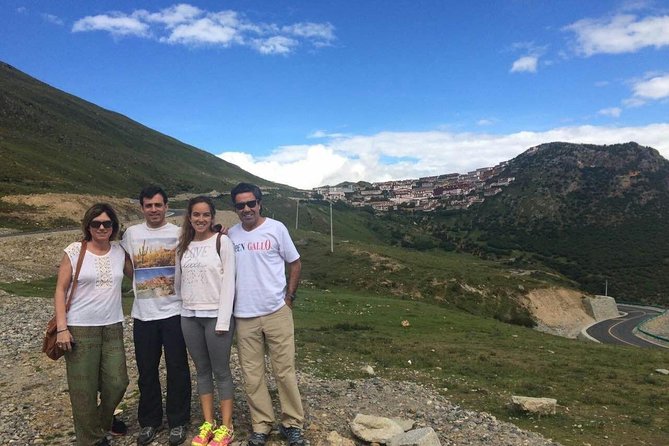
- Real road-day altitude: Gampala Pass (4,790m) and Yamdrok-tso (4,400m) are part of the drive.
- Monastery highlights you can feel: Sera’s monks’ debate happens in the afternoon window.
- Permits + travel formalities handled (tibet permit included in the price).
- Two styles of city time in Lhasa: cycling through streets plus a walking tour around the sacred core.
Why this 6-day Central Tibet plan works better than big-bus tours
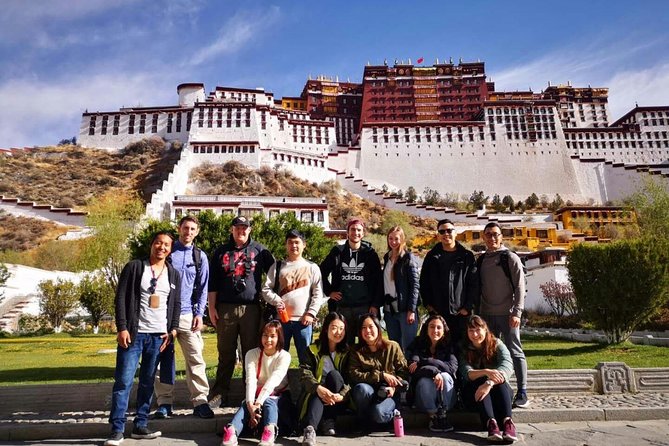
Tibet is not a place where you want to feel anonymous. This tour keeps the group capped at 12, and that small size changes everything—timing, questions, and even how quickly you can find the rhythm of each stop.
You’ll move by comfortable van or minibus with an experienced local driver, with gasoline included. That matters because long stretches of road are part of the point here. Central Tibet isn’t “museum hopping.” It’s altitude, distance, and sudden changes in scenery as you go from city streets to mountain passes.
Another thing I like: the tour doesn’t just list temples. It builds a full day around Lhasa’s sacred zone (including the market street feel) and then connects it to monastery visits outside the city. That mix helps you understand Tibet as a living culture, not just a checklist.
You can also read our reviews of more tours and experiences in Tibet
Lhasa sacred core: Potala Palace, Jokhang Temple, and Barkhor’s kora energy
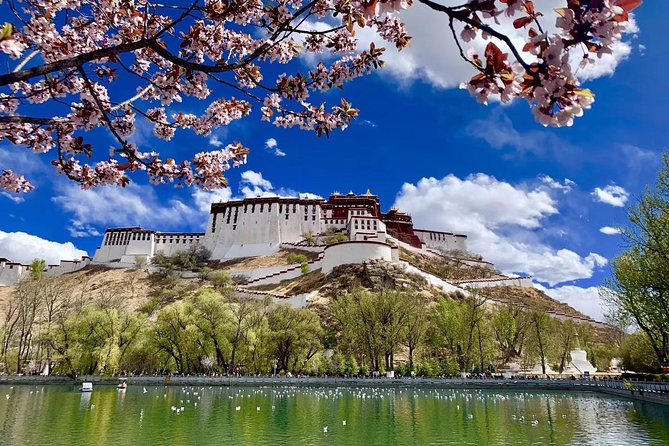
In Lhasa, the big-ticket stops are also the ones you should visit with the right mindset: slow down and let the place do the talking.
Potala Palace: the winter palace side of Tibetan leadership
You’ll start with Potala Palace, described here as the winter palace of the Dalai Lama. Even if you’ve seen photos, Potala hits differently in person. The scale is obvious, but what’s easy to miss online is the way the palace sits within the whole sacred geography of Lhasa.
Plan on about 1 hour 30 minutes, and note that the site admission ticket is not included in the day details shown. (The overall tour does include entrance fees for listed sites—so pay attention to how your specific booking confirms each ticket.)
Jokhang Temple: where the walking crowd keeps moving
Next is Jokhang Temple, a major spiritual center founded in the 7th century. You’ll have around 1 hour 30 minutes, and you can expect to see religious life happening around you—not staged. Jokhang is also the kind of place where a good explanation helps you notice details you’d otherwise breeze past.
Barkhor Street: do a kora and feel the market pulse
After Jokhang, you’ll reach Barkhor Street, where people do kora—religious walking circles around important sites. You’ll spend around 30 minutes here, and the timing matters. The street energy is different depending on when you arrive.
One practical perk: the tour includes a chance to taste Tibetan tea with locals during the experience. That’s not just food—it’s a quick way to connect the sacred and everyday parts of Lhasa.
My advice: Wear shoes you can walk in comfortably. Barkhor’s surroundings are active and you’ll be moving through crowds and old-market lanes.
Drepung and Sera: monastery depth with real afternoon timing
Lhasa’s monasteries are famous, but not all visits feel the same. This tour pairs two that balance history with lived-in religious practice.
Dadong Village + Drepung Monastery: ancient village calm, then big monastery life
On the next day, you’ll visit Dadong Village first—an ancient Tibetan village about 25 kilometers southwest of central Lhasa. The route to it is part of the experience: you’re stepping away from the densest city areas before coming back into the monastery world. You’ll have about 4 hours here, and the site admission ticket is listed as not included in the snippet.
Then you’ll head to Drepung Monastery (Zhebang Si). Drepung matters because it’s tied to the Gelug tradition’s major “great monasteries” network. If you’re trying to understand how Tibetan Buddhism organized scholarship and practice, this is a strong stop.
Good to know: You’ll likely be dealing with changing weather and stronger sun than you expect. Bring layers even in warmer months.
Sera Monastery: monks’ debate window is the highlight
In the afternoon, you’ll visit Sera Monastery, another Gelug “great three” monastery. The famous moment here is the monks’ debate, typically around 3 to 5 in the afternoon. Admission is listed as included for this stop.
That debate isn’t just entertainment. It’s a living demonstration of how argumentation, memory, and meaning are taught—fast, loud, and genuinely focused. Even if you don’t follow every word, you’ll feel the structure.
The road trip to Shigatse and Gyantse: high passes, glacier views, and flag moments
This is where the tour starts feeling like a true central Tibet driving experience.
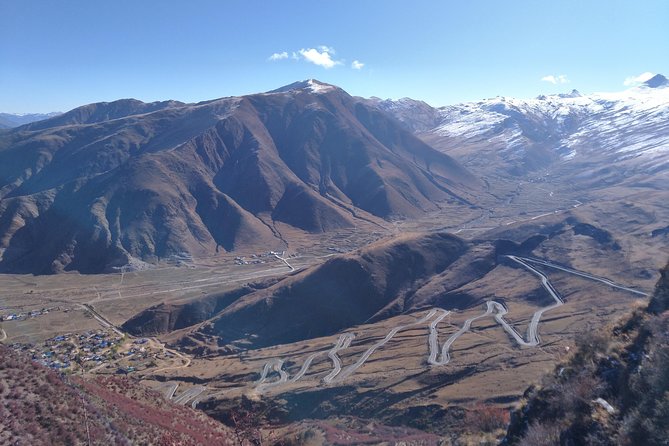
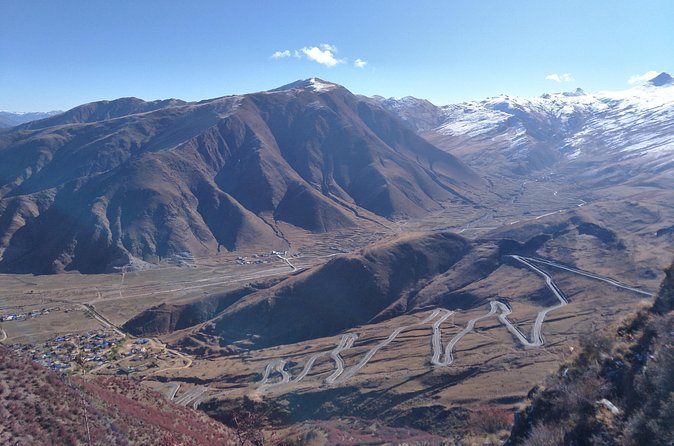
After Lhasa, you’ll drive toward Shigatse, which includes viewpoints and passes on the way. The tour notes the Gampala Pass at 4,790m, plus a glimpse of Yamdrok-tso (about 4,400m). These aren’t side notes—they’re the reason the driving day has value. Tibet’s scale is easier to grasp when you’re looking down from high points at real distances.
Along the route, you’ll also pass and enjoy the Karo La Glacier on the roadside. You’ll then make stops around Manak Dam Lake, and there’s even a moment to hang pray flags at Simila Mountain Pass.
Gyantse: Pelkor Monastery and Kumbum Stupa in a smaller historic city setting
Later, you’ll arrive in Gyantse, described as Tibet’s third-largest city after Lhasa and Shigatse. Here you’ll see Pelkor Monastery and the Gyantse Kumbum (Kumbum Stupa).
This part of the day gives you a different flavor than Lhasa. Gyantse feels more compact, and that makes the monastery and stupa details easier to absorb without feeling rushed into massive crowd pressure.
One reality check: driving days mean you need patience. You’ll spend a lot of time in a vehicle, but the tour’s structure adds multiple viewpoints and a glacier stop so the day doesn’t feel like pure transit.
Tashilunpo Monastery: the Shigatse finale that gives context to the region
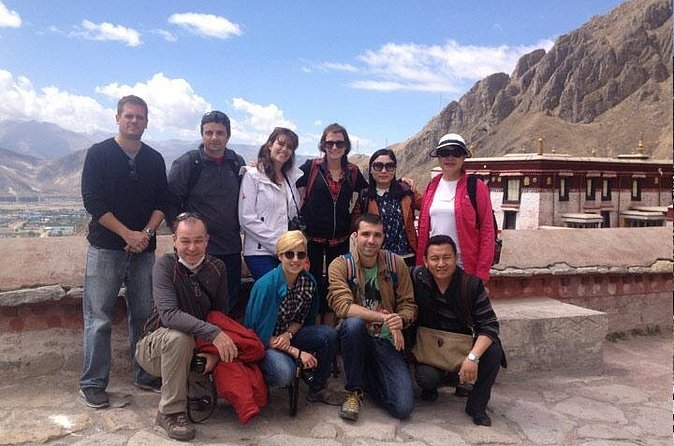
In the morning of the final full sightseeing day, you’ll visit Tashilunpo Monastery, home of the Panchan Lama (as described in the tour notes). This stop includes time to see the well-preserved largest statue of Jampa (the future god) in the world.
You’ll have about 2 hours at the monastery, with admission listed as not included in the stop snippet. Still, the tour package includes entrance ticket fees for sites included in the route, so confirm how tickets are handled in your final confirmation.
Why this monastery finish matters
This is a good “wrap” stop because it connects the spiritual world you saw in Lhasa with the broader Tibetan religious landscape. The monastery itself helps you understand why these cities matter beyond their famous names.
Permits, English guides, and the on-the-ground support you’re paying for
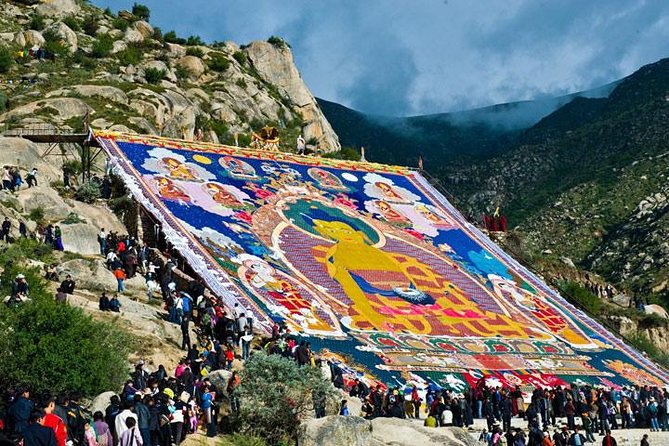
You’re not just paying for sightseeing. In Tibet, you’re paying for the stuff that makes the trip possible.
Tibet permit: included, and paperwork is handled
The tour includes the Tibet travel permit and other necessary permits. The tour also claims a 100% guarantee to get your Tibet permit for free (and positions itself as a local agency with offices in Lhasa, Kathmandu, and Chengdu). Even if you don’t care about the corporate story, the practical point is clear: permit processing is built into the package.
You’ll be asked to provide photocopies of your passport and China L visas at least 20 days prior to travel. That’s not optional if you want smooth processing.
Visa nuance if you’re coming via Kathmandu
The notes also make a key point if you’re flying to Lhasa from Kathmandu: don’t apply for the China L visa in advance. You need the Tibet group visa via the travel agency process in Kathmandu, and you should request an invitation letter from the tour supplier.
If you fly or take a train to Lhasa from another city in China, the China L visa needs to be applied for through your home country’s process (as described in the notes). That’s the kind of detail that saves headaches later.
Your guide and driver matter more than you think
In this kind of tour, an experienced guide changes the experience. The tour runs with an English-speaking Tibetan guide, and groups have been led by guides such as Lodsang/Ladsong, Lhakdon, Ngawang, Tseyanh, and Tserina. The driver support has included people like Penpa, and the common thread is practical, careful pacing so you don’t get lost in logistics.
Even if your guide name differs, look for this kind of behavior: punctual starts, clear explanations, and real care for keeping everyone together—especially when you’re visiting multiple religious sites in one day.
Hotels, meals, and water you don’t have to think about
The tour includes hotels on a twin-sharing basis with breakfasts (5 breakfasts). There’s also drinking water provided during the trip, plus a welcome dinner in a local restaurant when you meet in Lhasa.
It’s also worth noting what isn’t included: lunches and dinners. The guide can usually suggest good options, but you’ll want to plan your budget around eating out.
Price and value: is $799 fair for this much Tibet?
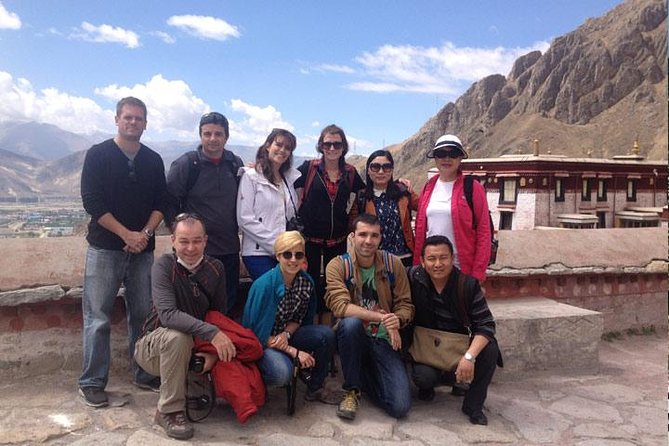
At $799 per person (based on double occupancy), you’re paying for more than “transport and entry tickets.”
Here’s what stands out as value drivers in the included package:
- Tibet permit + necessary permits included
- Airport pickup and drop-off in Lhasa
- Comfortable van/minibus with an experienced local driver and gasoline included
- English-speaking Tibetan guide across multiple days
- Hotels (twin-sharing) with breakfasts
- Entrance ticket fees for tourist sites listed in the route
- Liability travel insurance and basic travel support items (like a Tibet Handy Map)
When you compare that to trying to piece everything together yourself, the permit and the ground transfers are usually what make or break the trip. Add hotels and guide time, and the package feels like it’s built to reduce friction.
Two cost cautions:
- Single room supplement is subject to availability and adds cost.
- Your biggest daily extra expense will be lunches and dinners, plus tips to the driver and guide (not included).
My take: For a short 6-day window in Tibet, $799 can be solid value if you want a guided structure and you don’t want to wrestle with permits, timing, and logistics.
Should you book this Central Tibet tour or choose a slower plan?
Book this if:
- You want a small-group Tibet experience (max 12) with a guided pace.
- You care about seeing key religious sites in Lhasa, then moving into Shigatse/Gyantse on the road.
- You’d rather spend energy on the culture than on permits and daily coordination.
Consider a different style if:
- You want more free time each day. This is a structured circuit, with early starts and long driving segments.
- You dislike that meals like lunch/dinner and tipping aren’t built in.
If your priority is a well-organized first Tibet trip with serious highlights—Potala, Jokhang/Barkhor, Sera’s debate timing, and major monasteries in Shigatse—this is the kind of plan that saves you a lot of guesswork.
FAQ
What is included in the tour price?
The tour includes Tibet travel permit and other necessary permits, transportation by van or minibus with an experienced local driver (gasoline included), an English-speaking Tibetan guide, welcome dinner in a local restaurant when meeting in Lhasa, liability travel insurance, drinking water, a Tibet Handy Map, airport pickup and drop-off, twin-sharing hotel rooms with breakfasts, and entrance ticket fees for the tourist sites listed in the itinerary.
How large is the group?
This tour has a maximum group size of 12 travelers.
Are site entrance tickets included?
Entrance ticket fees for the sites listed in the route are included in the tour package.
Do I need a Tibet permit, and is it covered?
Yes, a Tibet permit is required, and the tour package includes the permit and other necessary permits.
How does airport pickup work in Lhasa?
The tour includes airport pick up and drop off in Lhasa. The additional information also notes that pickup/drop-off in Lhasa needs to be arranged by the tour supplier.
When do I have to leave Tibet?
You have to leave Tibet by air or flight because your Tibet permit is limited for this tour. If you want to stay longer, you’ll need to book another tour or arrange additional drop-off help.
What is the latest date to cancel for a full refund?
You can cancel up to 6 days in advance of the experience for a full refund.
—
If you tell me your travel month and whether you’re flying from Kathmandu or elsewhere, I can help you sanity-check how your permit/visa timeline should line up with the 20-day document requirement.