REVIEW · SHIMLA
Guided Heritage Walk Tour in Shimla
Book on Viator →Operated by Himachal Bylocals · Bookable on Viator
Shimla’s history is easier on foot. This guided heritage walk strings together the city’s standout landmarks—Christ Church, the Mall Road corridor, and an ending stop at the Indian Institute of Advanced Study—so you learn while you’re walking.
I especially like how the guide connects the dots between architecture and everyday life. In the groups led by local guides like Sanjay and Raju, you get clear explanations (and real care for the pace), and you pass major sights including the Gaiety Theatre, the General Post Office, Betink’s Castle, the Imperial Bank, and the Railway Board Building. One thing to consider: the route can be a bit strenuous at times, and this is a one-way walking tour, so you’ll want to plan your return transportation.
In This Review
- Key things you’ll notice on this Shimla walk
- A guided heritage walk that makes Shimla make sense
- Getting oriented at Christ Church (and keeping it simple)
- The Mall Road start: a straight line to British-era Shimla
- The real meat of the walk: Shimla’s heritage core on foot
- Betink’s Castle and the city’s Tudor-style look
- Gaiety Theatre and the General Post Office: culture meets administration
- Imperial Bank and the Railway Board Building: why institutions mattered
- Ending at the Indian Institute of Advanced Study (IIAS)
- Price and tickets: what $31 covers, and what costs extra
- Pacing, comfort, and weather: make the walk easier
- Where you’ll likely use public transport (and why it helps)
- Who this Shimla heritage walk suits best
- Should you book the Shimla guided heritage walk?
- FAQ
- How long is the Guided Heritage Walk in Shimla?
- Where does the tour start and where does it end?
- What’s included in the price?
- Is an admission ticket included for the major sites?
- Is transport provided during or after the tour?
- Is there a mobile ticket?
- How big is the group?
- What happens if the weather is poor?
Key things you’ll notice on this Shimla walk
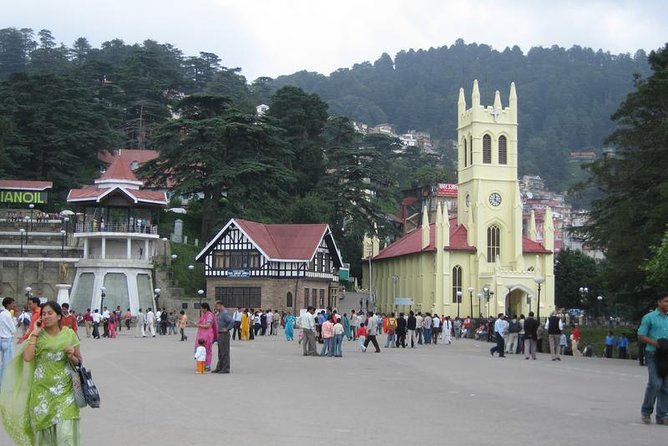
- Christ Church start: a quick, free stop that sets the tone for Shimla’s colonial-era story
- Mall Road orientation: the main street’s British-era character gives you an easy mental map fast
- Betink’s Castle and Tudor-style buildings: you’ll learn why the look of Shimla matters, not just what’s where
- Gaiety Theatre and the General Post Office: two famous landmarks that frame the city’s role as a hub
- End at IIAS: you finish at a major research-and-academics landmark, not just another viewpoint
- Small group size: with a maximum of 15 travelers, it’s easier to move together
A guided heritage walk that makes Shimla make sense
Shimla can feel like a hillside city of stops and viewpoints. This walk is different because it’s built like a story: you start with Christ Church, move onto the Mall, then keep rolling through the old core where British-era buildings and institutions shape the skyline. By the time you reach the Indian Institute of Advanced Study (IIAS), you’ve got the “why” behind the “what.”
If you like history that’s tied to real streets, you’ll enjoy the way the guide points out patterns—especially the city’s signature TudorBethan and neo architectural styling. And because it’s a proper walking tour, you don’t just look at buildings from one angle. You get a sequence of views as the road slopes and turns.
You can also read our reviews of more walking tours in Shimla



Getting oriented at Christ Church (and keeping it simple)
The tour meets your guide at the main entry gate of Christ Church. It’s a short start—about 10 minutes—and the good news is you’re not paying an extra entry fee for that stop.
Why this first step works: Christ Church gives you context early. Shimla’s heritage isn’t only about pretty facades; it’s also about institutions—churches, offices, banks, boards—put in place to serve a hill station. Starting here helps you understand the rest of the landmarks without feeling lost.
Practical tip: give yourself a moment to settle in and confirm you’ve got the right group before you start. Since the tour is small (up to 15), it helps to match pace quickly so you’re not straggling when the walk gets underway.
The Mall Road start: a straight line to British-era Shimla
Next comes the Mall Road, Shimla’s main street, and you’ll spend around 15 minutes here. The guide uses this stretch to get you oriented. The Mall is known for its British colonial build, so you’re walking on a corridor that was designed for a particular kind of city life—administration, leisure, and social movement.
This is one of my favorite parts of the early itinerary because it’s low pressure. You’re not climbing through random lanes. You’re moving along the city’s big spine, which makes it easier to “read” Shimla as you continue.
What to watch for: along the Mall and nearby streets, the guide points out how buildings relate to one another—like the way civic buildings, theaters, and banks sit next to each other and create the city’s identity. If you’ve ever felt like heritage walks are just a list of names, this one tries to make the street layout feel logical.
The real meat of the walk: Shimla’s heritage core on foot
After The Mall, you spend most of the time in the Shimla Heritage Walk area (the walking portion is about 3 hours total for the whole experience). This is where you’ll get the densest collection of landmarks and explanations.
Here’s what you can expect to see and learn:
- The Gaiety Theatre, which helps explain Shimla as a cultural center, not just a mountain stop
- The General Post Office, a reminder that communications and administration mattered as much as scenery
- Betink’s Castle, a landmark tied to local heritage storytelling
- The Imperial Bank and the Railway Board Building, which show how finance and transport shaped the hill station’s growth
One of the standout things about this style of walk is how the guide makes architecture feel practical. You’re not only learning names. You’re learning what the buildings suggest about the era—why certain styles show up, and how institutions set up a city for visitors and administrators.
And yes, you’ll get plenty of views. The walk is paced so you can look around as you go, not just keep your eyes on your footing. In past groups, guides have been praised for sharing lots of context, while also slowing down when needed.
Betink’s Castle and the city’s Tudor-style look
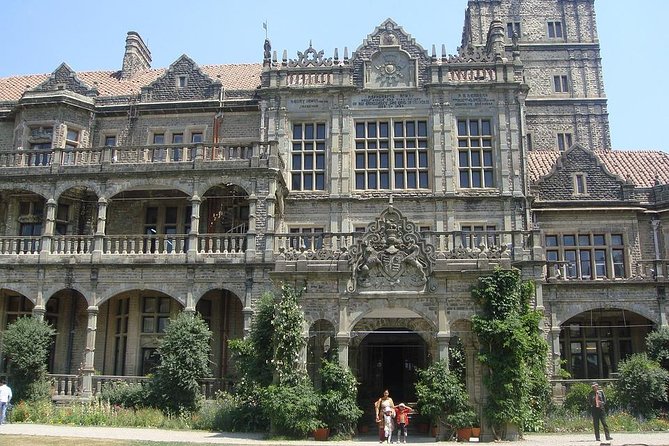
A lot of people come to Shimla for scenery. But if you’re interested in why Shimla looks the way it does, pay attention here.
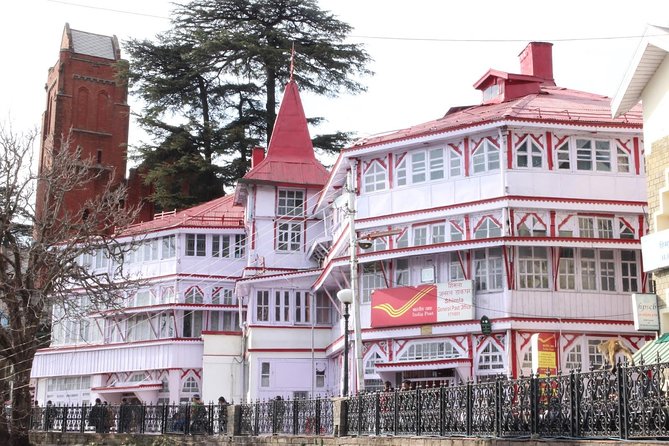
Betink’s Castle comes up as a key stop, and it fits into the larger theme the guide uses throughout the walk: Shimla’s buildings include Tudorbethan and neo styling, reflecting the city’s colonial-era character. When you understand that, Shimla stops looking like random old buildings and starts looking like an intentional design language.
If you want photos, this is where you’ll naturally pause a bit—because those facades and angles look good from multiple sides. The route isn’t just for picture-perfect moments; it’s for noticing details you’d miss if you only visited landmarks one-by-one by taxi.
You can also read our reviews of more guided tours in Shimla





Gaiety Theatre and the General Post Office: culture meets administration
Two of the best-known names on this walk are the Gaiety Theatre and the General Post Office. Together, they help you understand Shimla’s balance: the city wasn’t only about governance and services. It was also where people went for entertainment and social life.
The theatre stop is also tied to ticket costs for foreign visitors (more on that soon). Even if you’re not thinking about entrances, the guide’s explanation helps you see the theatre as part of the city’s identity, not just a building you pass.
The General Post Office does a similar job: it signals that Shimla functioned as a working hub. When the guide connects that to the broader heritage story, it makes the architecture feel grounded in real purpose.
Imperial Bank and the Railway Board Building: why institutions mattered
Shimla’s story isn’t only about pretty streets and old churches. It’s also about how the city connected people and resources. Stops such as the Imperial Bank and the Railway Board Building show the institutional backbone behind the hill station.
This part of the walk is especially helpful if you’re the type who likes to travel with a mental model. After you hear why transport and finance were important in shaping Shimla’s role, the rest of the walk clicks into place. You start recognizing the city’s rhythm: civic buildings, cultural sites, and service institutions arranged so the whole area worked together.
Ending at the Indian Institute of Advanced Study (IIAS)
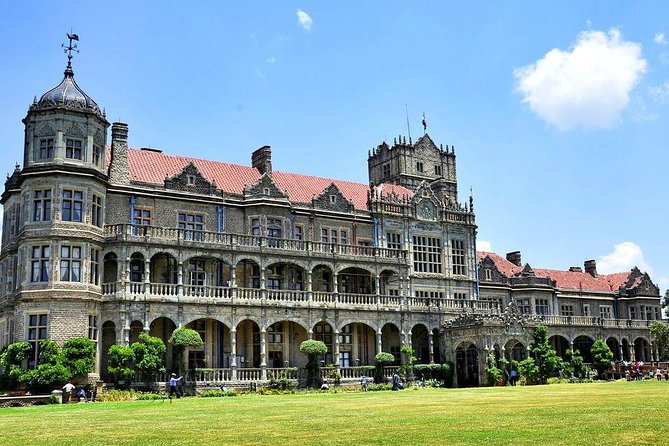
The final stop is Indian Institute of Advanced Study, where the tour ends after around 25 minutes. This matters because it changes the tone of the day. You’re not just winding through older streets—you finish at a major research-and-academics institution.
You should plan for this as the end point. The tour is described as a one-way walk from the Christ Church area to IIAS, and there’s no transport included to take you back to your hotel after the walk ends. So treat IIAS as your “get your ride arranged” moment.
Also note: IIAS is tied to a foreign tourist entrance fee (again, details next).
Price and tickets: what $31 covers, and what costs extra
The price is $31.00 per person and it’s commonly booked about 10 days in advance. That timing makes sense in Shimla—small groups and limited schedules mean early booking helps.
What you get in the base price:
- a local English-speaking guide
- bottled water
- the guided walking route (one-way from Christ Church area to IIAS)
What costs extra:
- Entrance fees for Gaiety Heritage Cultural Complex + IIAS for foreign tourists: ₹700.00 per person
- Meals (not included)
Is it good value? For me, yes—because you’re paying for guidance and a structured route through multiple major landmarks in about 3 hours. If you’re doing Shimla anyway, the guide is what turns random sights into a connected story. And bottled water is a small but real comfort on a walk.
Just budget for the entrance ticket if you’re a foreign tourist, and factor in your own transportation back after IIAS.
Pacing, comfort, and weather: make the walk easier
This tour requires good weather. If poor conditions cancel it, you’ll be offered another date or a full refund. That’s a big deal in hill stations, where visibility and comfort can change fast.
As for physical comfort: the walk can be a bit strenuous at times. The good part is that guides in past groups have been willing to take it slowly and adjust to the group’s pace. Still, don’t assume this will feel like a flat city stroll.
Bring:
- sturdy walking shoes (Shimla’s slopes can turn a “short” walk into a leg workout)
- a light layer you can manage with changing temps
- sun protection if the day’s bright
Where you’ll likely use public transport (and why it helps)
Hotel pickup and drop-off aren’t included. The meeting point/start is listed near Viceregal Lodge (Rashtrapati Nivas) area, and the walk begins at Christ Church’s main entry gate. Since public transportation is listed as nearby, you’ll likely find it easier to reach the start on your own.
After IIAS, there’s no included transport back to your hotel or back to Christ Church—so plan a ride or next segment in advance. The most annoying travel day is the one where you get to the end point and then spend 20 minutes figuring out how to get home.
Who this Shimla heritage walk suits best
This is a good fit if:
- you want an organized way to see Shimla’s core without hopping between sites by taxi
- you like walking tours that explain the “why” behind buildings and institutions
- you prefer a small group size (maximum of 15) so the guide can respond to your pace
It’s also a smart choice for first-timers who want to get your bearings fast. The Mall Road orientation plus the church start make it easier to understand the city structure for the rest of your stay.
If you dislike slopes, struggle with longer walks, or want guaranteed vehicle support throughout, you may feel more comfortable pairing this with other activities rather than treating it as your only outing.
Should you book the Shimla guided heritage walk?
Book it if you want a practical, guided route through Shimla’s main heritage markers—especially if you care about how the city’s colonial-era institutions shaped what you see today. At about 3 hours, it’s long enough to feel like you learned something, but short enough to still enjoy the rest of your day.
Pass or plan carefully if:
- your schedule can’t handle weather-dependent tours
- you need transport included end-to-end (because the walk is one-way and you arrange your ride after IIAS)
- walking slopes are an issue for you
If you can handle that, you’ll likely walk away with a clearer picture of Shimla—church to post office to theatre to research institute—without the usual sightseeing scatter.
FAQ
How long is the Guided Heritage Walk in Shimla?
It’s approximately 3 hours.
Where does the tour start and where does it end?
You meet your guide at the main entry gate of Christ Church. The tour ends at the Indian Institute of Advanced Study (IIAS). Hotel pickup and drop-off aren’t included.
What’s included in the price?
Included items are bottled water, a local English-speaking guide, and the walking tour (one way from Christ Church to IIAS).
Is an admission ticket included for the major sites?
Admission is not included for some stops. The entrance fee for Gaiety Heritage Cultural Complex + IIAS for foreign tourists is ₹700 per person.
Is transport provided during or after the tour?
No. Hotel pickup and drop-off are not included, and there’s no transport included from IIAS to your hotel (or back to Christ Church).
Is there a mobile ticket?
Yes, the tour offers a mobile ticket.
How big is the group?
The maximum group size is 15 travelers.
What happens if the weather is poor?
This experience requires good weather. If it’s canceled due to poor weather, you’ll be offered a different date or a full refund.