REVIEW · KATHMANDU
Shamanism Tour in Nepal – One-to-one Consultation with Sharmans
Book on Viator →Operated by Eyes On Nepal · Bookable on Viator
Fortune-telling meets Himalayan healing in Kathmandu. This one-to-one Bon Shaman consultation with Himalayan Bon Shamanism near Thamel gives you a close-up look at how divination and healing work, right down to what the shaman will and won’t address for you. I also like that it’s private, so you’re not squeezed into a crowd while you ask personal questions.
I also love how guide Siddartha prepares you before you go in, with clear translation so you understand the process instead of guessing. That matters a lot in a setting like a temple healing center, where the point is guidance, not performance.
One consideration: the consultation is driven by what the shaman senses. If there’s little to no negative energy, your past/present/future reading may stay limited, and some people felt the session could feel short for the $40 price.
In This Review
- Key points before you go
- Bon Shamanism in Kathmandu: what you’re really paying for
- Finding the healing center near Thamel (and why the location matters)
- What happens before you sit down: observe, then consult
- The consultation: divination, energy checks, and limits you should know
- Rituals and healing techniques: what you can expect on the day
- Siddartha as your translator and context-maker
- How long it takes, and why timing affects value
- Price and logistics: $40, mobile ticket, and what’s included
- Etiquette and practical prep: bathing, respect, and timing rules
- Who should book this one-on-one shaman consultation?
- So, should you book it?
- FAQ
- Where does the Shamanism Tour start and end?
- How long does the consultation take?
- Is this tour private?
- What’s included in the $40 price?
- What costs are not included?
- How do mobile tickets work here?
- How close is the temple to Thamel?
- Will I definitely get a past/present/future reading?
- Is it okay to go during the first days of a period?
- Is bathing expected before the visit?
Key points before you go
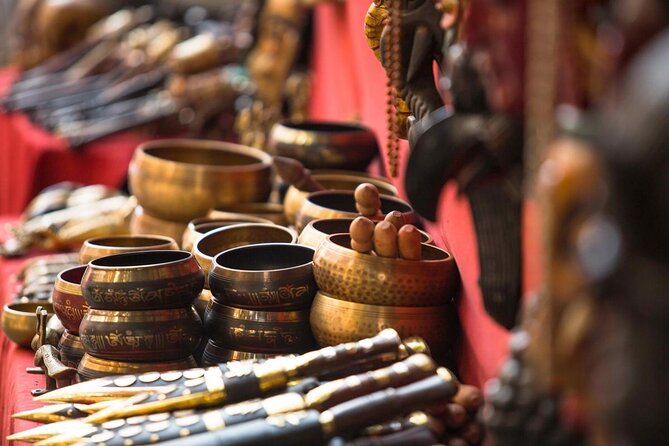
- Private one-to-one consultation in a real temple healing-and-training setting near Thamel
- Watch first, then consult: you can observe how the shaman works with local visitors
- Divination + counseling focused on negative spirits/energy and how to handle it
- Siddartha’s translation and expectation-setting helps you follow what’s happening
- Budget for add-ons like donations at the center and tipping
Bon Shamanism in Kathmandu: what you’re really paying for
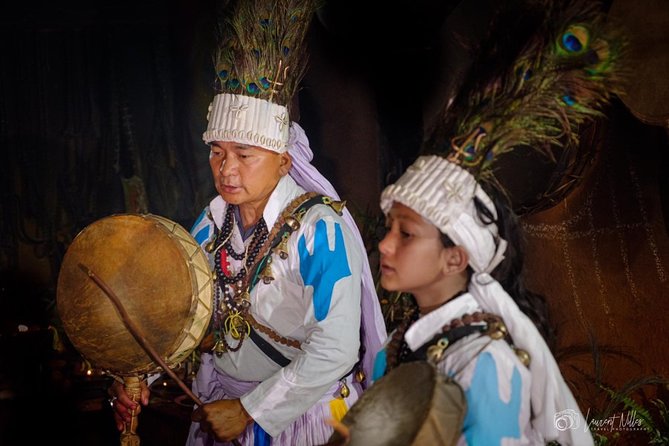
Kathmandu is full of sights, but this experience is different. You’re not buying a shortcut to history on a postcard. You’re paying for a personal spiritual consultation at a working temple healing center run by a Traditional local shaman—part diviner, part counselor, and part healer.
The tour frames Himalayan Bon Shamanism as the world’s oldest practice, and it treats shamanism as something woven into everyday Nepal life rather than a staged show. Even if you’re skeptical, you can still respect the fact that people take this seriously here. And if you’re open-minded, this can be a genuinely emotional and self-reflective hour or so.
The big value, for me, is the combination of one-on-one time and context. You’re guided through what to expect, then brought into the setting where rituals and healing happen, then—most importantly—you get personal consultation rather than a generic talk.
You can also read our reviews of more tours and experiences in Kathmandu.


Finding the healing center near Thamel (and why the location matters)
The temple and healing center is within walking distance of Thamel, which is a practical win. You can fit this into a normal Kathmandu day without fighting long commutes or complicated timing.
Also, being near public transportation helps. If your first day in Kathmandu is chaotic—jet lag, getting your bearings, trying to find your first ATM—this kind of nearby plan can save you stress. The activity starts at P8F3+WX, Kathmandu 44600, and it ends back at the meeting point, so you don’t need to coordinate a return on your own.
There’s also a detail I appreciate: the stop is described as both a place for training and a treatment center. That changes the feeling. You’re not just stepping into a tourist attraction; you’re stepping into a working spiritual space.
What happens before you sit down: observe, then consult
Before you’re in the shaman’s consultation space, you’re encouraged to observe. The idea is simple: watch how the shaman consults and heals local visitors first, so you can mentally prepare for what might happen during your own session.
That advice isn’t just polite. It’s practical. In a setting like this, people can interpret rituals in different ways. Watching first helps you notice things like tone, pacing, and how questions get addressed. It also helps you stay calm if you’re surprised by how direct some parts feel.
Some sessions may include ceremonies already in progress when you arrive. If that’s the case on your day, it can make your visit feel more alive and less scripted—more like you walked in on real practice than you scheduled a performance.
The consultation: divination, energy checks, and limits you should know
The heart of this tour is the one-to-one consultation. The tour describes the shaman’s role as offering spiritual divination healing and counseling. You’ll be guided to the idea that shamans can act like early psychologists—seeking patterns between your concerns and what they sense around your body and spirit.
Here’s the key part for managing expectations: the tour materials and guidance emphasize that the shaman focuses on negative spirits/energy. If they don’t sense anything negative, they may avoid disturbing the positive energy that’s already present. In plain terms: you’re not guaranteed a deep reading about past, present, and future. You’re getting a consultation that depends on the shaman’s spiritual assessment.
So what might you discuss? The experience overview says you can receive information about your health (past, present, and future) and that part of the process may include removing negative spirits from your body. But the practical reality is that the consultation can shift based on what’s sensed in your case.
This is also why I think the pre-visit preparation from Siddartha matters so much. The guide is there to explain the process and set boundaries on what the shaman can and cannot do, so you’re not blindsided by the session being more subtle—or shorter—than you expected.
Rituals and healing techniques: what you can expect on the day
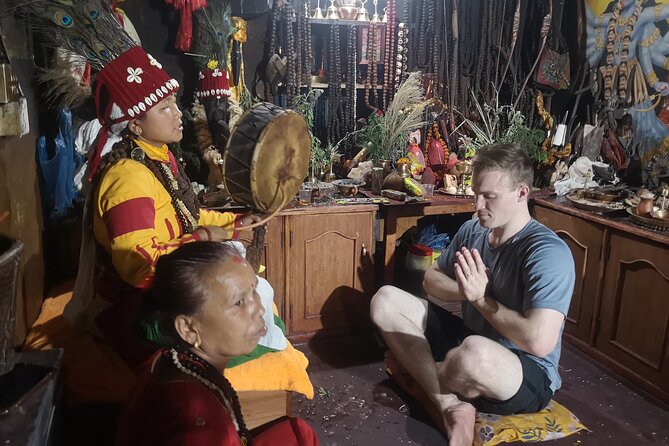
The tour describes Himalayan shamanic healing techniques and counseling as part of the experience, and you may see ceremonies in progress when you arrive. That said, the exact mix can vary by day.
What you can count on is the structure: observe first, then participate in your consultation. The shaman may perform rituals and blessings as part of the healing/divination process. Your guide’s translation and explanation are what will let you follow what’s going on, especially if you’re not familiar with shamanic symbolism.
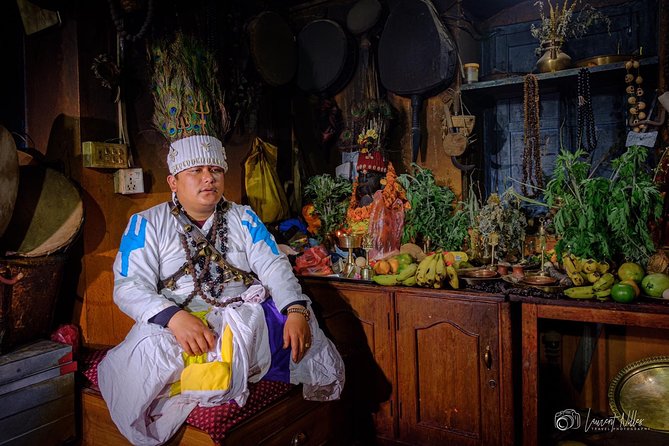
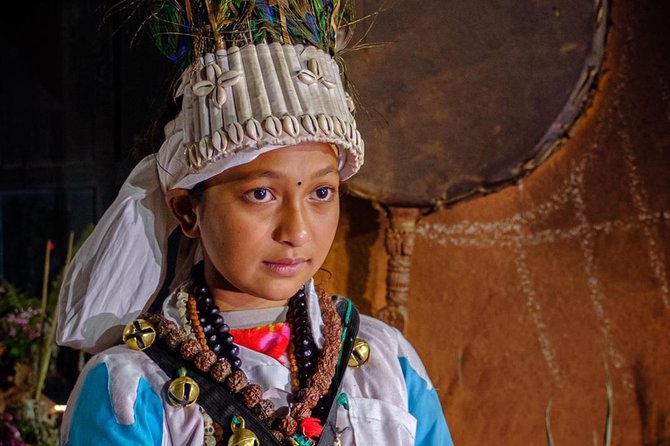
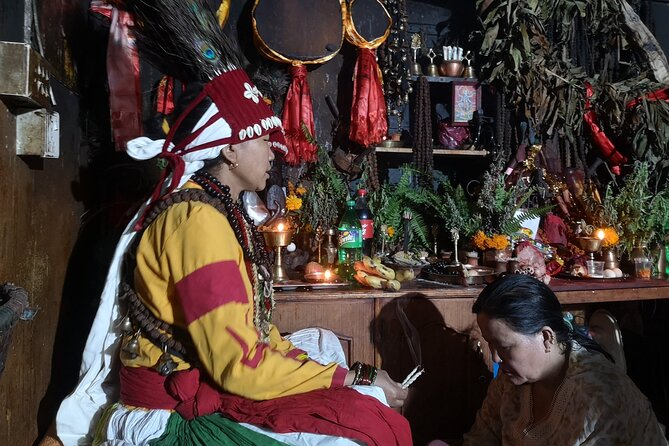
It’s also worth noting a practical, sometimes overlooked point: sometimes a shaman may not be dressed in what you expected to see from an image online. One concern that came up was that the shaman’s attire differed from what some people expected. The practical takeaway for you is simple—don’t rely on visuals for authenticity. Focus on the guidance, the process, and the way the ceremony is conducted.
Siddartha as your translator and context-maker
A lot of spiritual experiences fall apart when language becomes a wall. This one tries hard to avoid that.
Siddartha is the guide/translator tied to this experience, and the reviews highlight that he explains what to expect clearly and helps translate during the session. That means you’re more likely to understand:
- how the consultation works
- what the shaman is trying to assess
- what kind of answer you should expect (and what not to expect)
I also appreciate that the guide helps you prepare mentally and spiritually, especially since you’re going into a temple healing center. Even if you’re not religious, having a calm explanation before you go in helps you participate with respect instead of confusion.
How long it takes, and why timing affects value
Duration is listed as about 1 hour to 1 hour 30 minutes. That gives you a comfortable window, especially on a travel day.
But there’s a reality check: if the shaman senses little or no negative energy, your session may be shorter or more limited. Some people felt their experience was fairly brief, and others mentioned that the focus is on removing negative energy, not on giving a guaranteed reading.
So the best way to think about the timing is not as a fixed script. It’s an experience that responds to what the shaman finds.
If you want a practical planning strategy: pick a time when you don’t have to rush to dinner, another booking, or an early departure. Build in cushion.
Price and logistics: $40, mobile ticket, and what’s included
Let’s talk money and structure.
- Price: $40.00 per person
- Includes: one-to-one consultation, bottled water, and a guide/translator (Siddartha)
- Not included: donation in the healing center, tipping the guide, and meals
- Ticket: mobile ticket
- Confirmation: you should receive confirmation at booking time
That’s fairly straightforward. The main question is whether the consultation feels worth $40 for you.
Here’s my balanced take: this price isn’t paying for a long tourist itinerary. It’s paying for a personal appointment in a spiritual setting, with translation help and bottled water. If you’re hoping for a guaranteed dramatic prophecy or a long sit-down session, you may feel disappointed. If you want a real cultural meeting and you’re open to the shaman’s process, it can feel like good value.
Also, the tour is private. That matters when you’re paying for personal time. You’re not sharing attention with strangers.
One more logistics note: the experience is described as non-refundable and cannot be changed for any reason. If your schedule is fragile, plan carefully.
Etiquette and practical prep: bathing, respect, and timing rules
A couple of etiquette points are directly mentioned in the tour info.
First: it’s suggested to take a bath before going to the shaman temple. You might not know what level of formality is expected, but basic hygiene and cleanliness help you feel grounded. If you’re doing this on a packed travel day, factor in time to freshen up before you go.
Second: the tradition mentioned is that women do not visit the shaman or temple during the first 4 days of their period. This is important. If this applies to you, plan your timing around it. Don’t assume exceptions exist.
Third: respect the space. This is a temple healing center that also trains shamans. Even if the ritual feels unfamiliar, treat the setting with the same respect you’d give any sacred site.
And finally: bring the right mindset. Because this is divination and healing, not a performance, you’ll get more from it if you’re ready to listen and ask questions calmly.
Who should book this one-on-one shaman consultation?
This tour is a good match if you:
- want a personal introduction to shamanism in Kathmandu, not a generic lecture
- are comfortable with spiritual practices that aren’t western medical or psychological models
- appreciate clear translation and a guide who explains the process up front
- want reflection time after you leave, not just photos
You might want to skip it (or adjust expectations) if you:
- need a guaranteed outcome or a fixed length reading
- are expecting a medical diagnosis
- are uncomfortable with discussions framed around energy, spirits, and divination
- want a heavily “touristy” experience with lots of sightseeing stops (this is focused, not a city tour)
It also helps to go in on a day when you can be present. People who feel moved by it usually seem to bring openness and patience.
So, should you book it?
If you’re in Kathmandu and you like authentic cultural encounters, I think this is worth serious consideration. The biggest wins are the one-to-one attention and the fact that you’re supported with translation and expectation-setting from Siddartha. The temple setting near Thamel also makes it easy to fit into your first days.
But be honest with yourself about one thing: the consultation depends on what the shaman senses. If you’re hoping for a long past/present/future session no matter what, you may feel let down. If you want a real meeting with a Himalayan Bon shamanic tradition, and you can go in with flexible expectations, this can be memorable.
FAQ
Where does the Shamanism Tour start and end?
It starts at P8F3+WX, Kathmandu 44600, Nepal, and ends back at the same meeting point.
How long does the consultation take?
The tour runs about 1 hour to 1 hour 30 minutes.
Is this tour private?
Yes. It’s private, and only your group participates.
What’s included in the $40 price?
The one-to-one consultation, bottled water, and a guide/translator are included.
What costs are not included?
Donations in the healing center, tipping the guide, and meals are not included.
How do mobile tickets work here?
You’ll receive a mobile ticket for the experience.
How close is the temple to Thamel?
The shaman temple and healing center are within walking distance of Thamel.
Will I definitely get a past/present/future reading?
Not necessarily. The consultation is described as focusing on negative energy or spirits, and if little or nothing is sensed, the session may be more limited.
Is it okay to go during the first days of a period?
The tour info notes that women do not visit the shaman or temple during the first 4 days of their period.
Is bathing expected before the visit?
It’s suggested to take a bath before going to the shaman temple.