REVIEW · POKHARA
7 Days Annapurna Base Camp Trek from Pokhara
Book on Viator →Operated by Swami Narayan Travels Pvt Ltd · Bookable on Viator
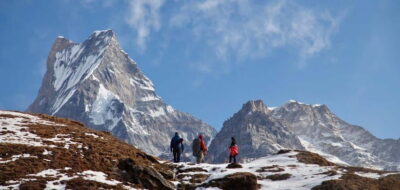
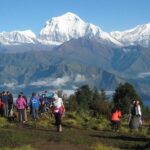
7 days to stand under Annapurna. This trek from Pokhara to Annapurna Base Camp threads through Gurung villages, forests, suspension bridges, and big mountain viewpoints. It’s a very popular route for a reason: each day changes the scenery and the feeling of altitude.
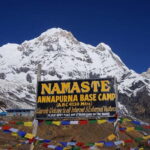
What I like most is the way the walk builds. You start with the climb from Nayapul toward Ghandruk, then keep working your way through places like Chhomrong and the Annapurna Sanctuary before you reach the base camp area. I also like that your trip is organized around practical support: an English speaking trekking guide, guest house accommodation, and permits (TIMS plus the trekking permit) handled for you.
The one real consideration is effort. This trek is designed for people with strong physical fitness, and you’ll spend several days trekking 6–7 hours with high-elevation time near base camp (around 4,100–4,300 meters based on past trekkers’ altitude notes).
In This Review
- Key highlights you’ll feel on this trek
- Pokhara to Naya Pul: the smooth start to a serious hike
- Ghandruk and Chhomrong: Gurung villages, long walks, and culture on the trail
- Annapurna Sanctuary and Machhapuchhare Base Camp: how the route earns the altitude
- Base Camp, then down via Bamboo, hot springs, and Phedi
- Price and logistics: what your $287.92 really buys
- Guides and guest houses: the difference between walking and traveling well
- Pace, fitness, and altitude: how to keep this trek enjoyable
- Who should book this trek (and who should think twice)
- Should you book this Annapurna Base Camp trek?
- FAQ
- How long is the Annapurna Base Camp trek from Pokhara?
- Where does the trek start?
- Is hotel pickup and drop-off included?
- Are trekking permits included?
- Is accommodation included during the trek?
- Are meals included in the price?
- Is this trek private or shared with other groups?
- Are rescue costs included?
- What fitness level do I need?
- Can I cancel for a full refund?
Key highlights you’ll feel on this trek
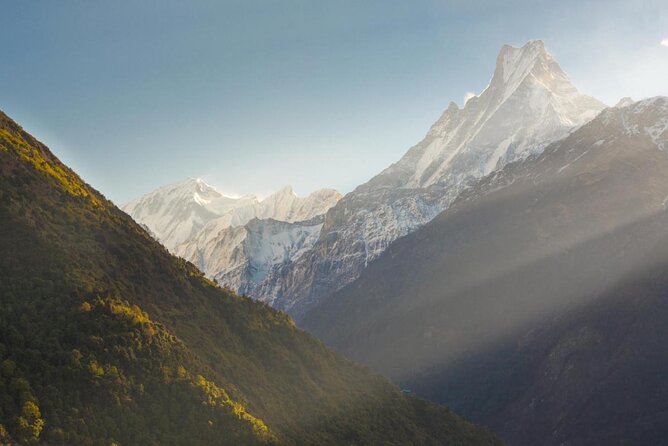
- Private car transfers from Pokhara, so you’re not hunting rides or losing energy before the hiking begins
- TIMS card + trekking permit included, which matters on the Annapurna routes
- Guest-house style accommodation, keeping things simple while you’re on the move
- Machhapuchhare Base Camp detour before Annapurna Base Camp, adding a second “big payoff” moment
- Downhill day planning with Bamboo, hot springs near Ghandruk, and Phedi back toward Pokhara
- Support-focused team culture, with past travelers crediting organizers like Mr. Saroj and guides like Mr. Krishna for caring guidance
Pokhara to Naya Pul: the smooth start to a serious hike
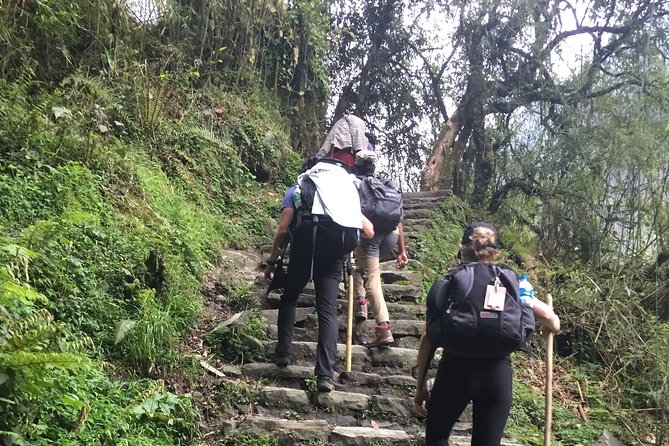
Your trek begins in Pokhara with a hotel pickup and a drive to Nayapul. The drive is short enough to keep you from feeling like the day is already over, but it still gets you out into the real trail zone. From there, the trek starts right away with the uphill rhythm that Annapurna is known for.
Naya Pul is the gateway. It’s not glamorous on its own, but it sets your pace for what’s coming next. You’ll feel that your legs are warming up, not fully spent, and you get a clean mental transition from city life to village footpaths and forest edges.
Practical value: because transfers and pickup/drop-off are included, you avoid the usual time sink of last-minute logistics. If you want more energy for the first climb, this “start organized” approach helps.
You can also read our reviews of more hiking tours in Pokhara
Ghandruk and Chhomrong: Gurung villages, long walks, and culture on the trail
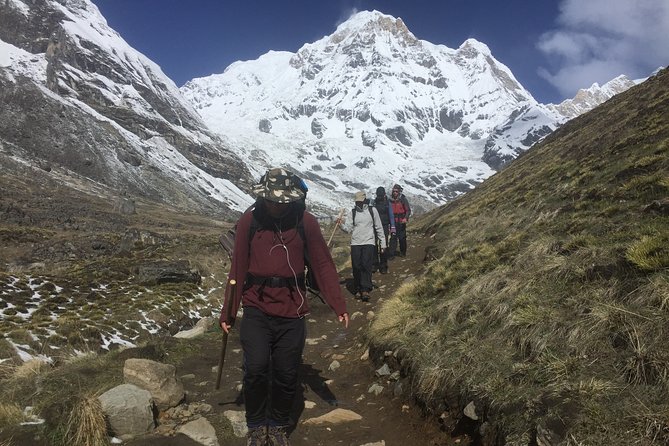
Day 1 includes a drive to Nayapul followed by a trek to Ghandruk (around 6 hours). Ghandruk is the kind of village that makes the Annapurna region feel human. You’re not hiking through blank wilderness. You’re walking through places with a long foothold in the landscape, with Gurung village life in view.
The payoff on this stretch is twofold:
- You get that early “wow, we’re really here” feeling as the trail rises.
- You also get villages, paths, and slower moments that help you recover from steeper sections.
Then Day 2 continues with a trek to Chhomrong (also around 6 hours). Chhomrong is a key step in the classic Annapurna rhythm: it’s where the route starts feeling more mountain-centered. The trail keeps you moving, but the scenery becomes more dramatic as you head deeper into the Annapurna system.
Why this section matters: if you rush your start, you can burn energy too early. The way these days are spaced—village-to-village trekking, steady hours, then higher areas—helps you find a sustainable pace without turning every day into a full-on ordeal.
Annapurna Sanctuary and Machhapuchhare Base Camp: how the route earns the altitude
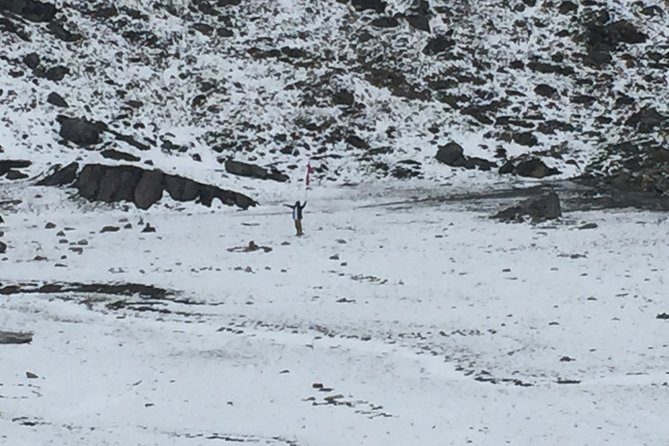
Day 3 is the big shift: trek to the Annapurna Sanctuary area (around 7 hours). This is where the experience becomes more “high-mountain” and less “village trail.” Expect longer walking time and stronger feelings of altitude as you move upward through the route’s changing terrain.
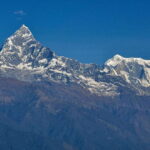
The sanctuary concept is useful even if you’ve never studied it. It’s basically a funnel of mountain scenery. As you progress, the mountain views become more constant and less occasional. Your brain starts to treat the mountains like a daily companion, not a one-time photo backdrop.
Day 4 adds a two-step highlight. You first trek to Machhapuchhare Base Camp (around 5 hours), then continue on toward Annapurna Base Camp (about 2 more hours).
This is a smarter structure than a straight push. Machhapuchhare Base Camp gives you another “milestone moment” before you hit the final destination zone. It also breaks the day into distinct mental phases: first you work for one mountain-focused goal, then you refocus and go for the main base camp.
The other key reason Day 4 works: it reduces the stress of expecting one single finish-day push. When the route splits the effort like this, you’re less likely to feel like you’re arriving only by force. You’re arriving because the trail has already taught your body how to handle the day.
Base Camp, then down via Bamboo, hot springs, and Phedi
Day 5 is a downshift: trek down to Bamboo (around 6 hours). Down days can be mentally tricky because your body feels the impact more than you expect, even though altitude pressure is usually less than on the way up. Still, going down is a relief in the best way—it lets your lungs and head feel less compressed than the higher days.
Then Day 6 brings a welcome change of pace: you trek back to Ghandruk (around 4 hours) and then continue to hot springs. Hot springs are a practical reward, not just a fun add-on. After multiple days of walking, soaking is one of the fastest ways to calm foot and calf soreness so you can enjoy the final day.
Day 7 ends with a trek down to Phedi (around 4 hours) and then a drive back to Pokhara (about 45 minutes), with transfer back to your hotel. This final sequence matters because it closes the loop: you’re not stuck doing extra logistics at the end. You get a clean landing back into comfort.
Also notice the overall route arc:
- Two early village days (Ghandruk, Chhomrong)
- Two high-mountain payoff days (Annapurna Sanctuary area, Machhapuchhare Base Camp, then Annapurna Base Camp)
- Three return-and-recover days (Bamboo, hot springs, Phedi)
That structure is why people love this trek. It’s not only about reaching base camp. It’s about arriving, then getting yourself back down in a way that still feels like part of the journey.
Price and logistics: what your $287.92 really buys
At $287.92 per person (for the 7-day experience), the value comes from what’s included, not just what’s listed. Here’s what you’re getting:
- Hotel pickup and drop-off
- Round trip transfer with private car as per the trip flow
- Trekking permit and TIMS card included
- English speaking trekking guide
- Accommodation in guest houses
- A private trip (only your group participates)
That’s a lot of the stuff that usually eats time and adds friction when you organize independently. Permits and TIMS are paperwork-heavy. Permits also matter on the ground—you want them handled correctly so your trek stays smooth.
Two things you should budget for separately:
- All meals and personal expenses are not included.
- Rescue cost in case of emergency is not included.
So the real cost picture becomes: base trek price + food + your personal spending + (ideally) travel insurance that covers emergency evacuation. With a route that includes high elevation time, it’s smart to treat insurance as part of your plan, not an afterthought.
Also, the experience notes mobile ticket and group discounts. Mobile ticketing can reduce hassle right before you travel, and group discounts can be a nice bonus if your group size fits.
You can also read our reviews of more tours and experiences in Pokhara
Guides and guest houses: the difference between walking and traveling well
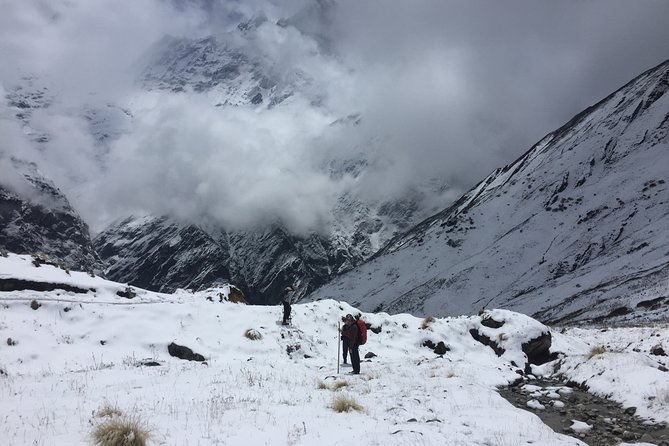
An Annapurna Base Camp trek is physical. Still, what makes it feel good is how your trip is run between the walking moments.
Your guide is English speaking, and the trip includes support that covers navigation and daily decisions. That matters when you’re dealing with altitude, changing trails, and the constant question of pace: slow enough to feel steady, fast enough to keep the day enjoyable.
From past experiences with this operator and guides associated with the program, people have praised caring service and strong on-the-ground support—names like Mr. Saroj (operator support) and Mr. Krishna (guide support) come up in that context. There’s also a pattern of keeping the mood light during hikes, with mentions of fun breaks along the way.
Guest houses are part of the package. That generally means basic comfort and a warm place to rest and reset. It’s not luxury camping. It’s practical trekking accommodation. The upside is you’re not spending extra effort arranging sleeping gear or complicated overnight logistics.
Pace, fitness, and altitude: how to keep this trek enjoyable
This is not a casual walk. The trip asks for strong physical fitness, and the daily walking times reflect that:
- Several days land around 4–6 hours
- The higher day into Annapurna Sanctuary is about 7 hours
- The Machhapuchhare Base Camp day is about 5 hours, then another 2 hours toward base camp
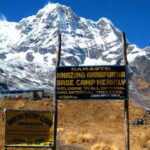
Altitude is the other big factor. One key data point to remember: Annapurna Base Camp is described as around 4,130–4,310 meters in altitude notes tied to this experience. That range matters because it can affect sleep, appetite, and how hard breathing feels.
So how do you keep it enjoyable?
- Walk slower than you think you need to on early days. Your body should feel like it has time left, not like it’s surviving.
- Use your guide’s pacing style. If the plan is built around steady steps, trust it. Pushing too hard early can wreck your mid-trek enjoyment.
- Plan your recovery. The hot spring day is there for a reason. Treat it like training for your feet and legs for the last push downhill.
Meals aren’t included, so you’ll rely on what’s available along the route. Bring your own snacks if you know you get low energy between meals, and keep hydration a priority. Even if the weather looks friendly, high elevation can make you feel drier than you expect.
Who should book this trek (and who should think twice)
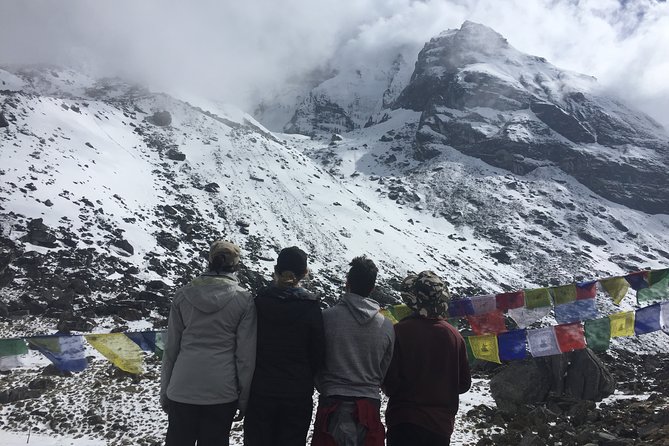
You’ll get the best fit if you:
- Want the classic Annapurna mix of villages, forests, and mountain views
- Like a route that includes milestones (Ghandruk, Chhomrong, Sanctuary area, Machhapuchhare Base Camp, then base camp)
- Prefer organized logistics (pickup/drop-off, permits, guide, guest houses) over self-planning
You might want to think twice if:
- You’re not comfortable with a multi-day trek that requires steady effort (the trip is aimed at strong physical fitness)
- You don’t want to plan your meal budget and emergency coverage separately (meals and rescue cost aren’t included)
This trek is popular because it balances achievement with structure. But it still demands respect for the walk and the altitude.
Should you book this Annapurna Base Camp trek?
If you want an organized, classic Annapurna Base Camp journey starting from Pokhara, this is a solid pick. The included permits, English speaking guide, guest-house lodging, and private car transfers remove a lot of the usual headaches. The route also has thoughtful rhythm: village days first, then high-mountain build-up, then a recovery-friendly return with hot springs and a smooth finish at Phedi.
I’d book it if you’re physically prepared and you’re comfortable handling meals and insurance on your own. If you’re looking for meals fully included or a very lightweight hiking plan, keep shopping. This one is built for people who want the real trek experience—with good support to keep it enjoyable.
FAQ
How long is the Annapurna Base Camp trek from Pokhara?
It’s listed as 7 days approximately.
Where does the trek start?
You drive from Pokhara to Nayapul, and then you begin trekking from there toward Ghandruk.
Is hotel pickup and drop-off included?
Yes. Hotel pickup and drop-off are included.
Are trekking permits included?
Yes. The trekking permit and TIMS card are included.
Is accommodation included during the trek?
Yes. Accommodation in guest house is included.
Are meals included in the price?
No. All meals and personal expenses are not included.
Is this trek private or shared with other groups?
It’s private. Only your group participates.
Are rescue costs included?
No. Rescue cost in case of emergency is not included.
What fitness level do I need?
The trip notes that travelers should have a strong physical fitness level.
Can I cancel for a full refund?
Yes. Free cancellation is offered, and you can cancel up to 24 hours in advance of the experience for a full refund. If you cancel less than 24 hours before the start time, the amount paid isn’t refunded.