REVIEW · POKHARA
4 Day Mardi Himal Base Camp Trek from Pokhara
Book on Viator →Operated by CAN Travels · Bookable on Viator
Short trek. Big Himalayan payoff.
This Mardi Himal Base Camp trek is interesting because it packs forest trails, village paths, and summit-style views into a tight 4-day schedule in the Annapurna region. It’s also practical: permits and official documents are handled, and you’ve got an English-speaking guide (with an emergency first-aid kit) to keep things moving.
Two things I like a lot: first, the route design gives you real variety—from Kande’s steep start through rhododendron-style forest walking to higher, more exposed viewpoints. Second, the organization level feels built for low-stress travel: hotel pickup/drop-off, round-trip transfers by shared bus or jeep, and tourist-standard guesthouse stays are all included.
The main drawback to consider is physical effort and pacing. The trail is described as steep in spots (especially later), and some days run long, so it’s not the best choice if you want an easy stroll with zero rough edges.
In This Review
- Key points worth knowing before you go
- Why this 4-day Mardi Himal trek starts strong from Pokhara
- CAN Travels and the value question: $290 and what it really covers
- The Pokhara-to-trail handoff: transfers, Kande, and a steep first day
- Day 1 to Forest Camp: forests, villages, and that early climb
- Day 2 to High Camp: gradual uphill, then mountain views take over
- Day 3 to Mardi Himal Base Camp: when the trail gets steeper
- Day 4 back to Pokhara: forest descent, villages, and Siding Village
- Guesthouses, tea-house style stops, and what meals mean for your packing
- Guide quality is the secret ingredient (Krishna, Biru, Birendra)
- Who should do this trek, and who should rethink it
- Price, timing, and realistic expectations for 4 days
- Should you book the 4-day Mardi Himal Base Camp trek from Pokhara?
- FAQ
- Where does the trek start?
- How long is the Mardi Himal Base Camp trek?
- What’s included in the price?
- Are meals included?
- Is it a private tour?
- What fitness level do I need?
- What time do I need to meet?
- Can I cancel if plans change?
Key points worth knowing before you go
- Includes permits and official documents, so you’re not hunting paperwork before your trek
- English-speaking guide plus an emergency normal first-aid kit with the guide
- Private tour for your group, which usually means fewer pace mismatches
- Tea-house style stays/guesthouses on the trek with accommodation covered (meals aren’t)
- Steep sections show up—plan for a moderate challenge on multiple days
- Fixed timeframes: plan around 4 days and the day-by-day hiking blocks
Why this 4-day Mardi Himal trek starts strong from Pokhara
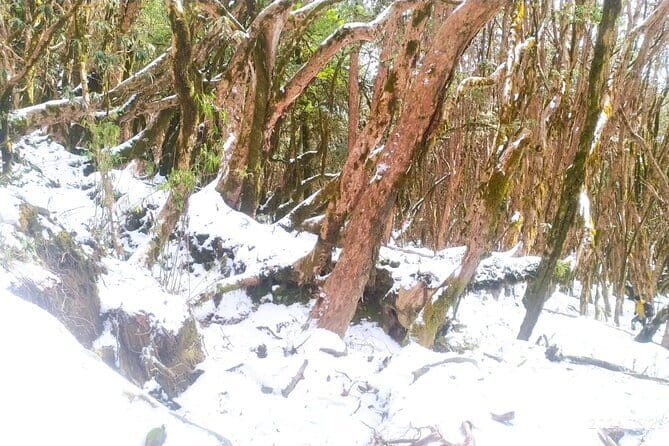
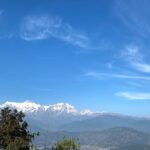
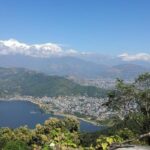
Mardi Himal is one of those Nepal treks that hits your senses fast. You begin near Pokhara, then you work your way upward through forest and settlements, with mountain views gradually taking over the scenery. In just a few days, you go from local footpaths and villages to the kind of panorama that makes people stop, stare, and forget their phone battery.
From a traveler’s point of view, the best part of the 4-day format is how efficiently it connects Pokhara to a real base camp destination. You get a structured plan with clear hiking blocks, rather than a vague “walk until you feel like it” setup. That matters when you’re short on time, or when you simply want a guide to handle the who/where/how logistics.
And since the trek is positioned as a moderate fitness experience, you’re not signing up for technical climbing. You are still dealing with steep trail sections, long hiking days, and the everyday reality of mountain weather shifting as you climb.
You can also read our reviews of more hiking tours in Pokhara
CAN Travels and the value question: $290 and what it really covers
At $290 per person, the value here comes from what’s bundled. You’re not just buying a guide and a route—you’re getting the whole framework that usually costs extra in piecemeal trekking arrangements: trekking permit and official documents, experienced guide, accommodation in tourist-standard guesthouses, and round-trip transfers.
You also have hotel pickup and drop-off included, plus all entrance fees covered. For a trek starting in the Pokhara area, that kind of “front-end admin” matters. It reduces the chance you arrive thinking everything is handled—only to discover you need to pay something on the spot.
Two small but important notes for your budget:
- Food and drinks are not included, though you can buy them during the trek.
- Gratuities are optional, so you’re not pressured into tipping as part of the package.
If you want a smoother trip with less decision-making, this is exactly the type of package that tends to feel worth it.
The Pokhara-to-trail handoff: transfers, Kande, and a steep first day
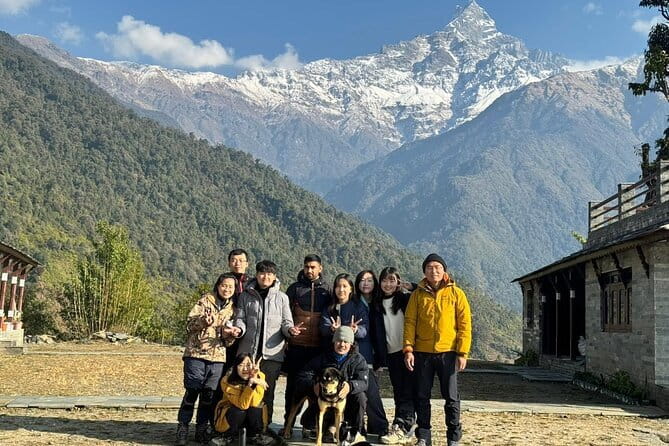
Your journey starts in Pokhara, with pickup included. The drive to Kande is listed as about an hour, which is a big deal because it keeps your first day focused on trekking rather than sitting in a vehicle all morning. After that, you begin from Kande and hike through lush forest and villages.
Here’s what to expect on the first trekking block: the trail is described as steep in some places, and the hiking time is about 5–6 hours to reach Forest Camp. That combination—steep plus a mid-day hike length—means you’ll feel the effort early. It’s not “burn your legs in 30 minutes” steep, but it is not flat either.
Practical tip: start out slower than you think you need to. On this kind of route, the temptation is to walk fast early because you feel fresh. Then the steep parts show up and you wish you had saved some gas.
Also, note the meeting time on the booking info is listed as 7:15 pm. That doesn’t automatically tell you when hiking starts the next morning, so I strongly suggest you confirm the exact timing for your transfer day with your operator before you travel.
Day 1 to Forest Camp: forests, villages, and that early climb
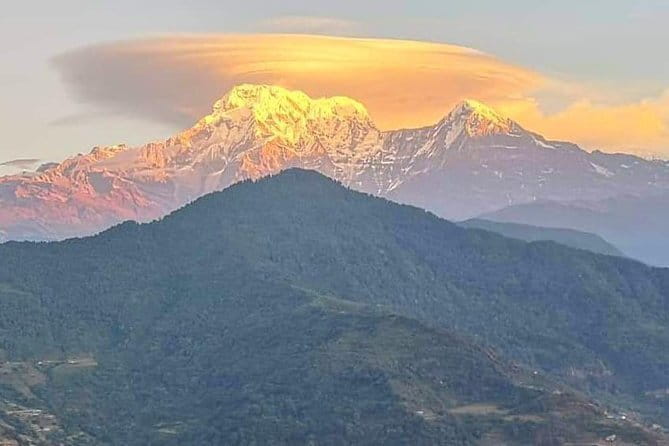
Day 1 is all about getting your body and mind synced to the trail. You’ll pass through forest and villages as you climb toward Forest Camp, with the main focus on steady effort rather than any single “monster view moment.” Of course, you still get glimpses of the mountains as your elevation builds, but the point of the day is upward movement.
What’s special about this day is the blend. You’re not walking only through trees or only through settlement. You see local life, you get shade during the forest segments, and you also encounter the steep sections that remind you this is a real trek, not a casual hike.
Potential drawback: steep trail segments on Day 1 can make your next day feel harder than expected. If you’re coming in with tight calves or you slept badly from travel, take the ascent carefully and don’t chase other people’s pace.
Day 2 to High Camp: gradual uphill, then mountain views take over
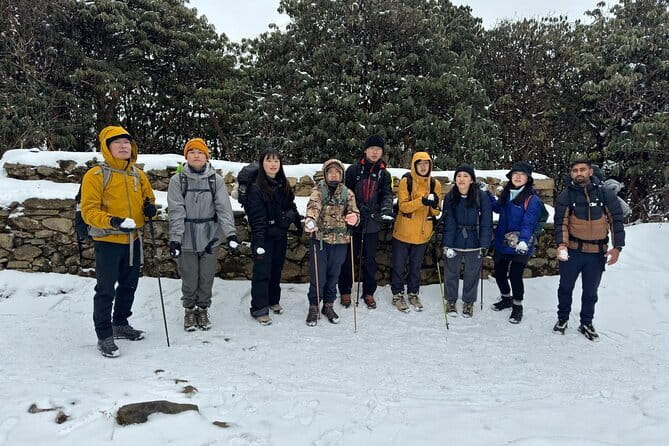
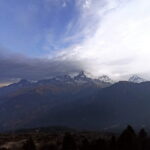
Day 2 starts with a gradual ascent through the forest. That’s good news for your legs. You’re not immediately thrown into another steep wall. As you climb higher, you’ll begin seeing stunning mountain views, and the trek time is about 6–7 hours to reach High Camp.
The structure of this day matters. A gradual start lets you recover from Day 1’s effort without feeling like you’re wasting time. Then, as you gain elevation, the scenery shifts from mostly forest-focused to more mountain-and-valley oriented.
If you like good “reward pacing”—walk, work, then look up and realize you’re getting the views—this day fits the bill. You’re likely to find yourself stopping more often as the panorama expands.
One thing to plan for: your energy needs to last through a full hiking block. Even if the early part is easier, you still have time on your feet and a final approach into High Camp.
You can also read our reviews of more tours and experiences in Pokhara
Day 3 to Mardi Himal Base Camp: when the trail gets steeper
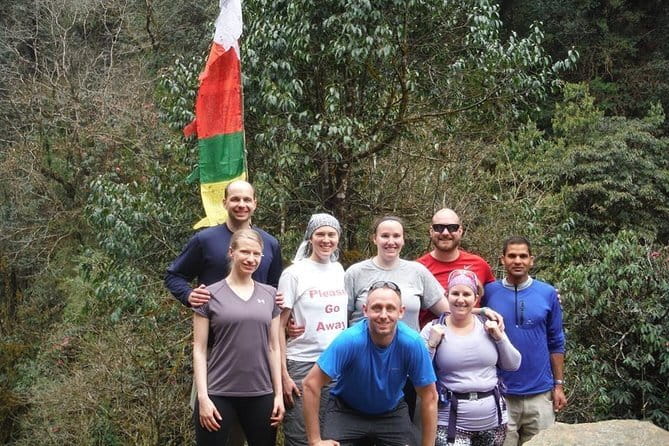
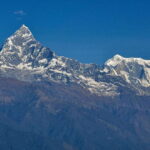
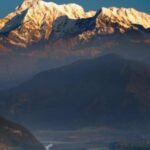
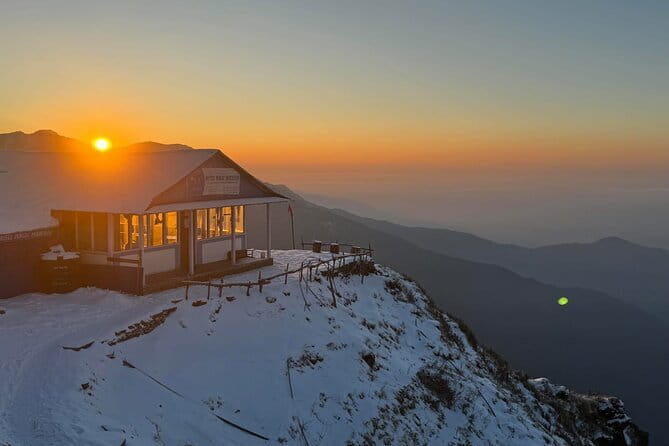
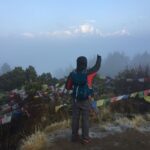
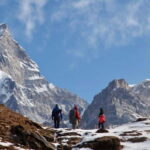
Day 3 is where the trek’s effort level ramps up. The path becomes steeper and more challenging as you climb higher, and you’ll be rewarded with panoramic views of the mountains and the valley below.
The plan lists about 8 hours for the day, and it describes the hike toward Mardi Himal Base Camp as involving a steeper climb after you’ve built up higher ground the previous days. From High Camp to Mardi Base Camp is described as taking roughly 3–4 hours, so you’re looking at a steady push with a clear endpoint.
This is the day to pay attention to footwear, pacing, and hydration. The guide’s job is to manage your speed and keep you safe. In the real world, steep mountain trails punish shortcuts. If you rush, you’ll burn out. If you walk smart, you’ll reach base camp with enough energy to actually enjoy it.
One more practical note: Day 3 is also the day where your timing for viewpoint moments matters. The best views often come when you slow down—not when you race through.
Day 4 back to Pokhara: forest descent, villages, and Siding Village
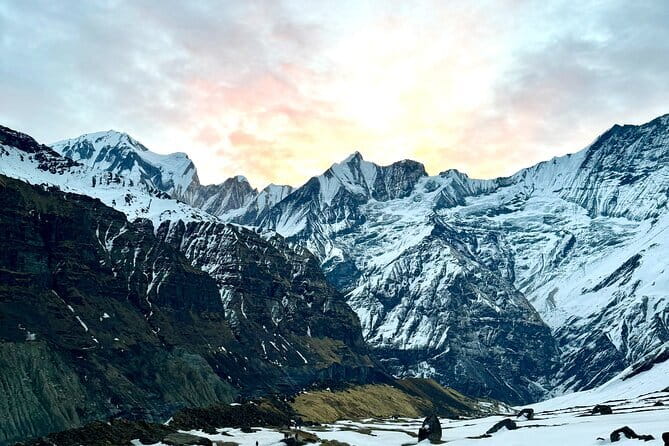
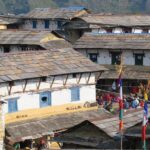
After the effort of Day 3, Day 4 turns into a descent plus a transfer back to Pokhara. The trail goes downhill through forests and villages, with traditional Nepalese houses and terraced fields along the way. It’s about 5–6 hours to reach Siding Village, then another 2–3 hours by drive back to Pokhara.
This day is about letting your legs recover while still keeping your focus. Descents are sneaky. They feel easier mentally, but they can be hard on knees and ankles. If you have trekking poles, they’ll likely earn their keep today.
What I like about Day 4 is the return-to-real-life feel. You’re moving from the high-mountain experience back toward everyday Nepalese scenery—houses, farmland, and village rhythms that don’t revolve around the trek.
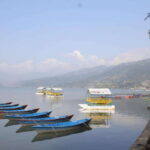
When you land back in Pokhara, it’s a nice reset: you can switch from trekking mode to lakeside life.
Guesthouses, tea-house style stops, and what meals mean for your packing
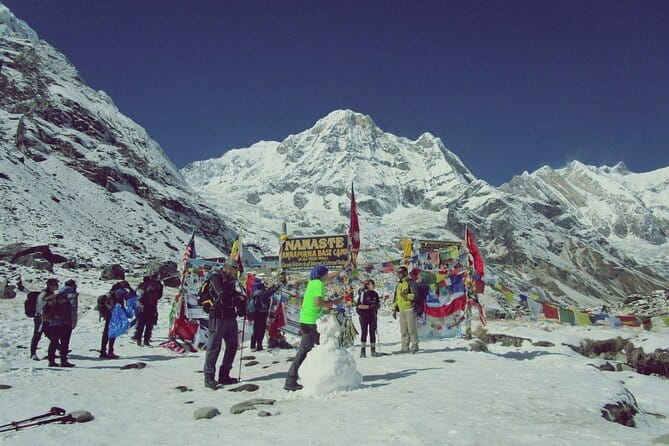
The trek includes accommodation in tourist standard guest houses during the route. That’s the kind of inclusion that makes a short trek work smoothly. You’re not spending your energy thinking about beds. You’re thinking about hiking.
Food and drinks, though, are not included. That’s normal for Nepal treks, but it affects your planning. You’ll want some cash ready, and you should expect that meals depend on what’s available in each stop.
Because the plan includes a guide and documents/permits, you also get a practical advantage: you’re less likely to face awkward “Where do we eat?” moments. The guide helps keep the day on schedule, and the route includes official support through permits and entrance fees.
For packing: bring layers and rain protection as a general rule. The route goes from forests into higher ground, so conditions can change. The exact temps aren’t listed, but weather shifts are a fact of mountain trekking.
Guide quality is the secret ingredient (Krishna, Biru, Birendra)
The package includes an experienced English-speaking trekking guide, and the guide can make or break the experience. The names you might be paired with include Krishna Adhikari, Biru, and Birendra. Across different trips, the common thread is that these guides are described as friendly, helpful, and knowledgeable about the trail and local context.
Why that matters: on a trek like this, the best value isn’t just the views. It’s also how smoothly the day runs—when to pause, how fast to go, what to watch for on steeper sections, and how to handle the rhythm between walking and breaks.
If you’re the kind of traveler who likes learning as you go, you’ll probably enjoy traveling with a guide who explains what you’re seeing instead of keeping it strictly logistical.
Who should do this trek, and who should rethink it
This trek is designed for travelers with moderate physical fitness. That doesn’t mean it’s casual. It means the route is meant to be doable if you’re comfortable hiking uphill, for several hours per day, on uneven trails.
It’s a great fit if:
- You want a base camp goal without needing a long, multi-week commitment
- You prefer guided structure over navigation stress
- You like a trek that mixes forests, village scenery, and mountain viewpoints
- You travel with your own group and want a private setup
It may not be the best fit if:
- You’re expecting a flat hike
- You have knee issues and fear long downhill days
- You want all meals included in the price (since food and drinks are for purchase)
Price, timing, and realistic expectations for 4 days
Let’s talk expectations, not just logistics. A 4-day trek is short, which is why it works for busy travelers. The tradeoff is you don’t have tons of spare time to linger. Your schedule is built around getting to Forest Camp, High Camp, Mardi Himal Base Camp, and then back to Pokhara.
The day-by-day hiking times point to a trek that includes long walks:
- Day 1: about 5–6 hours
- Day 2: about 6–7 hours
- Day 3: about 8 hours
- Day 4: about 5–6 hours hiking plus 2–3 hours driving
That’s a lot of movement, even if it’s not technically advanced hiking. If you go in expecting to sit around and admire views all day, you’ll probably feel rushed on the steeper blocks.
The other key expectation: the trail changes. It’s forest walking at first, more viewpoints as you climb, and steeper effort late. If you’re mentally ready for that rhythm, you’ll feel a lot better on Day 3.
Should you book the 4-day Mardi Himal Base Camp trek from Pokhara?
I’d book it if you want a short trek with real mountain payoff and minimal trip-planning headache. The value is strongest if you care about getting permits handled, having an experienced English-speaking guide, staying in tourist standard guesthouses, and keeping transfers and entrance fees covered.
You should think twice if you’re sensitive to steep trail days, or if you want meals fully included without paying along the way. Also, because the start meeting time is listed as 7:15 pm, confirm the exact timing with the operator so you don’t end up guessing when transfers happen.
If you like clear schedules, supportive guidance, and a route that blends village life with base camp views, this is a solid choice.
FAQ
Where does the trek start?
The trek starts in the Pokhara area and begins from Kande. The drive from Pokhara to Kande is about one hour, and hotel pickup and drop-off are included.
How long is the Mardi Himal Base Camp trek?
It’s listed as 4 days (approx.), with daily hiking blocks ranging from about 5–8 hours, plus a final drive back to Pokhara.
What’s included in the price?
The price includes trekking permit and official documents, an experienced English-speaking trekking guide, round-trip transfers (sharing bus or jeep), accommodation in tourist standard guesthouses during the trek, a private tour setup, an emergency normal first aid kit with the guide, and all entrance fees.
Are meals included?
No. Food and drinks are not included, but you can purchase them during the trek.
Is it a private tour?
Yes. It’s described as a private tour/activity, so only your group will participate.
What fitness level do I need?
You should have moderate physical fitness. The route includes steep sections in parts of the trek, and some days run long.
What time do I need to meet?
The meeting point lists a start time of 7:15 pm. Since the exact day-by-day timing isn’t fully detailed, I recommend confirming the transfer and start times directly.
Can I cancel if plans change?
Yes, free cancellation is available up to 24 hours in advance for a full refund.