REVIEW · KATHMANDU
Luxury Tour of Nepal
Book on Viator →Operated by Prime Himalayas · Bookable on Viator
One week, four big emotions. This luxury 7-day private route stacks Kathmandu World Heritage icons with Chitwan National Park safari days and Pokhara lake time, so you get variety without wasting hours planning. I love the private pacing between cities, and I love that Chitwan includes canoe, jeep, and cultural moments—not just a quick drive. My only heads-up: Kathmandu entrance fees and meals in Kathmandu and Pokhara aren’t included, so you’ll want a little extra budget.
You meet the team at Norbulinka Boutique Hotel at 9:15am and the tour ends back at the same spot, which makes logistics feel calmer. Prime Himalayas runs it with a mobile ticket, and the team is known for responsive support with Prakash checking in daily and sorting issues fast, plus guests noting some flexibility when it mattered.
In This Review
- Key highlights
- How the itinerary balances heritage, wildlife, and lake time
- Day 1: Kasthamandap meet-and-greet and getting organized
- Day 2: Kathmandu World Heritage circuit (Swayambhunath to Boudhanath)
- Day 3: Chitwan National Park transfer and first safari session
- Day 4: Canoe ride, jeep safari, Tharu culture, and village walking
- Day 5: Ride to Pokhara and a private Phewa Lake boat hour
- Day 6: Sarangkot sunrise, a mountain cave, museum, and Barahi Temple
- Day 7: Back to Kathmandu plus farewell dinner with Nepali show
- Price and inclusions: what you’re really paying for
- Hotels and comfort level: what luxury means here
- Practical planning tips so you enjoy every long drive
- Who should book, and who might want a different Nepal plan
- Should you book this Luxury Tour of Nepal?
- FAQ
- How long is the Luxury Tour of Nepal?
- Where do we meet, and when does the tour start?
- What meals are included?
- Are entrance fees included for the Kathmandu heritage sites?
- What activities in Chitwan are included?
- What’s the cancellation policy?
Key highlights
- Private group touring: only your group participates, with transfers and timing handled end to end.
- A full Kathmandu heritage day: Swayambhunath Temple, Patan Durbar Square, Pashupatinath Temple, and Boudhanath Stupa in one packed itinerary.
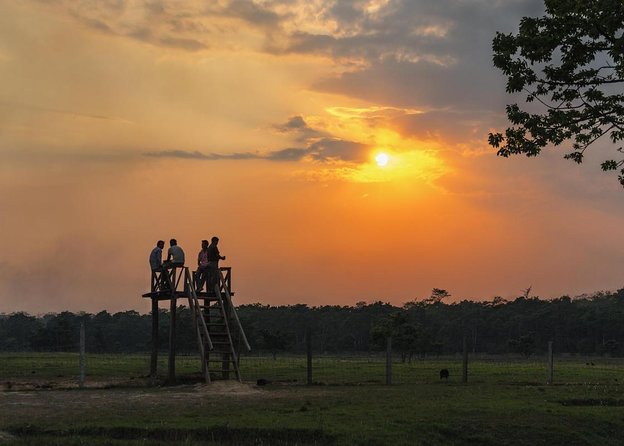
- Chitwan safari with variety: canoe ride, jeep safari, sunset timing, plus a Tharu cultural show and village walk.
- Pokhara focused on views and water: private boating on Phewa Tal, then sunrise from Sarangkot.
- Meals are mostly handled: 6 breakfasts, 2 lunches, and 3 dinners included, while Kathmandu/Pokhara entrance fees and some meals are not.
How the itinerary balances heritage, wildlife, and lake time
This tour works because it doesn’t try to do everything in one city. You get a proper Kathmandu day of World Heritage sites, then you switch gears to jungle wildlife mode in Chitwan, and finally you soften the pace in Pokhara with a lake boat and mountain views.
It also feels like “luxury with structure.” The schedule is clear, the big drives are accounted for, and most meals are included so you’re not constantly hunting down lunch between temples and safaris.
Yes, the days are full. If you hate long travel days, plan for some downtime when the itinerary gives it to you.
You can also read our reviews of more tours and experiences in Kathmandu
Day 1: Kasthamandap meet-and-greet and getting organized
Day 1 is refreshingly simple: you meet and greet at the hotel, with no sightseeing block scheduled. It’s listed around Kasthamandap with a meet-up at the start location, and you’re essentially using the day to settle, get your bearings, and sync on the week.
This matters more than it sounds. With Nepal, jet lag and traffic can drain your first day fast. Starting with a low-pressure check-in helps you show up rested for the heavy Kathmandu circuit the next day.
Wear comfortable shoes. Tomorrow is a “four-site” kind of day.
Day 2: Kathmandu World Heritage circuit (Swayambhunath to Boudhanath)
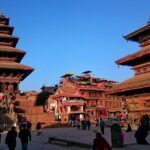
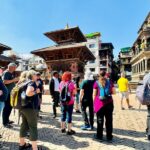
Kathmandu day is the classic best-of list, but it’s organized into focused time windows so you’re not wandering aimlessly. Your stops are: Swayambhunath Temple, Patan Durbar Square, Pashupatinath Temple, and Boudhanath Stupa.
Here’s what each stop brings, and what to watch for:
Swayambhunath Temple (about 1 hour)
This World Heritage site is built for views as much as worship. You’ll have time to take it in without feeling rushed, and you’ll move on while you’re still fresh for the next cultural hit.
Patan Durbar Square (about 1 hour 30 minutes)
Patan is known for its wooden carvings, temples, and the museum vibe. The extra half hour helps if you want to slow down and actually look at the details instead of just snapping photos and sprinting.
Pashupatinath Temple (about 1 hour)
This is one of Nepal’s major Hindu sites, and it’s also connected with cremation ceremonies. It’s important because it shows a living tradition, not a staged attraction. You’ll want to be mentally prepared for the solemn side of the site.
Boudhanath Stupa (about 1 hour)
This is described as the biggest stupa, and it’s a strong counterpoint to the bustle of the other stops. Expect the feel of devotion and ritual—plus good chances to slow down after an intense day.
Practical note: entrance tickets for these Kathmandu stops are not included on this tour. So you’ll either pay on-site or follow your guide’s instructions for how they handle entry.
Day 3: Chitwan National Park transfer and first safari session
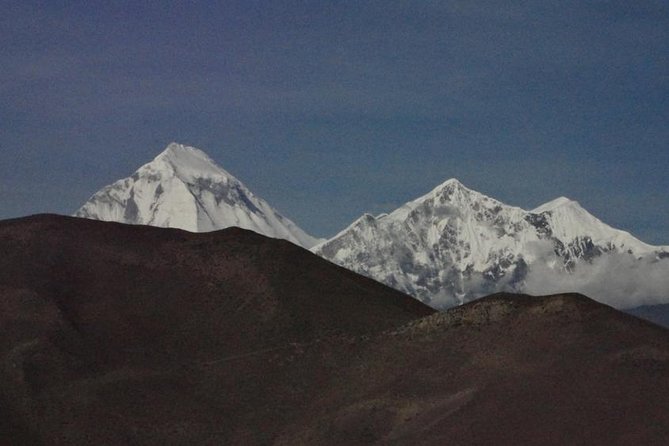
On Day 3, you finally get out of the city. The drive to Chitwan National Park is about 100 km and takes around 4 hours, and you’ll have lunch and safari activities today.
This is a smart transition day. You’re not trying to do temple walking and jungle walking in the same mental space. Instead, you get a drive, a meal, and then you enter safari time while your energy is still okay.
You should treat this day as the “arrival into the ecosystem.” You’ll be watching for wildlife from whatever vehicle or route the day uses, and you’ll likely start learning the rhythms of the park: where to look, what time movement happens, and how the guides read the land.
Day 3 is listed for about 5 hours total with admission included, which usually makes the day feel smoother on the logistics side.
Day 4: Canoe ride, jeep safari, Tharu culture, and village walking
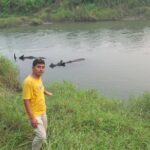
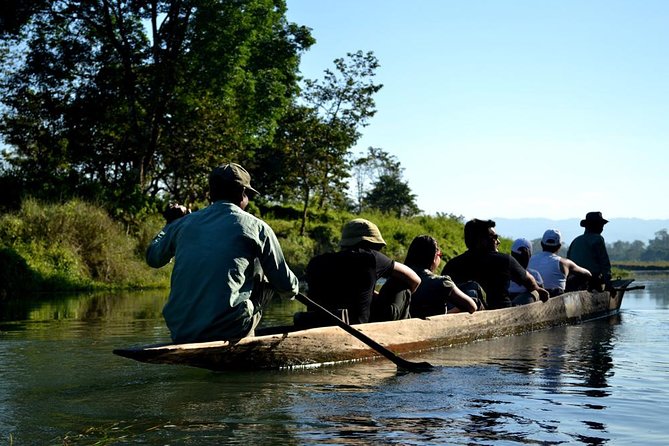
Day 4 is the big full-service Chitwan day. The itinerary includes a canoe ride, a jeep safari, sunset timing, a Tharu cultural show, and a village walk.
This is where the tour earns its “luxury” label in a realistic way. Canoe + jeep means you’re not only chasing animals from one perspective. The canoe ride offers a different view of the river and margins, while the jeep safari covers more ground on land.
Then the day turns outward to people and culture. The Tharu cultural show and the village walk help you understand this region isn’t only about animals. It’s a living community, with traditions that run alongside the park.
If you’re thinking of using a day to do just wildlife, you’ll still get that here. But you’re also getting context, and that’s what makes it feel more complete.
Expect a long day—this is listed for about 9 hours—so pack snacks only if you know the tour supports it. Otherwise, trust the included schedule.
Day 5: Ride to Pokhara and a private Phewa Lake boat hour
After Chitwan, you transfer to Pokhara, check in, and rest. Then you get a private boating tour on Phewa Tal, about 1 hour.
This is the palate cleanser of the trip. Kathmandu is steep and dense. Chitwan is active and outdoorsy. Pokhara is open-air and slow. A private boat hour is a good compromise: you get a special moment without spending all day on transport.
Also, it’s listed with admission included, so you’re not managing extra ticket steps for the lake portion.
If you’re the kind of traveler who likes to photograph reflections, this is your time. If you’re not, you can still relax with the simple pleasure of being on the water with no schedule pressure.
Day 6: Sarangkot sunrise, a mountain cave, museum, and Barahi Temple
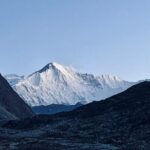
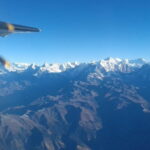
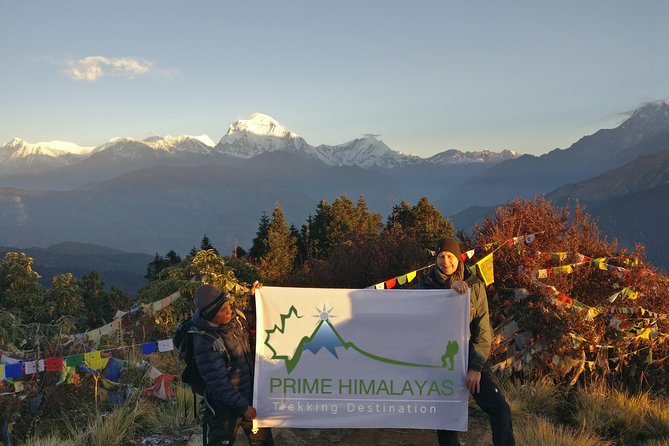
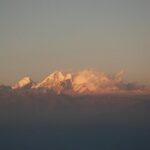
Day 6 is a “views plus variety” checklist. You start at Sarangkot for sunrise and panoramic Himalaya views (about 1 hour). Then you go to Gupteshwor Mahadev Cave (about 30 minutes), the International Mountain Museum (about 1 hour), and Barahi Temple (about 30 minutes).
Sarangkot sunrise (about 1 hour)
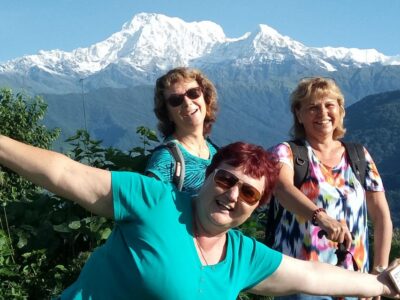
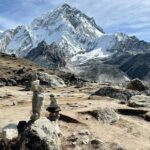
This is the reason many people choose Pokhara. You’ll want layers, because mornings can feel cool even if the afternoon warms up. Give yourself permission to stand, watch, and wait a bit if conditions take time.
Gupteshwor Mahadev Cave (about 30 minutes)
A short stop like this works well when you’re not trying to rush the rest of the day. It’s included, so it’s one less thing to plan.
International Mountain Museum (about 1 hour)
This is where the trip adds perspective beyond scenery. Museums are best when you can take small sections at a time, so don’t feel like you need to read every label.
Barahi Temple (about 30 minutes)
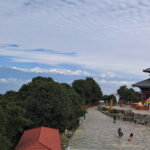
This is a well-known temple stop near the lake area, and it closes the day with a familiar kind of cultural anchor.
Note: these stops are listed with admission included, so your spending focus on Day 6 stays mostly on personal items and drinks.
Day 7: Back to Kathmandu plus farewell dinner with Nepali show
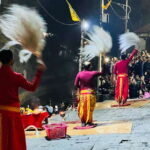
You drive from Pokhara back to Kathmandu (about 6–7 hours). After arriving and checking in, the evening includes a farewell dinner with a Nepali cultural show, listed for about 1 hour 30 minutes.
This final evening is a nice finishing touch. You end where you started—at the same meeting point—so you don’t have the stress of last-minute logistics. And the cultural show gives you one more look at Nepal beyond temples and parks.
Day 7 is also a good reminder that Nepal distances add up fast. Even when the tour is well-run, you should plan a slower night after the drive.
Price and inclusions: what you’re really paying for
The price is $1,612.20 per person for an approximately 7-day private tour in Kathmandu and surrounding areas. It’s booked far in advance (an average of 301 days), which tells me the best hotels and key safari slots get snapped up early.
Now the practical value math:
What’s included
- Breakfasts (6)
- Lunches (2)
- Dinners (3)
- Admission for several activity blocks in Chitwan and Pokhara
- Private boating on Phewa Tal
- The farewells show dinner on the last night
What’s not included
- Entrance fees in Kathmandu (for the World Heritage sites on Day 2)
- Lunch and dinner in Kathmandu and Pokhara
- Drinks and personal expenses
- Guide and driver gratitude
So you’re not paying for every single ticket in the country. You’re paying for transportation, guiding structure, and the included big-ticket activities (safari day programming, lake boat time, sunrise viewing, and museum/temple stops).
If you want “minimal decision-making,” the inclusion pattern helps. If you want complete freedom for meals, you’ll still get it—but you’ll budget for it.
Hotels and comfort level: what luxury means here
The overview promises best accommodation and notes that the last night is at the first Five Star hotel of Nepal. You don’t get hotel names in the details you provided, but the intent is clear: upgrade your sleep quality and reduce friction after long days.
This matters because the itinerary is packed enough to make comfort feel like part of the experience, not a side benefit. When your schedule includes a 4-hour transfer to Chitwan and a 6–7 hour return to Kathmandu, your room becomes the recovery zone.
You’ll likely also appreciate that the meeting point and endpoint are the same spot. That’s small, but it removes the “where do we go now?” stress that can ruin the end of a trip.
Practical planning tips so you enjoy every long drive
Plan for travel days to feel like travel days. Day 3 includes a 4-hour drive to Chitwan, and Day 7 includes a 6–7 hour drive from Pokhara back to Kathmandu. That’s not a flaw, it’s just the geography doing its thing.
Also, keep an eye on good weather. The experience requires it, and if it’s canceled due to poor weather, you’ll be offered a different date or a full refund.
Day 6 sunrise at Sarangkot implies an early start. Bring layers, and don’t assume morning comfort will match afternoon heat. Then you’ll stack a cave visit, museum time, and a temple stop, so don’t plan to overpack your day with extra activities.
Finally, since Kathmandu entrances aren’t included, it’s smart to keep some cash ready for on-site entry fees and any add-ons your guide suggests.
Who should book, and who might want a different Nepal plan
This tour fits best if you want:
- Private, guided structure instead of solo planning
- A mix of heritage, wildlife, and Pokhara views
- Included meals so you can focus on sites and not logistics
It may not fit if you:
- Hate long days of multiple stops in one day (Day 2 and Day 4 are both packed)
- Need every single entrance fee and meal to be fully included
- Prefer a more relaxed, slow-travel rhythm with fewer transfers
It’s also “most travelers can participate,” but that doesn’t mean it’s a sit-on-a-bus-and-do-nothing tour. You’ll still be moving through historic sites and outdoor safari days.
Should you book this Luxury Tour of Nepal?
I’d book this if you want an efficient, high-comfort way to cover Nepal highlights in one week. The biggest strength is the sequencing: Kathmandu heritage first, then Chitwan wildlife programming, then Pokhara’s calmer lake-and-sunrise mood. That flow helps your brain enjoy each setting instead of blending them into one blur.
Book it with eyes open on two things: Kathmandu entrance fees and the reality that you’ll spend meaningful time in vehicles. If that doesn’t bother you, you’ll likely love how little you have to manage yourself.
If you’re the type who values clean organization, included big moments, and a team that stays on top of issues, this tour’s setup matches that style.
FAQ
How long is the Luxury Tour of Nepal?
It’s listed as 7 days (approx.).
Where do we meet, and when does the tour start?
The meeting point is Norbulinka Boutique Hotel, Ga: Hiti Sặc, Kathmandu 44600, Nepal, and the start time is 9:15am.
What meals are included?
The tour includes 6 breakfasts, 2 lunches, and 3 dinners.
Are entrance fees included for the Kathmandu heritage sites?
No. Entrance fees in the Kathmandu portion of the tour are listed as not included.
What activities in Chitwan are included?
Chitwan includes admission and activities such as a canoe ride, jeep safari, sunset, a Tharu cultural show, and a village walk.
What’s the cancellation policy?
You can cancel for a full refund up to 24 hours in advance. If the experience is canceled due to poor weather, you’ll be offered a different date or a full refund.