REVIEW · KATHMANDU
Nepal in Luxury: Kathmandu, Chitwan & Pokhara Escape – 8 Days
Book on Viator →Operated by Luxury Holidays Nepal Pvt. Ltd. · Bookable on Viator
Kathmandu wakes you up fast. You get five-star comfort while still packing in big sights and a real Chitwan safari. This is the kind of trip where you stop worrying about cars, guides, and timing, and start paying attention to what you’re actually seeing. One thing to keep in mind: if you’re counting on last-minute changes once you’re in Nepal, this operator may not be as flexible as you want.
I especially like the two full Chitwan nights that come with safari-style days, not just a quick stop-and-go. I also like how the plan strings together Kathmandu’s major religious landmarks and Pokhara’s top outdoor sights without turning your days into a marathon.
The main consideration is communication. The tour price and inclusions are clear on paper, but if you need lots of custom tweaks, expect some friction and plan on sticking close to the schedule.
In This Review
- Key things to know before you go
- Entering Kathmandu in style: visa, pickup, and a plan that starts on arrival
- Kathmandu Day 2: four major landmarks, one efficient cultural circuit
- Chitwan Days 3–4: two nights in the jungle and a safari day that actually delivers
- Pokhara Days 5–6: lake views, caves, falls, and a gorge viewpoint day
- Day 7 back in Kathmandu: a calmer return and a proper farewell dinner
- Day 8 departure: don’t rush it, and use the last hours wisely
- Price and logistics: does $999 make sense for this kind of trip?
- Who should book this Nepal luxury escape, and who should skip it
- Final call: should you book this tour?
- FAQ
- How do I get a Nepal visa for this trip?
- What’s included in the tour price?
- What isn’t included?
- Where do the safari activities happen, and what’s included?
- What level of hotels will I stay in?
- Will I have airport transfers?
- Can I cancel for a full refund?
Key things to know before you go
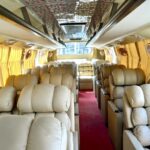
- Private transportation door-to-door, so you’re not juggling drivers or routes.
- Two safari nights in Chitwan with multiple activities, plus full board during those days.
- Kathmandu culture in one tight day, covering Swayambhunath, Pashupatinath, Boudhanath, and Patan Durbar Square.
- Pokhara sightseeing that mixes views and nature, from lake reflections to a cave and a gorge.
- 5-star comfort, 4- or 5-star hotels, depending on availability.
- Monument entrance fees may cost extra, even when the day-by-day plan lists free admission.
Entering Kathmandu in style: visa, pickup, and a plan that starts on arrival
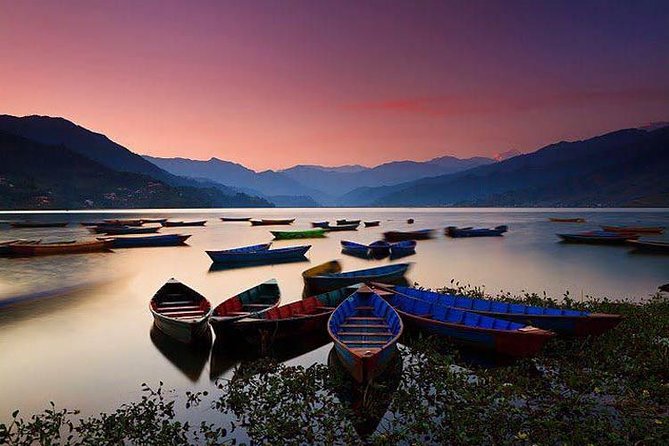
Your first win is simple: when you land at Tribhuvan International Airport, you don’t have to figure out the logistics maze alone. You handle the usual arrival flow—immigration, the arrival card, and the visa on arrival options—then you’re met outside the terminal. A representative looks for your name on a signboard and takes you to your hotel in a private vehicle.
The visa process is straightforward, with set prices depending on how long you want to stay: 15 days, 30 days, or 90 days. If you prefer less queue time, you can also apply online before arrival. Either way, the bigger value here is that your first evening becomes about settling in, not hunting for answers.
After check-in, you’ll have time to decompress. A pre-trip meeting is arranged at the hotel, which is useful because you’ll get a feel for the rhythm of the days ahead. If you’re the kind of person who hates surprises, that meeting matters.
One small practical note: monuments entrance fees are listed as not included in the overall package. Some specific sites on the day-by-day schedule are marked as free, but rules can vary by status or timing. I’d treat it like this: assume some things may be extra, then be pleasantly surprised if not.
You can also read our reviews of more tours and experiences in Kathmandu
Kathmandu Day 2: four major landmarks, one efficient cultural circuit
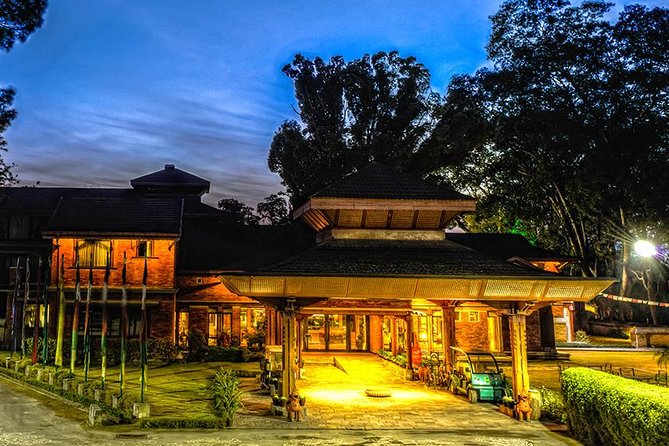
Kathmandu can be loud, crowded, and chaotic at street level. This day is designed to keep you out of the chaos and focused on the spiritual sights—without wasting time.
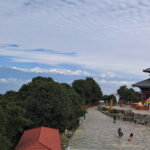
You start at Swayambhunath (Monkey Temple), high on a hill with views over the valley. The name matters: you’ll find monkeys in the complex, and their presence is part of the whole scene. It’s an easy place to get your bearings quickly because you can look out over the city and understand where you are.
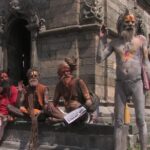
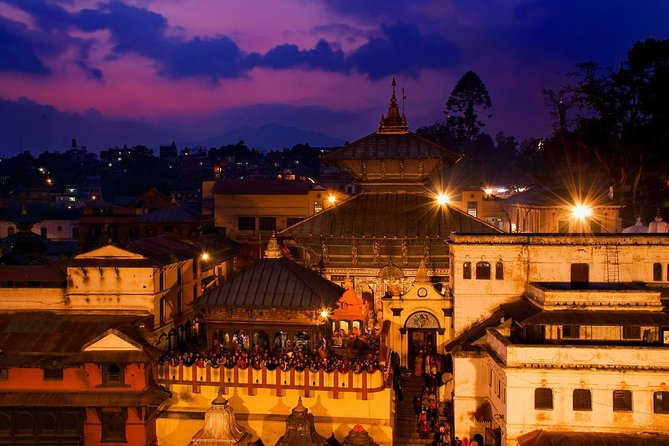
Next comes Pashupatinath Temple, one of the holiest Hindu sites dedicated to Shiva, on the Bagmati River. This place carries an atmosphere that’s hard to fake. Even if you don’t know every ritual, you’ll feel the seriousness of why people come.
Then you visit Boudhanath Stupa, a Buddhist landmark about 2,500 years old. The stupa’s famous eyes looking in four directions give it a watchful feeling, and prayer wheels around the complex put motion at the center of worship. If you like sensory travel—sound, movement, faces, and detail—this is one of your strongest stops.
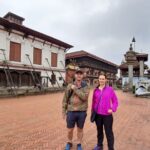
Finally, you head to Patan Durbar Square in Lalitpur. This is the Newari architectural highlight, tied to the Malla kings and their building tradition. It’s a great counterpoint to the larger Kathmandu sites because it feels more architectural than dramatic.
The trade-off? This is a packed day. You’ll want comfortable shoes and a calm pace mindset. Also, dress codes apply around temples, so keep a light shawl or scarf handy.
Chitwan Days 3–4: two nights in the jungle and a safari day that actually delivers
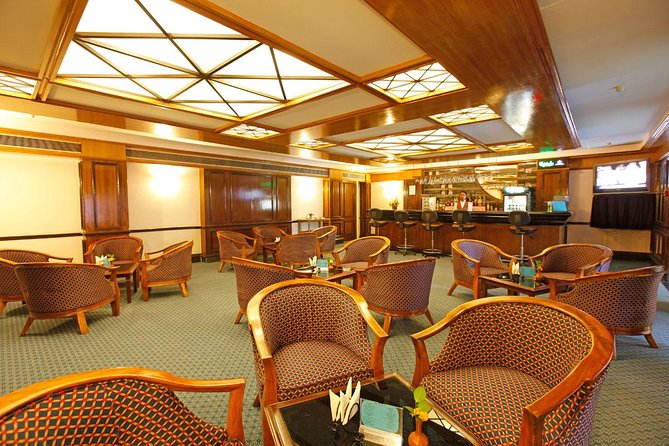
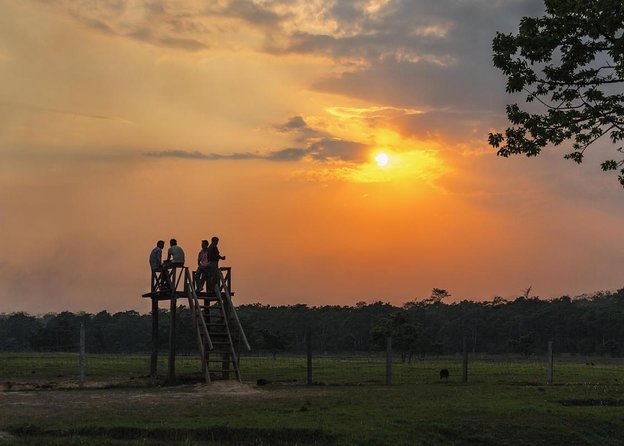
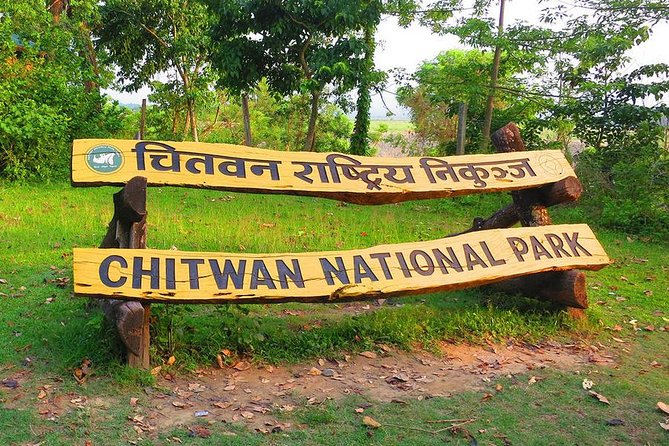
Chitwan is where this trip earns its luxury vibe. The idea isn’t just to say you went on a safari. You get two all-inclusive nights, with safari-style activities across a full day, plus downtime built in.
On Day 3, you leave Kathmandu behind on a scenic drive toward Chitwan—rivers, terraced hillsides, and local villages along the way. When you arrive, you check into your hotel or resort and get a briefing about jungle activities. The afternoon is yours to loosen up, including an option to explore a nearby Tharu village. You can also catch a cultural program featuring a traditional Tharu stick dance. This is more than entertainment; it adds context for the region, not just wildlife.
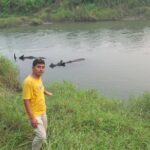
Day 4 is your big Chitwan National Park day (UNESCO-listed for biodiversity). You go out on a safari either by jeep or elephant-back, and you’re aiming for wildlife sightings such as one-horned rhinos, deer, monkeys, wild boars, and—if luck is on your side—Bengal tigers. The key thing to understand: wildlife spotting is never guaranteed. But Chitwan is known for serious species density, and the schedule gives you enough time in the right habitats to make it worth it.
You also get extra nature and activity options: canoeing on the Rapti River, a jungle walk with a nature guide, and a visit to the elephant breeding center. Lunch and dinner are provided at the resort, and the pacing feels more like a real stay in the area rather than a rushed day trip.
Value check: during Chitwan, the package includes full board meals. That matters because it reduces decision fatigue and cost surprises. When you’re tired from early starts, having lunch sorted is a big deal.
Pokhara Days 5–6: lake views, caves, falls, and a gorge viewpoint day
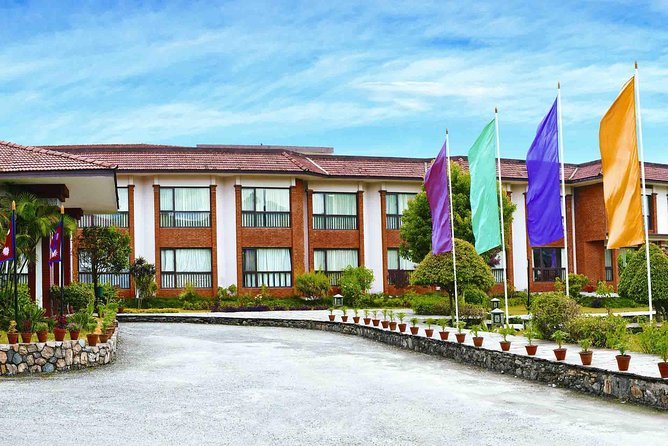
Pokhara is your contrast to Chitwan’s forest energy. You drive there after breakfast, with views of hills, rivers, and everyday Nepal life. Then you arrive at the lake city and get a calmer afternoon.
In Pokhara, you’ll appreciate the structure: the first day is mostly about getting oriented near the lakeside. You can stroll around Phewa Lake and the lakeside area and enjoy the slower pace after safari days. There’s no pressure to cram in more activities immediately. That reset is smart.
Day 6 is packed with sights that feel “outdoorsy,” not just scenic from a car window.
You start at Shree Bindhyabasini Temple in the old bazaar area. Then it’s on to Devi’s Fall, locally known as Patale Chhango, where water flows from Fewa Lake and drops into a deep gorge through potholes. It’s visually dramatic, and it’s one of those places where you understand why people talk about Nepal water and rock.
Next you go to Gupteswar Gupha (Gupteshwor Cave), about 2 km from Pokhara airport. The cave system is described as close to 3 km long, with large rooms and parts that require crawling on all fours. I’d treat this as a “wear grippy shoes” moment. Also, since it’s a Hindu site with a Shiva phallic symbol preserved as discovered, it’s not just a tourist stop—it’s a living place of meaning.
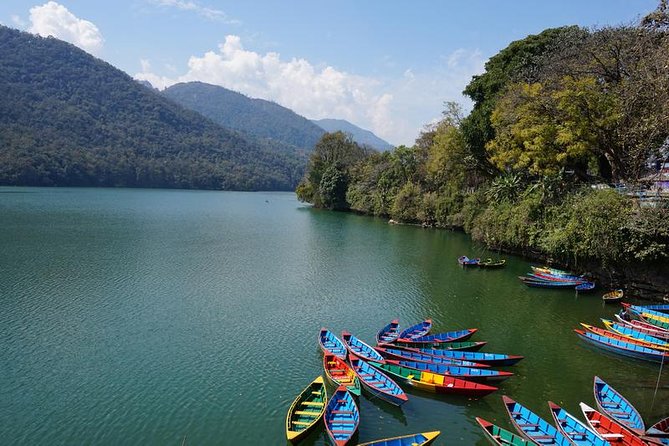
Then you visit Phewa Tal, the big lake scene. The plan highlights the Barahi Island Temple and the chance to see reflections of Mt. Machhapuchhare and Annapurna. You might see it clearly on a crisp day, but reflection visibility can depend on weather and light. Either way, the lake views are a core reason people come here.
Finally, you go to Seti River Gorge, carved by the Seti-Gandaki. You’ll get viewpoints from areas like K.I. Singh bridge and nearby vantage spots mentioned in the plan. It’s a short chunk of time that gives you a dramatic “how did water do that?” moment.
One practical note: this day mixes temples, viewpoints, and physical locations. You’ll want steady energy and water. Even with a luxury setup, your legs still do the work.
Day 7 back in Kathmandu: a calmer return and a proper farewell dinner
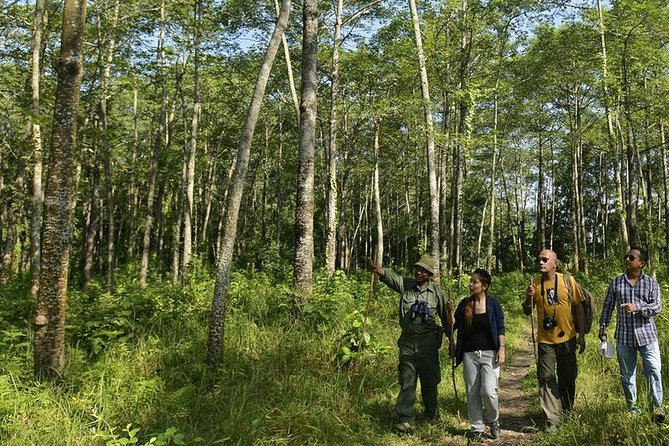
After Pokhara, you drive back to Kathmandu through riverside villages and terraced hills. It’s a chance to watch Nepal life glide by at a slower speed than city traffic.
Once you arrive, you check into your hotel and get time to relax. This is not the day for ambitious side quests unless you’re feeling very energetic.
In the evening, you join a farewell dinner at a traditional Nepali restaurant with authentic cuisine plus a cultural dance performance. This is a nice way to close the loop: you’ve seen major religious sites in Kathmandu, wildlife and local culture in Chitwan, and nature-based sightseeing in Pokhara. A final meal with dance gives your trip an emotional ending.
The one drawback to be aware of: your timing depends on your drive and the restaurant schedule. If you’re sensitive to late nights, consider asking about exact dinner time during your pre-trip meeting.
Day 8 departure: don’t rush it, and use the last hours wisely
Departure days can feel anticlimactic after big experiences. This plan helps by keeping the morning flexible. You’ll have some free time depending on your flight schedule, and if you depart later, you can explore nearby markets for last-minute souvenirs or just rest at the hotel.
Then you transfer to Tribhuvan International Airport in a private vehicle. You’re advised to arrive at the airport at least 3 hours before an international flight. That buffer is worth it in practice, especially when you’re leaving a country where schedules can be busy behind the scenes.
Price and logistics: does $999 make sense for this kind of trip?
At $999 per person for an 8-day / 7-night luxury circuit, you’re paying for the parts that are hard to assemble yourself: private transport, English-speaking guided sightseeing in Kathmandu and Pokhara, safari activities in Chitwan, and higher-end lodging across three regions.
What you’re getting:
- Private transportation throughout
- 4- or 5-star hotels
- Daily breakfast
- Full board in Chitwan (important cost control)
- Jungle activities in Chitwan and a guided structure to help you move efficiently
- Government taxes and official expenses included
What costs extra:
- International airfare
- The Nepal entry visa fee
- Lunch and dinner in Kathmandu and Pokhara
- Monument entrance fees (the package notes they aren’t included)
- Travel insurance, Everest flight, and domestic flights
- Personal expenses like drinks and laundry
Here’s the real value math: if you were trying to book safari transport, guides, hotels, and transfers separately, it’s easy for costs and headaches to stack up. The trip also reduces decision-making, which is a kind of value. You’re not spending your days bargaining with logistics.
The main “watch out” is flexibility. If you’re the type who needs to change plans midstream, the negative communication feedback you’ve likely heard is worth taking seriously. Send questions ahead of time, confirm what is and isn’t included, and assume the schedule is the schedule once you’re there.
Also, do a quick reality check on stamina. This is active travel even in comfort: temple circuits, a cave, lake stops, and a long safari day.
Who should book this Nepal luxury escape, and who should skip it
This trip fits best if you want:
- Luxury stays with private transport
- A structured route across Kathmandu, Chitwan, and Pokhara
- A real Chitwan safari experience with multiple activities, not just one afternoon
- Guided sightseeing where you can focus on the meaning of the places rather than guessing
It’s not ideal if:
- You need heavy last-minute itinerary changes or you want to constantly renegotiate timing on the ground
- You’re on a tight budget for meals and entry fees, because lunch and dinner in Kathmandu and Pokhara are not included, and monument entrance fees may be extra
If you’re a couple, a small group, or anyone who likes comfort but still wants authentic local scenes—Tharu village culture, Hindu temple life, Buddhist stupa rituals—this is a strong match.
One more practical tip: pack light layers. Temples and caves can mean temperature shifts, and early safari mornings can be cooler than you expect.
Final call: should you book this tour?
If your priority is effort-free luxury across three of Nepal’s most recognizable destinations, I’d say yes—especially for the Chitwan portion. The combination of private transport, good lodging, guided sightseeing, and two safari nights is the core strength.
But if you’re the kind of traveler who counts on frequent changes once you arrive, slow down. Ask questions before you go, confirm inclusions, and treat the itinerary as the plan. If you do that, you’ll have a smoother trip—and you’ll spend your energy where it matters: on stupas, temples, river canoes, and the chance to see wildlife.
FAQ
How do I get a Nepal visa for this trip?
You get a visa on arrival at Tribhuvan International Airport. The listed fees are USD 30 for 15 days, USD 50 for 30 days, and USD 125 for 90 days. You can also apply online before arrival for faster processing.
What’s included in the tour price?
The package includes private transportation throughout the trip, 4- or 5-star hotel accommodations, daily breakfast (full board in Chitwan), guided sightseeing in Kathmandu and Pokhara with an English-speaking guide, jungle activities in Chitwan National Park, and all government taxes and official expenses.
What isn’t included?
Not included are international airfare, the Nepal entry visa fee, lunch and dinner in Kathmandu and Pokhara, personal expenses like drinks and laundry, monument entrance fees, travel insurance, Everest flight, and domestic flights.
Where do the safari activities happen, and what’s included?
Chitwan National Park is the safari area. You get jungle activities such as safari by jeep or elephant-back (as options), canoeing on the Rapti River, a jungle walk with a nature guide, and a visit to an elephant breeding center.
What level of hotels will I stay in?
You’ll stay in 4-star or 5-star hotels in Kathmandu, Pokhara, and Chitwan, based on availability.
Will I have airport transfers?
Yes. Pickup is offered, and you’ll be transferred from Tribhuvan International Airport in a private vehicle. You’ll also get a private transfer back to the airport on Day 8.
Can I cancel for a full refund?
Yes. You can cancel for free up to 24 hours in advance of the experience start time for a full refund. If you cancel within 24 hours, the amount paid is not refunded.