REVIEW · KATHMANDU
Luxury Everest Base Camp Trek -11 Days
Book on Viator →Operated by Himalayan Adventure Treks and Tours Pvt Ltd · Bookable on Viator
Everest Base Camp, but with a softer landing. This Luxury Everest Base Camp trek mixes classic high-altitude days with upgraded teahouses and a standout shared helicopter ride back from Gorakshep. It’s also built to feel organized end-to-end, so you’re not constantly solving logistics while you’re trying to enjoy the Himalaya.
What I like most is that you get real comfort upgrades without turning the trek into something fake or padded. The other big win is the helicopter return—views from ground and air—when conditions cooperate, which they’re most likely to do in spring and autumn.
The one drawback to plan around is that helicopter timing is weather-dependent, and big mountain conditions can force delays. If the trip runs long due to weather, the tour notes that you may face extra costs for meals/accommodations in the mountains beyond the scheduled plan.
In This Review
- Key highlights at a glance
- Luxury Everest Base Camp: what you’re really paying for
- Kathmandu start: private transfers and a strong first night
- The Lukla flight: saving time, starting high, and lowering the stress
- Namche Bazaar acclimatization: where the trek starts teaching you patience
- Tengboche to Dingboche: monasteries, high villages, and a smarter pace
- The Lobuche and Gorakshep push: where the trail feels serious
- Kalapatthar and the shared helicopter back to Kathmandu
- Teahouse comfort that actually helps (and what luxury won’t fix)
- Guides, porters, and communication that reduce guesswork
- Who should book this luxury Everest Base Camp trek
- Should you book it?
- FAQ
- What city does the trek start from?
- What time does the experience start?
- How long is the trek?
- Is airport pickup and transfer included?
- Are flights to Lukla included?
- Is the helicopter ride included?
- What accommodation is included in Kathmandu?
- Is the trek all meals covered?
- Do I need a visa?
- Cancellation: can I get a refund?
Key highlights at a glance
- Shared helicopter return from Gorakshep to Kathmandu for a big change of pace
- Upgraded teahouses on twin sharing, with meals included on the trail
- Kathmandu to Lukla flights that cut out a long slog of road travel
- Strong guidance and planning, with past trips citing guide Prakash and owner Bhagwat
- Built-in acclimatization rhythm in Namche and Dingboche to help you adjust
- Duffle bag support and TIMS/Khumbu fees included so you’re not chasing paperwork
Luxury Everest Base Camp: what you’re really paying for
At $4,500 per person for an 11-day package, this trek isn’t about “cheaper trek, nicer hotel.” You’re paying for three things that matter up at altitude: smoother logistics, more comfort during sleep, and less fatigue on the back end. The luxury angle shows up where it counts—your Kathmandu base is a 5-star hotel (two nights), the trekking lodges are described as upgraded, and you get proper support with an experienced guide plus a porter for every two clients.
The other part of the value is how the itinerary is structured. Rather than treating the trek like a one-size-fits-all grind, you get acclimatization days at the right times and a route that stages the climb. The included Kathmandu–Lukla flight also saves you from extra travel time on the ground before you even start walking. And then there’s the emotional payoff: getting to Everest Base Camp is intense, but leaving it doesn’t have to be the same kind of slog. The shared helicopter from Gorekshep to Kathmandu is the signature move.
One practical thing to keep in mind: “luxury” here doesn’t mean heated marble floors on the mountain. You’ll still be trekking, breathing thin air, and navigating trail weather. Think comfort and organization, not removal of the mountains’ personality.
You can also read our reviews of more tours and experiences in Kathmandu
Kathmandu start: private transfers and a strong first night
Your trip begins at Tribhuvan International Airport (TIA), with a company representative meeting you and arranging transfer to your hotel by private vehicle. That matters on Day 1 because Kathmandu traffic and jet lag can turn even a short hop into a headache. You’re also scheduled for two nights in Kathmandu at a 5-star hotel with breakfast, which is a smart buffer before you head up toward Lukla’s much higher altitude.
This is also where you’ll start getting your bearings for the trek—what to expect, how meals will work, and how the day-by-day plan flows. The tour includes TIMS permit and Khumbu valley fees, plus a TIMS-related information management system item, so you’re not stuck in Kathmandu doing paperwork once you’re already in the mood to travel. You’ll also get a duffle bag (returned after the trek) and company T-shirts, which sounds small until you remember how handy it is to keep gear contained and separate from everyday items.
If you’re arriving early or late for your flight schedule, keep in mind the tour notes you may need extra hotel nights in Kathmandu if you end up needing additional time due to return timing changes. That’s not unique to this trek, but it’s something to budget for if your international flights are tight.
The Lukla flight: saving time, starting high, and lowering the stress
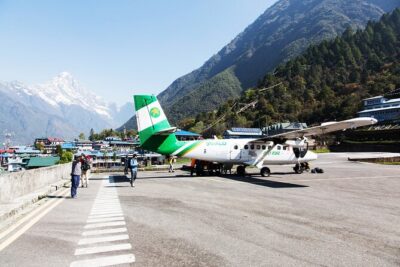
On Day 2, you fly from Kathmandu to Lukla (2860 meters). This one flight is a major reason this version feels “luxury” in practice. Walking in from farther down would add days and fatigue, and in the Everest region, fatigue can be just as limiting as altitude. By getting you to Lukla by air, the trek starts in the right place—high enough to begin your ascent journey without wasting precious time.
From Lukla, you begin trekking onward (the itinerary moves you through Phakding and into Namche Bazaar in the next day). Expect that first stretch to feel brisk if you’re fresh, but also listen to your body: you’re still acclimating. The plan’s strength is that it doesn’t just throw you upward; it supports an altitude progression that builds logically.
The tour also flags mobile ticketing, and it includes travel and rescue arrangements plus medical supplies (a first aid kit). That doesn’t remove risk, but it’s part of how well-run operations handle the Everest region where weather can change quickly.
Namche Bazaar acclimatization: where the trek starts teaching you patience
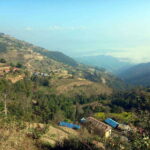
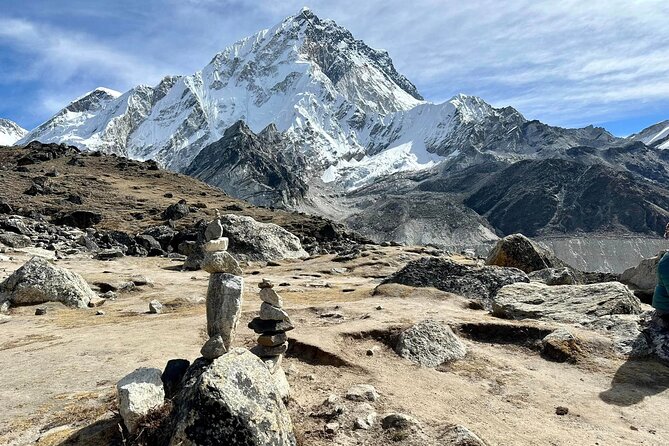
Day 3 takes you from Phakding to Namche Bazaar, a classic Everest waypoint. Namche is busy compared with most places on the trail, but it’s also where you understand what the route is about: big views, a real trekking town feel, and the sense that you’re now in the Everest ecosystem.
Then Day 4 is an acclimatization day at around 3,880 meters. This is where the luxury isn’t about comfort—it’s about timing. Your body needs time to adjust as you climb. Spending a day higher and giving yourself a structured break is one of the best ways to reduce the chance that you’ll feel awful later. The tour also keeps you in a “still-moving, but not pushing hard” mindset on these days.
If you’re the type who hates stopping, acclimatization days can feel like lost time. But on Everest, stopping isn’t failure. It’s how you stay functional when the walking gets longer later.
Tengboche to Dingboche: monasteries, high villages, and a smarter pace
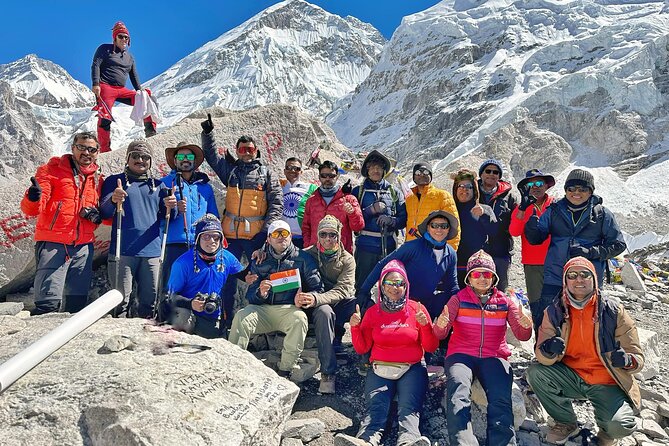
Day 5 brings you from the Hotel Everest View area to Tengboche (3820 meters). That’s a meaningful stop not just because of altitude, but because it’s part of the spiritual and cultural rhythm of the region—Tengboche is known for the monastery atmosphere that trekkers remember long after the miles fade. Expect a day that takes a few hours of walking and sets you up for the next climb.
Day 6 continues onward toward Dingboche (4,360 meters). The itinerary describes this as a longer trekking leg, roughly 5–6 hours, which is typical as you gradually shift from valley walking into harsher highland terrain.
Then Day 7 is another acclimatization day in Dingboche. This repeated pattern is the point: you gain altitude in controlled steps. Dingboche is high enough that you’ll feel the thinner air, but it’s also part of why climbers and trekkers are willing to trust the schedule. You’re not constantly sprinting uphill; you’re training your breathing pace and letting your body catch up to the elevation.
You can also read our reviews of more hiking tours in Kathmandu
The Lobuche and Gorakshep push: where the trail feels serious
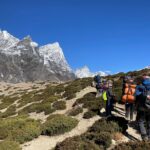
Day 8 is the trek from Dingboche to Lobuche, taking about 5–6 hours. The itinerary notes you’ll cross high-altitude terrain and face challenging weather conditions. This isn’t a day for rushing. You’ll likely feel like you’re working harder simply because your body has less oxygen available. The reward, though, is that the scenery gets more dramatic and the trail becomes more “Everest”—rocky, exposed, and high.
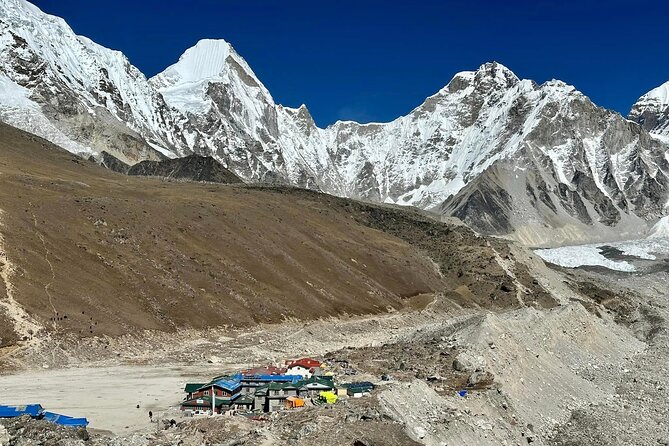
Day 9 is a strenuous day from Lobuche to Gorakshep and onward to Everest Base Camp, roughly 6–7 hours. This is where the words “significant effort” stop being vague. You’re climbing steadily through rocky terrain and glacial moraines, and the route is longer than earlier days because the final approach is demanding. The payoff is the big one: reaching Everest Base Camp.
Here’s the realistic part you should plan for: your pace on these days depends less on your fitness and more on how your body responds to altitude. If you feel lightheaded or unusually exhausted, slow down. Even with a guide, your body is the decision-maker.
Kalapatthar and the shared helicopter back to Kathmandu
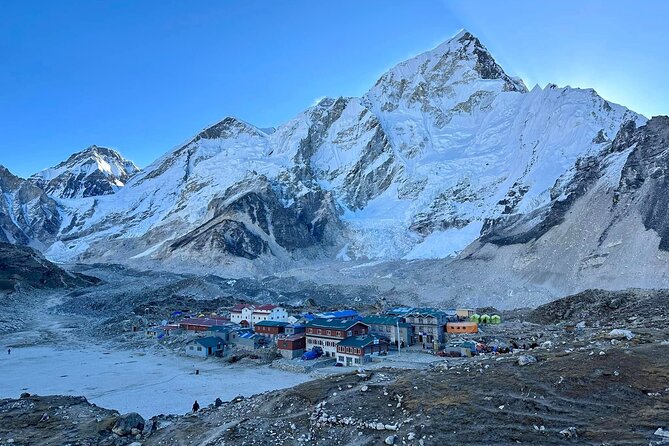
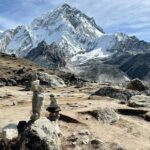
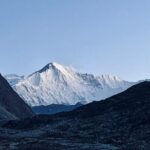
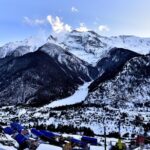
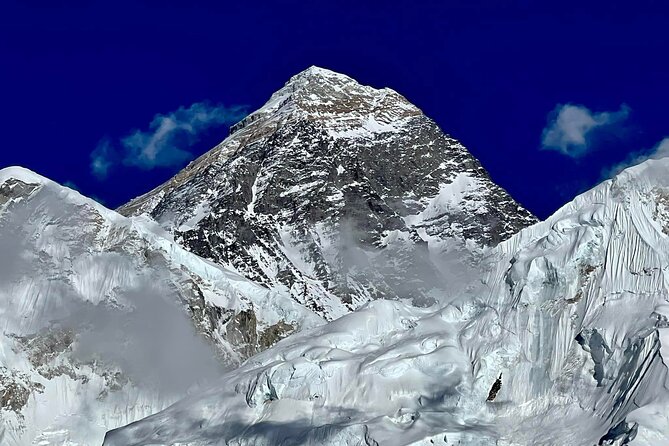
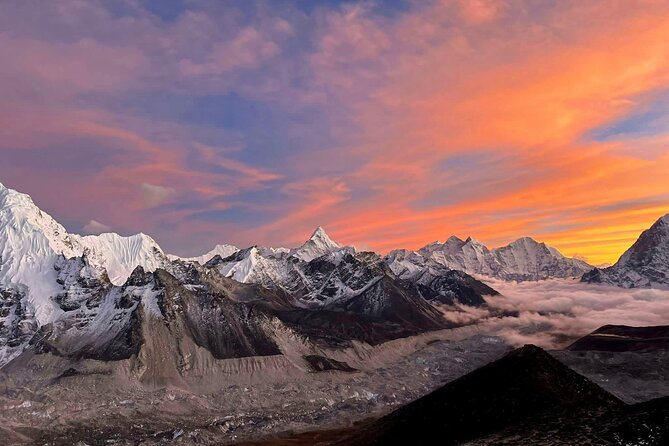
Day 10 includes the hike from Gorakshep to Kalapatthar (5,545 meters). Kalapatthar is popular for a reason: you’re high enough to get that big panoramic feeling over the Everest region. The itinerary calls out panoramic views of the surrounding peaks, and that kind of elevation usually turns the entire day into a visual event.
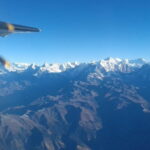
Then the tour’s signature comes into play: the included helicopter fare from Gorakshep to Kathmandu (sharing). The key benefit isn’t just convenience—it’s recovery. After the big height day and the base camp exertion, having air transport back to Kathmandu can keep the trip from turning into a second multi-day grind.
One more practical note: the tour explicitly mentions that spring and autumn are best for stable weather that supports helicopter rides. Even with good planning, weather can still shift. That’s why you should keep your spirit flexible. If conditions allow it, you’ll get views from the air and the comfort of sleeping in Kathmandu rather than battling fatigue through more trekking days.
Day 11 wraps up with a representative taking you to the airport about 3 hours before your scheduled flight, giving you time to check out and plan the next adventure with less rush.
Teahouse comfort that actually helps (and what luxury won’t fix)
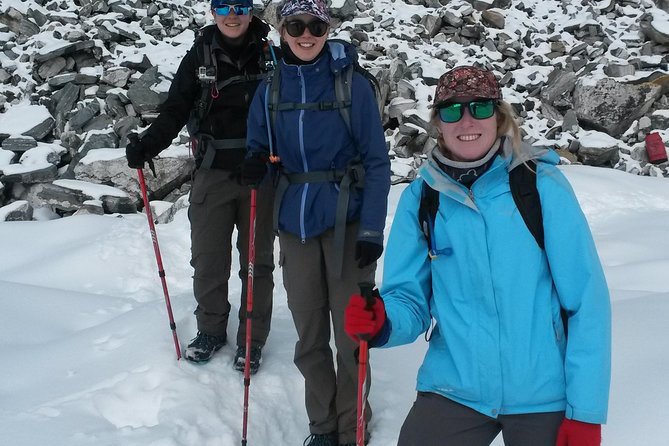
The tour includes upgraded teahouses during the trek on twin sharing, plus lunch and dinner on the mountain. In practice, upgraded lodges can mean better sleep conditions, better hot meal options, and a more comfortable base at the end of a long day. That matters because trekking at altitude punishes bad rest. If you sleep poorly, you arrive at each walking day already tired.
Still, “upgraded” has limits. You’re trekking in high-altitude villages, so you’ll be dealing with cold nights, simple wash setups, and the kind of basic reality that comes with the Himalaya. What luxury helps with is reducing how miserable the simple stuff feels—things like meals, the lodge experience, and the overall flow of the day.
Also pay attention to meal coverage. The package includes lunches, dinners, and breakfasts during trekking, but it does not include all meals in Kathmandu. If your flights create extra Kathmandu time, the tour notes you’d also need to cover meals in Kathmandu for those extra days.
Guides, porters, and communication that reduce guesswork
This trip’s best praise isn’t about towels or gadgets. It’s about people and planning. In past experiences with Himalayan Adventure Treks & Tours, the guide Prakash received standout mentions, and the owner Bhagwat is described as highly organized and actively involved. Translation for you: this is the kind of operator that’s trying to make you feel like the plan is handled.
You also get a porter (1 porter for 2 clients). That’s not about making Everest easy—it’s about saving energy for the trail and giving you a smoother day. If you’ve ever carried your own heavy day bags on steep sections, you’ll understand why this matters, especially as the hike lengths increase.
The package also includes travel and rescue arrangements and a first aid kit. That doesn’t guarantee anything, but it’s a signal that the company expects the region to be unpredictable and plans accordingly. Add in pickup, private transfers, and included flight tickets to Lukla, and it’s a trek that aims to remove the small stressors that can pile up.
Who should book this luxury Everest Base Camp trek
This is a strong fit if you want Everest Base Camp with more comfort and less logistical friction. The tour is described as suitable for people with moderate physical fitness, and it’s private, so only your group participates. If you’re traveling as a couple or family, that privacy can make a big difference in pacing and comfort.
It’s especially appealing if you’d enjoy classic trekking views but want a cleaner ending. The helicopter return from Gorakshep is the big “luxury lever,” and it changes the emotional rhythm of the trek—hard effort up, then a far less painful descent.
You might want to think twice if you’re on a tight international schedule and can’t handle possible weather delays. Even though the plan is designed for stability in spring and autumn, the trek notes you could be stuck in the mountain due to bad weather and might need to cover additional expenses for meals and accommodation beyond the scheduled timing.
Should you book it?
If your dream is Everest Base Camp plus comfort upgrades, this is a smart way to buy that dream. You get 5-star Kathmandu nights, upgraded teahouses, flights to Lukla, a scheduled acclimatization rhythm, and—most memorably—a shared helicopter return that can save you from extra days of fatigue.
I’d book if you value organization and support. The strong mentions of guide Prakash and owner Bhagwat are a good sign that the human side of the trip matters here. You’ll likely feel guided and cared for rather than simply delivered to a trail.
I’d hesitate if you’re the type who panics over schedule shifts. In the Everest region, weather can matter, and while the operator includes rescue/travel arrangements, the tour also notes the possibility of extra mountain costs if delays push beyond the scheduled plan.
FAQ
What city does the trek start from?
The trek starts from Kathmandu, Nepal, with pickup arranged from Tribhuvan International Airport.
What time does the experience start?
The start time is 6:00 am.
How long is the trek?
The duration is about 11 days.
Is airport pickup and transfer included?
Yes. The package includes pickup from the airport and transfer to the hotel by private vehicle.
Are flights to Lukla included?
Yes. Kathmandu to Lukla (or Ramachap to Lukla) flight tickets are included.
Is the helicopter ride included?
Yes. Helicopter fare from Gorakshep to Kathmandu is included (sharing).
What accommodation is included in Kathmandu?
Two nights in Kathmandu in a 5-star hotel with breakfast are included.
Is the trek all meals covered?
Lunch, dinner, and breakfast during trekking are included, but all meals in Kathmandu are not included.
Do I need a visa?
Visa fees are not included. The tour notes you can obtain a Nepal visa easily in Kathmandu airport.
Cancellation: can I get a refund?
Yes. You can cancel up to 24 hours in advance for a full refund.