REVIEW · KATHMANDU
10 Days Annapurna Circuit Trek
Book on Viator →Operated by Himalayan Trekking · Bookable on Viator
Thorung La day is the real headline. This 10-day Annapurna Circuit trek mixes steep walking, mountain villages, and big passes, ending with a flight over the Kali Gandaki Gorge. I like that the route builds from forest trails into high-altitude country, so the scenery—and the effort—both ramp up in a way that feels earned.
I also like the “team” setup: a guide plus porters (1 porter for every 2 people) and meals already planned. The possible drawback is altitude and fatigue: you’re going to hit Thorung La at 5,416m, and some days include narrow, tough footing on unstable slopes.
In This Review
- Key Things That Make This Trek Worth Your Time
- The Annapurna Circuit in 10 Days: What You’re Really Signing Up For
- Kathmandu Morning, Then Straight Into Trek Mode
- Besishar to Chame: Forest Switchbacks and First Real View Payoffs
- Manang Village and Gangapurna Lake: The Trek’s Most Human Day
- Thorung Phedi Night: Where You Start Thinking Like a Pass Hiker
- Thorung La (5,416m) and Muktinath: The Peak Day With Real Atmosphere
- Kali Gandaki Descent to Jomsom: The Mood Shift You’ll Feel
- Jomsom to Pokhara by Flight: Why This Ending Works
- Price and Value: What $1,430 Buys You (and What It Doesn’t)
- Group Size, Pace, and the Support System That Helps With Altitude
- Who Should Book This Annapurna Circuit Trek (and Who Might Hesitate)
- Should You Book Himalayan Trekking for This 10-Day Circuit?
- FAQ
- How long is the Annapurna Circuit trek?
- Where does the trek start and what time?
- Is a guide included?
- How do porters work for this trek?
- Is the flight included?
- What meals are included?
- Is bottled water included?
- Are admission tickets included for Thorung La and Muktinath?
- What group size should I expect?
- What is the cancellation policy?
Key Things That Make This Trek Worth Your Time
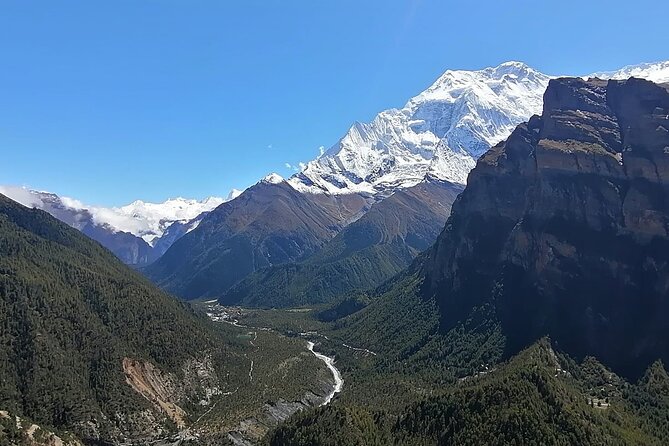
- Thorung La (5,416m) as the finish-line moment with views toward the Dhaulagiri range
- Manang-focused culture time, including village exploration and Gangapurna Lake
- Real support in the mountains with guide-led pacing and porter help for shared loads
- A big change of terrain on the descent through the Kali Gandaki Valley and Tibetan-style villages
- Included logistics that save you energy: private transportation, domestic flight, and all meals
The Annapurna Circuit in 10 Days: What You’re Really Signing Up For
The Annapurna Circuit isn’t one kind of trek. It’s a sequence of different “worlds” stacked on top of each other. One day you’re walking through pine and deep valleys; the next, you’re dealing with dry, arid terrain and prayer-flag villages. By the time you reach the high point, you’ve already earned the bragging rights.
This particular plan keeps things punchy—about 10 days for a trek that can cover roughly 100–145 miles / 160–230 km depending on pacing and route day length. That means you’ll spend fewer days “wandering” and more days making progress, which is great if you like momentum. It also means you need to show up ready for long days.
I like that the itinerary doesn’t pretend the pass will be easy. Day 7 is specifically described as tough with narrow paths and unstable slopes, which is exactly the kind of heads-up you want. And Day 8 makes it clear you’re going to the top—Thorung La at 5,416m—not just nearby.
You can also read our reviews of more hiking tours in Kathmandu
Kathmandu Morning, Then Straight Into Trek Mode
The trek starts with a very practical rhythm: a morning pickup (start time listed at 7:15am, with pickup around 7am) and a long drive out of Kathmandu. You’ll head toward Besisahar, about 185 km away, with the drive taking roughly 7 hours.
First stop is Manakamana Temple. This matters more than it sounds. It gives you a cultural landing point and a quick mental shift from city time to mountain time. It also helps you settle before you’re stuck counting switchbacks.
Two helpful things to know up front:
- You’re relying on early-day transportation, so don’t plan a late Kathmandu dinner the night before.
- You’ll want layers ready in your day bag. The drive can be long and temperatures can swing.
Besishar to Chame: Forest Switchbacks and First Real View Payoffs
Your early walking days are about getting your legs working and earning the first dramatic sight lines.
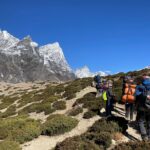
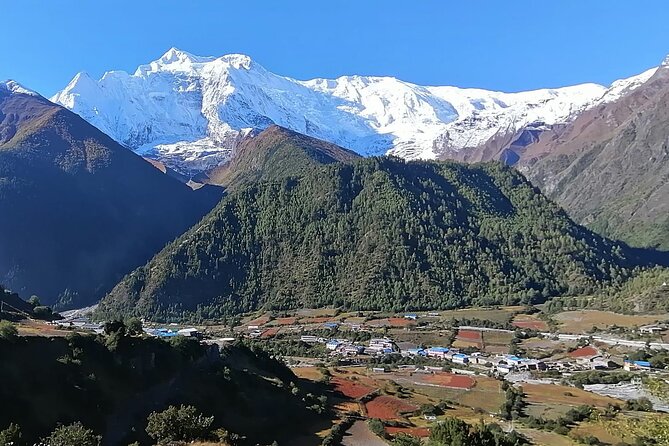
On Day 2, you climb toward Tyanja (2,360m) and continue to Kopar (2,590m). Then you reach Chame, the headquarters of the Manang district. This is where the trek starts to feel more like “classic high-mountain hiking,” because you get those cleaner, bigger views of peaks like Annapurna II.
Day 3 leans into a different feel: deep forest, a steep and narrow valley, and long-bridge crossings at 2,910m and 3,040m. When the trail squeezes between cliffs and trees, your pace slows naturally. That’s not a bad thing. It’s how you protect your energy for the higher days.
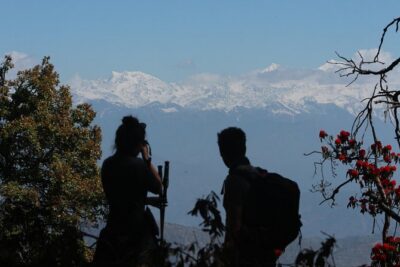
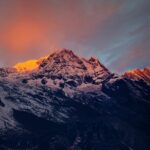
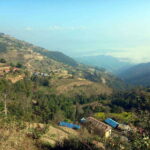
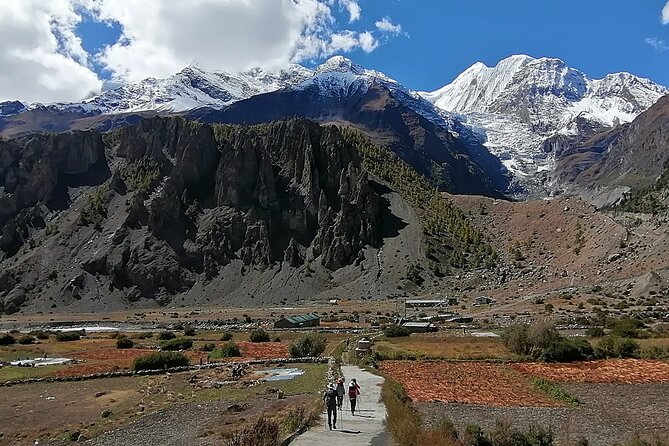
Day 4 switches to aromatic pine country before you reach Manang. The big draw here is the close-up panorama near the village—views called out include Gangapurna, Annapurna II & III, Tilicho, Chulu east, and Pisang peak. That’s a lot of names for one day, but the point is simple: your senses start working overtime. Expect “stop and stare” moments, because the peaks become more present.
Possible drawback in this section: the earlier days still involve real elevation gains and long walking hours. If you’re even slightly unsure about your fitness, this is where you’ll feel it first. Start slow, sip water often, and don’t treat the first days as a warm-up.
Manang Village and Gangapurna Lake: The Trek’s Most Human Day
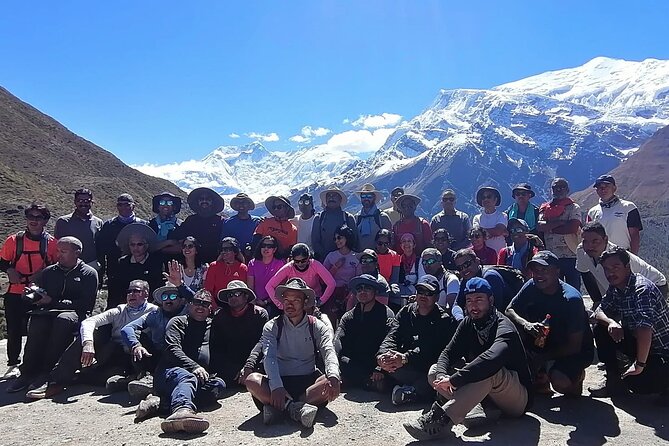
Day 5 is the day that turns this from a hiking route into a place you actually meet.
You explore Manang village for real mountain-life context, including time to interact with locals and visit Gangapurna Lake. That lake stop is a nice change of pace after a sequence of ridges, bridges, and valley crossings. It’s also the kind of day that helps your body adjust. It gives you movement, but not just “climb, climb, climb.”
Day 6 then continues the momentum as you leave Manang behind and climb toward the Marshyangdi valley. You’ll pass through Gunsang village and then Yak-Kharka, with Ledar reached before sunset.
This part of the trek matters because Manang is where the terrain and culture start to feel distinctly high-altitude. Even without knowing local details, you’ll sense the change in farming, clothing, and how the villages sit in the mountains. If you want a trek that’s not only about summits, this is the day you’ll remember.
Thorung Phedi Night: Where You Start Thinking Like a Pass Hiker
Day 7 is a gate into the hardest part of the itinerary.
You walk along the east bank of the Jorsang Khola and head toward Thorung Phedi for an overnight stay. The route description calls out narrow paths and unstable slopes, which is exactly the kind of day where good foot placement and steady pacing matter more than speed. When the path is tricky, you burn mental energy. So plan for a slow, careful day.
This is also the night before the pass, which means your choices today affect tomorrow. Pack efficiently. Keep what you’ll need in the morning easy to access. And try not to add extra “activities” just because you arrive early.
Practical tip: wear your most reliable hiking boots and double-check laces and socks. A small slip on unstable footing becomes a bigger problem when you’re preparing for a high pass the next day.
Thorung La (5,416m) and Muktinath: The Peak Day With Real Atmosphere
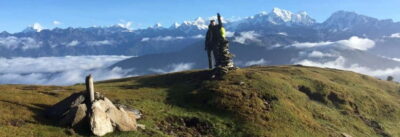
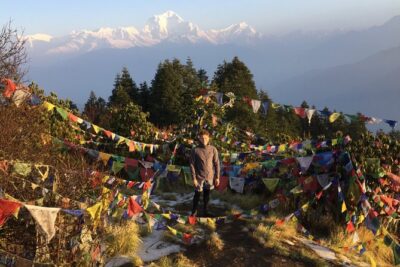
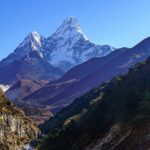
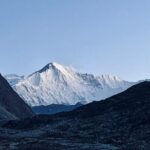
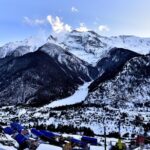
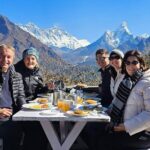
Day 8 is the showpiece: hike toward Thorung La at 5,416m, the highest point on the trek. From the pass, you can spot the Dhaulagiri range. That’s the kind of view that changes the way you think about altitude. It’s not just numbers; it’s the scale of mountains stretching out under harsh light.
On the same day, you also visit Muktinath Temple, described as a holy and powerful temple in the Mustang region. The trek plan lists admission as not included for both the pass segment and this temple time, so budget for those entry fees.
How to make this day feel smoother:
- Go slow. For high passes, slow is the fastest strategy.
- Expect colder conditions at altitude even if the lower trail feels warm.
- Don’t chug everything at once. Small, regular sips help.
If you’ve ever wondered whether a trek is worth it for one “big moment,” this is that moment. The pass day is long enough to test you, but it’s structured so you arrive with the trail behind you and the reward ahead.
Kali Gandaki Descent to Jomsom: The Mood Shift You’ll Feel
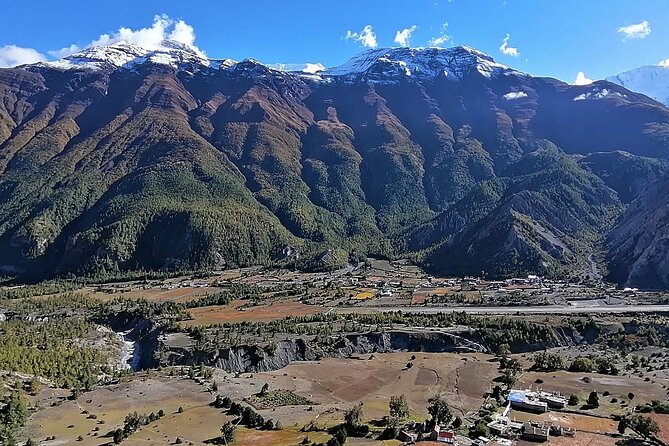
After the pass, the trek becomes about controlled descent and changing scenery.
Day 9 starts with descending down the dramatic Kali Gandaki Valley through arid landscapes. You’ll pass places like Jharkot and Khingar, described as typical Tibetan villages, then follow the valley floor for much of the way until reaching Jomsom (right in time for your flight the next morning).
This day is a mental shift. Up high, your breathing becomes the main challenge. On the descent, it’s your knees, your balance, and your ability to keep moving without rushing. The arid valley also means you’ll likely feel the sun more. Hydration matters, and so does sun protection.
The good news: after a high pass, even steady walking can feel like a release. You’re not done—this is still trekking—but it’s a different kind of effort. Think “steady legs,” not “hero mode.”
Jomsom to Pokhara by Flight: Why This Ending Works
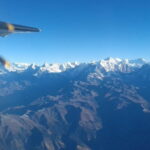
Day 10 follows a clean logic: after breakfast, you catch a morning flight to Pokhara. The flight is described as spectacular, passing above the Kali Gandaki Gorge with big views of Dhaulagiri and Annapurna ranges.
This is a smart choice for two reasons:
- It saves you from adding extra trekking days right after the pass.
- It gives you a last big mountain view from a different angle.
In Pokhara, you get free time to visit the city and do an easy highlight: boating at Fewa Lake. It’s a great way to transition from trekking muscle to vacation muscle—without overplanning.
One thing to watch: flights can be sensitive to weather in mountain regions. The trek plan lists the flight as included, but if visibility is poor, your view quality might vary. Still, the route is set up so you’re not left scrambling.
Price and Value: What $1,430 Buys You (and What It Doesn’t)
At $1,430 per person for a 10-day guided trek, the value comes from what’s already handled.
Included items that really matter:
- Guide and porters (1 porter assigned for 2 people)
- Private transportation
- Domestic flight (Jomsom to Pokhara)
- Meals: breakfast (11), lunch (10), dinner (10)
- Sleeping bag
- All fees and taxes
- Coffee and/or tea
That combination is a big deal. Many treks make you manage too many pieces—food, transport, permits/fees, and logistics. Here, you’re paying for the structure. That structure also helps you focus on the trail and altitude decisions rather than admin.
What’s not included (so you don’t get surprised):
- Bottled water
- Alcoholic beverages
- Air-conditioned vehicle
- Admission not included for the Thorung La segment and Muktinath Temple entry
Budget reality check: the biggest “hidden” cost on any trek is usually how you handle hydration and warmth. Since bottled water isn’t included, you’ll want to plan your water strategy early.
Also consider personal fit. If you’re carrying nothing and walking with a porter-supported system, you’ll feel the trek differently than if you’re hauling your own load. That’s part of the value here.
Group Size, Pace, and the Support System That Helps With Altitude
This trek runs with a maximum of 15 travelers, which is a sweet spot for many people. It’s not too crowded on narrow sections, and it usually feels easier to manage than huge groups.
Your guide matters on this specific itinerary because the “hard parts” are spelled out:
- Narrow, unstable footing near Thorung Phedi
- A long Thorung La day at 5,416m
In the broader company experience, guides are described as helpful, flexible, and attentive to altitude trouble—the kind of support you want if you start feeling off. I’d still treat that as a reminder: pack patience, tell your guide early if you’re struggling, and let them adjust your pace.
Porters make a noticeable difference too. When the load is shared (1 porter for every 2 people), you protect the part of your body that matters most on high days—your legs and your breathing. You also spend less energy managing gear, which is underrated.
Who Should Book This Annapurna Circuit Trek (and Who Might Hesitate)
This trek is a great fit if you want:
- A guided route with clear daily progress
- Strong mountain views, especially around Chame, Manang, and Thorung La
- A finish that includes a scenic flight and easy decompression in Pokhara
It’s also ideal if you like a mix of nature and culture—Manang village time and Muktinath add human texture to the physical challenge.
You might hesitate if:
- You’re very sensitive to altitude and need lots of gradual time to adjust (this plan still climbs to a major high point)
- You prefer less “early morning / long travel” energy. The schedule starts with a full-day drive from Kathmandu and keeps moving
Should You Book Himalayan Trekking for This 10-Day Circuit?
If you want a trek where logistics are handled and your day-to-day effort goes into walking, this is a solid match. The included package is strong: guide and porters, meals, sleeping bag, private transport, and the Jomsom to Pokhara flight. That’s the kind of setup that helps you stay calm when the trek gets tough.
I’d book if you’re comfortable with a real mountain challenge and you’re ready to take altitude seriously on the way to Thorung La. I’d hold off—or ask more questions—if your main goal is an ultra-relaxed walk with minimal strain.
One more deciding tip: check your personal gear plan. Since bottled water and certain admissions aren’t included, bring smart basics (sun protection, a plan for water, and some cash for small fees). Then you’ll enjoy the mountains instead of doing last-minute problem solving.
FAQ
How long is the Annapurna Circuit trek?
It’s listed as 10 days (approximately).
Where does the trek start and what time?
It starts at Himalayan Trekking and Tours in Kathmandu, with a start time of 7:15 am.
Is a guide included?
Yes. A guide is included.
How do porters work for this trek?
Porters are included, with 1 porter assigned for 2 people.
Is the flight included?
Yes. The domestic flight from Jomsom to Pokhara is included.
What meals are included?
Breakfast is included for 11 mornings, and lunch and dinner are included for 10 days each.
Is bottled water included?
No. Bottled water is not included.
Are admission tickets included for Thorung La and Muktinath?
No. Admission tickets for Thorung La and Muktinath Temple are not included.
What group size should I expect?
The trek has a maximum of 15 travelers.
What is the cancellation policy?
Free cancellation is available up to 24 hours in advance for a full refund.