REVIEW · KATHMANDU
Rafting in Nepal: Trishuli, Bhotekoshi & Other River Rafting
Book on Viator →Operated by Shepherd Holidays · Bookable on Viator
A half-day of rafting turns into a full Nepal memory. This trip pairs class II–III rapids on Trishuli with bigger Class III–V energy on Bhote Koshi, plus hotel pickup and drop-off that keeps the day moving. I like that the organizers build in a safety briefing with well-trained guides, so you spend more time on the river and less time wondering what to do next.
The main thing to consider is time on the road. If you end up on a public/tourist bus, the ride can run long on rough roads, and that can make the overall day feel stretched.
In This Review
- Key points worth knowing before you go
- Why Kathmandu-to-River Rafting Feels So Worth It
- Trishuli River: Class II–III Whitewater With a Beginner-Friendly Rhythm
- Bhote Koshi: Class III to V Rapids for When You Want Bigger Payoff
- How the Full Day Runs: Pickup, Drives, Safety Briefing, Then Rapids
- Price and Value: What $90 Actually Covers
- Transportation Reality: The Road Can Be Part of the Adventure (Or Not)
- Safety, Gear, and the Stuff You Should Do Before You Go
- What to Pack and How to Stay Comfortable in 6 to 12 Hours
- Who This Rafting Day Suits Best
- Should You Book This Kathmandu Rafting Day?
- FAQ
- What does the tour include?
- How long is the rafting experience?
- Where is the rafting located?
- What level of rapids should I expect on Trishuli?
- What level of rapids should I expect on Bhote Koshi?
- Is lunch provided?
- Do I need private transportation?
- How many people are in the group?
- Are service animals allowed?
- What if the weather is bad?
- What’s the cancellation window?
Key points worth knowing before you go
- Two very different rivers: Trishuli for manageable whitewater, Bhote Koshi for tougher rapids.
- You get transport help: Pickup/drop-off and bus transfers reduce the stress of getting to the put-in.
- Safety briefing first: You’ll get instructions before hitting the current.
- Warm-water rafting most seasons: The river flow makes rafting possible in many months.
- Lunch is included: A typical Nepali lunch is part of the package.
- Small group size: Maximum of 15 travelers per trip.
Why Kathmandu-to-River Rafting Feels So Worth It
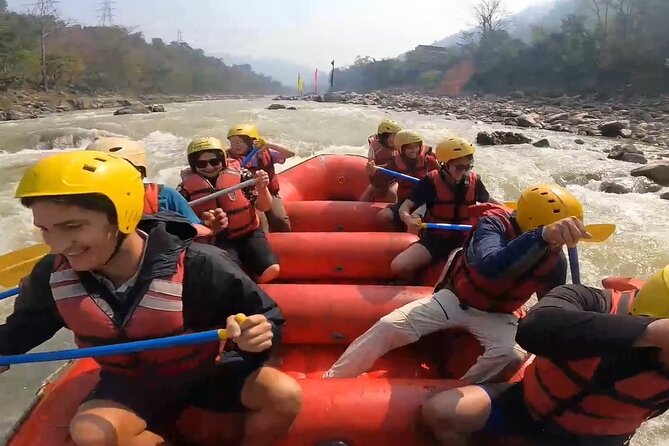
Rafting is one of those Nepal activities where the effort pays off fast. In one day you’ll get the thrill of whitewater, a real working view of the river valleys, and the kind of “we did it” confidence that sticks.
This experience is designed for people who want adventure without committing to a deep wilderness trek. You’ll leave Kathmandu, ride out to the put-in, gear up, and then run rapids with a guide crew. The day is built around comfort and control: you’ll get pickup, you’ll get a safety briefing, and you’ll have lunch handled.
The value here is that your logistics are mostly covered. The price isn’t just for the raft—it’s also for getting you there and feeding you before the return ride.
You can also read our reviews of more tours and experiences in Kathmandu.


Trishuli River: Class II–III Whitewater With a Beginner-Friendly Rhythm
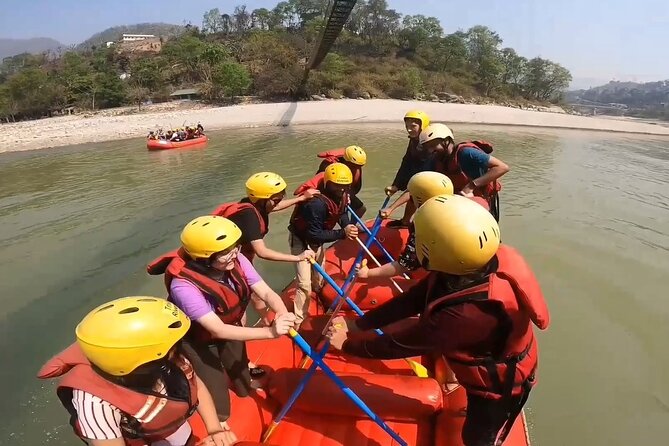
Trishuli is one of Nepal’s more popular rafting rivers, and that matters. It’s the kind of water that lets first-timers feel brave without feeling unsafe, mainly because the rapids are Class II and III. That rating usually translates to waves, bumps, and moments of excitement—not constant danger.
The day starts with a scenic drive to the area near Charaudi, where your rafting begins. You’re not staring at a wall of scenery the whole time, but you do get the steady view of hilly countryside that makes the journey feel like part of the experience, not just transit.
Once you’re on the river, the goal is simple: enjoy yourself while learning how to move with the boat. Your crew will go over how to hold on, when to brace, and how to listen. The key is that Trishuli’s rapids are manageable, so you can focus on the fun—especially if it’s your first real rafting day.
What I like about Trishuli’s style is how it builds confidence. Even if you’re not athletic, you can usually handle the day if you’re comfortable on your feet and ready for a workout from paddling. You’ll still get adrenaline, just with a steadier pace.
Bhote Koshi: Class III to V Rapids for When You Want Bigger Payoff
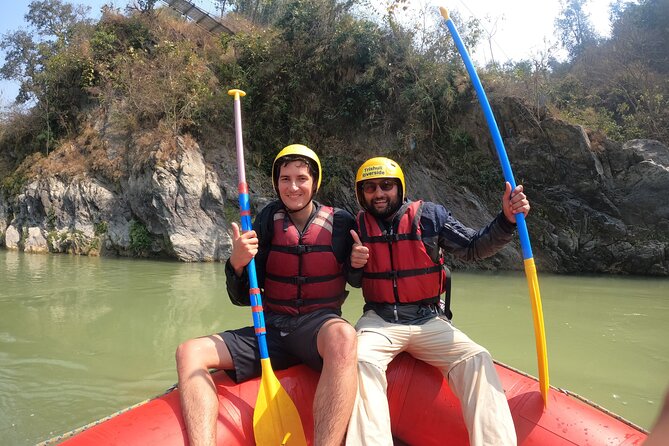
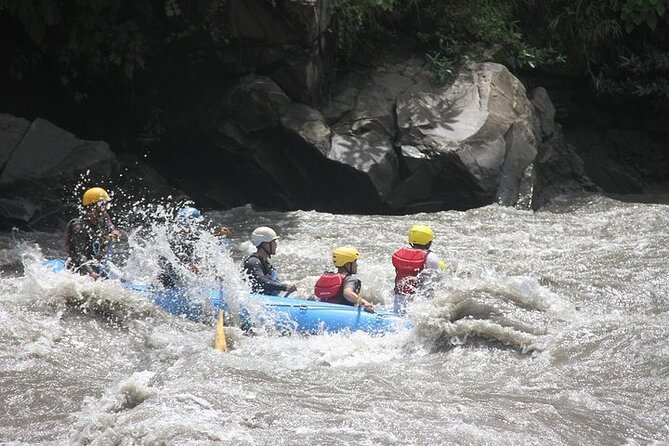
If Trishuli is the warm-up, Bhote Koshi is the moment you earn your grin. This river is rated Class III to V, and the description around Bhote Koshi is clear: this is for adrenaline-seekers and stronger rafters.
Your drive goes toward Sukute, where you’ll feel the difference before you even start. Bhote Koshi is known for intense rapids and more aggressive sections than what you’ll typically get on easier rivers. The trip passes through narrower stretches and stronger energy zones, which means you’ll be more alert the entire time.
One of the big things to understand is that higher class doesn’t just mean wilder water. It also means you’ll need to follow instructions closely—timing matters. When the guide calls for a paddle stroke or tells you to brace, you’ll want to respond quickly.
I also appreciate that this isn’t sold as some extreme stunt. It’s positioned as a full day experience with safety instructions, so if you’re experienced, you’ll feel challenged; if you’re new, you’ll want to be honest with yourself about your comfort level.
How the Full Day Runs: Pickup, Drives, Safety Briefing, Then Rapids
The trip is set up as a day you can actually plan around. You’ll get pickup and drop-off at your hotel, then you’ll transfer by private transportation (if you choose it) or by public/tourist bus. The schedule is listed as roughly 6 to 12 hours total, depending on the day and routes.
Your rafting time is organized in two parts:
- Trishuli rafting (about 3 hours for that segment)
- Bhote Koshi rafting (about 3 hours for that segment)
In practical terms, that split is helpful. You get a chance to enjoy the easier rapids first, then shift gears for the harder water.
Before you hit the current, you’ll receive a thorough safety briefing. This isn’t the kind of briefing you can skip without consequences. It’s where you’ll learn how the guides run the boat and how to handle your body in sudden waves—especially important if you’re doing Bhote Koshi.
Between the river segments, you’ll be eating and re-setting before you go again. A typical Nepali lunch is included, which matters more than you’d think. A big rafting day can wear you out fast, and not having to hunt for food is one less stress.
Price and Value: What $90 Actually Covers
At about $90 per person, this isn’t an all-day luxury. But it does cover the big costs most people forget to budget for.
Here’s what’s included:
- Hotel pickup and drop-off
- Transport to the put-in (private option or public/tourist bus)
- Rafting expenses
- Lunch (typical Nepali lunch)
- Return transport from the ending point back to the starting point
What’s not included:
- Accommodation
- Personal expenses like extra food or shopping
- Travel insurance (not listed as included)
The value angle is that rafting logistics in Nepal can be the hardest part—roads, timing, and getting back to Kathmandu. If you’ve ever waited too long for transport, you know why that matters. The package helps you avoid the “where do I go now?” scramble.
The one price-to-attention tradeoff: if you choose public/tourist bus transport, your day may feel longer than you expect. The raft portion is still the main event, but the ride can be a significant chunk of the day.

Transportation Reality: The Road Can Be Part of the Adventure (Or Not)
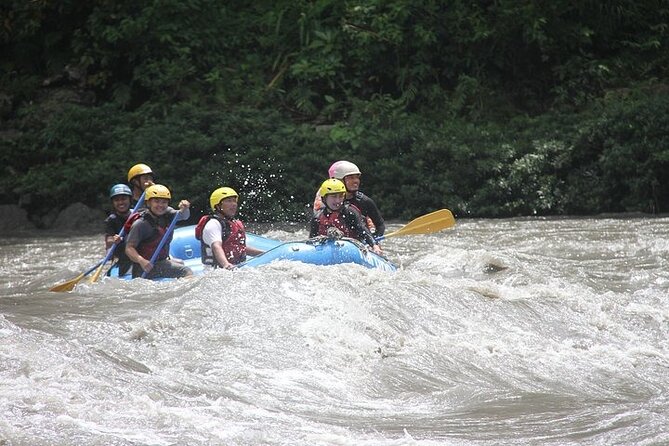
This is the one area where your experience can vary.
On some days, the drive from Kathmandu is described as around 2.5 hours, but that doesn’t mean it will always feel quick. Nepal’s roads can be rough, and in quieter times of year, boats may be filled with staff and operations people (meaning your group setup can feel different than a peak-season crowd).
If you’re sensitive to long rides, I’d lean toward private transportation when it’s offered. The tour clearly gives you that option, and it can turn a tiring bus day into something far more relaxed.
Also, you’ll want to assume the day has some waiting time. Not because anyone is trying to be difficult, but because the river and the logistics both have their rhythm.
Safety, Gear, and the Stuff You Should Do Before You Go
A rafting day can be simple when everyone knows their job. In this experience, your baseline is strong: you’ll get a safety briefing and you’ll be rafting with well-trained guides.
That said, you still need to show up ready to listen. If you freeze when instructions are spoken quickly, tell yourself to stay calm and focus on the next cue only. That mindset helps no matter what class of rapids you’re running.
Here’s what you can do to make the day smoother:
- Wear clothes that can get wet and dry fairly quickly.
- Keep small valuables secure and out of the way.
- Bring a plan for your phone/camera (even if the trip handles personal belonging protection in general terms, you still don’t want to tempt fate).
You’ll likely find the trip feels safest when you treat it like a team sport: paddle when told, brace when told, don’t improvise.
What to Pack and How to Stay Comfortable in 6 to 12 Hours
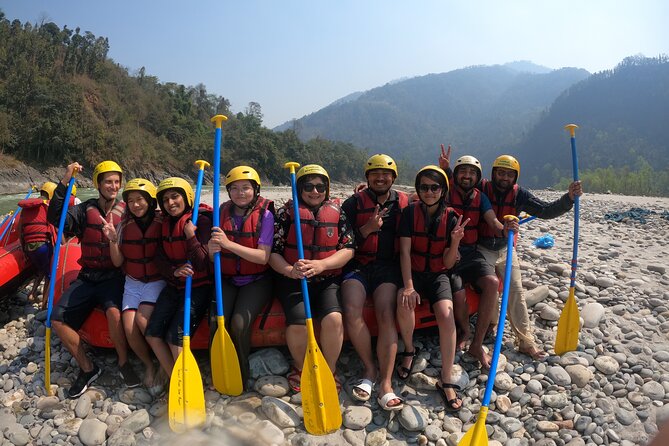
Even with a good operator and included lunch, you’ll still be outdoors for a long chunk of the day. Weather and river spray are your two main variables.
Bring:
- A quick-dry outfit (you will get wet)
- Sunglasses with a strap if you care about them
- Sunscreen and a hat if you burn easily
- Water-resistant storage for your phone and keys
- A small towel or extra dry clothes for the ride back, if you have room
You’ll also be helped by the fact that this is a group trip with a maximum of 15 travelers. Smaller groups usually mean the guide crew can manage the boat flow and safety attention more easily.
One more comfort note: the rafting experience is described as being on a relatively warm-water river. That’s great. It usually means less freezing and more paddling comfort, especially if you’re rafting outside the hottest months.
Who This Rafting Day Suits Best
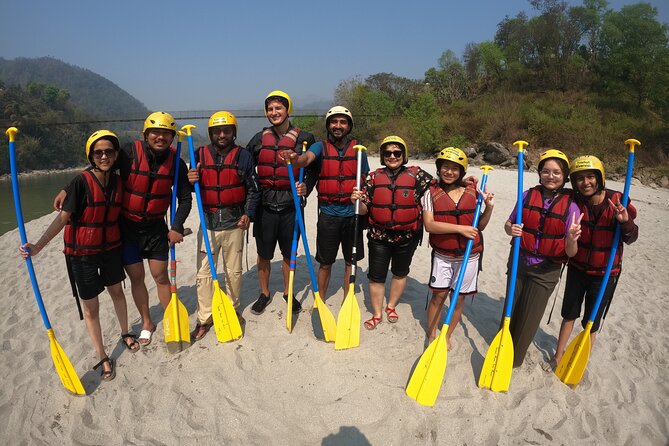
This is a great fit if you want two things in one outing:
1) a friendly start on Trishuli
2) a stronger challenge on Bhote Koshi
It also works well if you don’t have time for a multi-day wilderness trip. You’ll still get real river action, not a watered-down demo.
You should also have moderate physical fitness. That doesn’t mean you need to be an athlete, but you should be comfortable paddling, standing, and staying attentive for the duration of the ride.
Consider private transport if you:
- hate long commutes on rough roads
- want a calmer start before the rapids
- prefer not to rely on public/tourist bus schedules
If you’re very new to rafting, you may still enjoy the day—just be honest about how you handle intensity. Trishuli is positioned as beginner-friendly, but Bhote Koshi is a different level.
Should You Book This Kathmandu Rafting Day?
I’d book it if you want a well-structured day with hotel pickup, a real safety briefing, and rafting on two rivers with different difficulty levels. The included lunch and transport coverage make the day easier to plan, and the river choice gives you a built-in progression from manageable rapids to a tougher hit.
I would think twice if you’re likely to struggle with long road time on public/tourist buses. In that case, the rafting itself may still be fun, but your overall day could feel dragged out.
If you’re okay with a full day and want authentic Nepal river time close to Kathmandu, this is a solid way to do it.
FAQ
What does the tour include?
It includes pick up and drop off at your hotel, rafting expenses, a typical Nepali lunch, and transportation (private if you choose it, otherwise public/tourist bus). It also includes transport from the ending point back to the starting point.
How long is the rafting experience?
The overall schedule is listed as about 6 to 12 hours, with each rafting segment (Trishuli and Bhote Koshi) listed at about 3 hours.
Where is the rafting located?
The trip starts from Kathmandu and goes to rafting areas connected to Trishuli near Charaudi and Bhote Koshi near Sukute.
What level of rapids should I expect on Trishuli?
Trishuli rafting is described as relatively beginner-friendly with Class II and III rapids.
What level of rapids should I expect on Bhote Koshi?
Bhote Koshi rafting is described as more challenging, with rapids rated Class III to V.
Is lunch provided?
Yes. A typical Nepali lunch is included.
Do I need private transportation?
Not necessarily. The tour offers a private transportation option, but it also runs using public/tourist bus transportation depending on availability.
How many people are in the group?
The maximum group size is listed as 15 travelers.
Are service animals allowed?
Yes, service animals are allowed.
What if the weather is bad?
This experience requires good weather. If it’s canceled due to poor weather, you’ll be offered a different date or a full refund.
What’s the cancellation window?
Free cancellation is available. You can cancel up to 24 hours in advance for a full refund, and cancellation cut-off is based on local time.