REVIEW · KATHMANDU
Kathmandu Full Day Sightseeing Tour
Book on Viator →Operated by Happy Mountain Nepal · Bookable on Viator
Four UNESCO stops in one Kathmandu day. This Kathmandu full-day sightseeing tour is interesting because it links Swayambhunath, Patan Durbar Square, Pashupatinath, and Boudhanath into a single guided loop, with pickup and a private group setup that keeps the pace under control.
I also like the air-conditioned vehicle and the fact that the drivers are used to Kathmandu Valley traffic. Quick heads-up: monument entrance fees are not included (NRP 2600), and at Pashupatinath only Hindus can enter certain areas, so you’ll need to plan for respectful, guided viewing from the allowed spaces.
In This Review
- Key things I’d notice right away
- A 5-to-6-hour Kathmandu circuit that hits the big four
- Private pickup and electric-vehicle transport in Kathmandu Valley
- Swayambhunath: a UNESCO stupa stop with big view payoff
- Patan Durbar Square: Malla-era art, culture, and architecture
- Pashupatinath Temple and cremations: respectful viewing matters
- Boudhanath Stupa: one of the largest Buddhist stupas in the valley
- Price and value: what $5 covers (and what doesn’t)
- Why the guide can make or break your day
- What a day like this feels like hour by hour
- Who should book this Kathmandu full day tour
- Should you book it
- FAQ
- How much does the Kathmandu Full Day Sightseeing Tour cost?
- Is pickup included, and is the tour private?
- What’s included in the tour price?
- Are monument entrance fees included?
- Do they use electric vehicles for transportation?
- Is cancellation free, and how long do I have?
Key things I’d notice right away
- A four-stop route that clusters Kathmandu’s top religious sites in one 5 to 6 hour block
- Guides with a local, story-first approach, including names like Ray and Resham Raz from Happy Mountain
- Air-conditioned comfort plus traffic-savvy driving so you spend less time bracing for road chaos
- Electric-vehicle focus: the operator encourages e-mobility, and most transportation is electric
- Clear budget math: tour price plus monument entrance fees (NRP 2600) and tips expected
A 5-to-6-hour Kathmandu circuit that hits the big four
This is the kind of Kathmandu sightseeing day that helps you get your bearings fast. In about half a day, you cover four of the city’s most meaningful stops—two Buddhist UNESCO sites, one major Hindu pilgrimage site, and a historic square tied to the Malla era. It’s not a slow “wander at will” day, but it is a smart way to see a lot without burning daylight.
Because it’s set up as a private experience for your group, you’re not stuck waiting on other people to finish taking photos. You also don’t have to translate every sign or guess what’s happening in the crowd. The guide’s role matters here: the stops are visually impressive, but they become far more satisfying once you know what you’re looking at.
You can also read our reviews of more tours and experiences in Kathmandu

Private pickup and electric-vehicle transport in Kathmandu Valley
Kathmandu traffic can turn a sightseeing plan into a moving target. One reason this tour is appealing is the transport side: you ride in an air-conditioned vehicle, and the driver is experienced with routing and road safety in Kathmandu Valley.
The operator also frames the trip as sustainable and environment-minded. Electric vehicles are encouraged, and most of their transportation is electric. Even if you don’t care about the technology, you’ll feel the difference in comfort versus a long, hot ride.
A couple small but practical details help, too. You get pickup, and the tour uses a mobile ticket. That matters when you’re juggling jet lag, one or two language challenges, and Kathmandu’s often changing street conditions. You can focus on the day instead of organizing it from scratch.
Swayambhunath: a UNESCO stupa stop with big view payoff
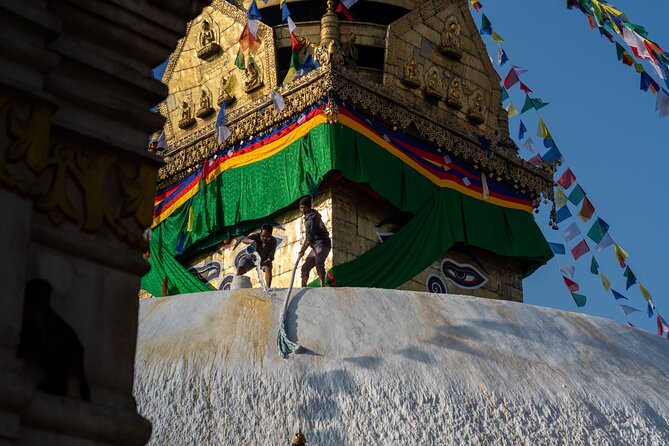
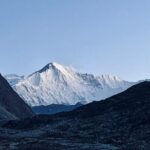
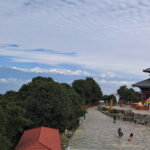
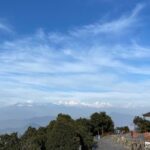
You start at Swayambhunath, a UNESCO site in the west part of Kathmandu. This is the kind of place where the setting does half the work. The stupa overlooks the Kathmandu Valley and the Himalayas, so you’re not just visiting a monument—you’re getting a visual map of where the city sits in relation to the mountains.
Your time here is about 45 minutes, which is enough to take in the main features and still move on before the day gets heavy. Admission at this stop is listed as free, so it also helps your budget.
What I’d look for in this stop isn’t just the structure itself, but the way the stupa sits within a larger religious space. With the guide explaining the Buddhist context, you’ll likely find the experience shifts from sightseeing into a more grounded moment—especially when the guide ties what you’re seeing to why it matters.
Patan Durbar Square: Malla-era art, culture, and architecture
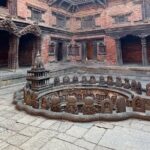
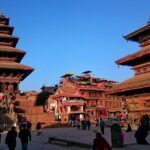
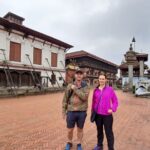
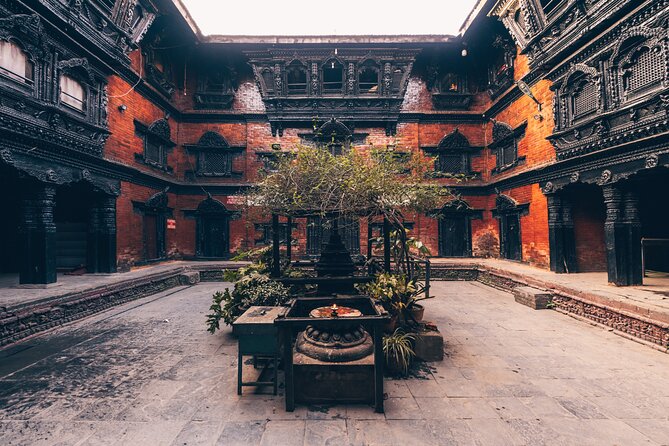
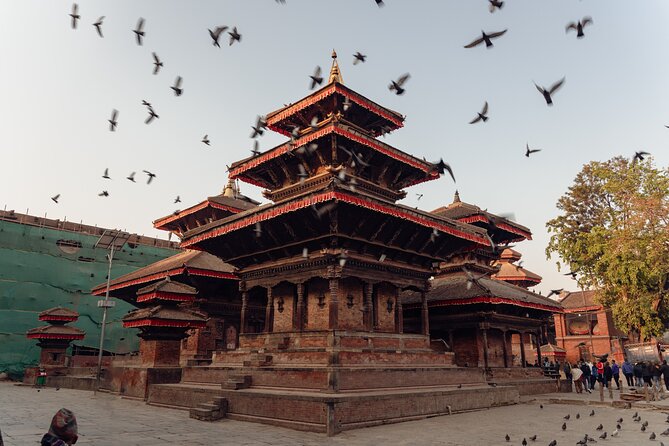
Next up is Patan Durbar Square, one of the three medieval cities of Kathmandu Valley. If you like history you can see in stone and layout, this is a strong match. The square is known for art, culture, architecture, and the long-running story of the ancient Malla kingdom.
You’ll have about 1 hour 5 minutes here. That’s a good length for looking around and letting the guide point out the important elements without rushing. Admission is not included, so you’ll want to keep your eyes on the entrance-fee plan for the whole day (more on that later).
This stop also balances the morning’s religious focus. Swayambhunath is about spiritual presence and wide views. Patan Durbar Square shifts the emphasis toward cultural expression—how a kingdom built its identity through architecture and space. If you’re trying to understand Kathmandu beyond one temple area, Patan helps connect the dots.
Pashupatinath Temple and cremations: respectful viewing matters
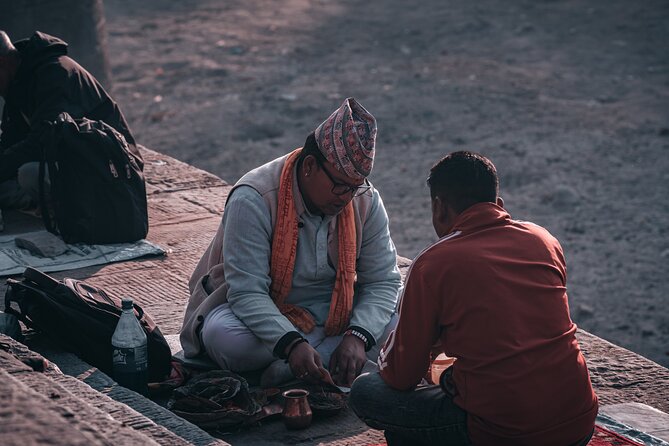
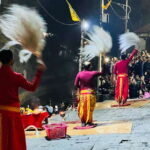
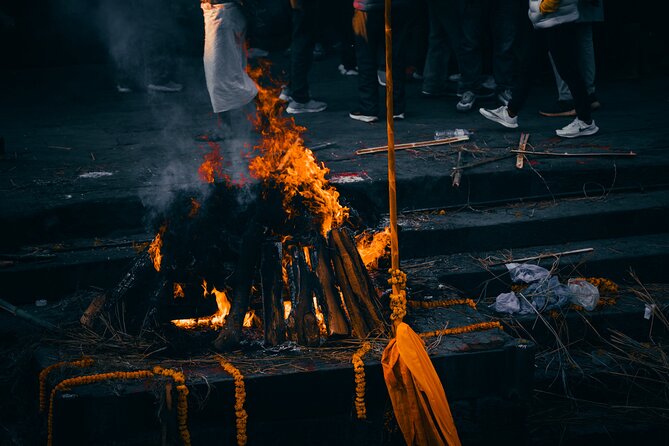
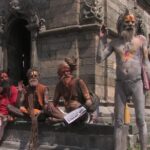
Then you come to Pashupatinath Temple, one of Nepal’s most famous Hindu temple sites. This stop carries a different kind of intensity. The temple itself is allowed for Hindu people only, but tourists do visit to witness the Hindu cremation ceremony.
That detail changes how you should think about your time here. You’re not necessarily going in like a typical temple tour. You’re there to understand what you’re observing, and you’ll likely spend time watching from areas where visitors are permitted. The guide’s job is especially important here: they can help you stay respectful and make sense of what you’re seeing.
Your time at Pashupatinath is about 1 hour, which is enough to take in the overall setting and understand the ceremony context without feeling like you’re trapped in the moment all day.
Practical note: if you’re easily uncomfortable with religious rituals involving fire and death, this may not be your favorite stop. It’s part of why the place is famous, and it’s the reason the viewing needs to be handled with care. Going in with guidance makes the experience more meaningful and less confusing.

Boudhanath Stupa: one of the largest Buddhist stupas in the valley
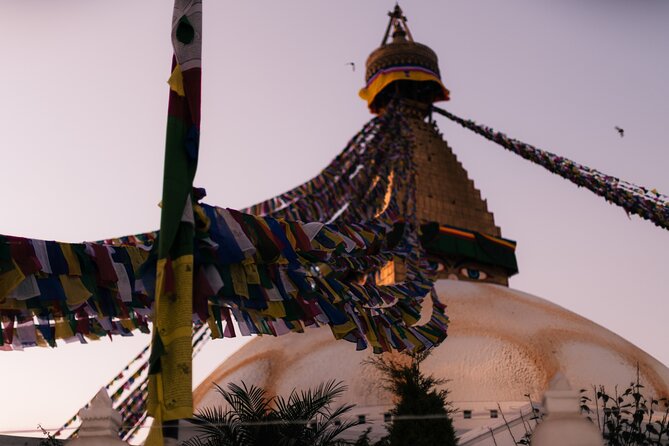
Finish at Boudhanath Stupa, one of the largest Buddhist stupas in the eastern part of Kathmandu Valley. This is where the day often starts to feel more reflective. The stupa is described as surrounded by a market and monasteries, so you’re not stepping into an isolated monument. It’s a living religious environment that’s active in the day-to-day way religious communities interact with visitors.
You’ll spend about 35 minutes here, which is shorter than the morning stops but still enough for a meaningful pass, especially with a guide helping you notice what matters. Admission is not included at this stop, so again, watch the entrance-fee plan.
If you want a final “big” image before heading back, Boudhanath is the place. Stupas are built for symbolism and focus, and seeing it in an area lined with monastic life and everyday commerce gives you context you don’t get from photos.
Price and value: what $5 covers (and what doesn’t)
The tour price listed is $5.00 per person, and on paper it’s a bargain. But the value is only truly clear when you separate what’s included from what isn’t.
Included:
- Air-conditioned vehicle
- All fees and taxes for the tour itself
- Experienced tour guide
- Private transportation
Not included:
- Monument entrance fees listed as NRP 2600
- Tips and gratitude (expected)
So yes, the headline price is low. The real spending picture for your day is the monument fee plus tips. If you’re comparing to other Kathmandu sightseeing options, this balance matters: you’re paying extra for admission access to sites, but you’re not also paying for transport and guide time.
For me, the biggest “value” element is not the cost alone—it’s that you get a guide who can connect what you’re seeing to why it matters. When the guide is strong, even the paid admission is easier to justify, because you get more meaning per hour.
Why the guide can make or break your day
This tour leans hard on guided explanation, and the reviews names that come up are Ray and Resham Raz from Happy Mountain. What stands out is the way guides are described as keeping people interested for the full session. That matters with a day like this because four major stops can turn into a checklist if nobody helps you interpret them.
Ray is described as giving a riveting, absorbing, highly informative overview of Nepal’s history and culture, with answers to questions as they come up. That’s the kind of guiding style that helps you stop guessing. It also means you might leave with a clearer sense of how different traditions coexist in Kathmandu.
Resham Raz is praised for knowledge that goes beyond basic description, including reconstruction after the earthquake and policies for preserving the integrity of UNESCO sites. That kind of context can change the way you look at the same structures. Instead of seeing buildings only as scenery, you start understanding what was affected and what’s been protected.
Finally, there’s an important practical theme: when you book on short notice, the team is flexible and can adjust the route to match your preferences. That’s not a “nice to have” in Kathmandu. Streets, timing, and your own comfort level can make customization feel essential.
What a day like this feels like hour by hour
Expect a paced but not rushed flow. Your time blocks are roughly:
- 45 minutes at Swayambhunath
- 1 hour 5 minutes at Patan Durbar Square
- 1 hour at Pashupatinath
- 35 minutes at Boudhanath
That adds up to the stated 5 to 6 hours. The comfort comes from the mix: not every stop is equally demanding, and you have enough vehicle time to reset between very different environments.
The day also has a natural “story arc.” It moves from Buddhist UNESCO views, into historical architecture, then into an intense Hindu ritual space, and finally into a major Buddhist stupa area with monasteries and market surroundings. If you like travel days with a theme, this one has a coherent rhythm.
Who should book this Kathmandu full day tour
I’d point you to this tour if you want:
- A focused Kathmandu sightseeing day without planning your own route
- Time at four major sites in one morning/afternoon block
- A private group setup so you can ask questions and move at a pace that fits you
- Air-conditioned transport and a driver who’s used to Kathmandu traffic
It’s also listed as something most travelers can participate in, and service animals are allowed. If you’re traveling with family or friends and you want shared time with guided context, a private format usually feels like a win.
If you want total freedom to roam slowly, skip stops, or stay longer in one place, you might feel constrained by the fixed time blocks. This tour is designed for efficiency and clear coverage.
Should you book it
Book it if you value a guided overview, want to see Kathmandu’s standout UNESCO and temple sites in one day, and prefer the comfort of private, air-conditioned transport. The guide-centered approach is the strongest reason to choose this over DIY, especially for interpreting religious sites and cultural context.
Skip it or ask more questions before booking if you’re sensitive to the cremation ceremony element at Pashupatinath or you want a slower, less structured day. In that case, you might prefer a single-site focus with flexible hours.
If your priority is seeing the key sights without wrestling traffic and logistics, this is a practical, good-value way to do it.
FAQ
How much does the Kathmandu Full Day Sightseeing Tour cost?
The price is listed as $5.00 per person.
Is pickup included, and is the tour private?
Pickup is offered. It’s also set up as a private tour/activity, meaning only your group participates.
What’s included in the tour price?
The tour includes an air-conditioned vehicle, experienced tour guide, private transportation, and all fees and taxes.
Are monument entrance fees included?
No. Monument entrance fees are not included, and the listed amount is NRP 2600.
Do they use electric vehicles for transportation?
The operator encourages electric vehicles, and most of their transportation will be electric.
Is cancellation free, and how long do I have?
Free cancellation is available if you cancel up to 24 hours in advance for a full refund. If you cancel less than 24 hours before the start time, the amount paid is not refunded.