REVIEW · KATHMANDU
Kathmandu: Full Day Top 4 UNESCO Tour with Lunch – Private/Group
Book on Viator →Operated by Relax Getaways · Bookable on Viator
One day, four UNESCO sites in Kathmandu Valley. This tour stitches together Hindu and Buddhist landmarks—Swayambhunath’s hilltop views, Patan Durbar Square’s Newari craft, and the sacred atmosphere of Pashupatinath and Boudhanath—with a simple, time-friendly route.
I like that the experience is built for comfort and clarity: hotel pickup and drop-off by air-conditioned private vehicle, plus an English-speaking professional guide to keep you oriented. The lunch box also removes one of Kathmandu’s usual hassles—deciding where to eat mid-sightseeing.
One thing to plan for: monument entrance fees are not fully included. You pay about $20 per person for the sightseeing monuments directly, so check your option and budget before you go.
In This Review
- Key points to know before you go
- A One-Day Mix of Buddhist and Hindu UNESCO Sites
- Getting Around: Pickup, Air-Conditioned Vehicle, and Timing
- Stop 1: Swayambhunath (Monkey Temple) and Its Big-View Moment
- Stop 2: Patan Durbar Square for Newari Architecture and Craft
- Stop 3: Pashupatinath Temple and Living Hindu Rituals
- Stop 4: Boudhanath Stupa for Tibetan Buddhist Culture
- Lunch Box and Food Options Without Turning Your Day Into a Search
- Price and Value: What $5 Covers, and What You Pay On Arrival
- Guides Matter: How the Best Days Feel Supported
- Who This Tour Fits Best
- Should You Book This Top 4 UNESCO Tour?
- FAQ
- What is the duration of the Kathmandu Top 4 UNESCO tour?
- Which UNESCO sites are included?
- Is hotel pickup and drop-off included?
- Do I get an English-speaking guide?
- Is lunch included?
- Are entrance fees included in the price?
- What is the all-inclusive option?
- Is this tour private or group?
- Do I need a mobile ticket?
- Is free cancellation available?
- Are there special fees for SAARC nationals?
Key points to know before you go
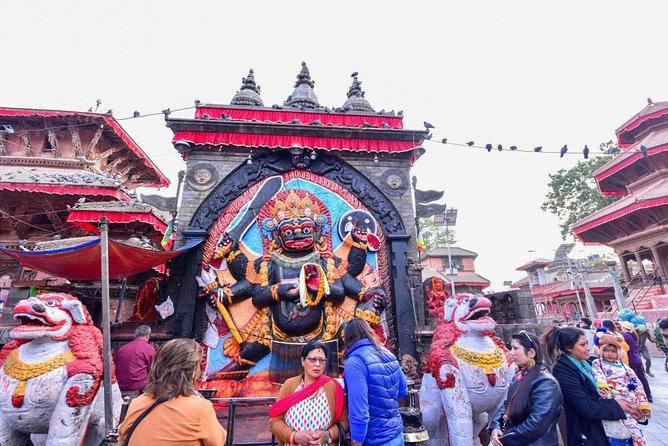
- Four UNESCO stops in 5 to 6 hours: a focused circuit that works well for first-time visitors with limited time
- Hotel pickup and air-conditioned transport: less waiting, easier logistics in Kathmandu traffic
- English-speaking guide support: I’d bet you’ll leave with clearer context, including how the Hindu and Buddhist traditions connect (guides like Asmi, Suresh, and Razz have been praised for answering questions)
- Lunch box included: bottled water plus a mix of sweet and fruit items
- Entrance fees are extra unless you choose all-inclusive: base tour excludes them, with an all-inclusive option available
A One-Day Mix of Buddhist and Hindu UNESCO Sites
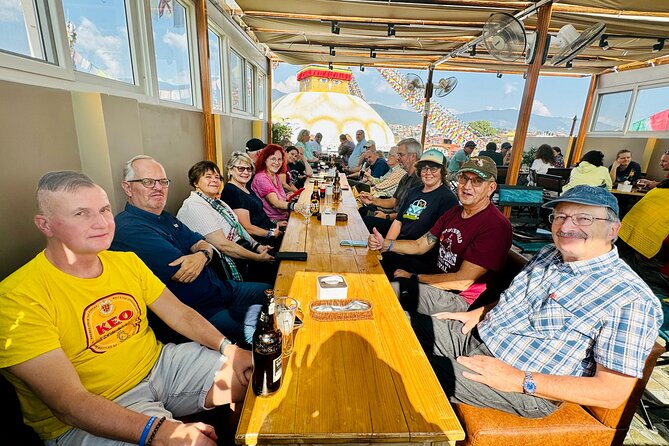
Kathmandu Valley is the kind of place where religion isn’t a museum piece. It’s part of daily life—chanting, prayers, and temple routines running on a schedule older than most buildings in your home city. This tour uses that reality well, stringing together four UNESCO World Heritage sites into a single day that feels like a guided walkthrough of the region’s spiritual geography.
What I like most is the balance. You get a Buddhist viewpoint first at Swayambhunath, then the artistry and civic architecture of Patan Durbar Square, then you shift into Hindu ritual focus at Pashupatinath, and finish at Boudhanath, a major hub for Tibetan Buddhist culture. That left-to-right flow helps you understand the valley as a connected set of places, not four random stops.
The tour is also realistic about your time. The estimate is about 5 to 6 hours, and the schedule allocates around one hour to each of the temples/stupas, with more time for Patan. For many people, that’s exactly what you want: enough time to see the essentials without losing your whole day to transit.
You can also read our reviews of more private tours in Kathmandu

Getting Around: Pickup, Air-Conditioned Vehicle, and Timing
The logistics are one of the biggest value points here. You get pickup from and drop-off to your hotel by private vehicle. That matters in Kathmandu, where finding parking, negotiating routes, and figuring out meet-up points can eat hours fast. With pickup handled, you can keep your plan simple: show up, ride, sightsee, repeat.
You’ll also be using air-conditioned private transportation. In warmer months (or just after a few hours of city heat), that cooling break helps the day feel manageable rather than exhausting.
The route also stays tight because it’s “Top 4” style: four major sites, not a long list of smaller stops that can turn into a photo scavenger hunt. You’ll still want to move at a walking pace, but the day is built around straightforward viewing windows.
Stop 1: Swayambhunath (Monkey Temple) and Its Big-View Moment
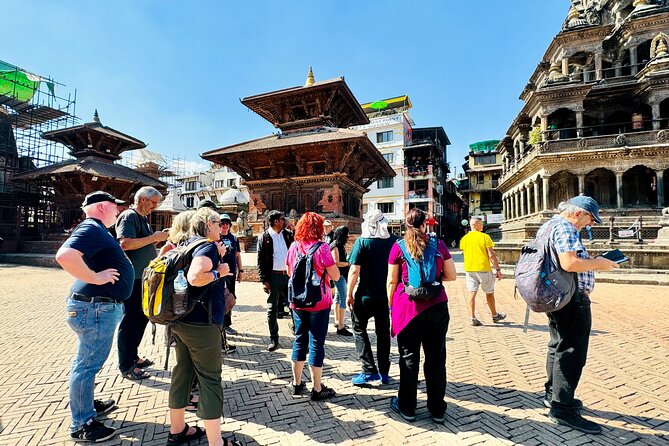
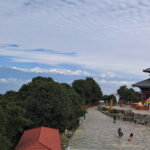
You start at Swayambhunath, often called the Monkey Temple, perched above Kathmandu. This stop is about two things: spiritual symbolism and sweeping views. Even if you’ve only seen photos, the moment you look out from the hilltop you’ll understand why this place is so important—your eyes catch the city layout, and then your attention shifts back to the stupa area.
The tour lists this as about 1 hour, and that’s a solid window for doing the essentials: walking through the stupa compound, taking in the famous visual details, and getting your bearings from above. The admission ticket here is marked as free, which is a nice early win.
One practical note: hilltop sites can feel slower than the time estimate because you’ll likely pause more than you expect. If you’re someone who likes photos, do a quick loop first, then come back for the photos you really want. That keeps you from running out of time.
Stop 2: Patan Durbar Square for Newari Architecture and Craft
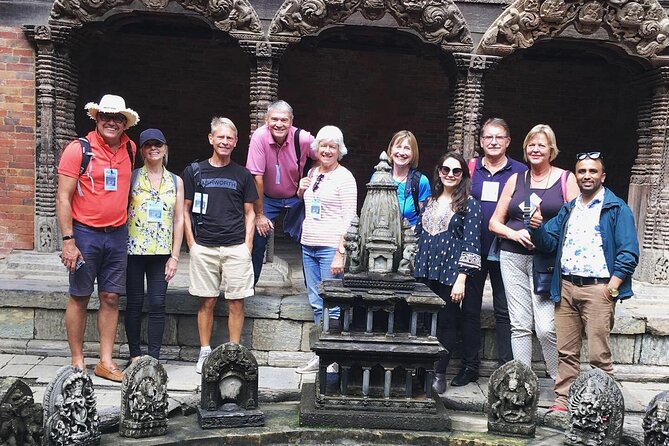
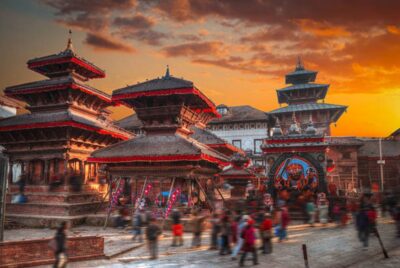
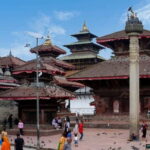
Next up is Patan Durbar Square in Lalitpur. This is where the day shifts from religious atmosphere into civic architecture and local artistic skill. The highlight here is the square’s Newari architecture—the kind of stonework, carvings, and layout that rewards a slower look. If you like details, Patan is the stop where you’ll naturally start noticing patterns.
The schedule gives you about 1 hour 30 minutes. That longer slot is probably intentional, because Patan tends to be easier to explore at your own pace than a riverfront or a crowded stupa area. In other words: you should have time to look up at the buildings and still fit in a proper loop around the square.
The main drawback is also simple: entrance fees here are not included in the base listing, so you’ll want cash or card ready for the day’s totals. If you’re choosing between options, this is the part that can sway you toward an all-inclusive plan, since you’re paying for multiple monuments across the day.
Stop 3: Pashupatinath Temple and Living Hindu Rituals
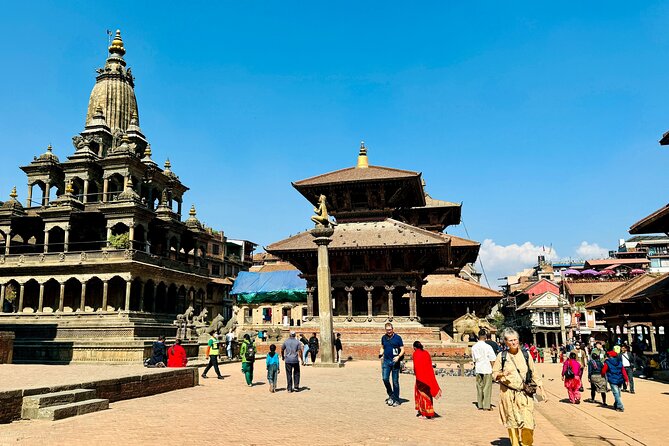
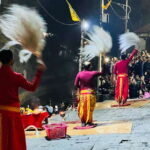
Then the tour moves to Pashupatinath Temple, one of Nepal’s holiest Hindu shrines, dedicated to Lord Shiva, situated by the Bagmati River. This stop isn’t just about architecture. It’s about ritual space—where religious practice continues, not just where you walk around.
You get about 1 hour here. That may sound short on paper, but it’s often the right length for a working shrine: long enough to understand what you’re looking at, short enough to keep the day on schedule for the final stop.
Because this is an active religious site, you should expect that access and viewing angles can be shaped by ongoing routines. A guide helps a lot here. Even without naming every rule, having someone explain what to look for and how to interpret the rituals makes the hour more meaningful and less stressful.
The other practical consideration: admission is not included, so again, this is one of the places where your final budget depends on the option you pick.
You can also read our reviews of more tours and experiences in Kathmandu

Stop 4: Boudhanath Stupa for Tibetan Buddhist Culture
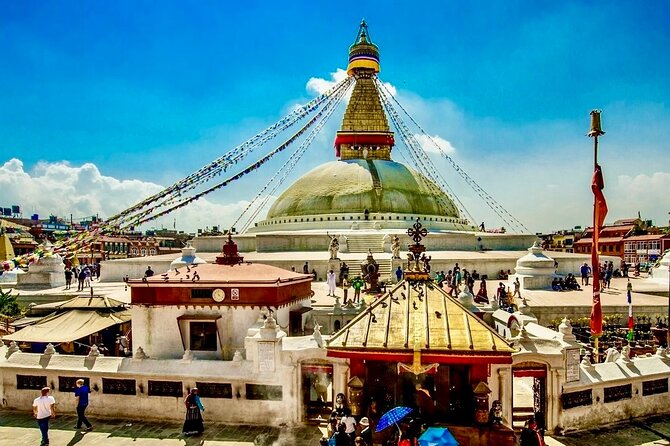
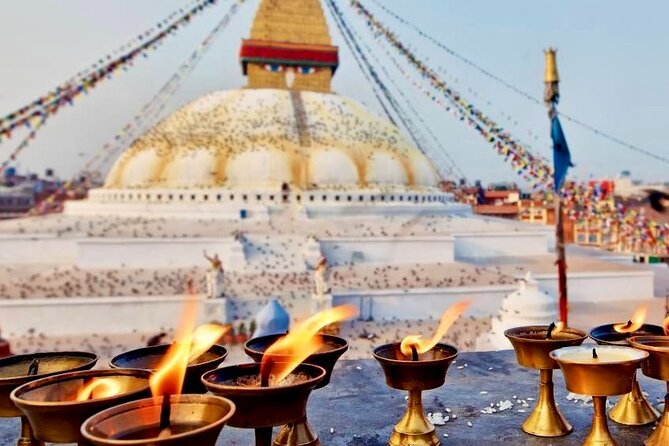
The day finishes at Boudhanath Stupa, one of the largest stupas in Nepal and a major center of Tibetan Buddhist culture. If you’ve been feeling like the morning was all climbing and stonework, Boudhanath offers a different pace: a wide, iconic structure that invites a slow loop and quiet attention.
This stop is listed for about 1 hour. For many people, that’s enough time to circle the stupa, watch daily devotion, and take in the scale. It’s also a satisfying finish because the spiritual tone often feels more open and reflective compared to the more structured shrine focus earlier in the day.
As with the other major sites after your first stop, entrance fees are not included in the base option. That said, if you choose the all-inclusive option, this is one of the big benefits: it folds entrance fees and additional food/soft drinks into the package.
Lunch Box and Food Options Without Turning Your Day Into a Search
The tour includes a lunch box with bottled water (500 ml) plus a mix of items: muffin, donut, banana, seasonal fruit, and juice. It’s a straightforward set-up designed for convenience while you’re moving. You don’t need to hunt for a café between temples, and you can eat when the day’s rhythm gives you a chance.
If you choose the all-inclusive option, the meal setup expands. It includes food and soft drinks, plus entrance fees, and then a Khana set or choice of dishes. That can be a good deal if you know you’ll want a more substantial sit-down style meal rather than snacks on the go.
A practical tip: because the schedule includes four major sites, try to treat lunch as fueling, not lingering. The day’s value comes from seeing each site with context, and you’ll lose that if you turn lunch into a long detour.
Price and Value: What $5 Covers, and What You Pay On Arrival
The headline price is listed at $5.00 per person, which sounds almost unbelievable for a guided UNESCO day with hotel pickup and an air-conditioned vehicle. Here’s the catch: monument entrance fees are not included in the base version.
The tour notes entrance fees for sightseeing monuments must be paid directly at about $20 per person. That means your all-in cost is closer to $25 per person before tips, assuming no other added fees apply for your situation.
There’s also a SAARC nationals fee listed as USD 12 total, applicable for group and private options. If you’re in that category, that’s a key line item to account for.
So is this tour good value? For many people, yes—because the pricing structure means you’re paying for the guide, transport, and lunch convenience, while entrance fees are handled separately. If you prefer not to think about cash/entry calculations during the day, the all-inclusive option may end up being the easiest buy.
Guides Matter: How the Best Days Feel Supported
One of the most praised parts of this tour is the guide—how they connect the physical places to the meaning behind them. I’ve seen three names come up in feedback: Asmi, Suresh, and Razz.
The common theme across that praise is clarity and responsiveness. Razz is noted for providing historical context and giving time to explore and take photos. Suresh is described as welcoming and friendly, with a focus on explaining Buddhism and Hindu concepts and answering questions. Asmi gets credit for being accommodating when plans changed suddenly due to an emergency.
If you’re the type who likes to understand what you’re looking at—why a stupa is shaped a certain way, how Hindu and Buddhist practices show up in everyday space—this tour’s guide-first approach is a big plus. It can turn the day from just seeing big sites into actually understanding them.
Who This Tour Fits Best
This is a strong match if you:
- want a first-timer-friendly UNESCO overview of Kathmandu Valley
- prefer hotel pickup and air-conditioned comfort over DIY routing
- like guided context more than just walking up and taking photos
- need a day plan that stays in the 5 to 6 hour range
It might be less ideal if you want a very slow day with deep time in each site. With only about an hour at three of the four stops, you’re on a tight viewing window. Also, if you hate paying entrance fees separately, you’ll likely prefer the all-inclusive option.
Should You Book This Top 4 UNESCO Tour?
Yes—if you want a practical, guided snapshot of Kathmandu Valley’s most important spiritual and architectural sites without wasting time figuring out transport. The combination of hotel pickup, an English-speaking guide, and a included lunch box makes the day feel organized from start to finish.
Just do the math first. The base price is attractive, but entrance fees (around $20 per person) are an add-on. If that uncertainty feels annoying, the all-inclusive option may be worth it for simplicity.
If your goal is to see four UNESCO landmarks in one go and come away with clearer context, this is an efficient way to do it.
FAQ
What is the duration of the Kathmandu Top 4 UNESCO tour?
The tour runs for about 5 to 6 hours.
Which UNESCO sites are included?
You’ll visit Swayambhunath, Patan Durbar Square, Pashupatinath Temple, and Boudhanath Stupa.
Is hotel pickup and drop-off included?
Yes. Pickup from and drop-off to your hotel are included by private vehicle.
Do I get an English-speaking guide?
Yes. The tour includes an English-speaking professional tour guide.
Is lunch included?
Yes. A lunch box is included, and it comes with bottled water (500 ml), a muffin, donut, banana, seasonal fruit, and juice.
Are entrance fees included in the price?
Entrance fees for sightseeing monuments are not included in the base option and must be paid directly by guests (listed at $20.00 per person). One stop, Swayambhunath, is listed as free.
What is the all-inclusive option?
The all-inclusive option includes food, soft drinks, entrance fees, and a Khana set or a choice of dishes.
Is this tour private or group?
It’s available as a Private or Group experience. The listing also notes this is private in the sense that only your group will participate.
Do I need a mobile ticket?
Yes. A mobile ticket is provided.
Is free cancellation available?
Yes. You can cancel up to 24 hours in advance for a full refund.
Are there special fees for SAARC nationals?
Yes. Fees for SAARC nationals are listed as USD 12 total, applicable for group and private tour options only.