REVIEW · KATHMANDU
Kathmandu: Bhaktapur and Nagarkot Sunrise to Sunset Tour
Book on GetYourGuide →Operated by Mount Glory Treks · Bookable on GetYourGuide
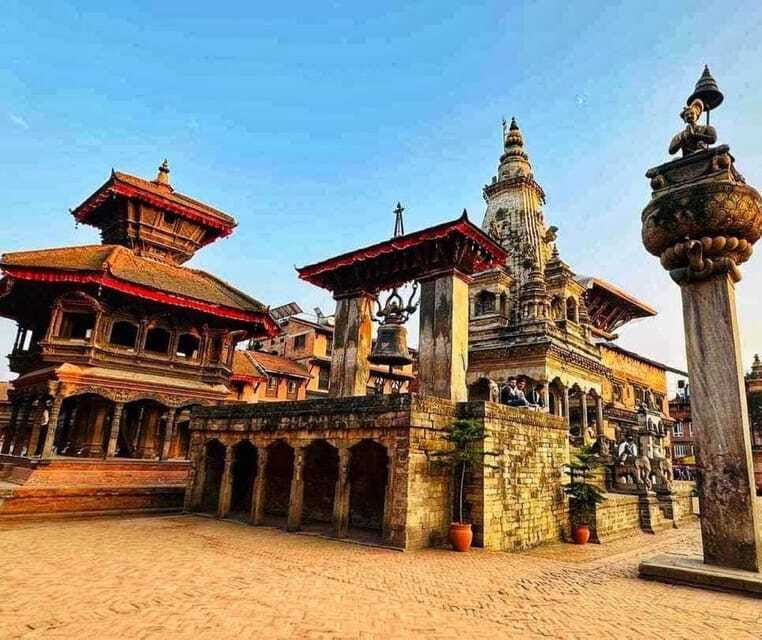
A day that starts with temples ends with Himalaya light. I really like how this tour pairs Bhaktapur Durbar Square UNESCO sights with a full day of mountain viewpoint time, so you get culture and big sky in one go. You’ll be walking through courtyards, palaces, and temple spaces built for ritual and craft, including famous stops like the Vatsala Temple and the 55-Window Palace.
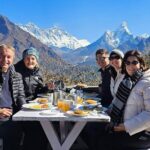
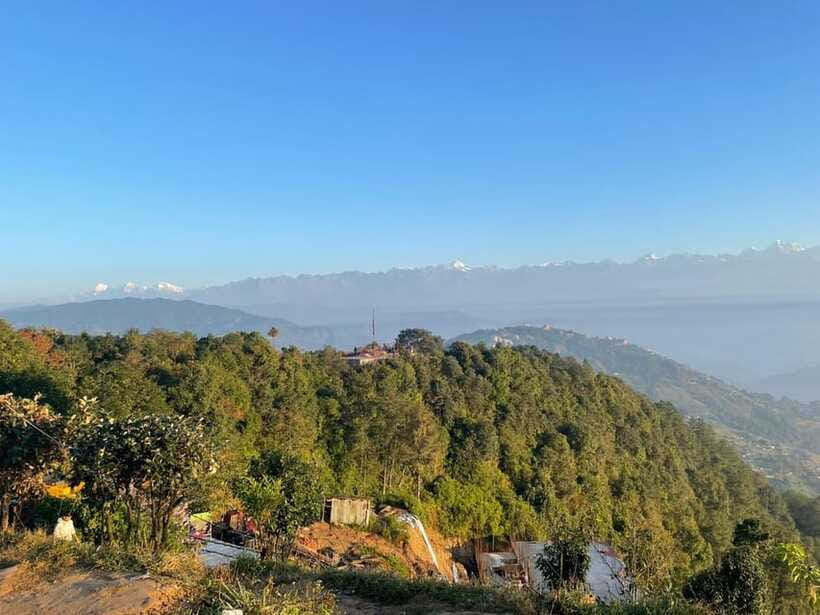
Next comes Nagarkot, where the goal is panoramic Himalayan views, often including Mount Everest on a clear day. I love that the timing gives you a shot at sunrise and then a long runway for the softer colors later, with fresh mountain air during the ride. One consideration: the Himalaya view is a weather lottery, so if fog rolls in, the mountains can look more muted than you hoped.
This is also a solid value if you prefer a private pace with an English-speaking local guide who can explain what you’re seeing, not just where to stand. The tour is run by Mount Glory Treks, and it typically fits into a 5–10 hour day depending on timing and conditions.
In This Review
- Key Things I’d Plan Around
- Kathmandu Pickup and the Drive That Sets the Tone
- Nagarkot Sunrise to Sunset: What You Can Realistically Expect
- Bhaktapur Durbar Square: Temples, Palaces, and Craft Details
- The Bhaktapur Temple Circuit: Where the Stories Come In
- Guide Quality and Private Group Pace
- Price and What Makes It Feel Like a Good Deal
- What to Bring (and What to Skip)
- How to Choose the Best Day for Himalaya Views
- Should You Book This Bhaktapur and Nagarkot Sunrise-to-Sunset Tour?
- FAQ
- Where are you picked up for this tour?
- How long does the tour take?
- What sightseeing is included besides Nagarkot and Bhaktapur Durbar Square?
- Is the Durbar Square and monument entrance fee included?
- Can you see Mount Everest from Nagarkot on this tour?
- What do I need to bring?
- Is flash photography allowed?
Key Things I’d Plan Around
- Bhaktapur’s UNESCO Durbar Square: you get guided focus on temples, palaces, and standout craft details
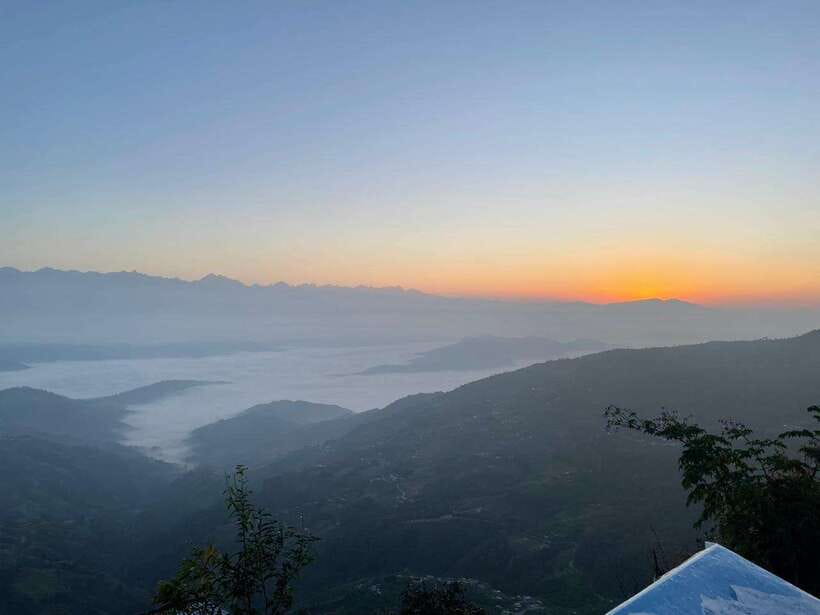
- Nagarkot for sunrise and later light: more than a quick stop, with time for photos and viewpoint moments
- Photo-friendly guidance: guides can point out best spots for pictures while explaining what matters
- Weather affects the Himalaya view: clear skies help; fog can reduce what you see
- Extra sites in Bhaktapur: Taumadhi Square and Bhairab Nath Temple are part of the day
Kathmandu Pickup and the Drive That Sets the Tone
Your day starts with hotel pickup in Kathmandu Valley, then the vehicle heads out toward the hill area of Nagarkot. This drive is part of the experience, not just transport. You’ll feel the air change as you gain elevation, and the scenery shift helps you switch from busy city rhythm into slower mountain time.
The schedule gives you break time at Nagarkot before the main viewpoint moments. That matters because sunrise and clear views aren’t something you can rush. A little breathing room helps you get into the right headspace: camera ready, warm layers on, and eyes lifted toward the ridgeline.
You should also expect that timing can feel structured but not rigid. With sunrise as a target, the day naturally revolves around daylight. If you’re the type who likes to plan your naps, snacks, and photo breaks, this tour’s flow makes it easier to do.
You can also read our reviews of more evening experiences in Kathmandu

Nagarkot Sunrise to Sunset: What You Can Realistically Expect
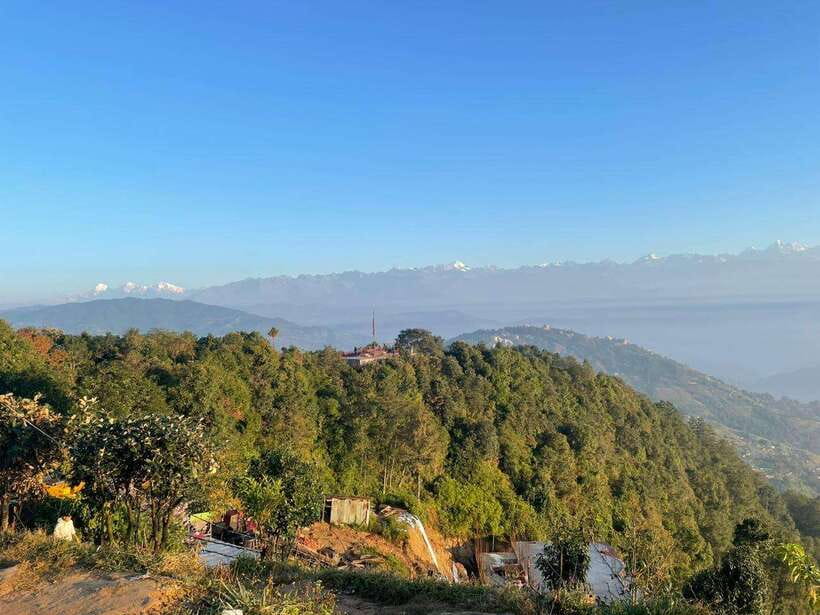
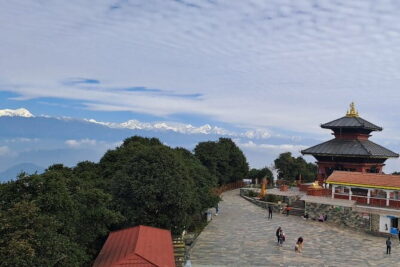
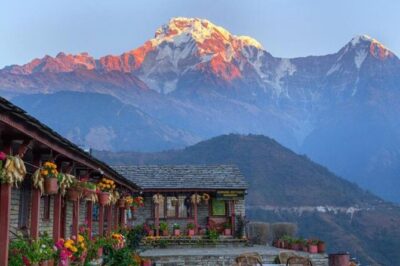
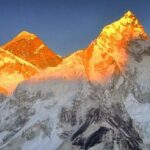
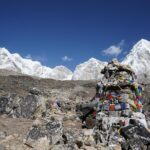
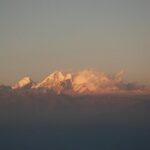
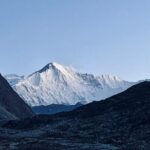
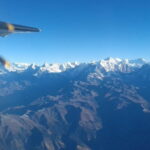
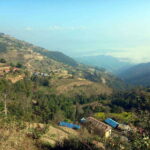
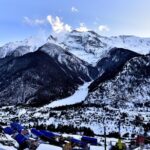
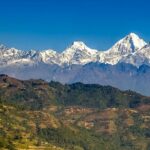
Nagarkot is built around one thing: wide, far-reaching mountain views. On clear days, you can sometimes see Everest from here, which is exactly why people wake up early. This tour gives you about two hours tied to sunrise, plus additional time later for sightseeing and the changing light that comes after.
Here’s the honest bit: the Himalaya view is never fully guaranteed. Fog and cloud cover can soften the mountains into a hazy outline, or hide peaks altogether. That’s not a failure of the tour; it’s just how the view works from this height and season. If you’re going in expecting a guaranteed postcard, you’ll be disappointed. If you’re going in ready to enjoy the process, you’ll likely have a better day.
What I like about the sunrise-to-sunset approach is that it reduces the “all-or-nothing” pressure. Even if the first view isn’t dramatic, later light can still make ridges pop in layers. You’ll also get that satisfying rhythm: first crisp morning air, then a more relaxed pace as the day warms up.
Practical tip: bring warm clothing. Even when Kathmandu feels mild, hill mornings can be cold enough to make standing still for photos uncomfortable.
Bhaktapur Durbar Square: Temples, Palaces, and Craft Details
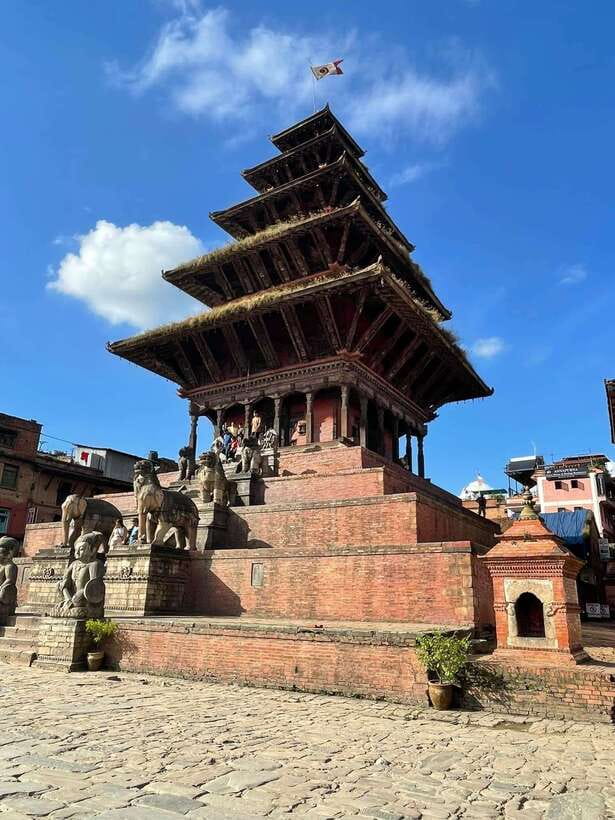
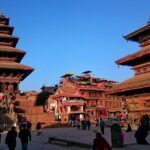
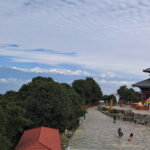
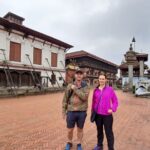
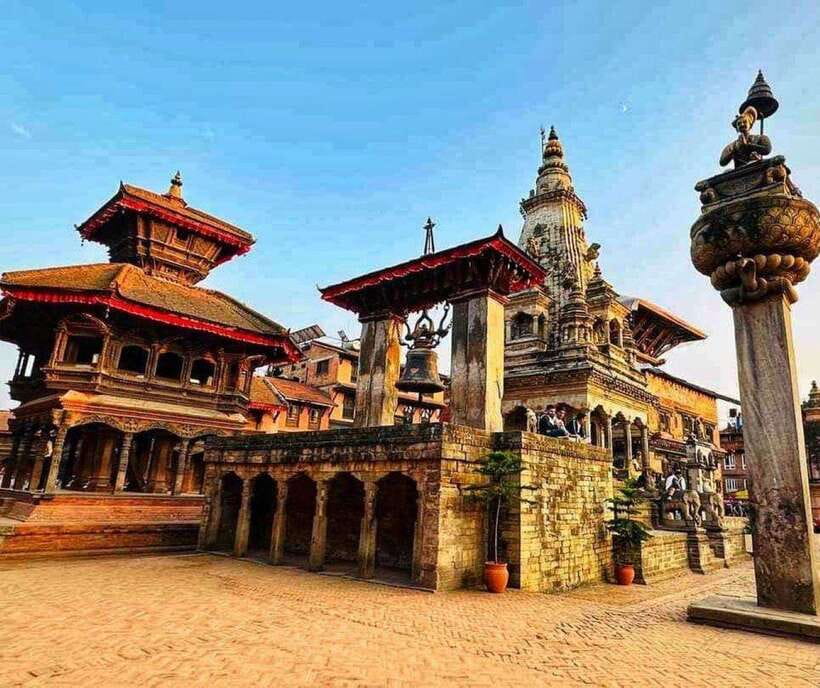
After Nagarkot, the tour swings back into history with Bhaktapur Durbar Square. This UNESCO-listed area is where medieval architecture becomes a map you can read with your eyes. The guided portion is the key. You’re not just looking at old buildings—you’re learning what they are and why they’re important.
The best-known stops here include the Vatsala Temple and the 55-Window Palace. The 55-window detail isn’t just an impressive design fact; it’s a clue to the scale of the palace life that once unfolded there. The temples, too, are more than scenery. They connect to religious practice and the city’s identity, and a good guide helps you see that connection instead of treating the place like a museum backdrop.
You’ll also visit Taumadhi Square and Bhairab Nath Temple as part of the overall Bhaktapur experience. These stops help break up the big iconic structures with smaller, more personal-feeling spaces where you can sense everyday devotion and the city’s rhythm.
One more plus: the tour includes time for an arts and crafts market visit. That’s not just shopping time. It gives you a chance to pick up something handmade while also understanding the broader craft culture the city is known for.
The Bhaktapur Temple Circuit: Where the Stories Come In
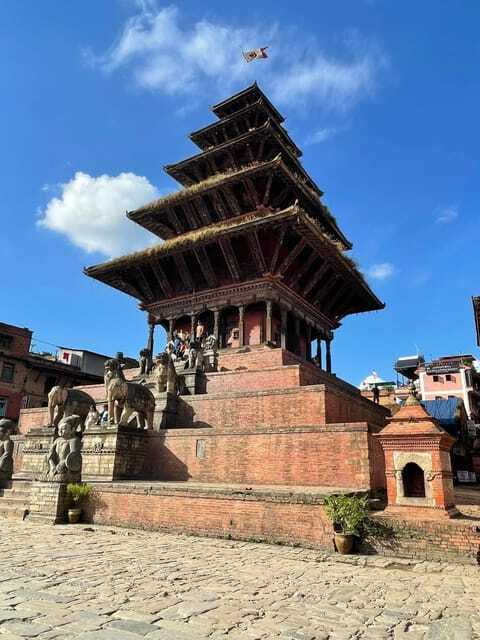
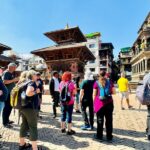
Bhaktapur can feel dense on your first day. That’s why guided timing is so helpful. In a guided tour, you get a logical route through the courtyards, temples, and palace spaces instead of getting lost in a maze of doorways and stairways.
During this stop, the guide walks you through the main sights and points out significance in clear terms. In past experiences with this style of tour, English guides like Bikash have stood out for explaining the background of religious and historic sites in simple, organized language. That makes a difference when you’re trying to connect what you see to why it exists.
If you want a practical way to enjoy the site, focus on three things: (1) the temple shapes and ornamentation, (2) how palaces open into courtyards and squares, and (3) how the city layout encourages movement between important spaces. When you track those, Bhaktapur feels less like random old stone and more like a working cultural system.
You’ll also be in a place where photography is allowed, but there are rules. Flash photography is not allowed on this tour, so plan your camera settings accordingly, especially if clouds cover the light.
Guide Quality and Private Group Pace
This tour is described as a private group, which changes the feel of the day. You’re not stuck waiting for a large crowd’s slowest pace. Instead, you can ask questions, get explanations that fit your interests, and keep your timing realistic between viewpoint time and city walking.
What really matters is the guide. English-language commentary is included, and past guides have made a real difference. Bikash, for example, is praised for speaking fluent English, explaining site significance clearly, and even showing the best photo spots. Another guide, Phadi, has been noted for connecting Bhaktapur’s religious significance to bigger ideas about Nepal—past, current, and future.
The pace also helps you avoid the common problem of trying to cram too much into too little time. Here, the Bhaktapur Durbar Square guided portion is about 1.5 hours, while Nagarkot’s sunrise viewing window is about two hours. Those time blocks let you look carefully instead of just snapping and rushing.
If you like your travel days well explained and not overbooked, this private format is a real advantage.
You can also read our reviews of more tours and experiences in Kathmandu
Price and What Makes It Feel Like a Good Deal
At $71 per person, this tour is priced in the “worth it if you value guidance and time” category. You’re paying for a guided visit inside Bhaktapur Durbar Square and for the scenic drive connecting Kathmandu to Nagarkot and back. You’re also getting a structured timeline that targets sunrise, which is something many independent plans struggle to coordinate.
A key thing to budget: monument entrance fees are not included, listed as NRS 1,950 per person. Food and beverages are also not included. So your all-in cost will depend on what you eat and whether you already planned for those entrance fees.
Still, the value works if you want two high-impact experiences without the hassle of arranging guides and timing yourself. If you’re traveling with someone who also wants explanation (not just selfies), a guided day can feel much more efficient than piecing it together.
Typical duration is 5–10 hours, so you should plan the rest of your day around an early start and a return to Kathmandu Valley after the sightseeing is done.
What to Bring (and What to Skip)
Packing for this tour is mostly about comfort and temperature changes. Wear comfortable shoes because you’ll spend real time exploring temple and palace areas. Bring warm clothing for Nagarkot mornings, especially around sunrise time. Don’t forget a camera if you care about the views, plus sunscreen to handle stronger high-altitude sun.
You’ll also want water. Hydration helps on both the viewpoint time and the walking time in Bhaktapur.
On the rules side: smoking is not allowed, flash photography is not allowed, and littering isn’t allowed. Simple rules, but they matter here because the sites are active cultural spaces and the environment is sensitive.
Also consider suitability. This tour isn’t suitable for people with mobility impairments or for people afraid of heights, based on how the day’s locations and viewpoint components are set up.
How to Choose the Best Day for Himalaya Views
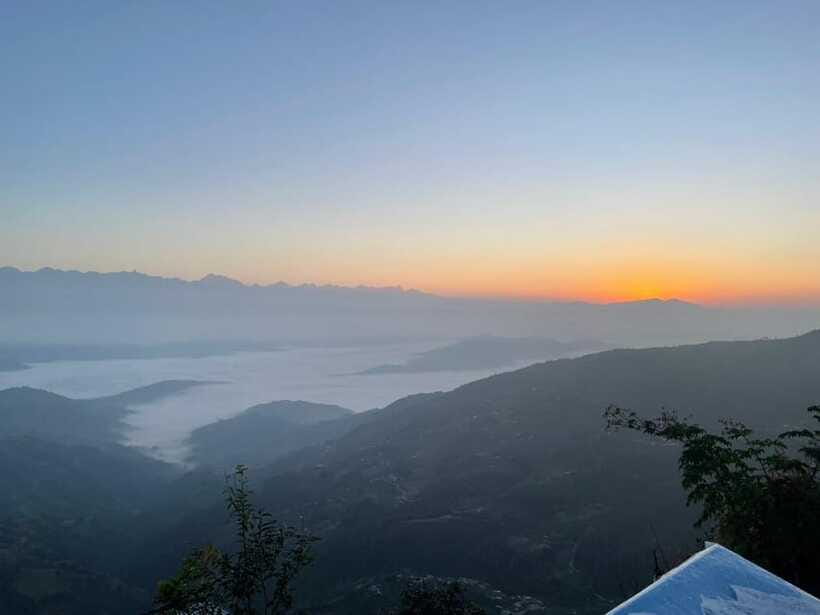
Since the Nagarkot view depends on clarity, your best chance comes from picking a day that’s likely to be less cloudy. The tour can’t control weather, and even with great conditions, you’re still at the mercy of fog and visibility.
If you’re flexible, think about going on a day when you can handle disappointment gracefully. The joy of Nagarkot isn’t only the peak spotting; it’s also the atmosphere of the ridgelines, the morning air, and the way the mountains can transform as clouds pass.
In one review, the tradeoff was called out clearly: the Himalayan view can be impressive when skies cooperate, but if fog rolls in, it may not look as strong. That’s exactly the kind of expectation you should set before you book.
Should You Book This Bhaktapur and Nagarkot Sunrise-to-Sunset Tour?
Book it if you want a one-day hit of UNESCO architecture plus a real attempt at the Himalayan viewpoint, without doing the logistics yourself. It’s a great match for first-time Kathmandu visitors who want both culture and scenery and for people who appreciate a guide explaining what they’re seeing, not just where to walk.
Skip it or reconsider if you’re highly view-dependent and can’t handle the possibility of clouded mountains. You should also think twice if you have mobility limitations or strong discomfort with heights.
If those points don’t scare you off, this tour is strong value: you get a guided Bhaktapur Durbar Square experience, added stops like Taumadhi Square and Bhairab Nath Temple, and a Nagarkot schedule designed for sunrise light and later sunset color.
FAQ
Where are you picked up for this tour?
Pickup is included from your hotel in Kathmandu Valley.
How long does the tour take?
The tour runs about 5 to 10 hours, depending on timing and conditions.
What sightseeing is included besides Nagarkot and Bhaktapur Durbar Square?
You’ll also stop at Taumadhi Square and Bhairab Nath Temple as part of the Bhaktapur portion.
Is the Durbar Square and monument entrance fee included?
No. Monument entrance fees are not included and are listed as NRS 1,950 per person.
Can you see Mount Everest from Nagarkot on this tour?
The tour includes panoramic Himalayan views and Everest can be visible on clear days, but it’s not guaranteed because visibility depends on weather.
What do I need to bring?
Bring comfortable shoes, warm clothing, a camera, sunscreen, and water.
Is flash photography allowed?
No, flash photography is not allowed.
If you want, tell me your travel dates and whether you’re more into sunrise views or cultural walking time, and I’ll suggest how to time your day around weather and daylight.