REVIEW · LEH
Leh: Nubra Valley Day Trip via Khardung La Pass
Book on GetYourGuide →Operated by Afreen Holidays & Hotels · Bookable on GetYourGuide
One road. Big views. One long day. This private Leh-to-Nubra outing takes you over Khardung La Pass and into the stark, other-worldly Nubra Valley for monasteries, dunes, and camel time.
I really like how the trip builds in short, practical stops: a quick pass break for photos, then time at Diskit Monastery to see the huge Maitreya Buddha statue. I also love the contrast at Hunder Sand Dunes, where the white sands are a strange change of pace from the mountain drives.
The trade-off is simple: it’s still a 12-hour day with lots of time in the vehicle, and the altitude is real. If you’re prone to altitude issues—or you’re not fully acclimatized—this is not the right plan.
In This Review
- Key things to know before you go
- The Big Idea: Leh to Nubra Valley in One Very Full Day
- Timing and Altitude: Why Starting Around 6–7 AM Changes Everything
- Khardung La Pass: The 10-Minute Stop That Feels Like a Lifetime
- Diskit Monastery: Maitreya Buddha and Valley Views Without the Rush
- Hunder Sand Dunes: White Sands, Bactrian Camels, and One Perfect Hour
- Lunch in Nubra: Local Ladakhi Food and Quick Photo Walks
- Transport and Value: What the $84 Covers (and What It Doesn’t)
- The Driver and Communication Factor (This Matters More Than You Think)
- Comfort Checklist: What to Pack for This 12-Hour High-Altitude Day
- Who Should Book This Trip, and Who Should Skip It
- Should You Book the Leh to Nubra Day Trip via Khardung La?
- FAQ
- Do I need an Inner Line Permit for Nubra Valley?
- What time does the day trip usually start from Leh?
- What’s included in the price, and what isn’t?
- How long do I spend at Khardung La and Diskit Monastery?
- Can I ride a camel at Hunder Sand Dunes?
- What should I bring for this 12-hour trip?
Key things to know before you go
- Khardung La Pass photo break with a high-altitude tea stop at about 5,359 meters
- Diskit Gompa focus and time to take in the Maitreya Buddha plus valley views
- Hunder Sand Dunes + Bactrian camels on the white dunes (camel ride fees are extra)
- A driver who keeps the day moving with communication ahead of time (people specifically praised planning and updates)
- Don’t forget the permit: you need an Inner Line Permit for Nubra Valley
- Plan for warmth: bring layers even if the sun is strong
The Big Idea: Leh to Nubra Valley in One Very Full Day
This is a classic Ladakh day trip format: early start, long scenic drive, two big cultural stops, and one signature photo-and-play window in the dunes. The payoff is that you see a lot of variety without changing hotels or doing multiple days of driving.
I like that the route is structured for real sightseeing time instead of just passing by. You get a dedicated stop at Khardung La Pass, then a proper block for Diskit Monastery, and finally about an hour at Hunder Sand Dunes for dunes views and a camel ride if you want it.
One more detail that matters: the trip runs with a private group and a local driver (Hindi/English). That makes it easier to adjust timing for quick photo stops and to keep things smooth when roads feel slow at altitude.
You can also read our reviews of more tours and experiences in Leh
Timing and Altitude: Why Starting Around 6–7 AM Changes Everything
You’ll typically leave Leh early, around 6:00 AM to 7:00 AM. That’s not just for schedules—it’s for comfort. Daytime lighting is better for photos, roads are usually easier to manage earlier, and you’re less likely to get stuck watching the clock while the sky shifts and temperatures drop.
Altitude is the other big reason to respect the clock. The pass stop is around 5,359 meters, and you’re also moving through a high-altitude region overall. The tour is only a good idea if you’re well-acclimatized.
Also, the day is long enough that you shouldn’t treat this like a relaxed “drive and snack” outing. You’ll be up early, dressed warm, and ready for a few hours of winding roads before you even reach the main sights.
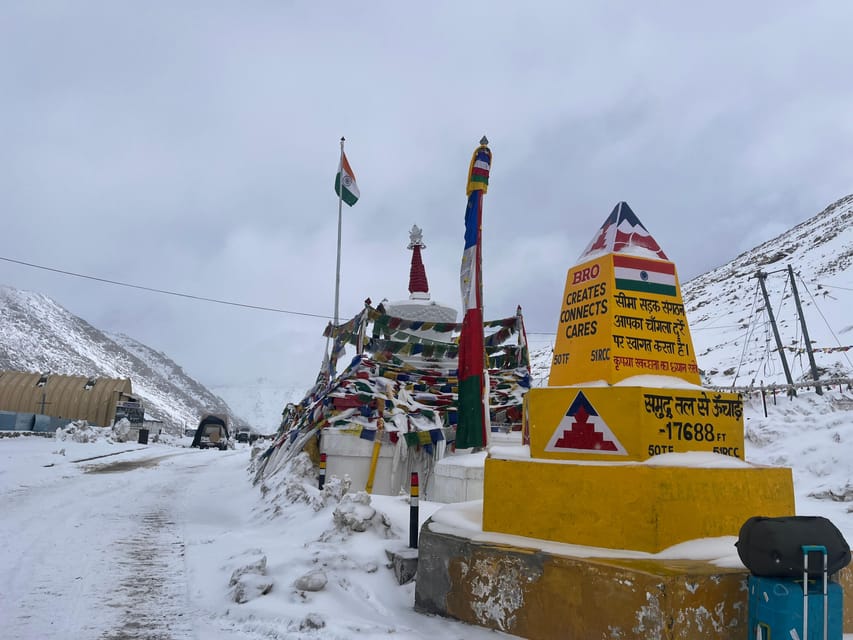
Khardung La Pass: The 10-Minute Stop That Feels Like a Lifetime
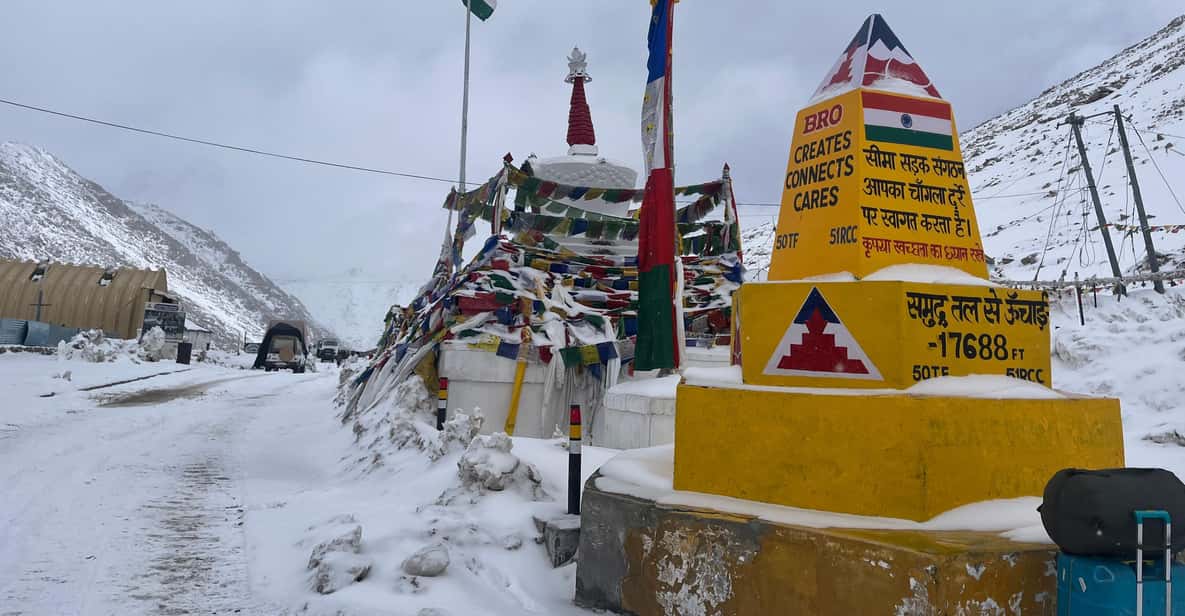
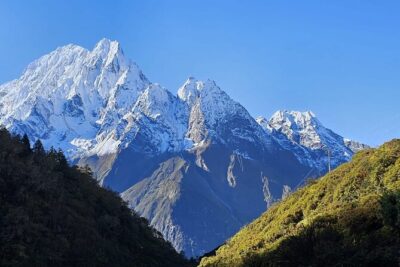
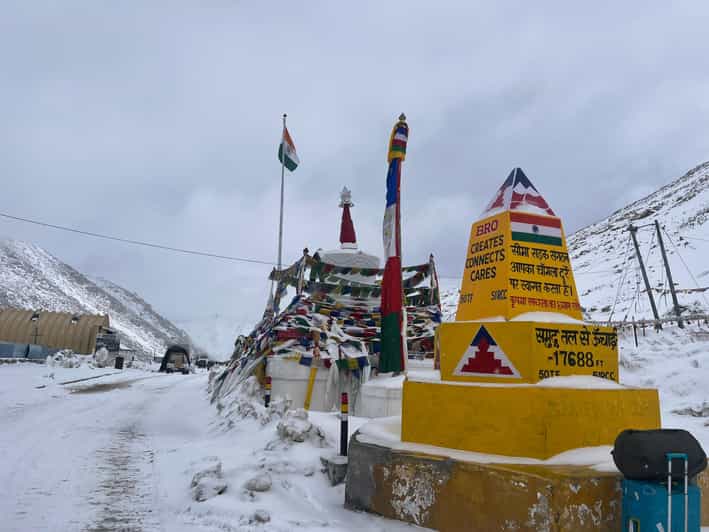
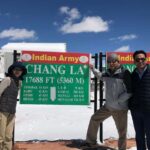
The Khardung La Pass stop is brief—about 10 minutes—but it’s the kind of pause that resets your brain. You pull up, step out for fresh air, and take photos with a serious sense of height.
At this altitude, conditions can shift fast. Keep your layers handy, because even if the sun is bright, the air can feel sharp. There’s also a small café where you can get hot tea, which is a smart move if you tend to feel chilly.
The best way to use this stop is simple: pick your photo spots quickly, then spend the remaining time on the tea and the view. Don’t try to do everything at once. This is one of those places where rushing makes it worse.
Diskit Monastery: Maitreya Buddha and Valley Views Without the Rush
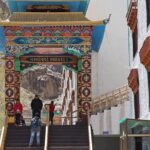
Next comes Diskit Monastery (Diskit Gompa) with about 45 minutes for sightseeing. This is where the trip turns from “road trip” to “why people come to Ladakh.”
The star here is the massive Maitreya Buddha statue, which you can’t help but notice the moment you’re inside the monastery area. You also get a chance to look out over the Nubra region, so it’s not only a temple stop—it’s a viewpoint stop too.
One practical note: a monastery visit often means uneven ground and time spent outside. Wear comfortable shoes and keep an eye on footing, especially in cold air when skin can feel stiff.
If you’re traveling with someone who loves culture as much as scenery, this stop usually lands well. It gives meaning to the drive, instead of feeling like another random roadside break.
Hunder Sand Dunes: White Sands, Bactrian Camels, and One Perfect Hour
Then you head to the Hunder Sand Dunes, with about 1 hour of photo time and free time. This is the part that feels like a visual plot twist: white sand in a region dominated by mountains.
The dunes are specifically known for Bactrian camels, the two-humped camels native to the region. If you want the camel ride, remember: camel ride fees are not included, so plan for that extra cost on the day.
How I’d use the hour:
- Take a quick loop for photos early, when light is best.
- If you want the camel ride, do it before your energy dips.
- Save a bit of time after for just standing on the sand and watching how wind shapes the surface.
Because it’s a relatively short block, you don’t have time to “wander forever.” Treat this as a timed window and you’ll enjoy it more.

Lunch in Nubra: Local Ladakhi Food and Quick Photo Walks
After the dunes, you’ll usually eat a local Ladakhi meal in Hunder or Diskit. Meals and drinks aren’t included, so you’ll pay directly at restaurants or guesthouses.
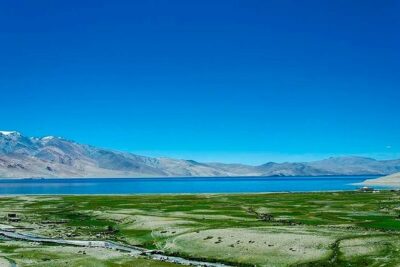
This is also a good time to look at the rivers and nearby areas. The tour includes mention of the Shyok and Nubra rivers, which can be excellent for photos if the light is right and if the ground is safe to walk on.
If you like a short walk but don’t want to lose time, keep it simple: pick a nearby viewpoint, grab photos, and avoid long detours. The whole point of the day trip is keeping your return on track.
Transport and Value: What the $84 Covers (and What It Doesn’t)
At about $84 per person for a private day trip, the value comes from what’s already handled. You get comfortable transport in either a non-A/C SUV (for 1–4 people) or a non-A/C Tempo Traveler (for 5–10 people), plus a local driver.
Also included are the big paid items you’d otherwise have to arrange yourself: Khardung La Pass, Diskit Monastery, and Hunder Sand Dunes. That’s a big deal in Ladakh, where timing and road conditions make DIY planning harder than it sounds.
What’s not included is also clear:
- Meals and drinks
- Camel ride fees
- Any professional guide (the guide is available only if you request it and availability is limited)
If you’re the kind of traveler who likes having your questions answered, consider adding a guide when possible. The guides can be the difference between seeing a monastery and truly understanding it, but you’ll want to check availability in advance.
The Driver and Communication Factor (This Matters More Than You Think)

The driving day is the heart of this tour. Roads are scenic, but they’re also long and demanding, and you’ll appreciate a driver who manages timing and makes sensible stops.
In the experience notes people shared, communication ahead of time helped a lot. One person specifically praised planning around permits, and another highlighted that the operator handled even unexpected disruptions smoothly. A fast, safe driver also makes a noticeable difference when you’re dealing with altitude and road bends all morning.
If you’re picky about logistics—good. This route rewards travelers who arrive ready: permit sorted, warm clothes packed, and a calm mindset for a long vehicle day.
Comfort Checklist: What to Pack for This 12-Hour High-Altitude Day
This tour asks a lot from your body, so pack like you’re going to work, not just sightseeing. You’ll be outside at least briefly at high altitude, plus you’ll likely feel the cold during stops even if the sun helps.
Bring:
- Warm clothing (layers, not one thick item)
- Comfortable shoes for monastery steps and uneven ground
- Snacks and water for the long drive stretch
- ID card (a copy is accepted)
- Your Inner Line Permit for Nubra Valley
One more practical reminder: smoking isn’t allowed on the experience. If you need nicotine, plan for that with breaks that match the day’s schedule.
Who Should Book This Trip, and Who Should Skip It
This day trip can be a fantastic fit if you want a single-day sampler of Nubra Valley plus the signature Khardung La Pass stop. It’s also a strong option for couples, small groups, and families who can handle a long day in the car and don’t need lots of walking.
But it’s not for everyone. The tour is listed as not suitable for:
- Pregnant women
- People with heart problems
- Wheelchair users
- People with altitude sickness
If you’ve ever had trouble with altitude in the past, take that seriously. The safe move is either to postpone or choose a lower-altitude plan until you feel fully stable.
Should You Book the Leh to Nubra Day Trip via Khardung La?
If you’re on a short schedule in Leh and you want Khardung La Pass, Diskit Monastery, and Hunder Sand Dunes in one hit, this is a good match. The price feels fair for what’s included—transport plus the major stops—while you keep control over the extras like lunch and the camel ride.
I’d book it if:
- You’re already acclimatized and comfortable with early mornings
- You want a structured day so you don’t spend precious hours figuring out transport and timing
- You’re happy to trade comfort-for-time on a road-heavy itinerary
I’d hesitate if:
- You feel altitude symptoms easily
- You hate long drives or get restless in vehicles
- You’re expecting a slow, easy sightseeing day with lots of downtime
Do it well-prepared, keep your layers ready, and treat each stop as a focused moment. This route is all about contrast: steep passes, monastery stillness, then desert dunes that look completely out of place.
FAQ
Do I need an Inner Line Permit for Nubra Valley?
Yes. The tour notes that you must carry your Inner Line Permit for Nubra Valley.
What time does the day trip usually start from Leh?
You’ll typically depart Leh early, around 6:00 AM to 7:00 AM, to make the most of the day and return before sunset.
What’s included in the price, and what isn’t?
Included are transport, a local driver, visits to Khardung La Pass, Diskit Monastery, and Hunder Sand Dunes. Not included are meals and drinks, camel ride fees, and any professional guide (available only if requested and subject to availability).
How long do I spend at Khardung La and Diskit Monastery?
You’ll have about 10 minutes at Khardung La Pass and about 45 minutes at Diskit Gompa.
Can I ride a camel at Hunder Sand Dunes?
You can, but camel ride fees in Hunder are not included.
What should I bring for this 12-hour trip?
Bring comfortable shoes, warm clothing, snacks, water, and an ID card (a copy is accepted). The tour also notes that you should be well-acclimatized to high altitude.