REVIEW · KATHMANDU
16 Day Private Manaslu Circuit Trek from Kathmandu
Book on Viator →Operated by Himalaya Guide Nepal · Bookable on Viator
Manaslu’s circuit feels calm, not rushed. This 16-day private plan pairs permit paperwork and a license-holder guide with practical day-to-day timing, so you spend less brainpower on logistics and more energy on the trail. I especially like the included trek gear (down jacket and sleeping bag) and the clear rhythm of driving days plus hiking days. One thing to consider up front: the schedule includes some long travel legs and a demanding 9-hour Larkya Pass day, so you’ll want solid stamina before you go.
You start with Kathmandu orientation (including Thamel time), then transition to the trail with a long drive toward the lower valleys and first trekking days through villages. You also get lodge accommodation during the trek, plus food planned each trekking day. Kathmandu lodging itself is not included, so I’d plan your pre- and post-trek hotel separately.
This is a private tour for your group only, with airport pickup and drop plus a structured return to Kathmandu. If you prefer a guided route that manages permits and daily meals, you’ll probably feel glad you booked it; if you want full independence and no structure at all, you might find it a bit more planned than you’d like.
In This Review
- Key things I’d bet on
- A Manaslu Circuit plan built around real-life pacing
- Kathmandu first: Thamel orientation and an easy start
- The transfer days that set the tone: Kathmandu to the trailhead
- Jagat and early checkpoint village life
- Namrung and first real Manaslu views
- Samagaun: monastery day, lake time, and a stronger acclimatization rhythm
- Short walking days before the pass: why it’s scheduled that way
- Larkya Bhanjyang (Larkya Pass day) and Tilche: long effort, pretty payoff
- Besisahar exit and the ride back to Kathmandu
- Price and logistics: why $1,135 can still feel fair
- What’s included on the trek (and what you’ll still pay for)
- Guide quality: the human details that change your day
- Who should book this Manaslu Circuit trek
- Should you book this 16-day private Manaslu Circuit trek?
- FAQ
- What is the duration of the Manaslu Circuit trek on this tour?
- How much does the 16-day private Manaslu Circuit trek cost?
- Where does the tour start and end?
- What permit documents are included?
- What meals are included during the trek?
- What trek gear is included?
- Is Kathmandu accommodation included?
- Is this a private tour?
- FAQ
- Is travel insurance included?
- Can I bring a service animal?
- Is the tour suitable for people with moderate fitness?
- Are drinks included on the trek?
- Is airport pickup and drop-off included?
- How does the return to Kathmandu work at the end?
- When will I get confirmation after booking?
- What is the cancellation window?
Key things I’d bet on
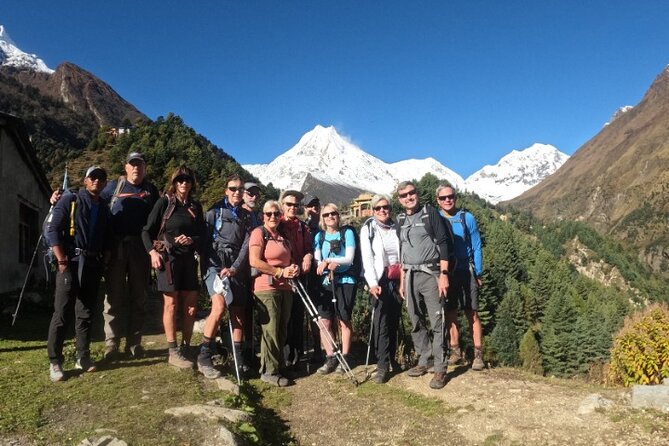
- Permits handled for Manaslu’s restricted area so you’re not juggling forms mid-trip
- Included down jacket and sleeping bag, which reduces the packing burden
- A guide-led pacing style, including shorter walking days later in the trek
- Village and monastery-focused days (including Phungen monastery and Birendra Lake time)
- Lodge-to-lodge comfort with planned meals during trekking days
A Manaslu Circuit plan built around real-life pacing
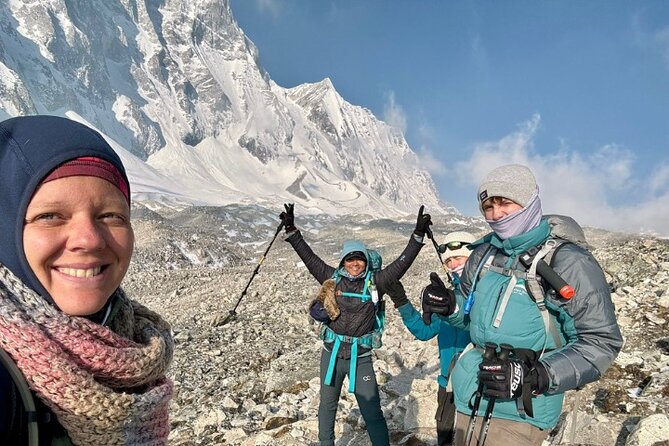
The Manaslu Circuit is popular for big mountain views and village life, but the part that makes or breaks your experience is pacing. This route doesn’t just throw you into a grind. It mixes long-vehicle transfer days with trekking days that gradually build, then gives you shorter walking blocks in the middle before asking for effort again on the pass day.
That pacing matters because you’re not only hiking. You’re also sleeping at lodge altitude, adjusting to cooler nights, and recovering from day-by-day effort. The good news: the itinerary explicitly includes short walking days around Days 11 and 12, which is smart when your body is still learning the rhythm.
You can also read our reviews of more private tours in Kathmandu
Kathmandu first: Thamel orientation and an easy start
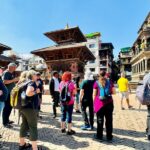
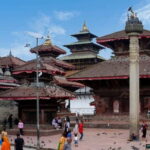
Before you head into the mountains, you get two Kathmandu days that keep things simple. Day 1 is Kathmandu basics with time to see major parts of the city. Day 2 is focused on Thamel, the tourist hub where you can sort small needs like last-minute snacks, charging cables, or a replacement layer if you forgot something.
Why I like this setup: it reduces the chances of arriving, panicking, and wasting your first daylight hunting for supplies. Also, Kathmandu logistics can feel confusing if you land jet-lagged. Here, you have pickup and a guided hand to get you started.
One practical note: Kathmandu accommodation isn’t included. So if you’re the type who wants a specific hotel, breakfast style, or neighborhood vibe, line that up yourself early. Thamel is the obvious choice for convenience, but pick what suits your comfort.
The transfer days that set the tone: Kathmandu to the trailhead
On Day 3 you’re in for a long drive, about 6–7 hours from Kathmandu toward Sotikhola. Transfer days are often where trips feel chaotic—wrong vehicles, missed timing, or unclear schedules. Here, the plan is clear: the transportation is already built in, including public bus and jeep legs.
Day 4 starts the trekking for real with a first walking day in the Manaslu Circuit. This is the day where you get your gear settled, figure out your hiking tempo, and test your footwear. The itinerary keeps it at about 6 hours, which is enough to wake up your legs without acting like a fitness punishment.
If you’re planning your training, I’d treat Days 3 and 4 as your “warm-up with consequences.” You don’t need to be an athlete, but your body should handle long sitting and then sustained walking.
Jagat and early checkpoint village life
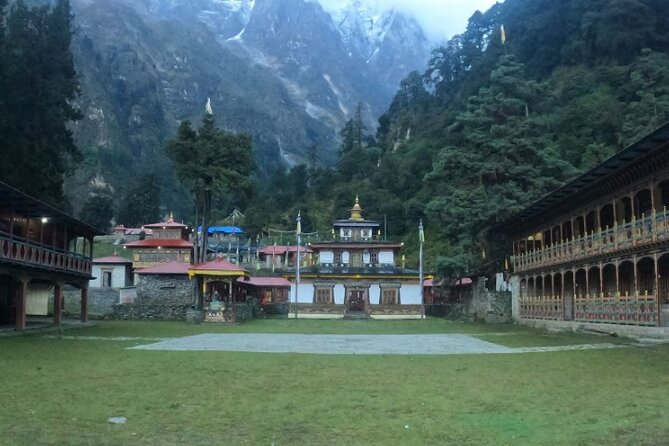
Days 5 and 6 bring you into the structured rhythm of the trek. Day 5 includes Jagat and a trek permit checkpoint (Manaslu trekking permits first check point in Jagat). That’s not just paperwork. It’s also where the trek feels official and organized. You’ll likely notice the change in pace: less wandering, more following a known route and schedule.
The walking time stays around 6 hours on Day 5 and shifts to about 7 hours on Day 6, with a jungle walk connected to the Mount Manaslu region. This phase is a good primer for what’s ahead—trail time, village stops, and the steady climb that comes with changing scenery.
A drawback to keep in mind: lodge standards can vary by village. The plan includes lodge accommodation, but the style of rooms and hot water availability can change as you move along. If you’re expecting big-city comfort, temper that.
Namrung and first real Manaslu views
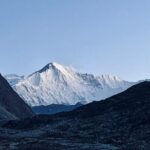
By Day 7 you reach Namrung, described as a nice village on the route, with about 7 hours of walking. The next day (Day 8) is where the itinerary signals a big emotional moment: the first view of Mt. Manaslu.
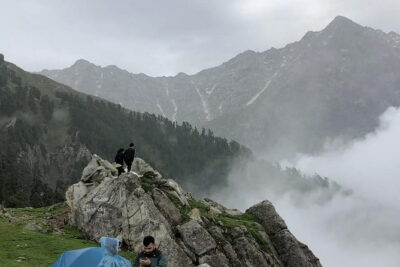
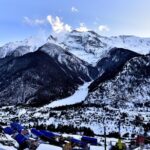
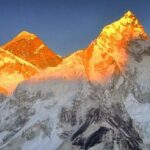
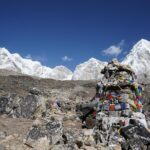
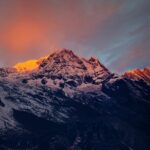
That’s the power of the Manaslu Circuit approach. Instead of one giant “look at the mountain” moment, you get a sequence of gradual reveals. You’ll feel the change in light and angle as the trek rises. It also gives you something to aim for when fatigue hits—knowing the route is moving you toward the views.
If you’re sensitive to cold at night, this is where your included gear becomes more than a perk. A down jacket helps a lot when evenings turn sharp, and the sleeping bag matters when lodge heat isn’t reliable.
You can also read our reviews of more hiking tours in Kathmandu
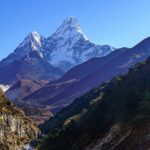
Samagaun: monastery day, lake time, and a stronger acclimatization rhythm
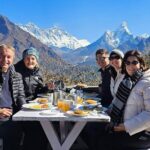
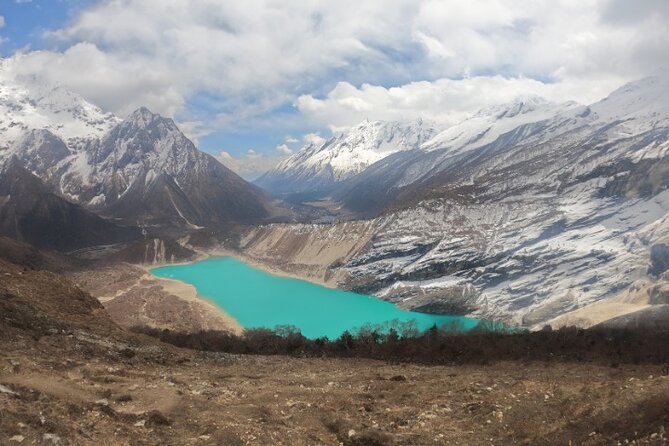
Days 9 and 10 are focused on Samagaun, and this is where the trek becomes more than just a walk. Day 9 is about 4 hours and highlights Samagaun as a top place for trekkers, with Mt. Manaslu views from your hotel and time connected to Birendra Lake.
Day 10 is a hiking day to Mt. Manaslu Base camp and/or Phungen monastery and Birendra Lake. The itinerary frames this as about 4 hours, which is a helpful detail. It suggests a calmer pace in a section that can otherwise feel rushed on some circuits.
Why this matters: after several days of longer walking, a day that still feels meaningful but doesn’t crush you is exactly what helps you enjoy the mountains instead of just surviving them. Also, Birendra Lake time gives the trek a “slow down and look” quality.
I’d plan your mindset here: you’re not just collecting photos. You’re building days where your body settles and your attention stretches beyond the next step.
Short walking days before the pass: why it’s scheduled that way
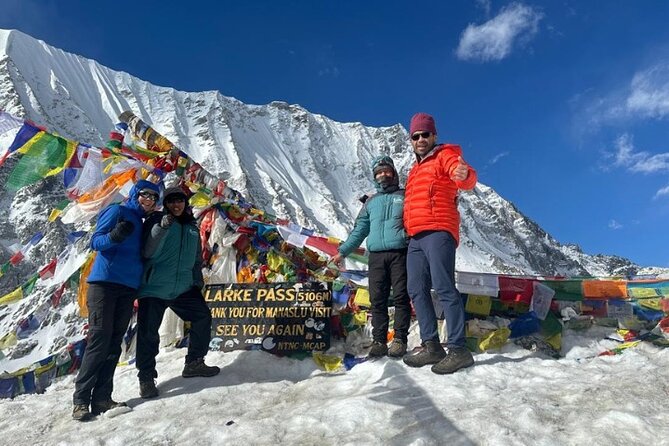
Days 11 and 12 are both short walking days (about 4 hours each). That’s not an accident. The itinerary clearly uses lighter days to keep you functional before the biggest effort comes on Day 13.
This is also where you’ll likely feel the difference between walking for distance and walking for altitude adjustment. Even without exact altitude numbers in the plan, the structure is still doing the right thing: reduce your strain before the pass day.
If you get bored easily, don’t worry. The mountain scenery and village life still keep things interesting. And your guide will typically help you use that time well, often by adjusting small details of the route when conditions shift.
Larkya Bhanjyang (Larkya Pass day) and Tilche: long effort, pretty payoff
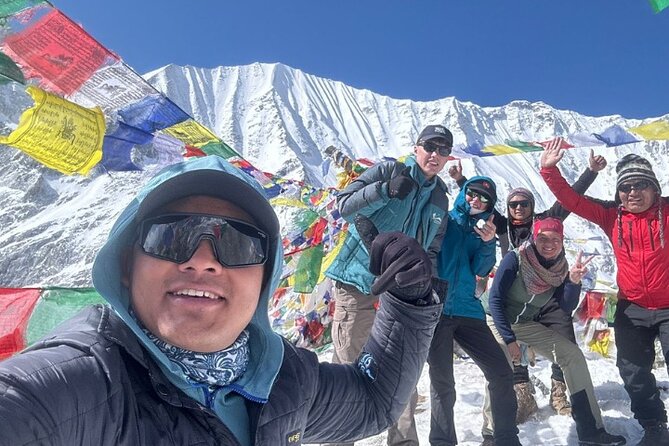
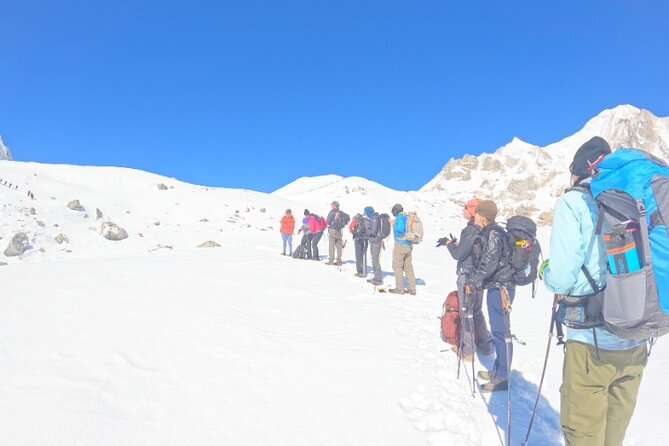
Day 13 is the big one: Larkya Pass day, about 9 hours. This is the day you should treat with respect. It’s long, and it’s exactly where you’ll feel the benefit of earlier pacing, plus the value of being properly clothed.
Day 14 shifts into the Tilche side with a rhododendron jungle walk to Tilche Gurung Village, about 7 hours. That’s a nice change of pace after a hard pass day. Rhododendron jungle trekking tends to feel more shaded and “trail-like,” which can help after the open-work feel near high passes.
One practical consideration: this part of the trek can bring colder temperatures, especially when the weather turns. Your included down jacket helps here, but I’d also make sure you pack warm layers and keep your essentials dry.
Besisahar exit and the ride back to Kathmandu
Day 15 is a shorter walk (about 1 hour) and then drive—4–5 hours—to Besisahar, total around 6 hours. Day 16 returns to Kathmandu with a public bus ride, about 6–7 hours, and ends back at the meeting point.
This is one of those underappreciated details that makes the whole trip feel organized. Often, trekking companies stop at “the end of the trail,” then you’re left scrambling for transport. Here, you have the route back built in, and you’re dropped at a hotel in Kathmandu.
Also, since Kathmandu lodging isn’t included, you’ll want to be ready with a booking so you can relax quickly when you arrive.
Price and logistics: why $1,135 can still feel fair
At $1,135 per person for a 16-day private trek, the price can look high at first glance. But you’re not just paying for walking days. You’re paying for the full system around walking days:
- Airport pickup and drop
- Public transport legs (Kathmandu to Sotikhola, and later back via jeep/bus)
- Lodge accommodation during the trek
- A license-holder guide
- Legal permits for the region (including Manaslu restricted area permit plus MCAP and ACAP documents)
- Gear support with a down jacket and sleeping bag
- Planned meals during trekking days (14 breakfasts, 14 lunches, 14 dinners, plus a farewell Nepali-food dinner)
When you cost it out, the permits, guide attention, and included gear are the big value drivers. Gear is often where people overspend in Nepal because renting or buying late can be stressful and expensive.
The one area to budget separately: Kathmandu accommodation before and after the trek. If you’re budgeting tightly, this is where you’ll feel the pinch.
What’s included on the trek (and what you’ll still pay for)
Here’s what the package covers during trekking time:
Included essentials
- Lodge accommodation during the trek
- Meals: breakfast/lunch/dinner for the trekking days listed (14 each)
- Legal documents for the trek region: MCAP, Manaslu restricted area permit, and ACAP
- First aid medical box, including an oximeter
- Trekking map (and city map for Kathmandu)
- Down jacket and sleeping bag
- Some dry and fresh fruits along the trek
- Farewell dinner with Nepali food
- Trekking duffle bag if you need it
Not included (plan for this)
- Kathmandu accommodation
- Travel insurance (especially important during trekking)
- Drinks like Coke and mineral water, plus beer and other cold/hot extras
- Personal expenses like laundry, phone charges, battery charging, shower/bath-related costs, and boiled water
- Tips (expected)
My advice: set aside a daily buffer for drinks and small conveniences. Even if you plan to keep costs low, small purchases add up fast on longer hiking days.
Guide quality: the human details that change your day
This trek lives or dies by how the guide manages the day-to-day. The strongest feedback connected to this operator consistently highlights preparation and care, plus encouragement that keeps you moving on rougher stretches.
I’ve seen names like Dinesh Prabin and Binod praised for thinking of everything, Kumar for a standout experience, and Bashu for helpful, steady guidance. Other past guidance credits include Chandra for careful preparation, and Saurab with Hom for strong support. There’s also mention of Salman and Prabin as a guide/porter team that boosted morale through the harder parts.
What does that mean for you? You should ask your operator who your guide will be and what support you’ll have for the trekking days. Then listen for practical answers: how they handle weather changes, how they plan room options when you arrive tired, and how they manage short side walks to viewpoints or monastery stops.
Even with the best itinerary, a capable guide is the difference between arriving at Day 13 feeling confident versus feeling stressed.
Who should book this Manaslu Circuit trek
This is a good match if you want:
- A private trek with your own group
- A plan that handles permits and daily meals
- A structured schedule with shorter walking days before the pass
- Included cold-weather gear so you don’t have to shop for it last minute
It’s also smart for people who value guidance over improvising. The itinerary touches Kathmandu heritage time, then settles into a village-to-village rhythm, including monastery and lake-focused days.
It might not be ideal if:
- You strongly dislike long travel days (there are significant drive/ride segments)
- You have low stamina and aren’t willing to prepare for a long 9-hour pass day
- You expect lots of free time in Kathmandu beyond the planned Thamel window (the schedule is focused)
Should you book this 16-day private Manaslu Circuit trek?
If you want the Manaslu Circuit but you don’t want to manage permits, transport timing, and daily meals yourself, this package makes sense. The price feels more reasonable when you factor in the restricted-area paperwork, included trekking gear, and lodge-based comfort during the hike.
I’d book it if you’re moderately fit, can handle long days, and prefer a guide-run plan that keeps you moving. I wouldn’t book it if you’re hoping for total flexibility and minimal structure.
FAQ
What is the duration of the Manaslu Circuit trek on this tour?
It’s listed as about 16 days.
How much does the 16-day private Manaslu Circuit trek cost?
The price is $1,135.00 per person.
Where does the tour start and end?
It starts at Tribhuvan International Airport area in Kathmandu and ends back at the same meeting point.
What permit documents are included?
The tour includes legal documents for MCAP permit, Manaslu restricted area permit, and ACAP.
What meals are included during the trek?
Breakfast, lunch, and dinner are included for 14 days during the trek.
What trek gear is included?
The tour includes a down jacket and a sleeping bag.
Is Kathmandu accommodation included?
No. Kathmandu accommodation is not included.
Is this a private tour?
Yes. It’s private, so only your group participates.
FAQ
Is travel insurance included?
No. Travel insurance is not included.
Can I bring a service animal?
Service animals are allowed.
Is the tour suitable for people with moderate fitness?
The tour notes that travelers should have a moderate physical fitness level.
Are drinks included on the trek?
Hot and cold drinks like Coke and mineral water are not included.
Is airport pickup and drop-off included?
Yes. International airport pick up and drop service is included, plus drop at your hotel in Kathmandu.
How does the return to Kathmandu work at the end?
After finishing the trek, you take public transport back to Kathmandu and are dropped at your hotel.
When will I get confirmation after booking?
Confirmation is received within 48 hours of booking, subject to availability.
What is the cancellation window?
Free cancellation is available up to 24 hours in advance for a full refund.