REVIEW · LEH
Leh Ladakh Old Town Heritage Walk
Book on Viator →Operated by Ladakh Backpackers · Bookable on Viator
Leh’s old streets make history walkable. This Old Town heritage walk is all about staying oriented in tight lanes with a guide, while you hop between key stops like the Central Asian Museum, Leh Gate, LAMO, and the grand finish at Leh Palace. I like the way it turns scattered sights into one story of Ladakh’s past, and I also like that the tour ends with sweeping valley views from the palace.
One heads-up: the price covers the cultural tour guide, but monument fees and lunch cost extra. If you’re hoping to snack your way through, budget for bottled water too, and plan around good weather since the walk depends on it.
In This Review
- Key highlights worth planning for
- Walking Leh’s Old Town with a guide who actually explains it
- Meeting at Jamia Masjid, then starting the story fast
- Stop-by-stop: Chutey Rantag and Baker’s Street
- Central Asian Museum: when culture becomes a wayfinding tool
- Leh Gate and Old Town lanes: where the town’s layout tells the story
- LAMO stop: a modern cultural layer alongside the heritage
- Finishing at Leh Palace: the views and the big close
- Who the guides are: Fida and Norboo’s impact on the experience
- Price and value: what you’re paying for, and what to budget
- Logistics you should know before you go
- Should you book the Leh Ladakh Old Town Heritage Walk?
- FAQ
- How long is the Leh Ladakh Old Town Heritage Walk?
- Is this tour walking only?
- What does the tour include?
- What is not included in the price?
- Where do you meet for the tour?
- Where does the tour end?
- What stops are included on the walk?
- What time is the tour available each day?
Key highlights worth planning for
- Expert-guided orientation that helps you avoid getting lost in narrow Old Town passages
- History told on the move, with stops timed for how the town makes sense when you see it in sequence
- Central Asian Museum + Leh Gate as built-in culture stops, not just photo breaks
- LAMO stop for a modern cultural layer to balance the heritage
- Leh Palace finish with valley views at the end of your walk
- Small-group flexibility, since it’s private and customizable to your needs
Walking Leh’s Old Town with a guide who actually explains it
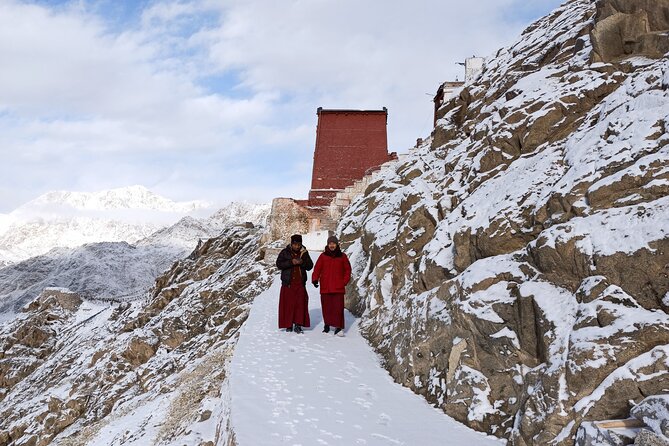
Leh Old Town can feel like a maze at first—small lanes, old buildings, and sudden turns where you wonder if you took a wrong step. That’s exactly why this walk works: you’re not doing it solo, and you’re not just chasing landmarks. A guide keeps the flow so you understand what you’re seeing as you go.
The whole experience is built around walking, so it’s best for you if you’re comfortable moving for about three hours. The upside is that you see the town the way it’s meant to be experienced: at street level, not from a vehicle window. And because it’s private and customizable, you can steer the pace toward what you care about most.
I also appreciate that the tour has a clear arc. You start in central Old Town areas, hit major cultural and civic landmarks along the way, and finish at Leh Palace. That structure matters when you’re visiting a place with layers—religious sites, old settlement patterns, and cultural institutions all show up, but they don’t all feel separate.
You can also read our reviews of more tours and experiences in Leh.



Meeting at Jamia Masjid, then starting the story fast
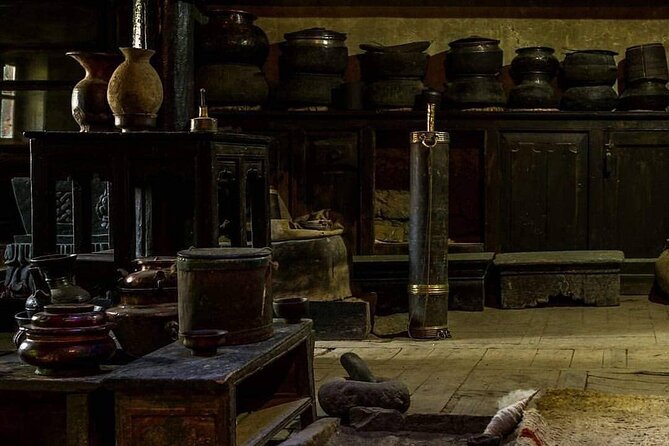
Your start point is the Jamia Masjid area, specifically 2nd Floor in the MEGON complex on Main Bazaar Road in Leh. From there, the guide leads you out into the Old Town streets rather than letting you wander into confusion on your own.
The tour runs with daily hours listed as 10:00 AM to 4:00 PM, so you can choose a time that fits your day in Ladakh. If you’re trying to balance sightseeing with acclimatization and rest, having a mid-day start window is handy.
You’ll also end back at the meeting point. That’s a small detail, but it helps planning. After three hours on foot, the last thing you want is figuring out how to get back across town.
Stop-by-stop: Chutey Rantag and Baker’s Street
The walk begins around Chutey Rantag, then continues toward Baker’s Street. These early stops are important because they set the tone for how the Old Town is laid out. Instead of jumping straight into big-ticket sights, you start with streets and street names that you can connect to the larger settlement story.
This part of the walk is where a guide can make the biggest difference. Without guidance, street-level places can look like scenery. With guidance, you start to grasp why these areas mattered in earlier settlement days and how the Old Town grew around the palace area.
A practical tip: wear shoes you trust. Even if the route is manageable, Ladakh’s streets can be uneven and you’ll be on foot for the duration. Bring sunglasses and plan for sun, since you’ll spend time outdoors between stops.
Central Asian Museum: when culture becomes a wayfinding tool
Next up is the Central Asian Museum. This is one of the stops that turns your walk into something more than a walk. A museum stop gives context, so later landmarks feel connected instead of random.
Even without turning it into a long museum day, the guided museum stop helps you understand the region’s cultural connections. Ladakh sits at a crossroads, and the tour uses that idea to explain what you’re seeing in the streets. You’re not just looking at objects; you’re getting the background that makes the rest of the walk click.
If you like tours where you can ask questions, this is a good moment to do it. The guide’s stories are meant to link the museum to what you’ll see at the next civic and heritage sites.
Leh Gate and Old Town lanes: where the town’s layout tells the story
After the museum, the tour heads to Leh Gate and then moves through Old Town streets. This segment is where you start to feel why the tour is framed as an orientation experience. Gates and entrances aren’t just architectural features. They reflect how people moved, defended, traded, and lived.
The Old Town stretch is also where the walking matters. The narrow passages and tight turns can make you feel disoriented fast, especially if you try to map everything in your head. With a guide, you keep your bearings and you learn what each turn represents in the broader heritage story.
One possible drawback here: if you’re expecting lots of time to stop, sit, and snack, you might find the pacing a bit active. This is a heritage walk with a guided narrative, so you’ll likely be moving between photo moments and explanations.




LAMO stop: a modern cultural layer alongside the heritage
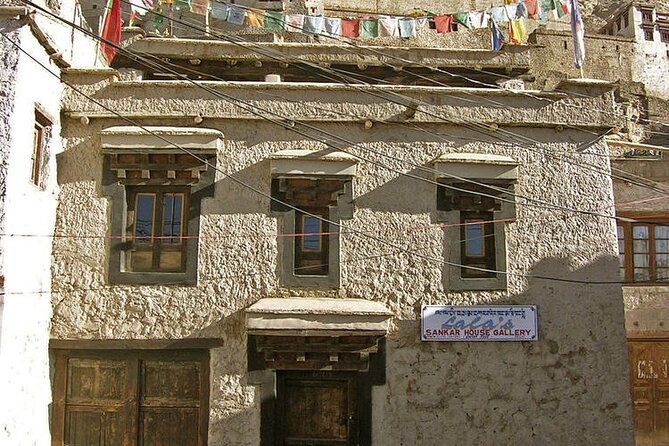
Then you reach LAMO, the Ladakh Arts and Media Organisation. This stop matters because it adds a present-day cultural beat to the walking theme. After older settlement and landmark viewing, LAMO gives you a sense of how Ladakh’s culture continues in public-facing ways.
It’s also a good break in the route. You’re still following the guided flow, but you’re not only looking outward at the town—you’re interacting with a cultural institution. That helps keep the tour balanced, especially if you’ve been bouncing from monastery to monastery in other parts of your trip.
If you’re the type who enjoys seeing how local culture operates now (not just what it used to be), you’ll likely enjoy this stop more than a purely sightseeing route.
Finishing at Leh Palace: the views and the big close
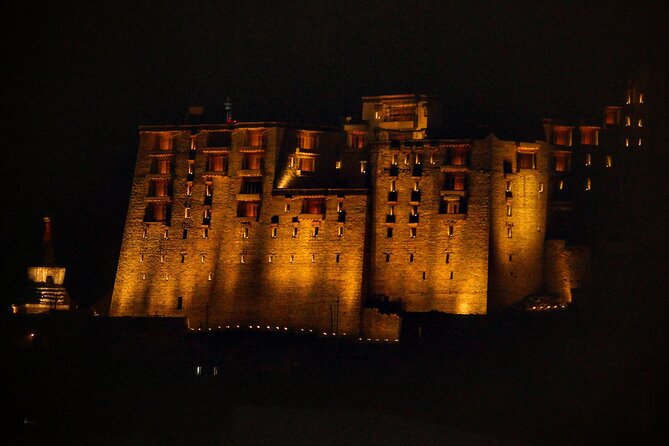
The tour’s grand finale is Leh Palace, sometimes referred to as Leh Royal Palace. You finish here, and the reward is immediate: sweeping views over the valley. Even if you’ve seen palace viewpoints before, this one lands well at the end of the walk because you’ve built up the context on the way.
Finishing at the palace also makes practical sense. You’re wrapping up the Old Town circuit where the palace sits like an anchor point. After hours walking nearby streets and landmarks, Leh Palace feels like the logical destination rather than just another stop on a list.
If you’re traveling in a group or with friends, this is also where you’ll naturally slow down. The views invite a last round of photos, and it’s a good place to ask final questions without rushing.
Who the guides are: Fida and Norboo’s impact on the experience
This tour leans heavily on story, and the guide quality really shows. In particular, Fida (mentioned as the manager) stands out for how he approaches history. One review describes him as a walking encyclopaedia with a Ph.D. in historical anthropology. That kind of background changes the tone from trivia to explanation, especially when you’re learning how culture, settlement, and identity connect.
Another name that comes up is Norboo, described as very informative and full of details about the history of Ladakh. When the guide is strong, the walk stops feeling like a checklist and starts feeling like guided understanding.
Here’s the practical takeaway for you: if you book this tour, come ready with a few questions. Ask how the places connect—how a gate, a museum, or a cultural organization fits into the larger Ladakh story. A good guide will know how to answer in plain language that matches the pace of your walk.
Price and value: what you’re paying for, and what to budget
The price listed is $45.67 per person for about three hours with a cultural tour guide. For this kind of guided walk in Leh, the value comes from focus and structure. You’re paying for orientation, context, and a coherent route that reduces wasted time.
But the extras are real. Monument fees and lunch are not included, and bottled water isn’t included either. So your total day cost depends on how you handle the stops and whether you plan to eat during or right after the walk.
To keep it simple, plan for:
- Guide service included in the base price
- Extra costs for entry/monument fees where required
- Lunch and water as add-ons
If you’re trying to keep your spend tight, eat beforehand and treat the walk as the main activity. If you’d rather take your time, plan a budget line for lunch afterward.
Logistics you should know before you go
This is a walking tour, so your own mobility matters. The tour is described as best suited to mobile travelers, and most people can participate. Still, if you know you tire quickly on uneven sidewalks, consider whether three hours on foot in Leh’s streets fits your day.
It also runs on good weather. If conditions are poor, the tour may be canceled, and you’ll likely be offered a different date or a full refund. That matters because you don’t want your Old Town highlight to get wiped out by a weather window you didn’t plan for.
You can also get group discounts, and you’ll receive a mobile ticket. Those are small comforts, but they make planning easier if you’re coordinating with friends or want less paper to manage.
Should you book the Leh Ladakh Old Town Heritage Walk?
If you want a guided walk that turns Leh’s Old Town into a story you can follow, this is a solid choice. The strongest reasons to book are the route structure (museum, gate, LAMO, Old Town, then palace) and the way the guide’s background can sharpen your understanding. Ending at Leh Palace for valley views is a nice payoff that feels earned.
I’d skip or rethink it only if you hate walking, expect fully inclusive pricing (entry fees and lunch are extra), or you’re visiting during a time when weather may disrupt outdoor plans.
If you decide to go, do yourself a favor: wear comfortable shoes, bring water, and go in with a couple of questions about how Ladakh’s culture and settlement connect. With the right guide, this walk can be one of the most practical and memorable parts of your Leh day.
FAQ
How long is the Leh Ladakh Old Town Heritage Walk?
It’s about 3 hours.
Is this tour walking only?
Yes. It’s a walking tour and is best suited for mobile participants.
What does the tour include?
A cultural tour guide is included.
What is not included in the price?
Monument fees, private transportation, lunch, and bottled water are not included.
Where do you meet for the tour?
You start at the Jamia Masjid area, 2nd Floor of the MEGON complex, Main Bazaar Rd, Leh, 194104.
Where does the tour end?
The activity ends back at the meeting point.
What stops are included on the walk?
The walk includes Chutey Rantag, Baker’s Street, Central Asian Museum, Leh Gate, Old town, LAMO, and it ends with Leh Palace.
What time is the tour available each day?
It lists Monday to Sunday from 10:00 AM to 4:00 PM.