Six days later, Ladakh still felt unreal. This private tour knits together Leh culture and the big high-desert drives, with a first-day plan that respects acclimatization and thin air.
I love that you’re not left guessing logistics. You get hotel and homestay stays with breakfast plus comfortable private transportation, so you can focus on monasteries, passes, and the big river-and-lake moments.
One thing to consider: lunch, dinner, and entry/monument fees cost extra. If you travel with a tight food budget, you’ll want to plan for that early.
In This Review
- Key things I’d watch for on Wonders of Ladakh
- Entering Leh at 3500m: why the slow start matters
- Leh Palace, Shanti Stupa, and the spiritual rhythm of Ladakh
- Basgo Castle and the Indus–Zanskar sangam: history meets rivers
- Nubra Valley via Khardongla: the pass, then the sand
- Shayok Valley to Pangong Tso: the long drive is half the magic
- Sunrise walks and the Changla return: Pangong Tso done right
- Day 6 to your flight home: a clean finish at the airport
- Price and value: what $750.34 covers (and what you’ll still pay)
- Practical tips so your trip feels smooth
- Should you book Wonders of Ladakh?
- FAQ
- How long is Wonders of Ladakh?
- Where does the tour start and end?
- What’s included in the price?
- What’s not included?
- Is this tour private?
- What happens if weather is bad?
Key things I’d watch for on Wonders of Ladakh
- First-day acclimatization in Leh after your arrival flight, before you start piling on sights
- Monastery circuit with Shey/Thiksey-style spirituality and hilltop views like Shanti Stupa
- High passes with real altitude: Khardongla (18360 ft) and Changla on the return
- Nubra sand dunes + tented camp for a classic Ladakh contrast
- Pangong Tso sunrise time with an early walk by the lake
- Value baked in: private transport, protected area permit, and a drinking water package
Entering Leh at 3500m: why the slow start matters
Leh sits at about 3500m, and the tour’s first move is practical: after your early morning flight, you land, transfer to your hotel, and get time to rest. That chunk of downtime isn’t just polite; it helps your body catch up before you start moving.
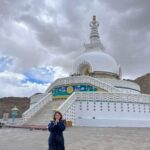
After lunch, the sightseeing stays in the “easy to manage” category. You’ll head to the military Hall of Fame, then visit the 16th-century Leh Palace, and finish with the Japanese-built world peace pagoda, which is known locally as Shanti Stupa. If you’re trying to understand Ladakh’s modern story as well as its spiritual side, this order makes sense.
I also like that this day gives you breathing room for the altitude. Even if you feel fine on arrival, you’ll appreciate not rushing out the door immediately, especially if you’re tired from travel. In Ladakh, your schedule should fit your body, not the other way around.
You can also read our reviews of more tours and experiences in Leh.

Leh Palace, Shanti Stupa, and the spiritual rhythm of Ladakh
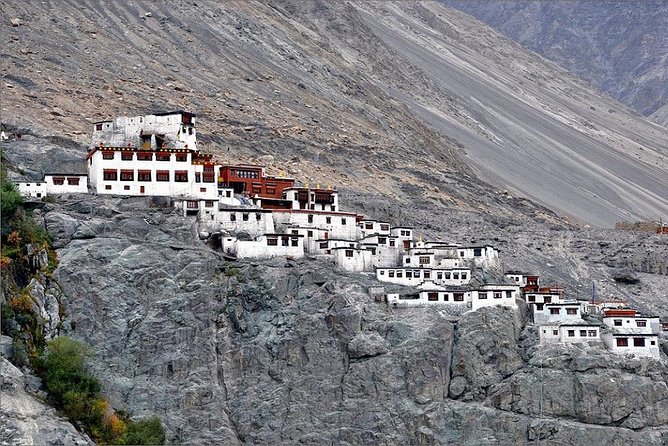
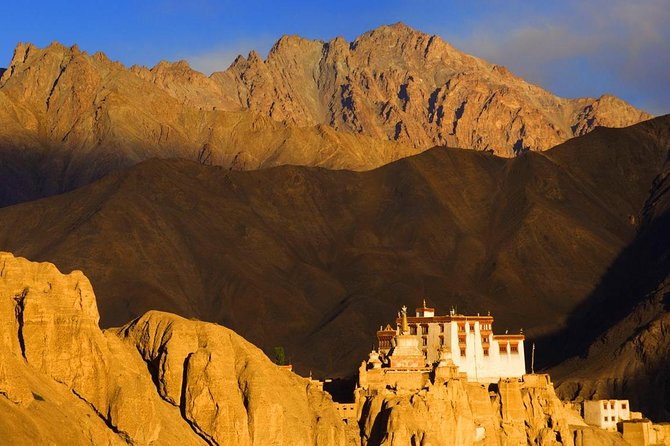
Day 1 is your “set your bearings” day. The military Hall of Fame grounds you in the region’s recent past—Ladakh isn’t a museum piece, it’s a living strategic crossroads. Then Leh Palace adds layers: it’s old, and it gives you a sense of how power and trade once moved through these heights.
Shanti Stupa is the big hilltop payoff. You get the sweeping views that make people understand why monasteries like this location work so well—air, light, and distance do half the work for you. It’s also a good stop to orient yourself visually, so later drives through valleys feel less random.
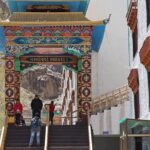
This same spiritual logic continues during the monastery days. The tour is built around Shey and Thiksey monasteries, so you get more than one religious flavor. Shey is often approached as a key stop in the Leh circuit, while Thiksey tends to be the crowd-favorite monastery view on the return side.
Basgo Castle and the Indus–Zanskar sangam: history meets rivers
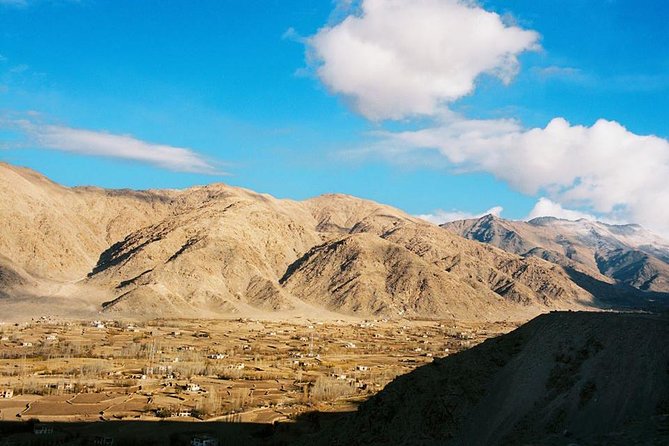
On the second day, you’ll drive about 68 km toward Alchi, but the point isn’t just to get there. The route includes a couple of stops that make the journey feel like part of the story.
First up is Basgo Castle. It’s one of those places where you can look at the walls and understand why settlements were placed where they were—visibility, defensibility, and access to routes all mattered. Even if you’re not a hardcore fort person, Basgo helps Ladakh feel less like scenery and more like a system.
Then you’ll see the sangam of the Indus and Zanskar Rivers. This matters because Ladakh’s natural world is shaped by water routes cutting through high terrain. Two major rivers meeting in this high desert is a reminder that the region isn’t “barren by choice”—it’s dry because of climate, not because there’s no action.
Finally, you reach Alchi village and the tour includes 1000-year-old murals/paintings. These murals are the kind of sight where timing and quiet matter more than talking. You’ll likely spend time looking, not rushing, because the details reward patience.
Nubra Valley via Khardongla: the pass, then the sand
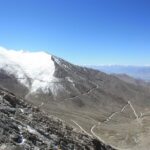
Day 3 is a full-on altitude-and-views day. You drive to Nubra Valley via the famous Khardongla Pass (18360 ft), so expect a serious mountain road day even before the destination.
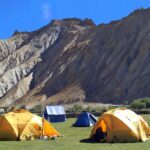
Nubra is where Ladakh’s personality changes. You’re heading from river-and-monastery terrain into a place famous for contrast—cold high desert meets sand dunes and a wide-open sky. When you arrive, you’ll check in at a specially set up tented camp near the white silvery sand dunes.
The “tented camp” part is where the experience becomes more than a checklist. You’re sleeping in a different setting than your Leh hotel, so the valley feels like a separate chapter. It also helps you experience Nubra as a place to slow down, not just a photo stop.
One practical note: long drives at high altitude can make you feel both wired and tired. If you’ve got a sensitive stomach or get headache easily, plan to sip water and take breaks when you can. The tour includes a drinking water package, which is helpful on days like this.
Shayok Valley to Pangong Tso: the long drive is half the magic
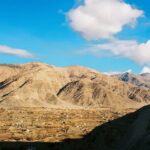
Day 4 starts with a drive from Nubra to Pangong Tso (about 130 km). The route runs along the Shayok Valley, and that’s where you get the sense that Ladakh is a chain of viewpoints. You’re constantly shifting perspective—valley walls, river bends, and that stark light that makes everything look etched.
There’s also a human beat in the middle: hot lunch at Tangstay village. It’s the kind of stop that breaks the day up. In high-altitude road trips, food breaks and bathroom breaks matter as much as monuments, and you get one built in.
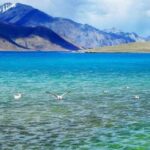
When you reach Pangong Tso, you’ll enjoy the lake views and check in. This is the big moment: the water is the visual anchor after a lot of dry mountain driving. If your camera roll tends to fill with “close calls” photos, you’ll appreciate having time to actually look, not just speed through.

Sunrise walks and the Changla return: Pangong Tso done right
On Day 5, you get an early start with an early morning walk around Pangong Tso. The schedule is built around the idea that the best lake light happens before the crowds and before heat settles in. You’ll see the lake in a quieter mood, and the tour notes even include birds singing—small detail, big difference in how the morning feels.
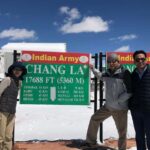
After the walk, you drive back toward Leh over the Changla pass and you’ll also stop at Thiksey Monastery. This is a smart combination because it connects the lakeside calm with monastery energy and a road back to town rhythm.
Thiksey on the return day also helps mentally. You’ve already “spent” the emotional main scene at Pangong Tso, so Thiksey feels like a thoughtful closing act rather than a rushed add-on. It’s the kind of monastery stop that works well when your body is back on familiar footing.
Day 6 to your flight home: a clean finish at the airport
The tour wraps with a transfer to Kushok Bakula Rimpochee Airport. That matters more than it sounds, because Ladakh travel can get chaotic if you try to manage your own timing. Having an end point at the airport keeps the last day simple: leave, don’t negotiate.
Starting and ending at the airport area also makes the trip feel like one continuous plan from the moment you land.
Price and value: what $750.34 covers (and what you’ll still pay)
At $750.34 per person for about 6 days, this tour is priced like an organized, private experience—not like a backpacker DIY plan.
Here’s what adds value in the real world:
- Private transportation: this is huge in Ladakh, where distances are long and roads demand attention
- Protected area permit: you’re not scrambling to understand what’s required
- Drinking water package: small inclusion, big comfort on high passes
- Route map and guide book: helpful for making sense of where you are and what you’re seeing
- Breakfast included (6), plus hotel and homestay accommodations
What costs extra:
- Monument/entry fees
- Lunch and dinner
- Camel riding fee (if you want it)
- Personal insurance
So is it worth it? If you want to focus on the sights—monasteries, river confluence, Nubra dunes, Pangong Tso sunrise—without spending time arranging transport and permissions, this structure feels fair. If you’re the type who loves planning your own drives and you already have permits lined up, you might spend less by going fully independent. But with Ladakh’s altitude and driving demands, “less planning” can be a bargain.
Practical tips so your trip feels smooth
Plan for thin air and slow mornings. The itinerary does give you rest and early starts, but you still need a calm mindset. If you feel a headache or fatigue coming on, take it seriously and pace yourself.
Keep room in your budget for meals and fees. The tour’s inclusions are solid, but you’ll likely add monument entry and daily lunch/dinner costs. If you hate surprises, set aside a separate daily cash amount for food and entrance fees.
Expect long road days. Day 4 is a 130 km drive, and both Khardongla and Changla are big pass days. Even with comfortable private transport, you’ll want to dress for temperature swings.
Do a small “comfort kit” check before you go. You don’t need to overpack. Just think: lip balm, water bottle, sunglasses, and layers you can adjust quickly.
Use the private nature wisely. This is a private tour, only your group. If you have questions about what you’re seeing at monasteries or how to time the drives for light, asking your guide in the moment is the easy win.
And about the guide quality: the name Dorjay shows up alongside praised local driving support like Jigmat, with positive notes tied to how well days feel planned and how smooth the experience runs.
Should you book Wonders of Ladakh?
If you want Ladakh with less stress and more focus, I’d strongly consider booking. The biggest strength is the way it balances altitude management, classic cultural stops, and the two signature nature scenes—Nubra Valley and Pangong Tso—with practical meal breaks and comfortable private drives.
Book it if you:
- like having your days planned for you but still want to feel free on the road
- care about monastery culture and also want high-pass scenery
- prefer to travel with a private vehicle in a region where timing really matters
Skip it if you:
- want fully independent travel with your own driving and permits
- have a very strict budget and don’t want to add monument fees and daily meals
If you’re aiming for the classic Ladakh “big scenery plus meaning” mix, this tour’s structure does that job well.
FAQ
How long is Wonders of Ladakh?
It’s a private 6-day tour (approx.) starting with an arrival/transfer in Leh and finishing with an airport transfer.
Where does the tour start and end?
The tour starts at Kushok Bakula Rimpochee Airport in Leh and ends back at the same meeting point.
What’s included in the price?
Included are private transportation, a protected area permit, a drinking water package, a route map and guide book, and breakfast for 6 days. Accommodation is a mix of hotel and homestay.
What’s not included?
Not included are monumental/entry fees, lunch and dinner, camel riding fee, and personal insurance.
Is this tour private?
Yes. It’s a private tour/activity, so only your group participates.
What happens if weather is bad?
This experience requires good weather. If it’s canceled due to poor weather, you’ll be offered a different date or a full refund.