REVIEW · KATHMANDU
Nagarkot Sunrise With 7 UNESCO World Heritage Private Tour
Book on GetYourGuide →Operated by Mount Glory Treks · Bookable on GetYourGuide
Nagarkot sunrise changes your pace. This private tour strings together 7 UNESCO World Heritage sites in Kathmandu Valley around one big payoff: watching the Himalayan range light up from Nagarkot. I love that it’s not just sightseeing time; your guide helps connect the temples and stupas to everyday Nepalese belief.
You also get a real cultural read on the day—Hindu and Buddhist rituals, local traditions, and how history shows up in stone, carvings, and ceremony. One possible drawback: it’s a long, full day, and UNESCO site entry fees plus food and drinks are on you, so you’ll want to budget a bit.
In This Review
- Key highlights you’ll feel fast
- Nagarkot sunrise at 2175m: the view that sets the tone
- 12 hours, private van, and 7 UNESCO stops that actually make sense
- Changunarayan Temple: stop for ancient stone carvings
- Bhaktapur Durbar Square: where the day feels like a living museum
- Patan Durbar Square and the Krishna Mandir: more craft, more story
- Boudhanath Stupa: Tibetan Buddhism in a massive, calm space
- Pashupatinath on the Bagmati River: Hindu pilgrimage and ceremony
- Kathmandu Durbar Square: royal past, present-day worship
- Swayambhunath Monkey Temple: viewpoint, prayer wheels, and old beliefs together
- Guide style matters here: Santosh and the power of religious context
- Price and logistics: what $172 covers, what you should plan for
- Who this tour fits best (and who should choose differently)
- Should you book this Nagarkot sunrise + 7 UNESCO private day?
- FAQ
- How long is the tour?
- Where does pickup and drop-off happen?
- Is this a private tour?
- What language is the guide?
- Which UNESCO sites are included in the Kathmandu Valley circuit?
- Are UNESCO entrance fees included?
- What is included in the price?
- What are the cancellation terms and payment options?
Key highlights you’ll feel fast
- Nagarkot sunrise with big views toward the Himalayas (including Everest on clear mornings)
- 7 UNESCO sites in one loop, covering temples and stupas across Kathmandu Valley
- English private guide who ties architecture to faith and daily life
- Temple-and-ritual timing that can bring you close to major ceremonies, including at Pashupatinath
- AC private vehicle + hotel pickup/drop-off inside Kathmandu Valley
Nagarkot sunrise at 2175m: the view that sets the tone
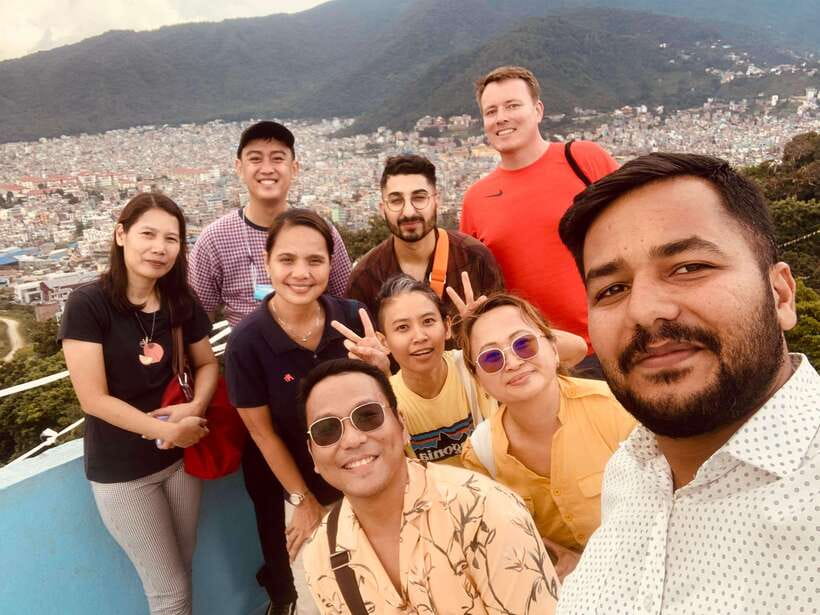
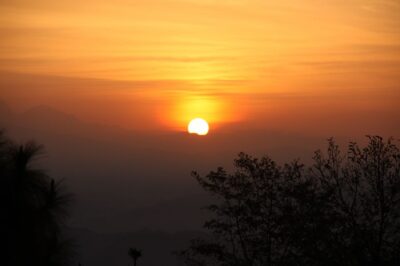
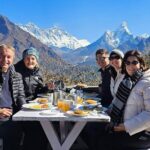
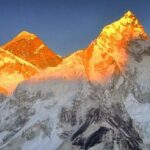
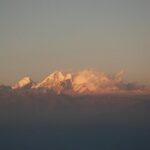
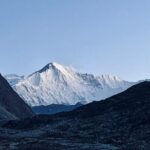
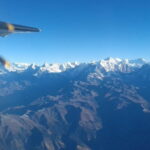
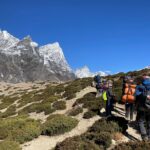
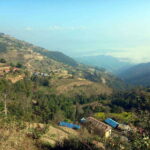
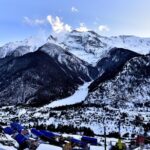
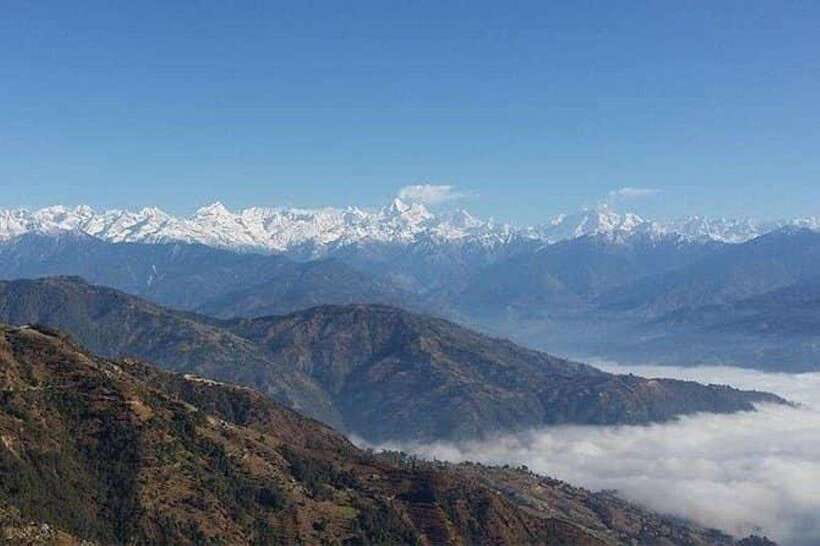
Nagarkot sits at about 2175m, and the plan gives you a real sunrise window instead of a quick photo stop. You’ll spend around two hours there, which matters because sunrise is slow. The sky goes from dark to gray to gold, and the Himalayas only look their best when the light catches the ridges at the right moment.
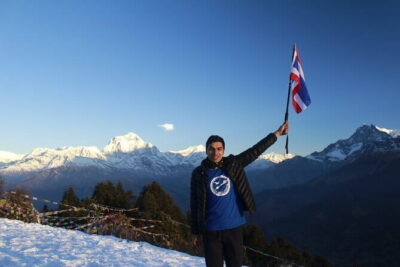
On clear mornings, the view can include Mount Everest—not guaranteed, but the fact you’re positioned for it is the whole point of choosing Nagarkot first. I like that the tour is structured around this: you get the hardest-to-book, time-sensitive moment (sunrise) before the rest of the day turns into temples and walking.
Because you’re up early, plan to move through the morning calmly. Dress in layers you can adjust as the temperature shifts, and bring a light scarf or hat if you get chilly while waiting for the sky to change.
You can also read our reviews of more private tours in Kathmandu

12 hours, private van, and 7 UNESCO stops that actually make sense
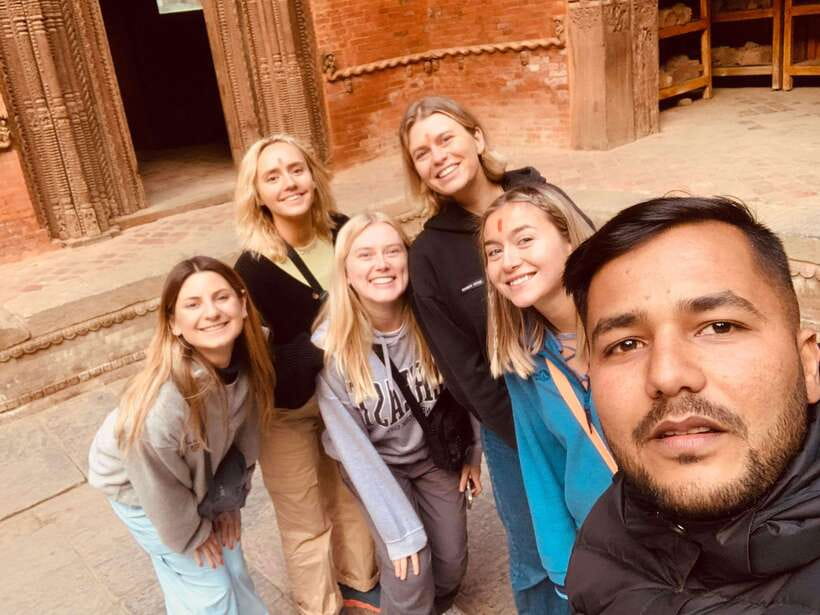
This is a private, English-guided day built for momentum. You’ll start with pickup in Kathmandu Valley, then use a private AC vehicle to cover distance without wrestling with public transport. There’s also a bottle of mineral water included, small comfort that adds up when you’re out for the full stretch.
What I like about the route is the flow. It starts with Nagarkot, then moves into Kathmandu Valley’s UNESCO cluster, keeping travel time efficient. You’ll hit major sites that represent different strands of the region: Newari craftsmanship in the durbar squares, Buddhist devotion in the stupas, and Hindu pilgrimage and ceremony at the riverfront.
The time blocks are short enough to keep you moving, but long enough to see what you came for:
- Changunarayan Temple: about 30 minutes
- Bhaktapur Durbar Square: about 1.5 hours
- Patan Durbar Square: about 1 hour
- Boudhanath Stupa: about 1 hour
- Pashupatinath Temple: about 40 minutes
- Kathmandu Durbar Square: about 1 hour
- Swayambhunath: about 30 minutes
That rhythm is a trade-off. You’ll see a lot, but it’s not the kind of trip where you linger for hours in one spot. If you love slow travel, this may feel packed. If you want maximum value out of limited time, it’s a strong match.
Changunarayan Temple: stop for ancient stone carvings
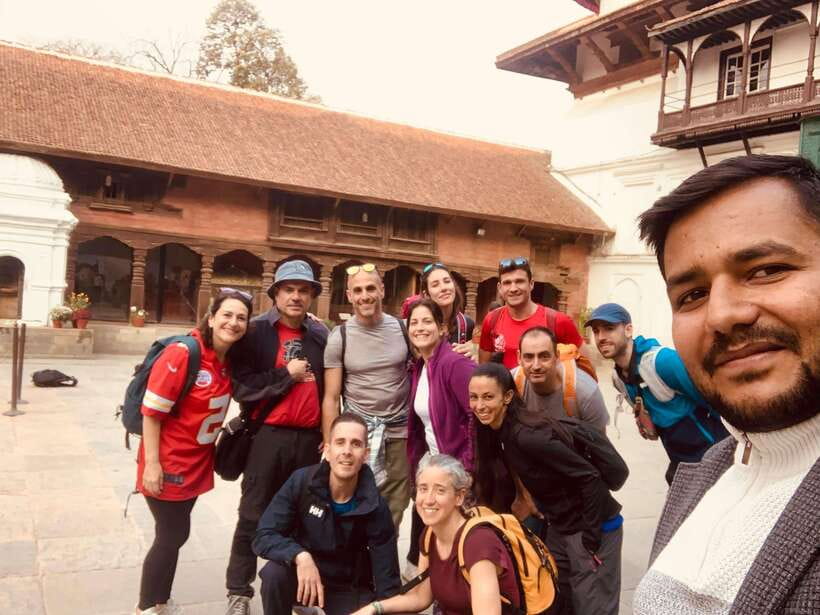
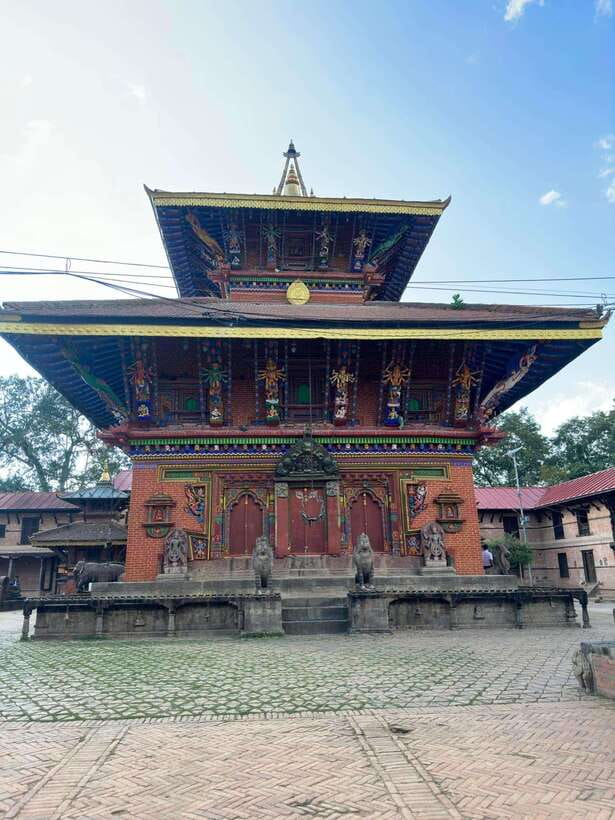
Your first major UNESCO site after sunrise is Changu Narayan Temple, perched on a hilltop. This one is special because it’s often described as the oldest Hindu temple in the Kathmandu Valley, dedicated to Lord Vishnu, and it’s known for intricate carvings.
The key here isn’t size. It’s detail. You’re looking at traditional Nepali architecture with carvings that reward even a brief visit. With a good guide, you’ll notice how the temple’s design relates to belief and kingship in the region, not just religion in the abstract.
If you’re the type who likes to understand what you’re seeing, this is a great early stop. It gives context before the day turns more intense with bigger complexes and citywide foot traffic.
Bhaktapur Durbar Square: where the day feels like a living museum
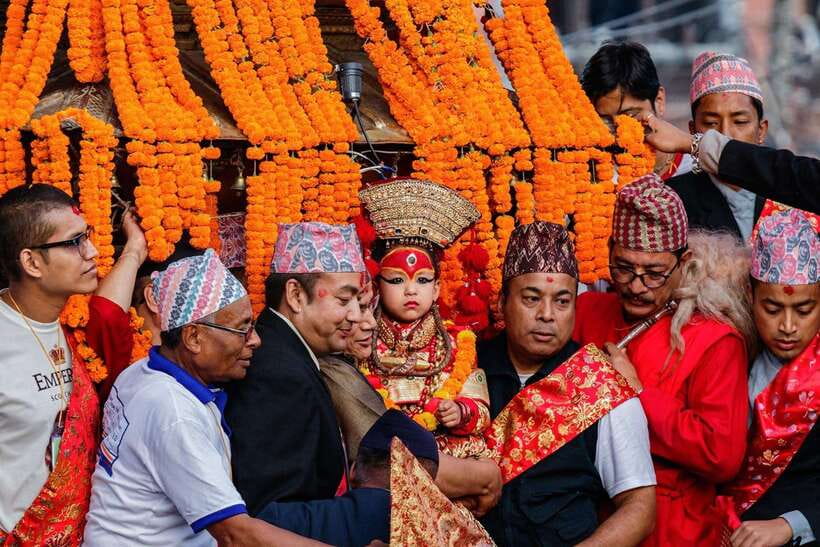
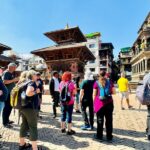
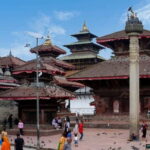
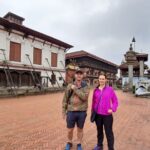
Next comes Bhaktapur Durbar Square, often treated like an open-air museum because of how intact and usable it feels. Your visit is about 1.5 hours, which is enough time to cover the highlights without rushing every corner.
Two names matter here:
- 55-Window Palace, a standout for its historic windows and craftsmanship
- Nyatapola Temple, known for its striking structure and scale
You’ll also spend time around sites like the Vatsala Temple. The best way to enjoy Bhaktapur on this kind of schedule is to stop and slow down in short bursts. Let your guide point out what to look for—doorways, rooflines, carved details—then take a few minutes to absorb before moving on.
This is also a good place to experience Newari life in a more everyday way. Even in a UNESCO setting, the energy feels tied to how people live, pray, and gather.
Patan Durbar Square and the Krishna Mandir: more craft, more story
From Bhaktapur you head to Patan Durbar Square in Lalitpur, where the focus shifts slightly to architecture and temple density. Your time here is about an hour, so you’ll want to use your guide to choose what to prioritize.
Patan is especially known for Newari architecture and the kind of palace-and-temple design associated with the Malla period. One highlight listed for this stop is the Krishna Mandir, a temple that helps you see how devotion and artistry share the same space.
In a packed day, I like Patan because it gives you visual variety. The scale isn’t only about size; it’s about how many meaningful surfaces you can read—carved frames, stacked elements, and religious symbols that show up again and again.
You can also read our reviews of more historical tours in Kathmandu

Boudhanath Stupa: Tibetan Buddhism in a massive, calm space
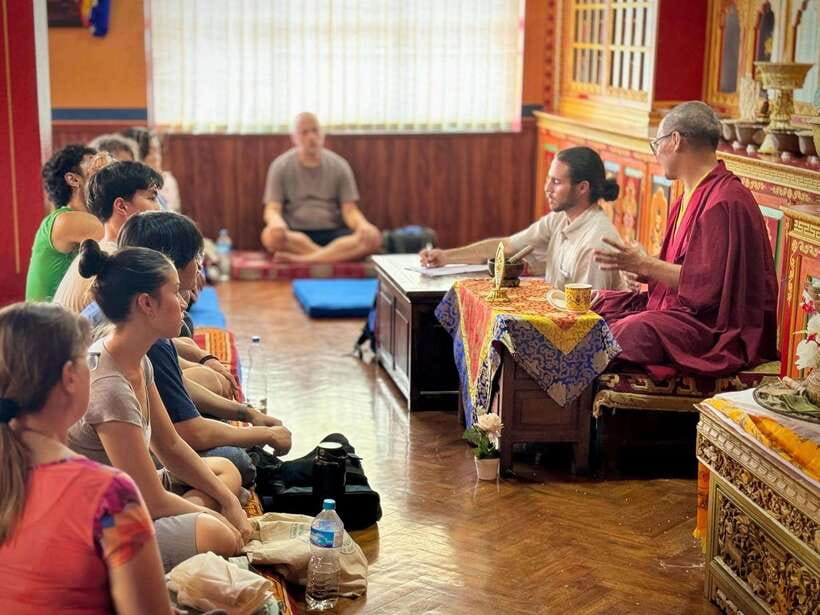
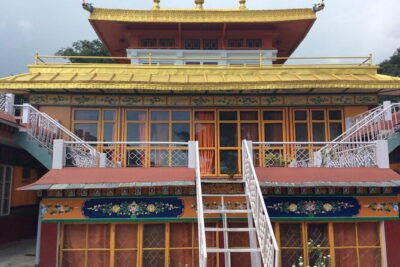
Then you move to Boudhanath Stupa, one of the largest stupas in Nepal and a key center for Tibetan Buddhism. Your visit is about an hour, and it’s structured so you don’t just “pass by” the stupa—you have time to notice its scale and its surrounding culture.
Look for the massive spherical form and the mandala pattern, plus the monasteries around it. What hits you here is how a spiritual landmark can organize an entire neighborhood’s rhythm. You’ll likely see people walking, chanting, and spinning prayer-related features, depending on the time of day.
This stop also balances the Hindu-focused sites earlier in the day. By the time you reach Boudhanath, the tour has already set you up to compare belief systems through architecture, rituals, and the ways people show respect.
Pashupatinath on the Bagmati River: Hindu pilgrimage and ceremony
For many visitors, Pashupatinath Temple is the emotional centerpiece. It’s a sacred Hindu complex dedicated to Lord Shiva, located on the banks of the Bagmati River.
Your time here is about 40 minutes. That might sound short, but Pashupatinath is a place where meaning is built into the setting—temple architecture, riverfront views, and ongoing religious activity. One reason this stop lands hard is that it’s tied to major life-cycle ceremonies, including traditional cremations along the riverbank. If you’re sensitive to intense subjects, it’s worth knowing that you may witness parts of this process while you’re there.
I also like that the guide framing helps. When you understand what you’re seeing—what the rituals mean and why the river matters—you get more than a photo stop. You get a sense of how faith shapes space and daily movement.
Kathmandu Durbar Square: royal past, present-day worship
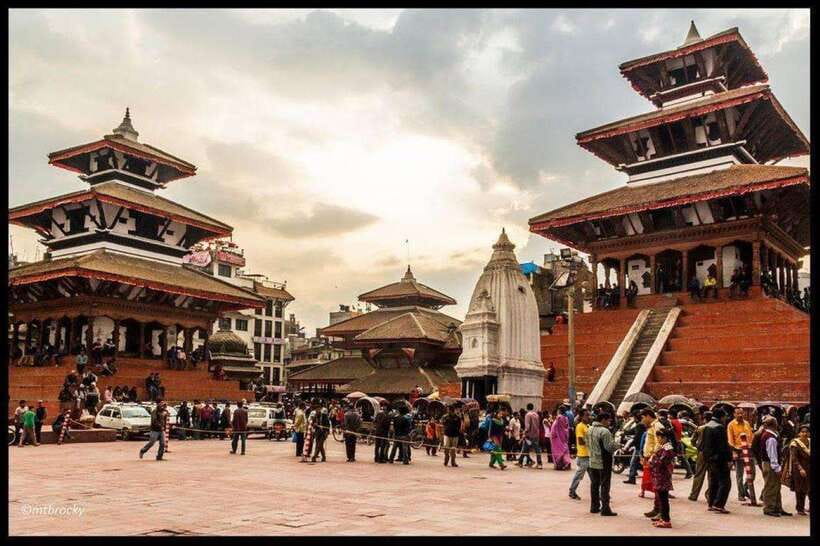
Back in Kathmandu, the tour heads to Kathmandu Durbar Square, also called the heart of the city’s historic temple-and-palace area. You’ll spend about an hour here, enough to see the layout and understand the central role it has played.
This plaza was once the royal palace of the Malla kings, and it still hosts important religious and cultural festivals. The result is a mix of old power and living worship. It’s not only where history happened; it’s where people keep using sacred space.
If you want to get value from your hour, ask your guide to point out what made this royal space different from other durbar squares you’ll see later, and then compare the carvings and temple forms.
Swayambhunath Monkey Temple: viewpoint, prayer wheels, and old beliefs together
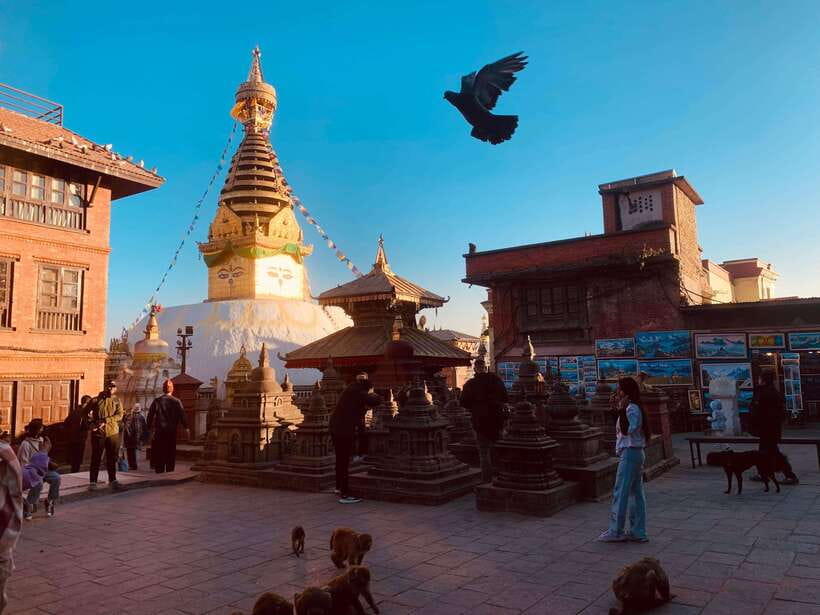
The last UNESCO stop on the route is Swayambhunath Stupa, often called the Monkey Temple. You’ll spend about 30 minutes, which is just enough time to appreciate the hilltop setting and the iconic stupa complex.
This place is revered in both Buddhism and Hinduism, and that overlap is part of what makes it fascinating. On-site you’ll find the stupa with its religious symbolism, plus prayer wheels and the monkeys that live here.
The hilltop viewpoint is also a payoff. Even in a short visit, you can take in the city’s layout from above and connect the dots between the neighborhoods you’ve driven through all morning.
Guide style matters here: Santosh and the power of religious context
A day like this lives or dies by the guide’s explanation. One recent group got Santosh, and the tone was clear: conversation over script, with a focus on how religion shows up in real life.
If it happens to be a special day—like Shiva day—your guide can turn what you see into a story about rituals, rhythms, and belief. That’s the difference between collecting stamps and actually understanding why these places matter.
Your own benefit: you’ll likely leave with sharper questions. Not just what each site is, but how Hindus and Buddhists read the same landscape through different lenses. That’s the kind of learning that actually sticks.
Price and logistics: what $172 covers, what you should plan for
At $172 per person for a 12-hour private tour, you’re paying for a few things that add up:
- English-speaking guide for the full day
- Private AC vehicle
- Hotel pickup and drop-off inside Kathmandu Valley
- Bottle of mineral water
- A carefully timed sunrise at Nagarkot
What you pay extra for:
- UNESCO entrance fees (around 6000 Nepali rupee, not included)
- Food and drinks
Here’s my practical take on value: this price makes sense when you want to do a lot in one day without hassle. You’re buying time efficiency, vehicle comfort, and interpretation. If you already have a driver and you’re comfortable self-guiding, you might spend less overall—but you’d lose a lot of the meaning that makes this itinerary work.
Also, because entrance fees are not included, you should keep a little cash ready. If you’re short on cash, ask in advance what payment methods are accepted for site entry.
Who this tour fits best (and who should choose differently)
This tour is best for you if:
- You have limited time in Kathmandu Valley and want maximum coverage of the UNESCO cluster
- You want a guide who explains how Hindu and Buddhist practice shape what you see
- You’re okay with a full-day schedule and short site visits
It may feel less ideal if:
- You want slow travel and long sits at one location
- You’re uncomfortable with the reality of intense Hindu ceremonies at Pashupatinath (you could see parts of cremation activity along the riverbank)
- You prefer to manage your own pacing around crowds and timing
The sunrise-first structure helps a lot. You’re not stuck waiting for sunrise after multiple stops; you’re doing the sky-view moment while your energy is still fresh.
Should you book this Nagarkot sunrise + 7 UNESCO private day?
If your goal is a focused best-of Kathmandu Valley day with a sunrise payoff, I’d book it. You’re getting a rare combination: Himalayan views from Nagarkot plus a full circuit of the UNESCO sites that define the valley.
Go for it if you like understanding the “why” behind temples and stupas. The guide component is strong, and the itinerary is built to keep you moving without feeling like a hurried grab-bag.
Skip it only if you hate early starts or you want leisurely, multi-hour museum-level visits. For most first-timers with limited time, this private format feels like the most sensible way to turn Kathmandu Valley into one memorable day.
FAQ
How long is the tour?
The tour lasts about 12 hours.
Where does pickup and drop-off happen?
Pickup and drop-off are included inside Kathmandu Valley.
Is this a private tour?
Yes, it’s a private group.
What language is the guide?
The tour includes an English live tour guide.
Which UNESCO sites are included in the Kathmandu Valley circuit?
The tour includes: Kathmandu Durbar Square, Swayambhunath Stupa (Monkey Temple), Boudhanath Stupa, Pashupatinath Temple, Patan Durbar Square, Bhaktapur Durbar Square, and Changu Narayan Temple.
Are UNESCO entrance fees included?
No. UNESCO entrance fees are not included, and the cost is around 6000 Nepali rupee.
What is included in the price?
Included items are an English-speaking tour guide, a private AC vehicle, hotel pickup and drop-off within Kathmandu Valley, and a bottle of mineral water.
What are the cancellation terms and payment options?
You can cancel up to 24 hours in advance for a full refund, and there is a reserve now & pay later option.